



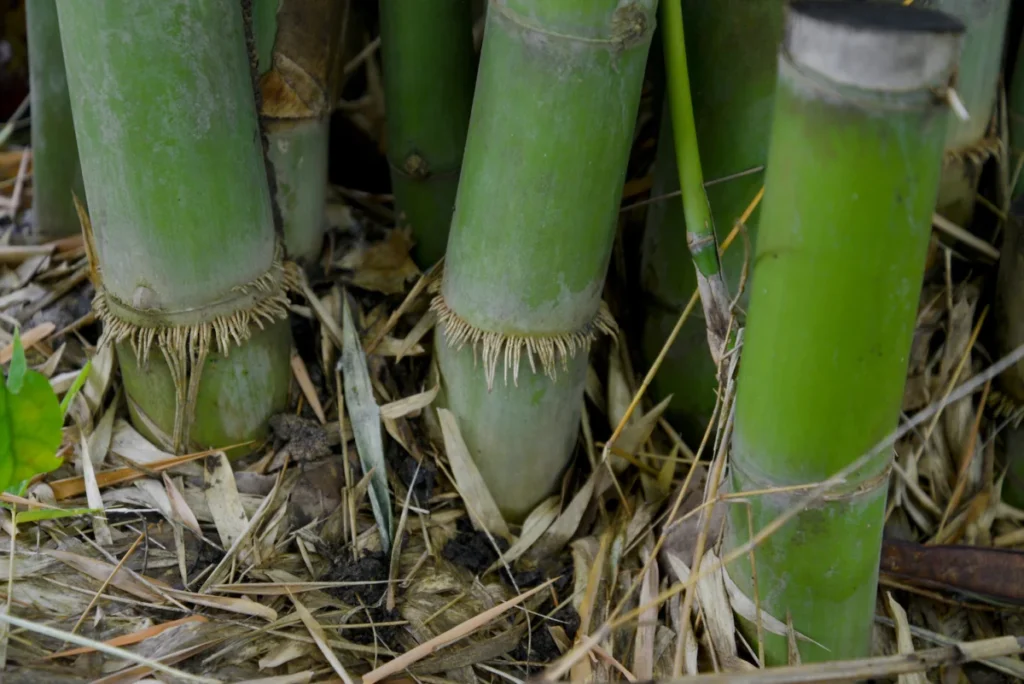
The appearance of bamboo in a residential landscape often begins as a vision of Zen-like tranquility, with homeowners seeking a fast-growing, evergreen screen to provide immediate privacy. However, for many property owners across the United States, this aesthetic choice evolves into a complex ecological and legal challenge. While bamboo is celebrated globally for its versatility and sustainability, certain species possess an aggressive growth habit that can overwhelm native ecosystems, damage infrastructure, and ignite bitter disputes between neighbors. Understanding the biological mechanisms of the plant, the specific varieties involved, and the rigorous requirements for eradication is essential for any homeowner facing an unexpected bamboo infestation.
The Botanical Context: A Grass of Extraordinary Proportions
Bamboo is a member of the Poaceae family, making it a distant relative of common lawn grasses. Unlike the soft turf found in front yards, however, bamboo produces lignified, woody stalks known as culms. There are more than 1,400 species of bamboo globally, ranging from tiny groundcovers to timber varieties that can reach heights of 100 feet. In the context of North American landscaping, these species are categorized into two distinct groups based on their root structures: clumping and running.
Clumping bamboo, such as those in the genus Fargesia, utilizes a sympodial rhizome system. These plants grow in predictable, slowly expanding circles. The rhizomes curve upward shortly after emerging, forming new culms in close proximity to the parent plant. This predictable growth habit makes clumping varieties popular for controlled gardening.
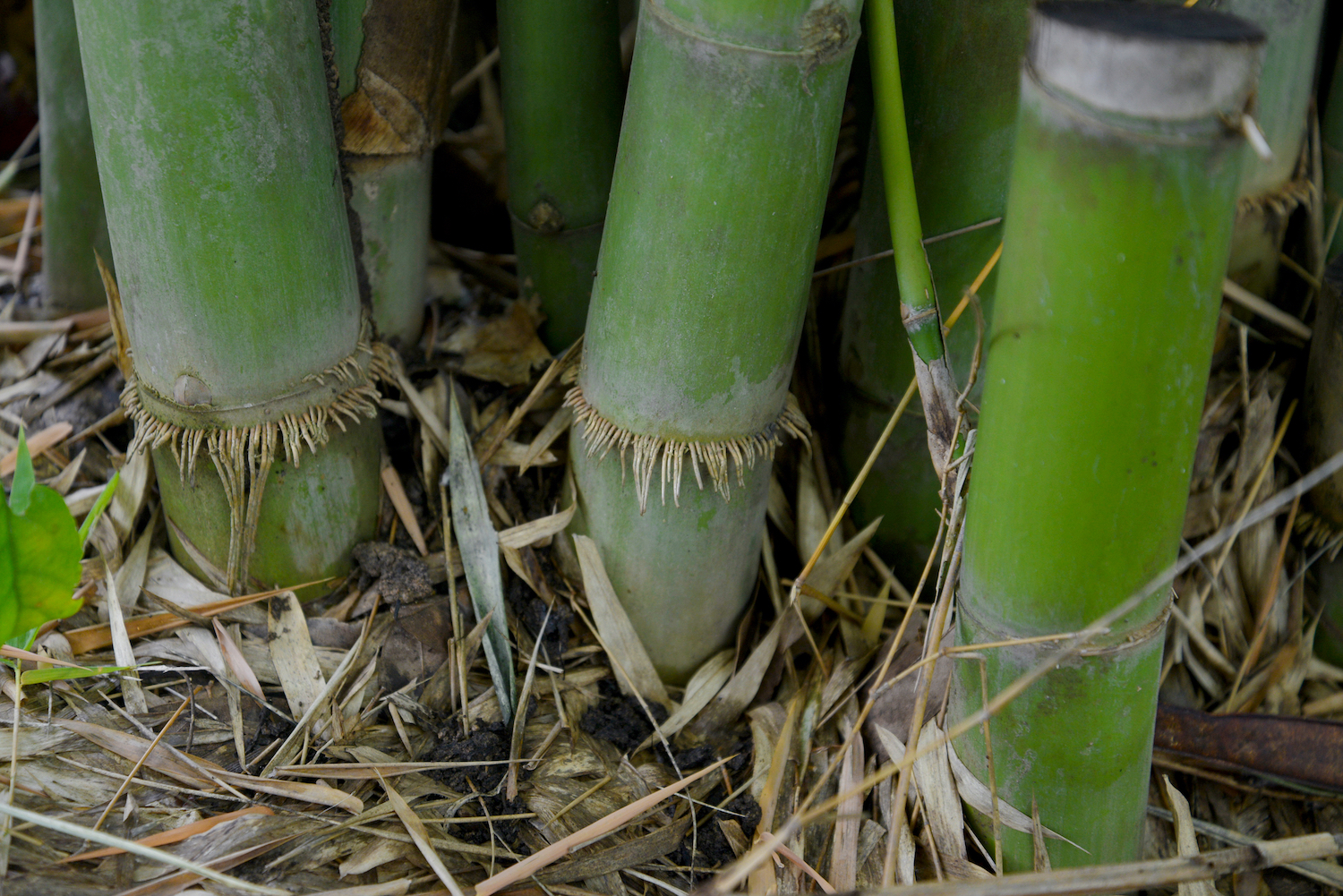
In contrast, running bamboo—primarily species within the genus Phyllostachys, such as Phyllostachys aurea (Golden Bamboo)—utilizes a monopodial rhizome system. These underground stems act like horizontal runners, capable of traveling 15 to 20 feet or more in a single growing season before sending up new vertical shoots. This network serves as a massive energy storage system, allowing the plant to survive extreme conditions and recover rapidly from surface-level damage. It is this specific biological trait that transforms running bamboo into a persistent invasive threat.
The History of Bamboo Introduction in North America
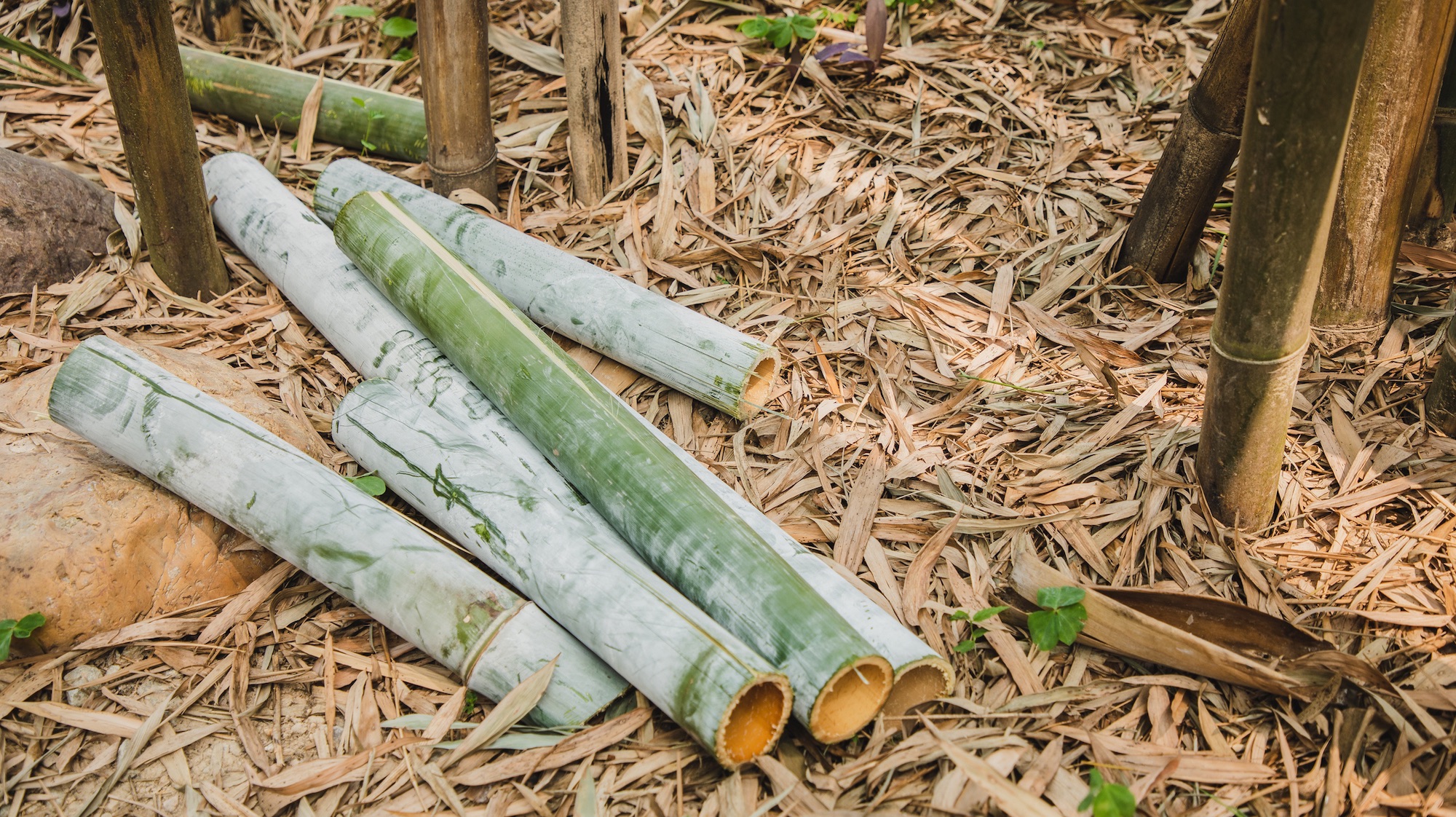
The presence of invasive bamboo in the United States is largely a result of intentional introduction. In the early 20th century, the United States Department of Agriculture (USDA) actively promoted bamboo for its potential as a timber crop and for erosion control. Plant explorers like David Fairchild introduced numerous species from Asia, establishing test groves in states like Georgia and Florida.
Throughout the mid-century, bamboo became a staple of suburban landscaping. Its ability to grow several inches a day—and in some species, up to three feet in 24 hours—appealed to developers and homeowners looking for "instant" landscaping. However, without the natural pests and competitors found in its native Asian habitats, running bamboo began to escape cultivation, moving from manicured gardens into adjacent forests and wetlands.
The Chronology of an Infestation
A bamboo infestation rarely happens overnight; it is a multi-year process that often goes unnoticed until it reaches a critical mass.
- The Establishment Phase (Years 1-2): After planting, the bamboo focuses its energy on establishing a rhizome network. Above ground, growth may appear modest, leading homeowners to believe the plant is well-behaved.
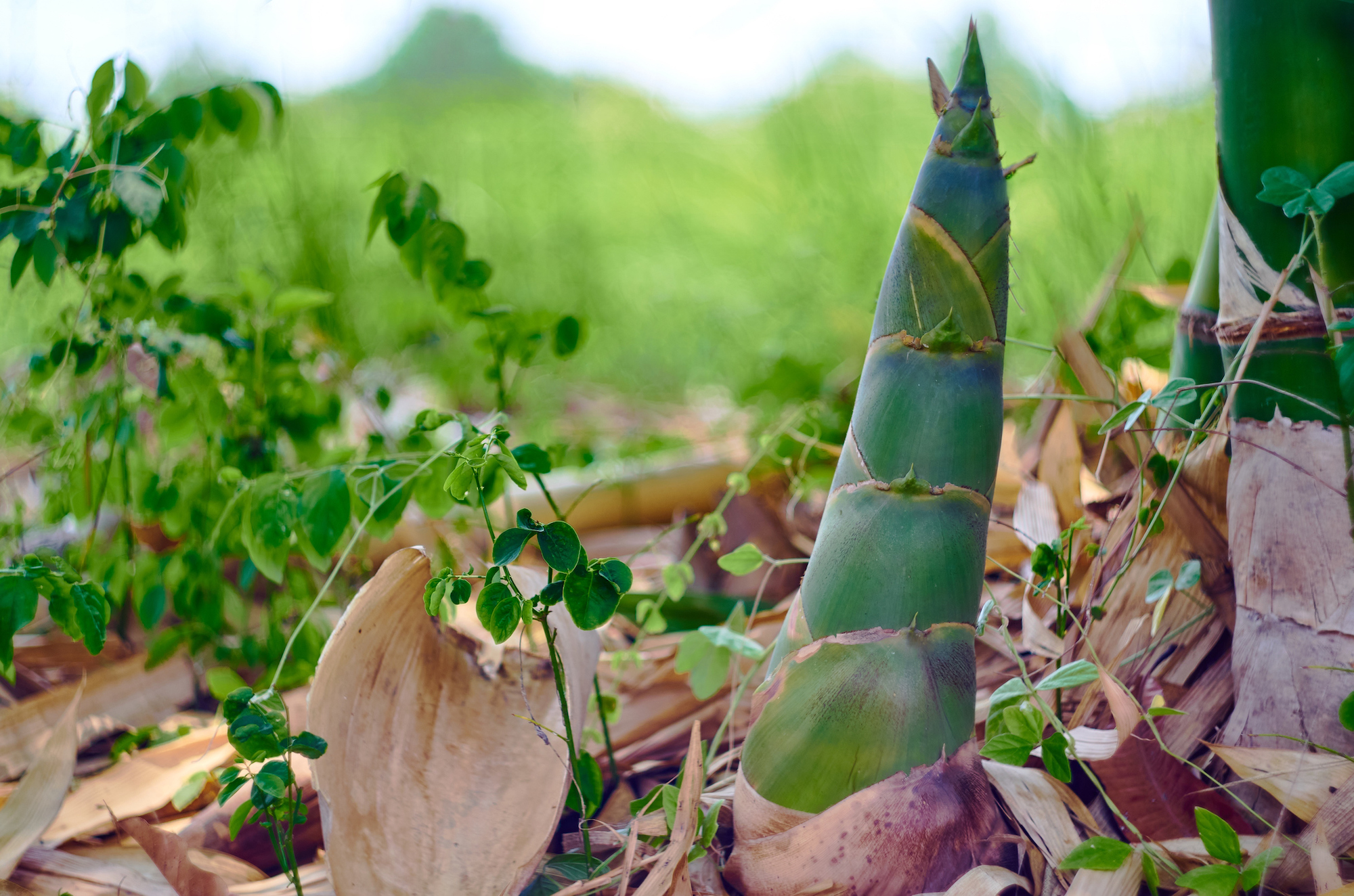
- The Expansion Phase (Years 3-5): Once the underground network is established, the plant enters a period of rapid "running." Shoots begin to appear several feet away from the original planting site, often popping up in the middle of lawns or through mulch beds.
- The Encroachment Phase (Years 5-10): The rhizomes begin to encounter obstacles. Because they are incredibly strong, they can exert significant pressure, often finding cracks in pavement, lifting patio stones, or pushing against home foundations and retaining walls.
- The Landscape Dominance Phase (Year 10+): If left unmanaged, the bamboo forms a monoculture, shading out all other vegetation. At this stage, the rhizomes may have crossed property lines, leading to potential legal liability for the originating homeowner.
Data on Economic and Structural Impact
The financial implications of a bamboo infestation can be significant. Real estate experts note that established groves of invasive bamboo can decrease property values, as savvy buyers are often wary of the long-term maintenance costs.
Structural damage is a primary concern. Bamboo rhizomes have been documented penetrating asphalt driveways and disrupting underground utility lines. In extreme cases, the pressure from rhizome expansion has caused cracks in swimming pool liners and basement walls. The cost of professional remediation reflects the difficulty of the task; typical removal projects for established groves can range from $2,000 to over $10,000, depending on the depth of the rhizome network and the accessibility of the site.
The Legal Landscape: Ordinances and Liability
As the problems associated with running bamboo have mounted, local and state governments have begun to intervene. In the Northeast and Mid-Atlantic regions of the U.S., "bamboo ordinances" have become increasingly common.
In 2013, Connecticut became one of the first states to pass a law regulating the planting of running bamboo. The statute requires that any new plantings of Phyllostachys species be located at least 100 feet from property lines or be contained by a specialized root barrier. Failure to comply can result in fines and liability for any damage caused to a neighbor’s property. Similar regulations exist in various municipalities in New York, New Jersey, and Pennsylvania.
Courts have also seen an uptick in "nuisance" lawsuits related to bamboo. In these cases, plaintiffs argue that a neighbor’s failure to contain their bamboo constitutes a trespass or a private nuisance, often seeking damages for the cost of removal and restoration of their own land.
Strategic Removal Methodologies
Eradicating an established bamboo grove requires a combination of persistence, physical labor, and, in some cases, chemical intervention. There is no "quick fix" for running bamboo.
Manual Removal and Excavation
For small or newly established patches, manual removal is the most effective non-chemical method. This involves cutting down all culms and using a spade or mattock to dig out every inch of the rhizome network. Because any fragment of a rhizome left in the soil can potentially resprout, the area must be sifted thoroughly. For large-scale infestations, homeowners may need to hire professionals with mini-excavators to clear the land to a depth of 18 to 24 inches.
The "Cut and Starve" Technique
This method leverages the plant’s biology against it. By repeatedly cutting all new shoots to the ground before they can produce leaves, the homeowner prevents the plant from photosynthesizing. Over time, the underground rhizomes exhaust their stored energy reserves and eventually die. This process typically takes two to three full growing seasons of diligent monitoring.
Chemical Control
Herbicides containing glyphosate or imazapyr are commonly used for bamboo control. The most effective application involves cutting the stalks and immediately painting the concentrated herbicide onto the fresh "stump." This allows the plant to transport the chemical directly into the rhizome system. Foliar sprays are also used but carry a higher risk of "drift," which can kill surrounding desirable vegetation. Experts caution that chemical treatments often require multiple applications over several years to achieve total eradication.
Root Barriers
For homeowners who wish to keep their bamboo but prevent it from spreading, the installation of a high-density polyethylene (HDPE) root barrier is necessary. These barriers must be at least 30 inches deep and installed with a slight outward slant to encourage rhizomes to grow upward where they can be detected and trimmed.
Ecological Implications and Biodiversity
Beyond the headache for homeowners, invasive bamboo poses a genuine threat to local ecosystems. In the Southeast United States, Phyllostachys aurea has been identified as a significant threat to native biodiversity. By forming dense, light-blocking thickets, it displaces native understory plants that provide food and habitat for local wildlife.
Environmental scientists emphasize that the loss of native flora leads to a "bottom-up" disruption of the food chain, affecting insect populations, birds, and small mammals. Consequently, many state invasive species councils have added running bamboo to their "watch lists," urging the public to choose native alternatives for privacy screening, such as Eastern Red Cedar (Juniperus virginiana) or American Holly (Ilex opaca).

Conclusion: A Call for Proactive Management
The discovery of bamboo in one’s yard is not a cause for immediate panic, but it is a call for immediate action. The difference between a minor gardening task and a multi-year environmental crisis lies in the speed and thoroughness of the response. By identifying the species, understanding the legal requirements in their jurisdiction, and committing to a rigorous removal or containment strategy, homeowners can protect their property and the broader ecological health of their community. As the legal and environmental costs of invasive bamboo continue to rise, the "wait and see" approach is no longer a viable option for the modern property owner.