



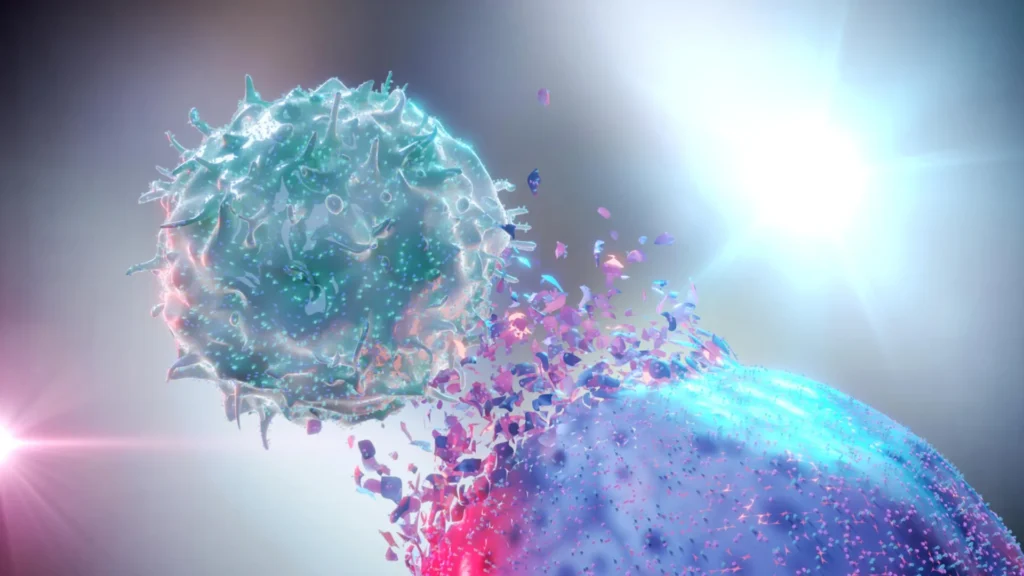
The human immune system relies on a complex network of cells and proteins to protect the body from a myriad of threats, from invading microbes to cancerous cells. Among these critical components are Natural Killer (NK) cells, veritable sentinels that act as the immune system’s rapid response team. These highly specialized lymphocytes are crucial for early intervention, identifying and eliminating virally infected cells, foreign materials, and even nascent tumor cells before they can establish a foothold or spread. Their ability to target and destroy compromised cells without prior sensitization makes them indispensable in both innate immunity and the initial stages of adaptive immune responses. NK cells circulate throughout the bloodstream or reside in specific tissues and organs, poised to act. However, a significant reduction in their numbers or functionality can severely impair immune surveillance, leaving an individual more vulnerable to a range of illnesses, including infections, certain cancers, and even contributing to the progression of various chronic diseases.
In an increasingly interconnected and often stressful world, mental health challenges such as anxiety disorder and insomnia have become pervasive, particularly among young populations. These conditions are not merely psychological burdens; growing evidence suggests they exert tangible physiological effects, including profound interference with healthy immune activity. Recognizing the escalating prevalence of these conditions and their potential systemic impacts, a team of researchers in Saudi Arabia embarked on a focused investigation into how anxiety and insomnia might correlate with NK cell levels in a specific demographic: young female university students. Their significant findings, which underscore a critical link between psychological distress and immune compromise, were recently published in the esteemed journal Frontiers in Immunology.
Unveiling the Immunological Impact of Psychological Stress
The study’s primary objective was to quantify the relationship between self-reported symptoms of anxiety and insomnia and the circulating levels of NK cells and their distinct subpopulations. Dr. Renad Alhamawi, an assistant professor of immunology and immunotherapy at Taibah University and the first author of the groundbreaking paper, summarized the core findings: "We found that in students with insomnia symptoms, count and percentage of total NK cells and their sub-populations were declined. Students with general anxiety symptoms, on the other hand, had a lower percentage and number of circulatory NK cells and their sub-populations, compared to symptom-free students." This direct correlation highlights a concerning biological pathway through which mental health challenges may undermine the body’s innate defenses.
The implications of these findings extend beyond individual health, touching upon public health concerns, particularly within academic environments where stress levels are often elevated. Globally, anxiety disorders affect an estimated 284 million people, with women being disproportionately affected. Insomnia, too, is a widespread issue, impacting roughly 10-30% of the general population, with higher rates observed in student populations due to academic pressures, irregular schedules, and social factors. The intersection of these prevalent conditions with fundamental immune function presents a significant area of concern for comprehensive health management.
Methodology: A Glimpse into Student Health Profiles
The Saudi Arabian study enlisted 60 female university students, ranging in age from 17 to 23 years, a demographic frequently identified as experiencing heightened levels of academic stress and social pressures. Each participant underwent a rigorous screening process, which included completing three comprehensive questionnaires. These surveys gathered essential sociodemographic information and, crucially, assessed symptoms related to anxiety and insomnia using standardized psychological scales. It is important to note that reports of anxiety and sleep disturbance were self-described, a common approach in large-scale psychological studies that relies on participants’ subjective experiences.
The survey results painted a clear picture of the mental health landscape within the study cohort. Approximately 53 percent of the participating students reported experiencing sleep difficulties consistent with clinical insomnia. Even more strikingly, a substantial 75 percent reported anxiety symptoms, with a concerning proportion falling into more severe categories: approximately 17 percent reported moderate anxiety symptoms, and 13 percent indicated severe anxiety. These figures align with global trends indicating a rising incidence of mental health issues among young adults, particularly students facing the multifaceted demands of higher education.
Beyond the psychological assessments, blood samples were meticulously collected from each participant. These samples were then analyzed using flow cytometry, a sophisticated laboratory technique, to accurately measure the different types and quantities of NK cells present in the circulatory system. NK cells are broadly categorized into two main functional subgroups:
- CD16+CD56dim cells: These constitute the vast majority (around 90%) of NK cells found in the peripheral blood. Their primary role is cytotoxic, meaning they are highly effective at directly destroying target cells, such as those infected with viruses or cancerous cells. They achieve this by releasing granules containing perforin and granzymes, which induce apoptosis (programmed cell death) in the compromised cells.
- CD16+CD56high cells: This subgroup is less abundant, making up about 5-10% of circulating NK cells. While they possess some cytotoxic potential, their main function is immunoregulatory. They are potent producers of various cytokines, which are proteins that act as chemical messengers to coordinate and amplify immune responses, influencing other immune cells like T cells and B cells. Both CD16+CD56dim and CD16+CD56high cells are considered circulatory NK cells, constantly patrolling the body for threats.
The Tangible Decline: How Anxiety and Insomnia Impair NK Cell Levels
The laboratory analyses of the blood samples yielded compelling and statistically significant results. Students who reported experiencing anxiety symptoms exhibited a distinct reduction in both the percentage and the absolute number of circulatory NK cells and their specific subtypes compared to their symptom-free peers. This finding points to a systemic impact of anxiety on the fundamental components of innate immunity.
Furthermore, the severity of anxiety was found to be a critical modulating factor. Students classified with moderate or severe anxiety symptoms showed a notably reduced percentage of circulatory NK cells. In contrast, those reporting minimal or mild anxiety symptoms showed only a small and, importantly, statistically insignificant decrease. This dose-response relationship suggests that the greater the psychological burden of anxiety, the more pronounced the negative effect on NK cell populations.
The study also investigated the interplay between anxiety and insomnia. Among students who reported symptoms of insomnia, higher anxiety scores were found to be associated with a lower proportion of total peripheral NK cells. This suggests a potentially synergistic effect, where the combined stress of sleep deprivation and anxiety may exacerbate the depletion of these vital immune cells, placing individuals at an even greater risk.
The Broader Landscape of Immune Compromise: Consequences of Declining Defenses
A persistent drop in NK cell numbers and activity is not a benign phenomenon. It translates directly into a weakened immune performance, significantly elevating an individual’s susceptibility to a spectrum of adverse health outcomes. This includes an increased likelihood of contracting infectious diseases, as the body’s primary defense against early viral and bacterial invaders is compromised. Moreover, NK cells play a critical role in cancer immunosurveillance, meaning their decline can raise the risk of various cancers developing and progressing unchecked. Beyond physical ailments, a dysregulated immune system, particularly one with diminished NK cell activity, has also been implicated in the pathophysiology of mental health conditions such as depression, suggesting a bidirectional relationship between psychological and immunological states.
Dr. Alhamawi emphasized the profound implications of these findings: "Understanding how these psychological stressors influence the distribution and activity of immune cells, especially peripheral NK cells, may provide valuable insights into the mechanisms underlying inflammation and tumorigenesis." This statement underscores the potential for chronic psychological stress and sleep deprivation to contribute to the development of chronic inflammatory diseases and even cancer, pathways that are increasingly recognized in modern medicine. The link between persistent stress, inflammation, and various pathologies is a burgeoning field of research, and this study adds a crucial piece to the puzzle by identifying a specific cellular mechanism.
Study Limitations and Future Research Imperatives
While providing critical insights, the researchers were also careful to acknowledge certain limitations inherent in their study design. The most significant of these was the participant demographic: only young female students were included. This group, while highly relevant given the disproportionate increase in anxiety and sleep problems observed within it, represents a narrow slice of the general population. Consequently, the generalizability of these specific results to other age groups, sexes, or individuals from different geographical regions remains to be fully established.
To obtain a more comprehensive and universally applicable understanding of how anxiety and insomnia influence NK cell levels and function, the research team stressed the urgent need for future studies involving a wider range of ages, sexes, and diverse geographic and cultural backgrounds. Such broader investigations would help to confirm these findings across different populations and identify any demographic-specific variations in immune response to psychological stressors.
The Interplay of Lifestyle, Stress, and Immune Resilience
The scientific community has long recognized the profound connection between lifestyle choices and immune health. Extensive previous research consistently suggests that healthy habits can significantly bolster immune function, including enhancing NK cell levels and performance. Key among these are consistent physical activity, which acts as a natural stress reducer and immune modulator; actively lowered stress levels through practices like mindfulness, meditation, or effective coping strategies; and a balanced, nutrient-rich diet that provides the necessary building blocks for robust immune cell production and function.
However, the insidious nature of chronic anxiety and insomnia is their capacity to disrupt these very foundations of health. These conditions can interfere with normal biological processes throughout the body, extending far beyond cognitive and emotional realms to include fundamental immune responses. This sustained disruption can contribute to a state of chronic low-grade inflammation, a known precursor to and driver of numerous chronic and inflammatory diseases, ranging from cardiovascular conditions to metabolic disorders. As Dr. Alhamawi succinctly concluded, "Such impacts ultimately compromise overall health and quality of life."
Broader Implications for Public Health and Educational Institutions
The findings of this Saudi Arabian study carry significant implications for public health strategies, particularly in educational settings. Universities and colleges, often perceived as crucibles of intellectual growth, are also environments where students face immense academic pressure, financial strain, social adjustments, and future uncertainties. The high prevalence of anxiety and insomnia symptoms reported in this study’s cohort underscores the need for proactive mental health support services within these institutions. Early identification and intervention programs for students struggling with anxiety and sleep disorders could be crucial not only for their psychological well-being but also for safeguarding their physical health by mitigating the associated immune compromises.
Moreover, the study reinforces the importance of integrated health approaches that recognize the inseparable link between mental and physical health. Public health campaigns and clinical guidelines should increasingly emphasize the biological ramifications of chronic stress and sleep deprivation, educating individuals on how these seemingly ‘mental’ conditions can profoundly impact their immune resilience. This includes promoting stress management techniques, advocating for healthy sleep hygiene, and encouraging regular physical activity as essential components of a robust immune system.
In conclusion, the research from Taibah University provides compelling evidence that anxiety and insomnia are not just psychological burdens but potent biological stressors that can significantly diminish the body’s natural killer cell populations. This reduction in a vital component of innate immunity translates into a tangible vulnerability to a range of diseases. As mental health challenges continue to rise globally, particularly among young adults, these findings serve as a critical reminder of the urgent need for comprehensive strategies that address psychological well-being as a cornerstone of overall physical health and immune defense.