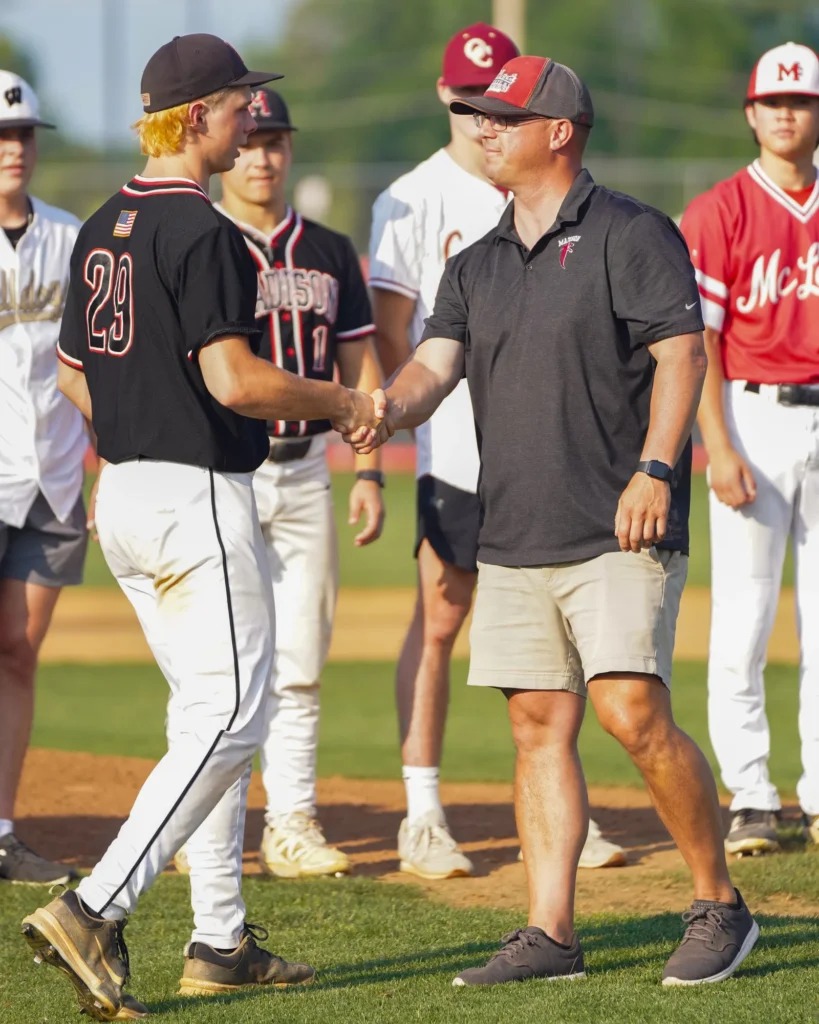



For eight transformative years, Superintendent and CEO Rob Hair has been at the helm of the Maryland School for the Blind, a venerable institution dedicated to serving students with visual impairments. During his tenure, Hair has skillfully guided the private nonprofit through two comprehensive strategic plans, addressing critical financial concerns and driving significant improvements in the school’s campus infrastructure and the breadth of its specialized services. His leadership has been characterized by a deep commitment to both the immediate needs of the students and the long-term sustainability and growth of the organization.
Founded in 1853, the Maryland School for the Blind, located in Baltimore, has a rich history of providing comprehensive educational and life-skills training for students aged 3 to 21 who are blind or have low vision. Operating as both a residential and day school, its mission extends far beyond traditional academics. The curriculum is meticulously tailored to each student’s individual needs and abilities, encompassing vital skills such as orientation and mobility (O&M), independent living, and vocational preparation. Furthermore, students receive functional reading instruction utilizing Braille or varying print sizes, ensuring accessibility and fostering literacy.
The residential and after-school programs play a particularly crucial role in equipping students with essential life skills. Within these supportive environments, students engage in practical training for daily living activities, including personal hygiene, organizing clothing, making beds, and maintaining their living spaces. Currently, approximately 45 of the school’s roughly 200 day and residential students participate in the residential program, highlighting the demand for intensive, immersive support.
A significant portion of the Maryland School for the Blind’s funding is derived from state allocations. However, the institution also actively collaborates with public school districts across Maryland. This partnership is instrumental in fulfilling the requirements outlined by the Individuals with Disabilities Education Act (IDEA). The school bridges critical service gaps for public schools, providing expertise in areas such as specialized instruction for teachers of the visually impaired and essential lessons in Braille literacy and orientation and mobility. Annually, nearly 1,400 students statewide benefit from these vital outreach services, demonstrating the school’s far-reaching impact.
"I will say that it’s not so different than leading a public school system – or a public high school or elementary school, either," Hair commented, drawing parallels between his role and that of public school administrators. "I rely on community input. Having a strategic plan really guiding your goals and what you’re trying to achieve – making sure that you are being guided by what’s the most important thing and not by every shiny object – is so important." This philosophy underscores his belief in focused, data-driven decision-making and the importance of stakeholder engagement.
Hair’s extensive career in special education spans over three decades, commencing in 1993 as a music educator at the South Carolina School for the Deaf and the Blind. While his initial entry into the field was somewhat serendipitous, a profound personal connection fueled his enduring passion. Witnessing his grandfather’s ability to live a full and independent life despite age-related macular degeneration, maintaining engagement with household tasks and hobbies, profoundly shaped Hair’s dedication to supporting individuals who are blind or have low vision. This deeply personal motivation informs his leadership and his commitment to enhancing the lives of the students he serves.
Tailoring Education for Diverse Visual Impairments
The Maryland School for the Blind offers a nuanced approach to education, recognizing that the spectrum of visual impairment is vast. K-12 Dive recently spoke with Superintendent Hair to delve into the intricacies of their programming and explore how public schools can effectively address similar needs. A key question for administrators of specialized schools like MSB is how they differentiate programming for students who are totally blind versus those with low vision but who are legally blind.
"Our teachers do an incredible job of creating Braille, large print, and regular print – tactile materials as well as visual materials – for all the students in their classrooms, because they have a mixture," Hair explained. He emphasized the individualized nature of each student’s needs: "Some students have usable vision, some have no vision. There’s no one in this school that is the same as any other student. Everybody has their own [differences in] light perception, total blindness, some useful vision."
Hair further elaborated on the subtle but significant distinctions in how students access information. "Some of our students don’t need large print or Braille. Because their field of vision is so small, they need regular print text, and if you enlarge it, it’s harder to read." This highlights the complexity of instructional design and the need for highly skilled educators who can adapt their methods. "Every student is unique, and the teachers have to adapt their materials for every student," he concluded, underscoring the personalized learning environment at MSB.
Addressing Service Gaps in Public Education
A recurring challenge in special education, particularly for students with visual impairments, is the availability of specialized personnel within public school systems. Hair addressed this critical issue when asked about the most common gaps he observes in public schools seeking to meet the needs typically addressed by a specialized institution.
"Well, we have very good partnerships with our local schools, and some of them do a great job. But sometimes school systems just don’t have the personnel – we’re all facing a shortage of visually impaired and orientation and mobility specialists nationwide," Hair stated. This shortage is not confined to Maryland; it represents a national crisis in the field of special education. "It’s a desperate shortage that we’re all facing," he reiterated.
To mitigate this deficit, the Maryland School for the Blind actively deploys its resources. "I’m working in a leadership role trying to fill that gap, but in the meantime, we provide teachers of the visually impaired when a local county calls us and says, ‘Do you have someone who can come to Baltimore County and assist us with some of our students? We don’t have enough staff.’" This proactive approach demonstrates MSB’s commitment to being a vital resource for the broader educational landscape.
Extending Support to Rural and Underserved Communities
The geographical reach of specialized services is often a concern, particularly for schools located in rural areas. Hair confirmed that the Maryland School for the Blind actively works to bridge these geographical divides. "Absolutely," he affirmed when asked about the possibility of rural schools building connections. "I mean, I wouldn’t say that we have 100% coverage for every county and jurisdiction in the state of Maryland, but we do cover those western counties."
The support provided extends to crucial aspects of special education planning and implementation. "We have teachers go provide assessments and we provide IEP [individualized education program] supports," Hair explained. This includes offering expert guidance to local IEP teams on developing effective student goals and objectives. "We will advise for IEP teams in the local schools on things like ‘How should we construct the students’ goals and objectives?’ We’ll give them an assessment of the students’ skills based on a teacher-provided assessment and give them some consultation in that way, or we can provide ongoing service if we have the staff and they have a need."
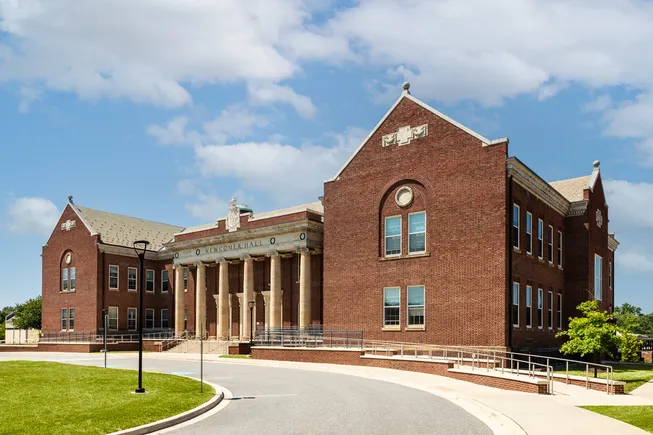
The school’s commitment to accessibility is paramount. "Even if they’re in rural Maryland, our teachers and psychologists will go out to a local county and provide assessment of a student and consult with the local IEP team to develop the IEP, and/or we can provide direct teacher support," Hair elaborated. The overarching goal is to ensure equitable access to education, regardless of a student’s location. "Our goal is not to pull students from their local communities but to provide support where they live if at all possible, so that their access doesn’t depend on ZIP code," he emphasized. This commitment extends beyond the physical campus: "So we’re not just a campus here. We actually do provide services well beyond these four walls, as it were, in Baltimore City."
Addressing Systemic Challenges and Building a Future Workforce
The persistent shortage of qualified personnel is not merely a logistical hurdle; it points to systemic challenges that may require policy-level interventions. Hair acknowledged this, noting the collaborative efforts being undertaken to address the issue at a broader scale.
"We and the National Federation of the Blind, which you may know is headquartered in Baltimore, are working together to provide more teacher training and support so we can get those professionals in Maryland," he stated. This partnership signifies a multi-pronged approach to tackling the workforce deficit.
A key strategy involves investing in the professional development of existing educators and paraprofessionals. "Right now we’re partnering with Kutztown University, which is in Pennsylvania. They have a wonderful teacher of the visually impaired program, and right now we [Maryland School for the Blind] are paying teachers who are not certified in visual impairments to get their teacher of the visually impaired certification and developing a pipeline." This proactive recruitment and training initiative aims to cultivate a sustainable pipeline of qualified professionals.
"It’s so difficult to find teachers of the visually impaired," Hair admitted. "Our vision is to create more partnerships with local universities and training our paraprofessionals. We have some talented people who know Braille and know how to teach these children very well who are not certified teachers. So we want to put them through teacher training and give them the tuition dollars and eventually get them to become teachers of the visually impaired." This vision for developing internal talent represents a crucial step in addressing the long-term needs of students with visual impairments. "That would be the ultimate pipeline dream that we’re pursuing right now to help fill in that shortage."
Strategic Partnerships and Immediate Actions for Public School Leaders
For public school leaders nationwide grappling with service gaps for students with specialized needs, Hair offered pragmatic advice on building effective partnerships and prioritizing immediate actions. His recommendations emphasize a proactive and collaborative approach.
"I would work with my administration. Work with the leadership. Find the incentives – the hiring incentives. Try to find the people that we need to recruit to our school," Hair advised. This strategic focus on internal leadership alignment and the development of attractive recruitment packages is crucial for attracting specialized talent.
He acknowledged the particular challenges faced by rural districts: "I really feel for rural counties and towns where it may not be easy to find someone. But I think it’s finding the right connections." This underscores the importance of networking and seeking external support.
Hair suggested exploring various avenues for sourcing qualified personnel: "There are some hiring agencies that can provide assistance in specialized special ed certifications." Furthermore, he recommended leveraging existing resources within the state. "I would look towards your local school for the blind, like the Maryland School for the Blind. There may be retired teachers of the visually impaired who are willing to do some short-term or part-time work to fill in the gap while you’re waiting." This approach highlights the value of tapping into the expertise of experienced professionals who may be available for flexible or interim roles, ensuring continuity of services while long-term solutions are developed.