When Prescillia Micollet embarked on her doctoral journey in education at Université Laval (ULaval), her vision of academic life was confined to the hallowed halls of research, reading, and theoretical exploration. The prospect of hands-on engagement with community organizations or the direct application of educational theories in classrooms addressing sensitive issues like homelessness seemed distant, almost improbable. Yet, this very immersion in the field became the unexpected cornerstone of her doctoral research, transforming her understanding of academic contribution and societal impact.
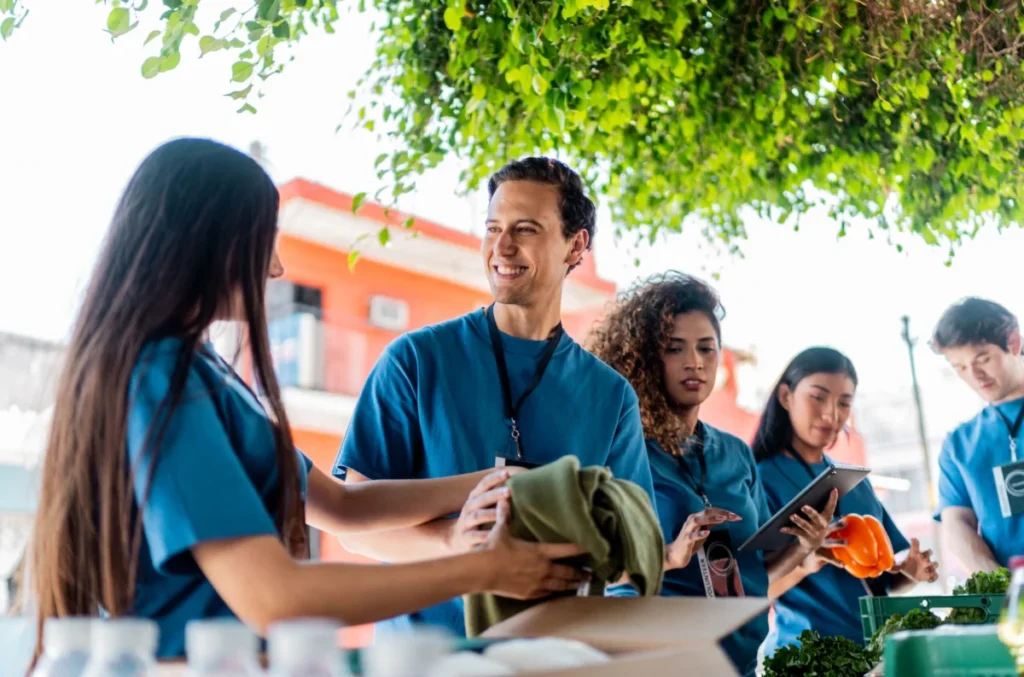
Her supervisor, a professor of education at ULaval, had tasked her undergraduate students, who were training to become secondary school teachers, with developing learning activities inspired by "Dans la rue," a children’s learning album focused on homelessness. This initiative necessitated direct collaboration with the organization responsible for creating the book. Ms. Micollet, intrigued by this novel approach, sought to become involved. Her initial curiosity rapidly evolved into active participation, leading her to develop educational materials for elementary school students in partnership with a local organization. This experiential pedagogical method, known as Community Service Learning (CSL), allows students to engage with community organizations, often on a voluntary basis, and collaborate on projects that address tangible community needs.
The Genesis and Evolution of Community Service Learning
Community Service Learning represents a pedagogical paradigm shift, moving beyond traditional classroom-based learning to foster civic engagement and practical problem-solving. Its roots can be traced back to the late 20th century, gaining momentum as educational institutions increasingly recognized the value of experiential education and the importance of universities serving as active contributors to societal well-being. While the specific methodologies and programmatic structures vary, the core principle remains consistent: integrating academic coursework with meaningful community service.
At Université Laval, the "Accès savoirs" program exemplifies this commitment. Launched with the explicit aim of connecting academic expertise with the pressing needs of organizations in the Quebec City region, Accès savoirs facilitates these crucial partnerships. "The idea is to make academic knowledge accessible, not just through scientific articles, but by putting academics to service in the community," explains Sivane Hirsch, a professor of education at ULaval and Ms. Micollet’s doctoral supervisor. This initiative underscores a fundamental belief that knowledge generated within university walls possesses inherent value when applied to solve real-world challenges.
The impact of Accès savoirs is quantifiable and significant. As of the previous year, the program had facilitated an impressive 545 projects in collaboration with 361 community groups since its inception in 2013. These initiatives are not peripheral additions but are thoughtfully integrated into regular coursework, often manifesting as term papers or in-depth research projects. This structured integration ensures that CSL experiences are academically rigorous and contribute to the students’ overall learning objectives while simultaneously providing vital support to community partners. The program’s growth since 2013 indicates a sustained and increasing commitment to this model of engaged scholarship.
Transforming Theory into Tangible Action: The "Dans la rue" Initiative
Ms. Micollet’s doctoral research provided a compelling case study of the transformative power of CSL. Her work with Engrenage St-Roch, a community organization situated in Quebec City’s St-Roch neighborhood, focused on developing educational materials about homelessness. This project involved a crucial step: interviewing Annie Mathieu, the editor of "Dans la rue." This interview was instrumental in gaining a nuanced understanding of the lived realities of homelessness and identifying the most impactful messages for a young audience.
The collaborative process extended beyond theoretical discussions. "She and I tested my activities in two classrooms," Ms. Micollet recounts. This hands-on classroom testing, conducted under the guidance of her supervisor, allowed for invaluable feedback from both students and teachers. These comments were meticulously incorporated to refine the learning activities, ensuring they not only met the organization’s objectives but also resonated effectively with the target demographic.
This direct engagement profoundly impacted Ms. Micollet’s perspective. "Academics are sometimes disconnected from the real world," she reflects. "I liked working in the field. Talking with the community organization, teachers, and students helped me identify their needs. It was tangible." This tangible aspect of CSL provided a grounding experience, bridging the often-perceived chasm between abstract academic pursuits and the concrete realities faced by communities.
The benefits of this partnership were reciprocal. Engrenage St-Roch also reaped significant rewards from the collaboration. Ms. Mathieu highlighted the synergy between the university and the community organization: "We have complementary expertise, so the project allowed us to exchange knowledge." The psychoeducational resource initially conceived to educate children and families about homelessness evolved into a valuable tool for training new teachers, amplifying its utility and impact. This dual application underscores the innovative potential inherent in CSL projects, where outcomes can exceed initial expectations.
A Broader Institutional Commitment: The University of Ottawa’s CSL Program
The University of Ottawa (UOttawa) also champions Community Service Learning through its dedicated CSL program, established in 2004. This program offers students a flexible pathway to integrate community engagement into their academic careers. Students can opt to dedicate approximately 30 hours of their time per semester to a community organization in lieu of completing a traditional final project. This model provides a structured yet accessible avenue for students to gain practical experience and contribute to societal needs.
UOttawa boasts an extensive network of over 1,000 community partners, encompassing a diverse range of entities including non-profit organizations, civil society groups, governmental bodies, and arms-length government agencies. This broad network supports an ever-growing roster of CSL projects, catering to a wide spectrum of academic disciplines and community interests. The scale of participation is substantial: in the 2025-26 academic year, an estimated 3,451 students across 122 courses actively engaged in CSL projects. This figure demonstrates the program’s significant reach and its integral role in the university’s educational offering.
Christian Tremblay, Associate Director of Career Services and Community Engagement at UOttawa, emphasizes the program’s accessibility. "Unlike internships, there is no GPA threshold or interview requirement," he explains. "Students who want to participate can do so on a first-come, first-served basis." This open-door policy ensures that CSL is not an exclusive opportunity but a widely available resource for students seeking to make a difference and gain practical experience, regardless of their academic standing or prior experience.
Cultivating Future Professionals and Empowering Communities
Beyond the immediate academic and community benefits, CSL programs serve as invaluable stepping stones into the workforce. Feven Assefa, a former biomedical sciences student at UOttawa, experienced these advantages firsthand during her final term. She volunteered at Bruyère Health Saint-Vincent Hospital, dedicating several hours each week to interacting with elderly patients.
This immersive experience directly informed her coursework. Tasked with proposing an innovative idea for the hospital based on her observations, Ms. Assefa suggested the creation of a "nature room." This sanctuary, envisioned with plants and a light therapy lamp, aimed to bring the restorative benefits of the outdoors to patients unable to leave their rooms. This project, a direct outgrowth of her CSL engagement, solidified her aspirations to work within a hospital setting. Demonstrating her commitment, she continues to volunteer at Saint-Vincent Hospital, actively working towards bringing her innovative project to fruition even after the completion of her semester. Her journey exemplifies how CSL can catalyze career aspirations and foster a sense of purpose.
For partner organizations, these university collaborations unlock opportunities that might otherwise remain dormant due to resource constraints. Christian Tremblay notes that CSL initiatives enable the implementation of projects that are "otherwise shelved due to a lack of resources." This infusion of student energy and academic support can be transformative for community groups, allowing them to expand their reach and impact.
However, the success of CSL hinges on maintaining a delicate balance. It is imperative for universities to ensure that these partnerships are mutually beneficial and do not impose an undue burden on community partners. Sivane Hirsch stresses this point: "We want the CSL program to help them rather than adding to their workload." This commitment to sustainable and supportive partnerships is crucial for the long-term viability of CSL initiatives.
Redefining Academic Purpose and Societal Contribution
The impact of CSL extends beyond individual students and community organizations; it has the potential to reshape the very nature of academic work. Professor Hirsch observes that these initiatives serve as a powerful reminder for academics that their work transcends personal advancement. "As professors, we tend to advance our academic careers through research and teaching. Community engagement projects remind us that we’re not just working for ourselves." The tangible application of knowledge and the development of new tools by students, which are then utilized within the community, imbue academic pursuits with a profound sense of purpose. "I like to help make knowledge accessible," she states, underscoring the intrinsic satisfaction derived from seeing academic endeavors translate into tangible societal good.
The broader implications of widespread adoption of CSL are far-reaching. By fostering a generation of graduates who are not only academically proficient but also civically engaged and socially conscious, universities can cultivate a more robust and responsive civil society. These programs serve as powerful mechanisms for knowledge translation, ensuring that research findings are not confined to academic journals but actively contribute to addressing pressing social issues.
Furthermore, CSL can help to democratize access to higher education’s resources. Universities, often perceived as distant institutions, become active participants in the communities they serve. This reciprocal relationship builds trust, enhances mutual understanding, and strengthens the social fabric. As the world faces increasingly complex challenges, from climate change and social inequality to public health crises, the model of universities actively partnering with communities to find and implement solutions becomes not just beneficial, but essential. The ongoing success and expansion of CSL programs at institutions like Université Laval and the University of Ottawa signal a promising future where academic excellence and societal impact are inextricably linked, creating a more informed, engaged, and resilient world.