


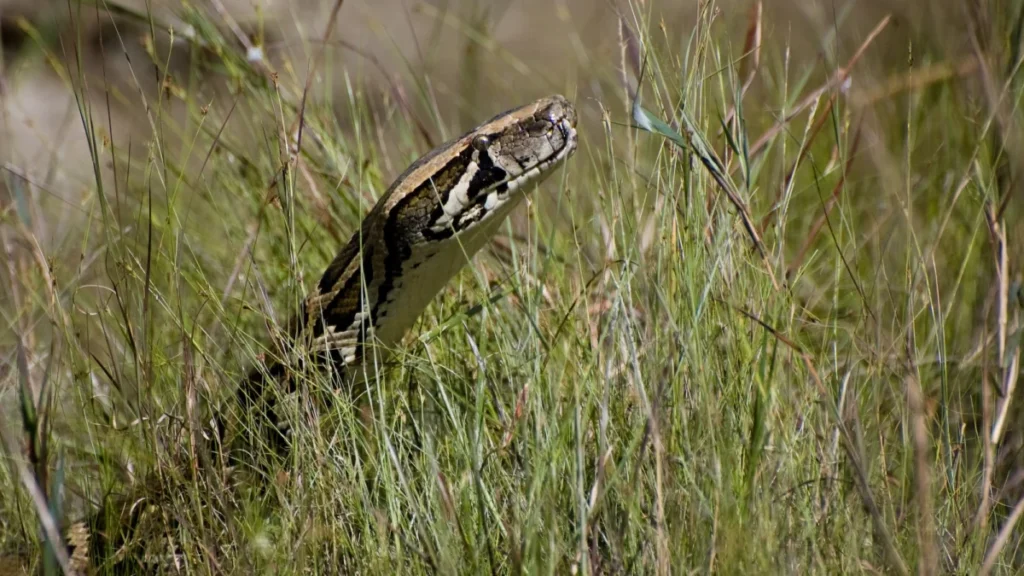
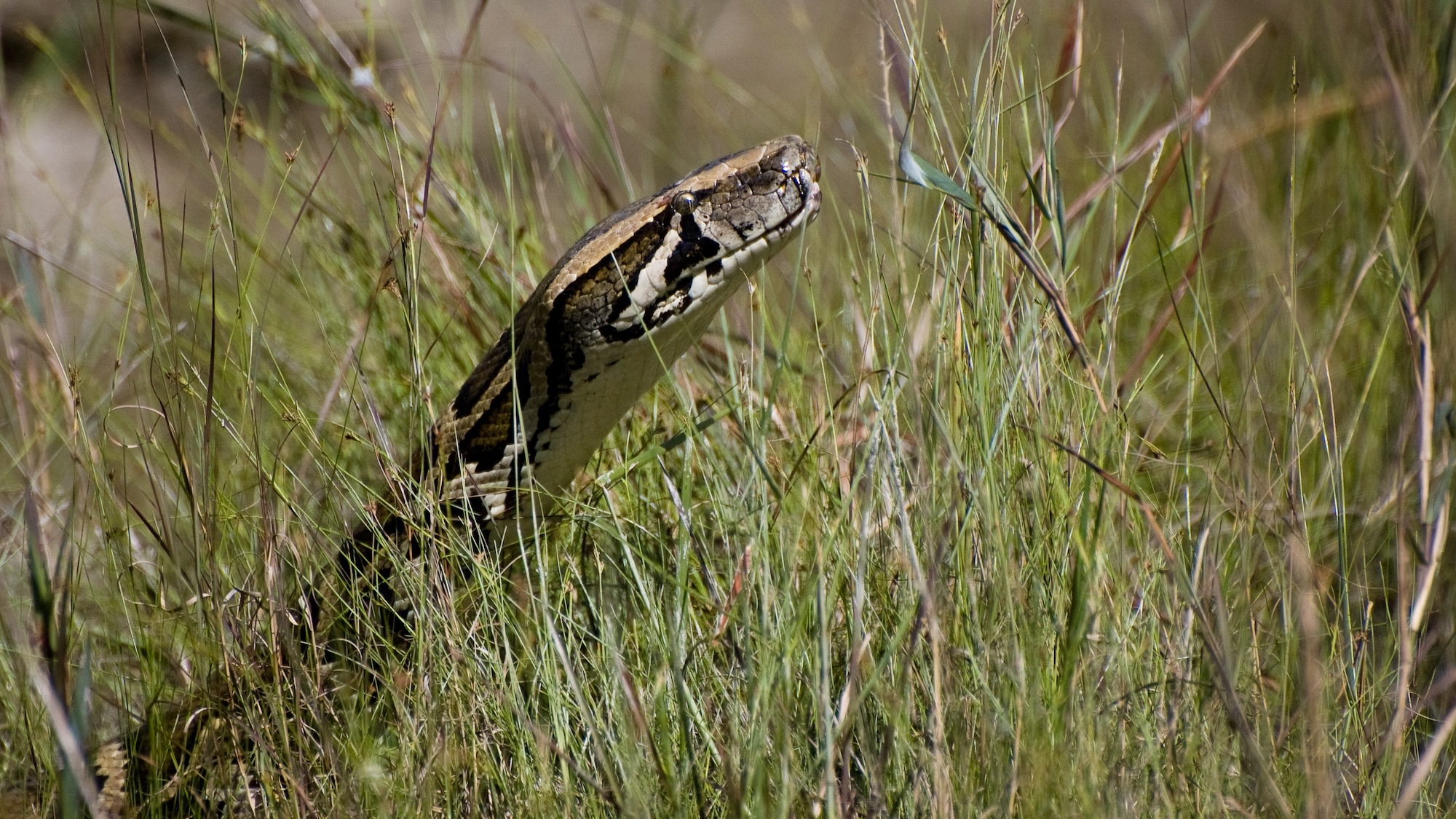
Everglades National Park officials, in collaboration with the Florida Fish and Wildlife Conservation Commission (FWC) and the South Florida Water Management District (SFWMD), have officially announced the commencement of the 2026 Florida Python Challenge. This annual conservation initiative, scheduled to take place from July 10 to July 19, serves as a high-profile component of the state’s multi-front war against the Burmese python (Python bivittatus), an apex predator that has fundamentally altered the ecological landscape of South Florida. For ten days, professional hunters and amateur conservationists will converge on the Greater Everglades Ecosystem with the shared goal of humanely removing as many of these invasive constrictors as possible to protect native biodiversity.
The challenge is designed to mobilize public participation in science-based invasive species management, offering a platform for civic engagement in one of the most significant environmental restoration projects in United States history. Participants are tasked with tracking, capturing, and humanely euthanizing pythons within designated areas, which include various state-managed lands and portions of the Big Cypress National Preserve. All captured snakes must be presented at designated check stations within 24 hours of capture to be measured and recorded for scientific data collection.
The Ecological Crisis of the Burmese Python
The presence of the Burmese python in Florida is widely regarded by biologists as one of the most difficult invasive species challenges in the world. Native to the jungles and marshes of Southeast Asia, these snakes were first introduced to the Florida wilds in the 1970s, primarily through the exotic pet trade. Many early introductions were the result of intentional releases by owners who found the snakes too large or difficult to manage, as an adult Burmese python can easily exceed 15 feet in length and weigh over 150 pounds.
The population exploded following Hurricane Andrew in 1992, which destroyed a python breeding facility near the Everglades, releasing an unknown number of snakes into the protected wetlands. With a subtropical climate that mirrors their native habitat and a lack of natural predators, the pythons established a breeding population that has since expanded across thousands of square miles. Conservationists currently estimate that between 100,000 and 300,000 pythons now inhabit the Everglades and surrounding regions.
The impact on native wildlife has been catastrophic. In areas where pythons are most concentrated, populations of small and medium-sized mammals have declined by as much as 90 to 99 percent. Species such as marsh rabbits, cottontail rabbits, and foxes have nearly vanished from certain regions of the Everglades. Even larger animals, including white-tailed deer and bobcats, have seen significant population drops. Occasionally, pythons have been documented preying on American alligators, signifying their status as a dominant apex predator capable of challenging the region’s traditional biological hierarchy.
Competition Structure and Regulatory Framework
The Florida Python Challenge is not a "free-for-all" hunt; it is a highly regulated event governed by strict safety and ethical guidelines. To participate, individuals must register through the official event website and complete a mandatory online training course. This curriculum focuses on species identification—ensuring that participants do not accidentally harm native snakes like the water moccasin or the protected indigo snake—as well as humane euthanasia techniques.
The FWC mandates that all pythons must be dispatched according to the American Veterinary Medical Association (AVMA) guidelines for the humane killing of reptiles. This typically involves "pithing," a process where the brain is destroyed quickly to ensure the animal does not suffer. The use of firearms is strictly prohibited during the challenge for safety reasons, and the use of dogs or other trained animals to track the snakes is also disallowed.
The competition is divided into several categories, including Professional, Novice, and Military (Active Duty and Veterans). This categorization ensures that experienced contractors are not competing directly against weekend enthusiasts, allowing for a broader distribution of prize money. In previous years, prizes have ranged from $1,000 for the longest snake in a category to a $10,000 grand prize for the participant who removes the most pythons overall.
Chronology of the Florida Python Challenge
The concept of a public python hunt began in 2013 as a way to raise awareness about the invasive species crisis. Following a second event in 2016, the challenge became an annual fixture in 2020 under the direction of Governor Ron DeSantis, who has prioritized Everglades restoration and invasive species removal as key pillars of his environmental policy.
- 2013: The inaugural "Python Challenge" draws roughly 1,600 participants but yields only 68 snakes, highlighting the difficulty of tracking the camouflaged predators in dense sawgrass.
- 2020: The event is formalized as an annual competition. Enhancements in training and mapping lead to higher yields.
- 2023: A milestone year for the program. A record 934 participants from 35 states, as well as Canada and Belgium, removed 209 pythons. The grand prize winner collected 20 snakes, while the longest snake measured 15 feet, 11 inches.
- 2025: The program continued to grow, with participants netting 294 pythons, a new record for the 10-day period.
The increasing numbers of snakes caught per event are seen by some as a sign of the program’s success in engaging the public, though biologists caution that it also reflects the sheer density of the python population in the region.
Official Responses and Scientific Objectives
Pedro Ramos, Superintendent of Everglades and Dry Tortugas National Parks, emphasized that while the competition has a public-facing, "sporting" element, its primary purpose is conservation. "Protecting Everglades National Park, one of the world’s most globally significant ecosystems, requires ongoing partnerships and community stewardship," Ramos stated. "By engaging the public in science-based invasive species management, we are able to raise awareness and strengthen support for conservation across South Florida."
The data collected at the check stations is invaluable to researchers. Each snake is weighed, measured, and its location of capture is logged. This allows the FWC to map the spread of the population and study the demographics of the snakes, such as the ratio of males to females and the presence of gravid (egg-carrying) females. Understanding the reproductive cycles and movement patterns of the pythons is essential for developing long-term eradication strategies that go beyond physical removal.
Beyond the 10-day challenge, the state of Florida employs year-round professional contractors through the FWC’s Python Action Team and the SFWMD’s Python Elimination Program. These professionals are paid an hourly wage plus a "bounty" based on the length of the snake. Since the inception of these professional programs in 2017, more than 13,000 pythons have been removed from the wild.
Broader Implications and Long-Term Management
The Florida Python Challenge is a single tool in a much larger toolbox of Everglades restoration. The Comprehensive Everglades Restoration Plan (CERP), a multi-billion-dollar federal-state partnership, aims to restore the natural flow of water through the "River of Grass." However, scientists warn that physical restoration of the habitat is insufficient if the food web is decimated by invasive species.
Innovations in management are currently being tested alongside traditional hunting. These include:
- The "Judas Snake" Program: Biologists fit male pythons with radio transmitters and release them. During the breeding season, these males lead researchers directly to large, reproductive females, which can then be removed along with their nests. A single female can lay between 50 and 100 eggs per year.
- Environmental DNA (eDNA): Researchers analyze water samples for traces of python DNA to detect the presence of the snakes in areas where they have not yet been visually confirmed.
- Infrared and AI: Experiments with drones equipped with thermal imaging and artificial intelligence are underway to help spot the cold-blooded reptiles against the slightly warmer background of the marsh.
The economic implications of the python invasion are also significant. The state spends millions annually on management and research, and the loss of native wildlife impacts the ecological tourism industry, which is a vital part of Florida’s economy. Furthermore, as pythons expand their range northward, there are growing concerns that they could threaten livestock and pets in more populated rural areas.
Analysis of the Challenge’s Impact
Critics of the Python Challenge sometimes argue that a 10-day event is a drop in the bucket compared to a population of hundreds of thousands. However, wildlife officials argue that the value of the event extends beyond the number of snakes removed. The challenge serves as a massive public relations tool, educating millions of people about the dangers of releasing non-native pets and the importance of protecting fragile ecosystems.
Moreover, every female snake removed during the challenge represents the prevention of hundreds of future offspring. The removal of nearly 300 snakes in 10 days, as seen in recent years, provides a localized reprieve for native prey species, giving them a window to breed and recover.
As the 2026 Florida Python Challenge approaches, the call to action remains clear. For the state of Florida, the event is a testament to the necessity of human intervention in the face of environmental imbalance. While the "war" against the Burmese python is far from over, the continued participation of the public ensures that the fight to save the Everglades remains a high priority for the state and the nation. Aspiring participants are encouraged to register early, as the training requirements and logistical preparations are significant for those hoping to claim the top prizes and contribute to the preservation of Florida’s natural heritage.