


A significant portion of American children are missing out on enriching summer experiences that foster learning, social connection, and outdoor engagement, according to a recent report by the Afterschool Alliance. The findings underscore a critical disparity in access to structured summer opportunities, with over half of the nation’s youth lacking participation due to financial and logistical barriers. This report, released on a Tuesday, paints a stark picture of a missed opportunity to combat summer learning loss and provide vital developmental experiences for millions of children.
The Afterschool Alliance’s "America After 3PM" survey data, collected between January 31 and April 21, 2025, from over 30,000 parents and guardians of school-aged children, reveals that 12.6 million children are not enrolled in any structured summer programming. This lack of access is particularly concerning given parents’ stated desires for their children to spend summers outdoors, away from screens, and engaged in learning and social activities. Instead, the reality for many is a summer characterized by inactivity or unsupervised time, contributing to a widening achievement gap.
The Persistent Challenge of Summer Learning Loss
The period between academic years, often referred to as the "summer slide," is a well-documented phenomenon where students, particularly those from disadvantaged backgrounds, experience a decline in academic skills. Without continued engagement, children can forget as much as a month’s worth of learning during the summer break. This regression disproportionately affects low-income students, exacerbating existing educational inequities. Structured summer programs, whether academic, recreational, or a blend of both, are crucial in mitigating this loss and ensuring students return to school in the fall ready to learn.
The Afterschool Alliance report highlights that parents overwhelmingly recognize the value of these programs. A significant 89% of surveyed parents expressed a preference for public funding for summer programming, a sentiment that has grown by 6 percentage points since 2009. This indicates a strong public mandate for increased investment in youth development opportunities during the summer months.
Barriers to Entry: Cost and Accessibility Remain Stumbling Blocks
Despite the clear benefits and parental desire for summer enrichment, significant hurdles prevent widespread participation. The America After 3PM survey identified cost as the primary barrier, with 38% of respondents citing financial constraints as the reason their child could not enroll in a summer program. This is closely followed by issues related to program location and transportation, reported by 18% of parents. Additionally, 13% of families struggled to find suitable programs, faced availability limitations in their communities, or found that program hours did not align with their work schedules.
The economic disparities are starkly evident in participation rates. Children from high-income families are three times more likely to be enrolled in summer programs compared to their peers from low-income families. This disparity underscores how socioeconomic status dictates access to crucial developmental experiences, perpetuating cycles of inequality.
Community and School Partnerships: A Model for Success
The report emphasizes the vital role that schools, in collaboration with community organizations, can play in bridging this access gap. The federal 21st Century Community Learning Centers (21st CCLC) program serves as a prime example of how such partnerships can yield positive outcomes. This program provides funding for before-school, afterschool, and summer learning initiatives, and evidence suggests it has helped students achieve measurable gains in math, reading, and language arts assessments.
Lindsey Blevins, extended learning coach and 21st Century Program director at Tuscaloosa City Schools in Alabama, shared insights into the success of their summer programming. Blevins attributes their robust offerings to state investments and dedicated funding for 21st CCLC. Furthermore, the city of Tuscaloosa’s local tax initiatives that specifically earmark funds for extended learning opportunities have been instrumental in building, growing, and sustaining their summer initiatives.
"For many students in Tuscaloosa, summer is where they discover their interests, their talents, and possibilities they may not even know exist yet," Blevins stated during a webinar hosted by the Afterschool Alliance. "We found that when students feel like their interests and voices matter, engagement changes completely."
Tuscaloosa’s summer curriculum is designed to be dynamic and student-centered, featuring activities such as coding, robotics, hands-on STEM projects, and visual and performing arts. Blevins highlighted that the district’s approach intentionally carves out space to design programming differently, with a strong focus on centering student voice and engagement. This philosophy ensures that the programs are not merely academic extensions but holistic developmental experiences.
Diverse Program Offerings and Provider Landscape
The survey data provides a snapshot of the types of summer programs currently available and utilized. In 2024, specialty camps or programs were the most common summer activity, engaging 67% of respondents. Voluntary summer enrichment activities followed at 49%, with optional summer school classes comprising 17%.
The landscape of program providers is diverse, with community-based organizations leading the charge in offering voluntary learning and enrichment programs (34%). City or town facilities and schools each contribute 32% in providing these crucial summer opportunities. This multi-faceted approach demonstrates a community-wide effort to support youth development, though the report implies that current offerings are still insufficient to meet the demand.
The Impact of Engaging Summer Experiences
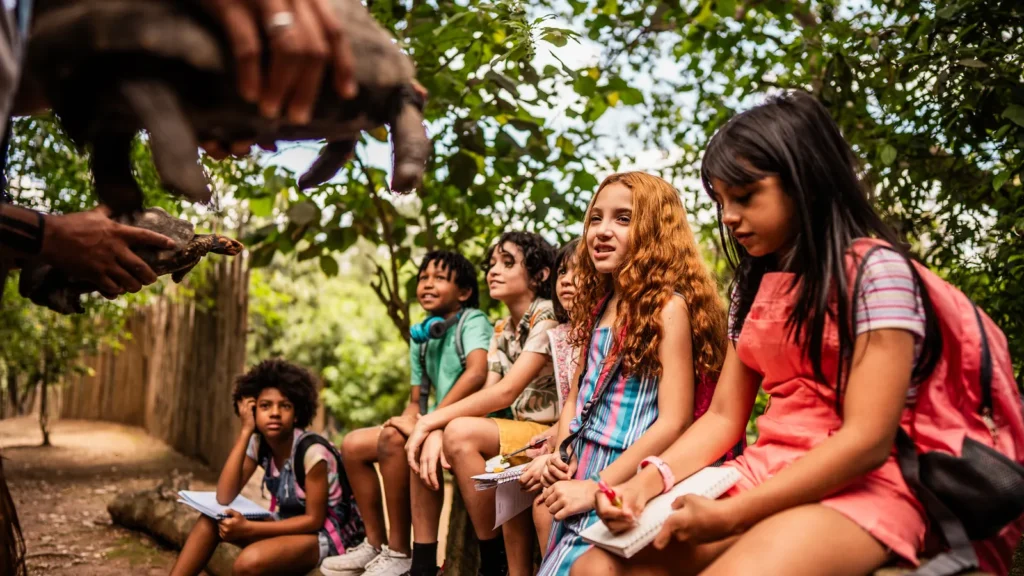
The positive impact of structured summer programs extends beyond academic retention. These environments foster critical social-emotional development, allowing children to build relationships, develop teamwork skills, and gain confidence. For many, summer programs offer a safe and nurturing space to explore new interests and discover hidden talents, as exemplified by Blevins’ observation about students in Tuscaloosa.
Carlos Gonzalez, Jr., Superintendent of Roma Independent School District in Texas, echoed this sentiment, describing their summer programs as highly engaging and impactful. "Our goal is for them to have fun, to enjoy the outdoors, but to learn in summer," Gonzalez explained. Students in their programs participate in field trips, interact with guest speakers from various career fields, and engage in activities like coding and fine arts, alongside daily math and reading instruction. The success of Roma ISD’s program is evident in the reported satisfaction levels, with "100% of our students, staff, and families are highly satisfied with the program."
Gonzalez emphasized that their program’s success is a testament to community collaboration. "It’s a community effort, a big family community effort that we’re just making it happen for the kids, and making learning fun." This collaborative spirit, fueled by grants, community organizations, and volunteers, is a vital ingredient in providing accessible and effective summer learning opportunities.
Recommendations for Future Investment
The Afterschool Alliance’s report concludes with a clear call for action: greater public and private investments in summer learning programs are essential. As Jodi Grant, executive director of the Afterschool Alliance, articulated during the webinar, parents desire safe summer experiences facilitated by caring staff, with an emphasis on reducing screen time, fostering social interaction, and encouraging outdoor activity. The sentiment is clear: parents are not looking for a mere extension of the school year, but rather a holistic and engaging summer experience that complements formal education.
The implications of addressing the summer learning gap are far-reaching. Investing in these programs can help reduce educational disparities, improve academic outcomes, foster healthier lifestyles by promoting outdoor activity, and equip young people with the skills and confidence they need to succeed in the future. By tackling the barriers of cost and accessibility, and by continuing to foster strong partnerships between schools and communities, the nation can move closer to ensuring that all children have the opportunity to experience a summer that is both fun and fundamentally enriching. The data presented by the Afterschool Alliance serves as a compelling argument for prioritizing these vital youth development initiatives in policy and funding decisions.