


A quiet revolution is unfolding in classrooms, demonstrating how the strategic elevation of student work can profoundly enhance learning, foster a vibrant community, and imbue students with invaluable confidence. Far from merely decorating classroom walls, this innovative pedagogical approach actively integrates student-created exemplars into daily instruction, transforming them into dynamic tools for teaching and affirmation. This methodology, championed by educators like Marcus Luther, moves beyond traditional grading as the sole measure of success, creating environments where every student’s voice is valued, and their contributions become catalysts for collective growth.
The Foundational Shift: From Passive Display to Active Learning Tool
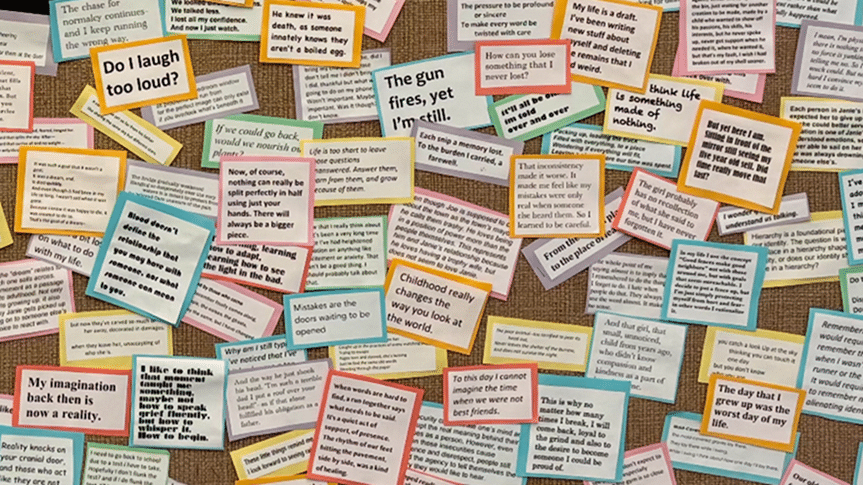
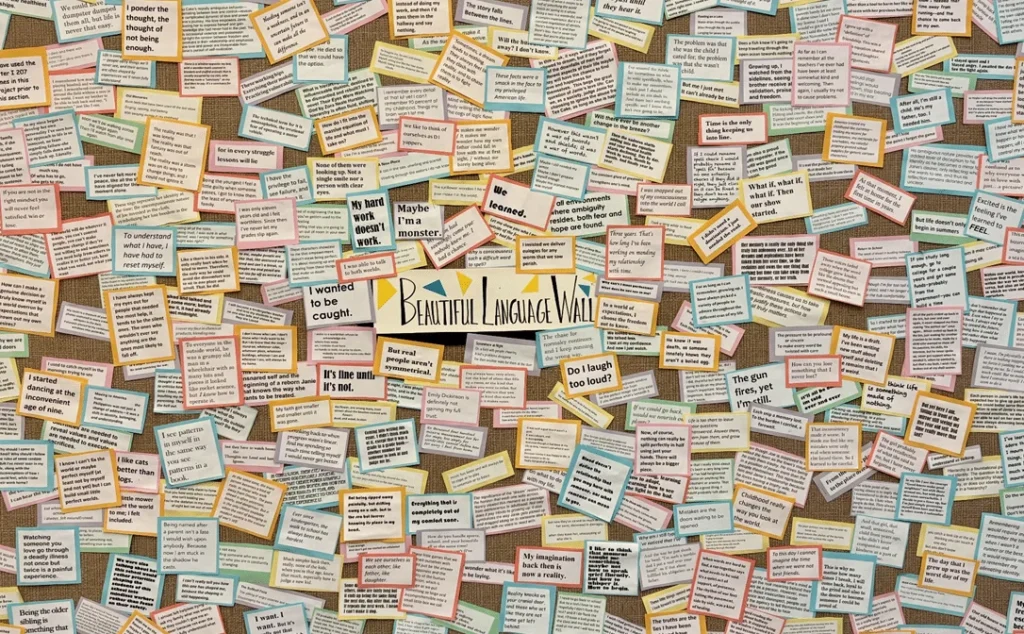
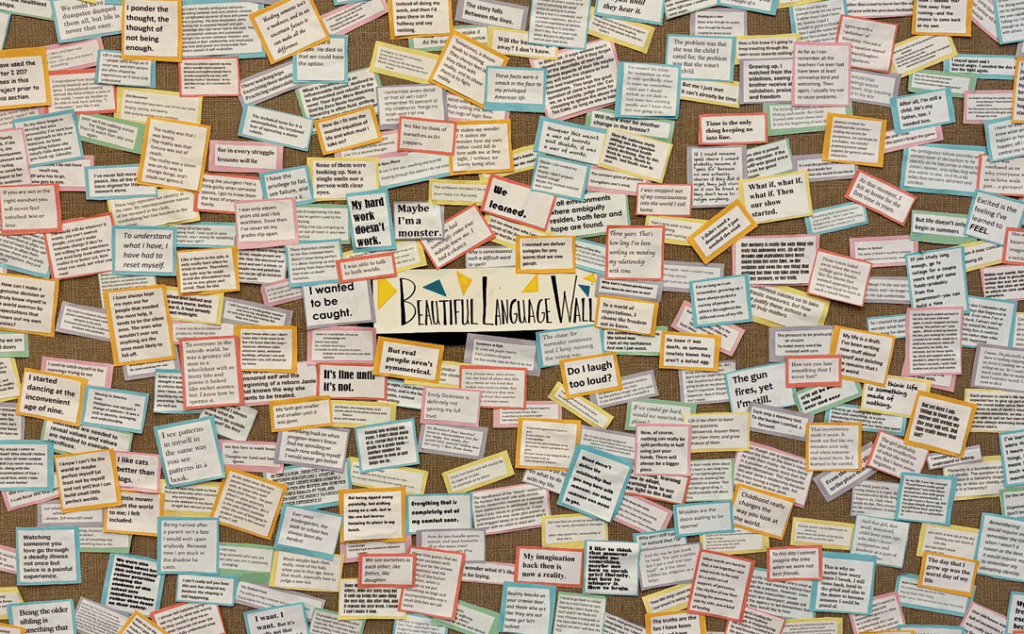
The practice begins with a seemingly simple concept: a "Beautiful Language Wall." Picture a bulletin board, initially blank, bearing only a small, unassuming placard. As the school year progresses, this space gradually fills with sentences and excerpts culled directly from student writing. These are not just exemplary pieces in the traditional sense, but specific instances of powerful language, insightful observations, or creative expression identified by the teacher. Crucially, each piece is displayed anonymously, removing the pressure of individual performance and shifting the focus to the quality of the work itself. This evolving display becomes a living testament to the collective talent within the classroom, drawing students in, sparking conversations, and fostering a sense of shared accomplishment.
This concept, inspired by educators such as Kelly Gallagher, has evolved from a simple display technique into a multifaceted instructional strategy. The true impact unfolds when these student-generated pieces transition from static wall art to interactive teaching instruments. By projecting a student’s sentence or paragraph for the entire class, teachers can deconstruct its strengths, highlight specific rhetorical moves, and use it as a springboard for discussion and emulation. This approach inherently legitimizes student voices, demonstrating that the highest forms of learning can originate from within their own community, rather than solely from external, published sources. Educational research consistently underscores the power of peer examples; studies by institutions like the Carnegie Foundation for the Advancement of Teaching have shown that students often find peer models more relatable and accessible than expert models, leading to greater engagement and perceived self-efficacy.
Beyond the Grade: Celebrating Specific Milestones in Writing
One of the most impactful strategies involves a deliberate shift in how success is defined and celebrated in the classroom. Traditional grading often presents a summative judgment, which, while necessary, can overshadow individual achievements within a larger assignment. By contrast, educators are increasingly adopting methods to identify and celebrate "specific wins" throughout the writing process.
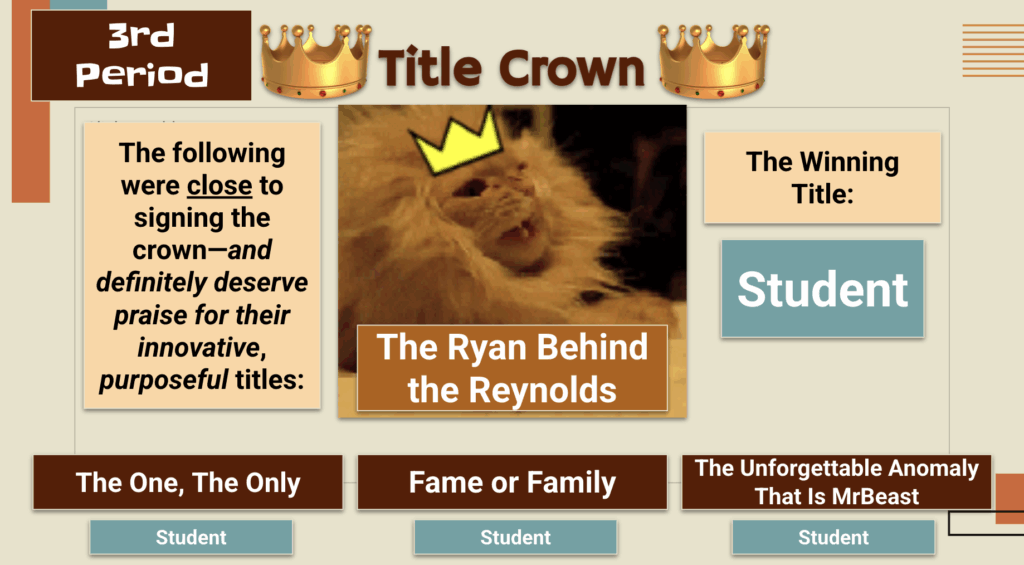
Consider the "title crown" initiative, where students are recognized for specific excellences in their essays, such as the best title, the most compelling opening, a particularly eloquent sentence, or the strongest closing. During feedback sessions, the teacher projects these anonymized examples, explaining precisely why each piece stands out. The student responsible for the top choice in each category then gets to symbolically "sign the crown," a physical token of their achievement. This seemingly small gesture carries significant weight. For students who may struggle with overall academic performance, receiving specific recognition for a creative title or a strong opening can be a powerful motivator. A student’s enthusiastic "YES!" upon seeing their title celebrated, as described by Luther, illustrates the profound psychological impact of such affirmation.
This targeted recognition aligns with principles of growth mindset theory, popularized by Carol Dweck, which emphasizes praising effort, strategy, and specific achievements rather than innate ability. When students understand that their specific efforts are seen and valued, they are more likely to persevere and take risks in their writing. Data from educational psychology journals indicates that specific, actionable feedback, especially when positive, significantly boosts student self-efficacy and intrinsic motivation. It reframes the learning process, allowing students to see their work not as a pass/fail endeavor, but as a series of opportunities for improvement and celebration of incremental progress.

Interactive Engagement: Students as Critics and Learners
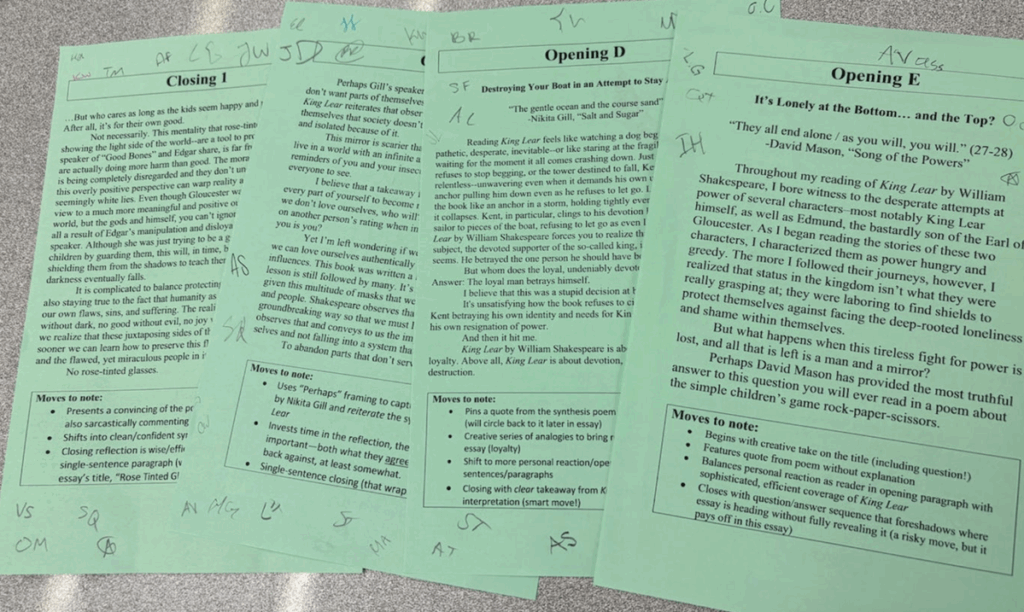
The evolution of student exemplar integration further involves transforming these examples into tangible, interactive tools. Following a challenging assignment, such as a complex synthesis essay, teachers can curate a selection of anonymized student openings and closings. These excerpts, augmented with teacher commentary highlighting "moves to note" (specific rhetorical or stylistic strengths), are then displayed around the classroom in a gallery walk format.
Students engage with these exemplars by circulating the room, analyzing their peers’ work, noting effective strategies, and leaving their initials on pieces that particularly resonate. This activity serves multiple critical functions:
- Peer Learning and Inspiration: Students gain exposure to a diverse range of successful approaches, often discovering techniques they hadn’t considered. The examples are relatable, coming from their peers, which often makes the learning feel more attainable.
- Critical Analysis and Metacognition: By actively dissecting what makes an opening or closing effective, students develop a more sophisticated understanding of writing craft. They learn to identify successful strategies and apply them to their own future work.
- Affirmation and Validation: For students whose work is featured, seeing their peers’ initials and the teacher’s positive commentary provides powerful validation. It reinforces that their "risks" in writing were worthwhile and successful. One student’s reflection, "I am proud of the risks I took and my ability to insert my own voice into my essay when the thought of that terrified me at first," perfectly encapsulates this dual benefit of increased skill and heightened confidence.
This interactive approach supports principles of social constructivism, where learning is seen as a social process, and knowledge is co-constructed through interaction with others and with meaningful artifacts. By making student work central to this interactive process, educators empower students to become active participants in their own learning and the learning of their community.
The Collective Voice: Weaving Individual Narratives into a Shared Tapestry
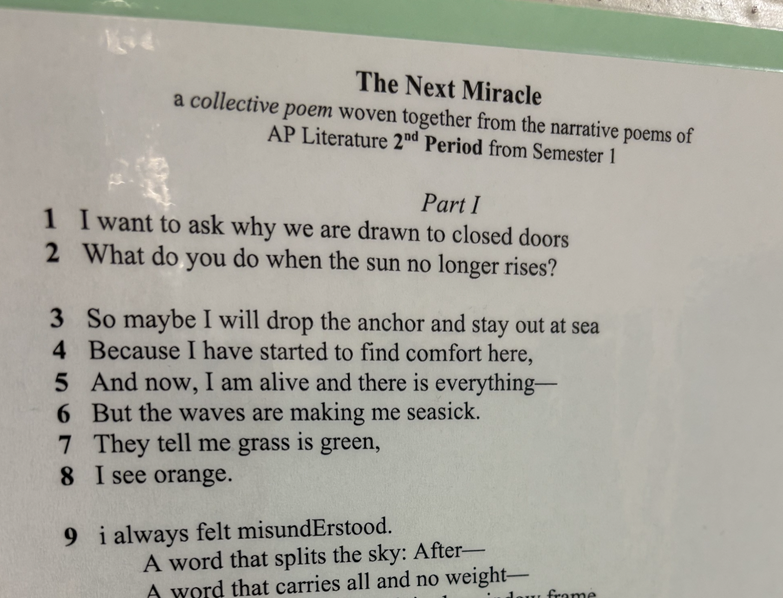
Perhaps the most poignant application of centering student exemplars is the creation of a "collective poem." After students have completed individual narrative poems, the teacher meticulously selects at least one line from each student’s work, weaving them together into a single, cohesive poem. This composite piece is then presented to the class, often through a shared reading where each student reads one line aloud.
The revelation that the "new" poem is, in fact, a mosaic of their own and their classmates’ words often elicits a powerful, emotional response. Whispers of "Hey, I wrote that" quickly give way to a collective understanding: "We wrote this." This exercise transcends a mere academic activity, fostering a profound sense of belonging and mutual recognition. It visibly demonstrates that every individual contribution, no matter how small, is integral to the fabric of the community.
As one student reflected, "It shows how each person, aware or not, is given a spot to be, which seems pretty meaningful to me. The poem truly became a symbol of the community we created." This strategy directly addresses the crucial need for social-emotional learning (SEL) in schools, cultivating empathy, collaboration, and a strong sense of identity within a supportive group. In an educational landscape often marked by competition, creating a shared artifact from individual contributions fosters solidarity and collective pride, confirming that "each person offering a piece of their story to make a community" is a powerful model for learning and life.
Implications in an AI-Driven Educational Landscape
The urgency of these pedagogical strategies has only intensified with the advent of advanced artificial intelligence (AI) tools like ChatGPT. The widespread accessibility of AI capable of generating sophisticated text raises fundamental questions about the future of writing instruction and the authenticity of student work. In this evolving context, the traditional emphasis on detecting plagiarism or grading a final product becomes increasingly complex.
Educators are now challenged to redefine what "meaningful writing" truly entails. Centering student exemplars offers a vital pathway forward by:
- Valuing Authentic Voice: By consistently highlighting and celebrating unique student expressions, teachers implicitly elevate original thought and personal style, making it clear that AI-generated conformity is not the desired outcome. The specific, often idiosyncratic, brilliance of student writing becomes a benchmark.
- Building Confidence in Self-Expression: When students see their own words celebrated and used as teaching tools, they are empowered to trust their unique perspectives and voices. This intrinsic motivation to share their "own stories" becomes a powerful counter-narrative to the temptation of AI-generated content.
- Fostering a Culture of Ownership: When students’ work is visible, discussed, and collectively built upon, it instills a sense of ownership and pride that AI cannot replicate. The "Beautiful Language Wall," the "title crown," the interactive gallery walks, and the collective poem all reinforce that the work produced in the classroom is genuinely theirs.
Educational leaders and researchers worldwide are grappling with the implications of AI on academic integrity and learning outcomes. Strategies that emphasize process, iteration, authentic voice, and community-based learning are emerging as essential countermeasures. By explicitly valuing and showcasing student-generated content, educators make a powerful statement about their core values. This emphasis on human creativity, critical thinking, and genuine expression is not merely a pedagogical choice but a philosophical stance crucial for preparing students for a world where distinguishing between human and machine output will become increasingly important.
Conclusion: A Lasting Legacy of Empowerment
The practice of centering student exemplars transcends a mere teaching technique; it is a philosophy that redefines the relationship between students, their work, and their learning community. From a constantly evolving "Beautiful Language Wall" to the interactive analysis of peer writing and the emotionally resonant "collective poem," these strategies create a rich tapestry of learning where every student’s contribution is visible, valued, and vital.
This approach offers concrete benefits: it improves writing skills through exposure to diverse models, enhances critical thinking through peer analysis, and significantly boosts student confidence by providing specific, genuine affirmation. More profoundly, it cultivates a strong sense of belonging, making students feel seen, heard, and integral to their classroom community. In an era marked by the complexities of digital tools and the enduring need for human connection, choosing to center student writing is a powerful expression of educational values—a commitment to nurturing authentic voices, fostering deep learning, and building resilient, self-assured learners. It is, now more than ever, an indispensable practice for shaping the future of education.