


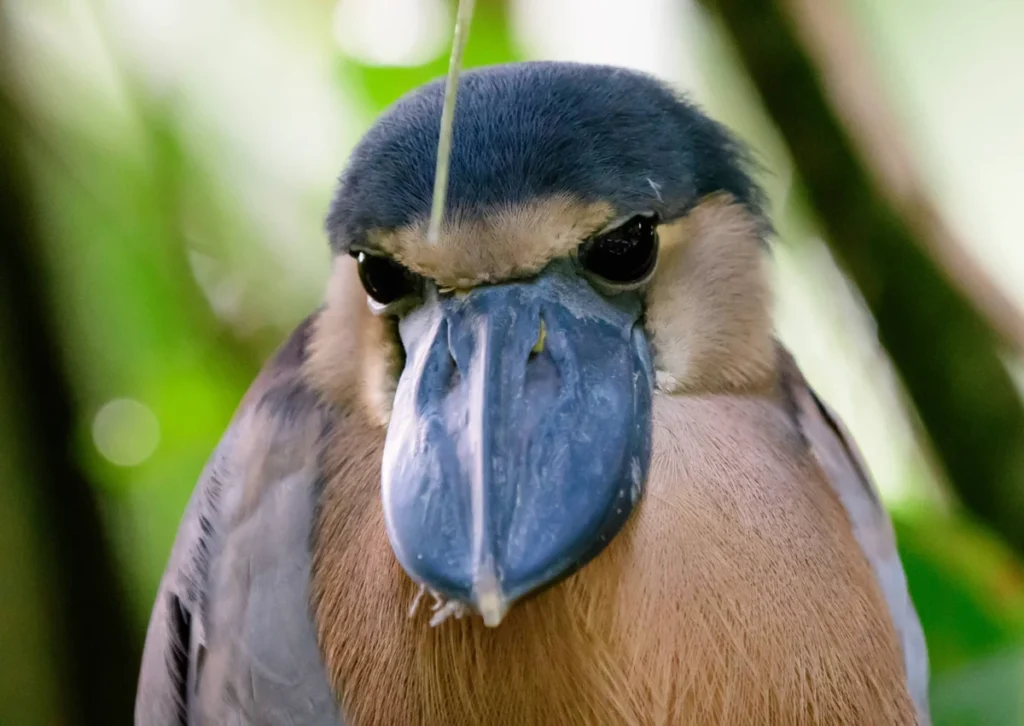
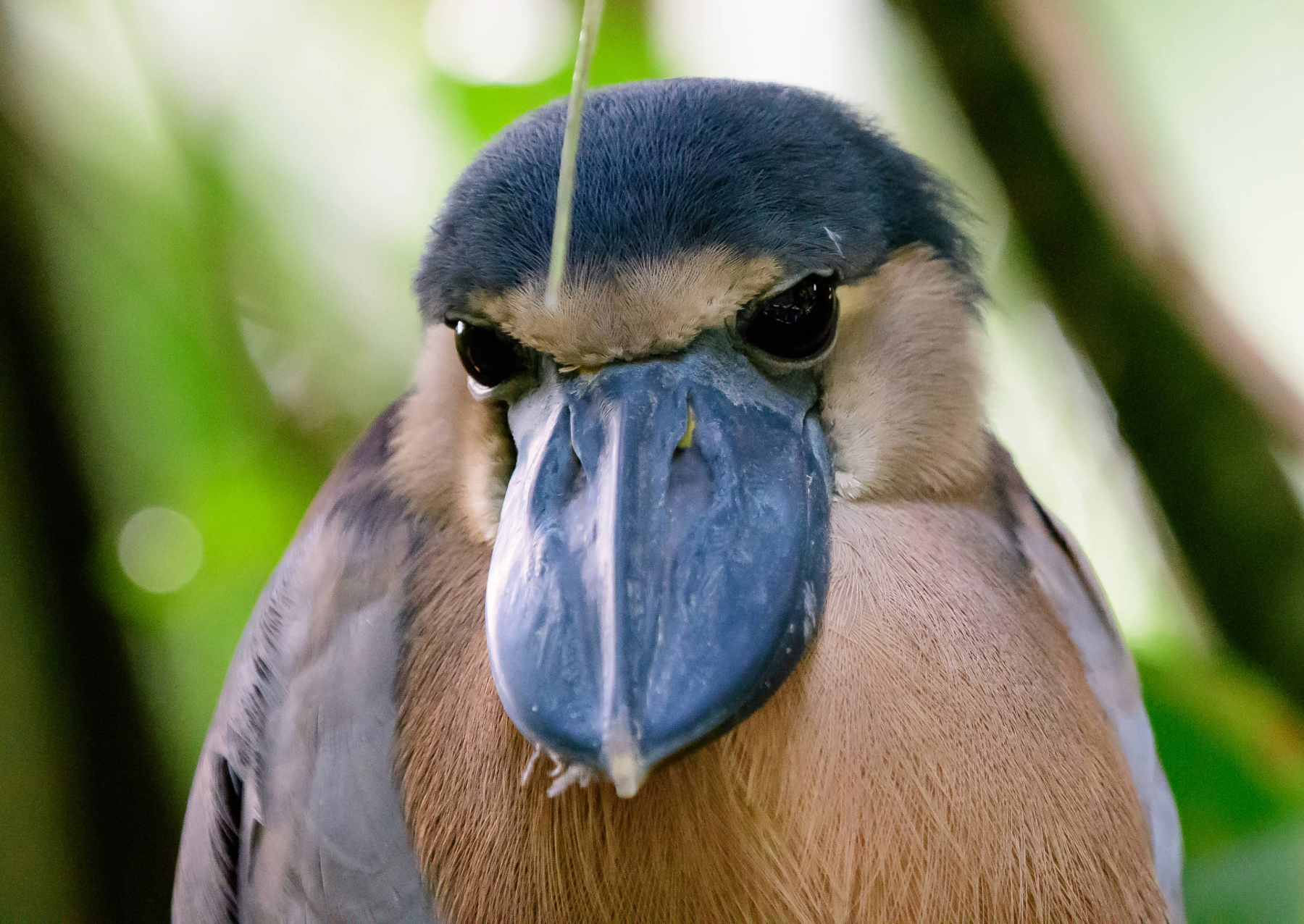
The boat-billed heron, scientifically known as Cochlearius cochlearius, represents one of the most striking departures from the traditional silhouette of the Ardeidae family. While the common perception of a heron involves a bird defined by an elongated, needle-like neck and a sharp, rapier-style beak designed for precision stabbing, the boat-billed heron offers a radical alternative in avian engineering. Characterized by a stocky frame, a disproportionately large head, and a massive, broad bill resembling the inverted hull of a ship, this species challenges the aesthetic norms of its lineage. Found primarily in the dense mangroves and freshwater lagoons of Mexico, Central America, and South America, the boat-billed heron is a nocturnal specialist whose unique biological adaptations provide a window into the complex evolutionary pressures of tropical wetland ecosystems.
Anatomical Specialization and the Mechanics of the Bill
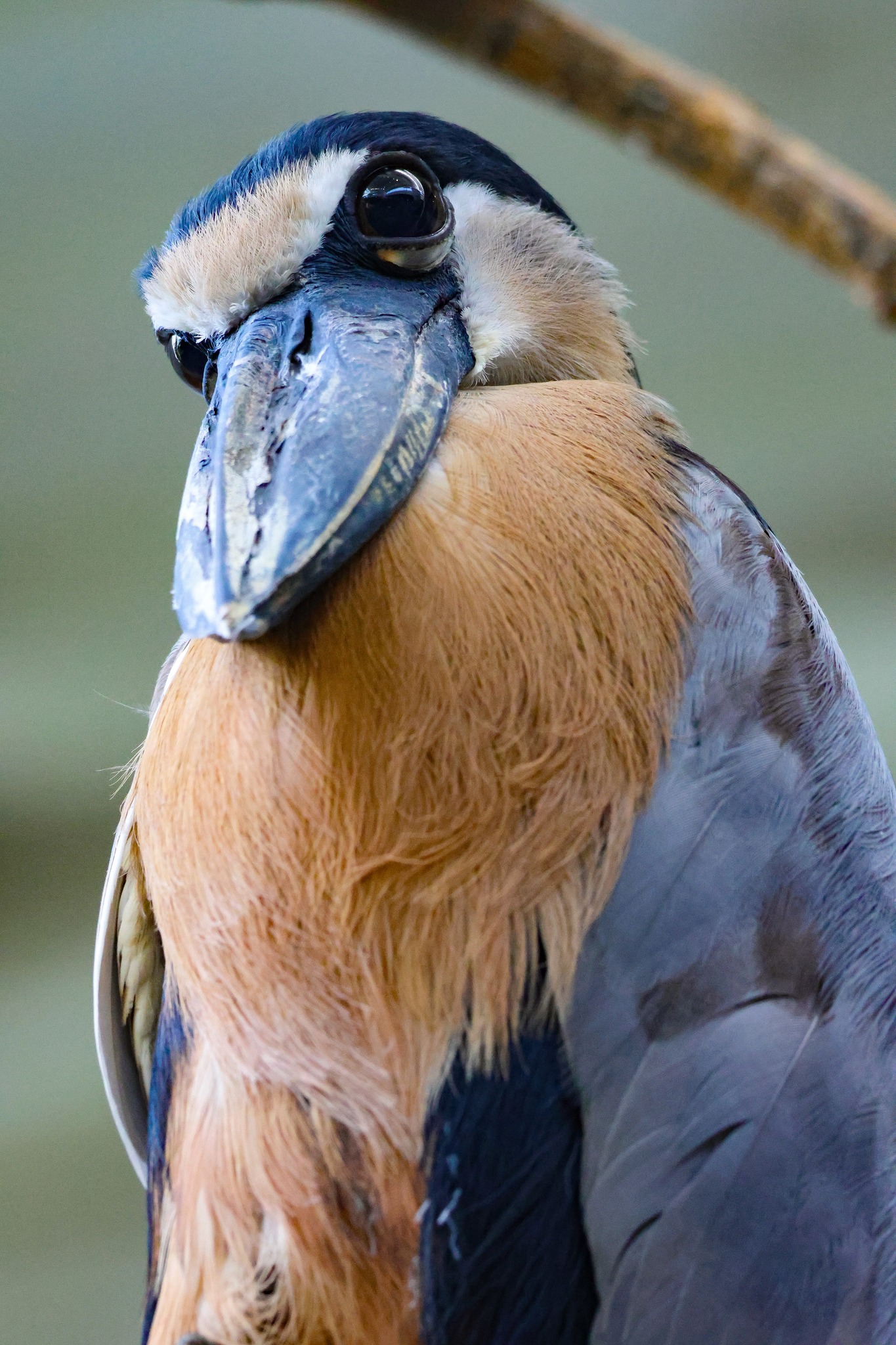
The most defining feature of Cochlearius cochlearius is undoubtedly its namesake bill. Unlike the slender, pointed bills of the Great Blue Heron or the Snowy Egret, the boat-billed heron’s appendage is exceptionally wide and relatively flat. This anatomical divergence is not merely aesthetic; it is a highly specialized tool for tactile foraging. The bill is equipped with a high density of sensory receptors that allow the bird to detect movement in murky or pitch-black waters.
Ornithologists note that the feeding strategy of the boat-billed heron differs significantly from its cousins. While most herons are "sit-and-wait" predators that use a rapid-fire neck extension to impale fish, the boat-billed heron utilizes a "scooping" or "shoveling" motion. This allows it to capture a diverse array of prey, including crustaceans, small fish, amphibians, and large aquatic insects. The width of the bill increases the surface area for potential contact, making it an efficient trap in the low-light environments where the bird thrives.
Supporting this specialized hunting tool are the bird’s eyes. The boat-billed heron possesses large, dark, globular eyes that are specifically adapted for nocturnal vision. These eyes allow the bird to navigate the tangled roots of mangrove forests and identify prey in near-total darkness. The combination of tactile bill sensitivity and enhanced light-gathering capabilities places the species in a unique ecological niche, reducing direct competition with diurnal herons that occupy the same geographic territories.
Taxonomic History and Evolutionary Lineage
The classification of the boat-billed heron has historically been a subject of debate among taxonomists. For many years, its distinct morphology led some researchers to place it in its own family, Cochleariidae. However, modern genetic analysis and skeletal comparisons have firmly established it as a member of the Ardeidae family, though it remains within its own monotypic genus, Cochlearius.
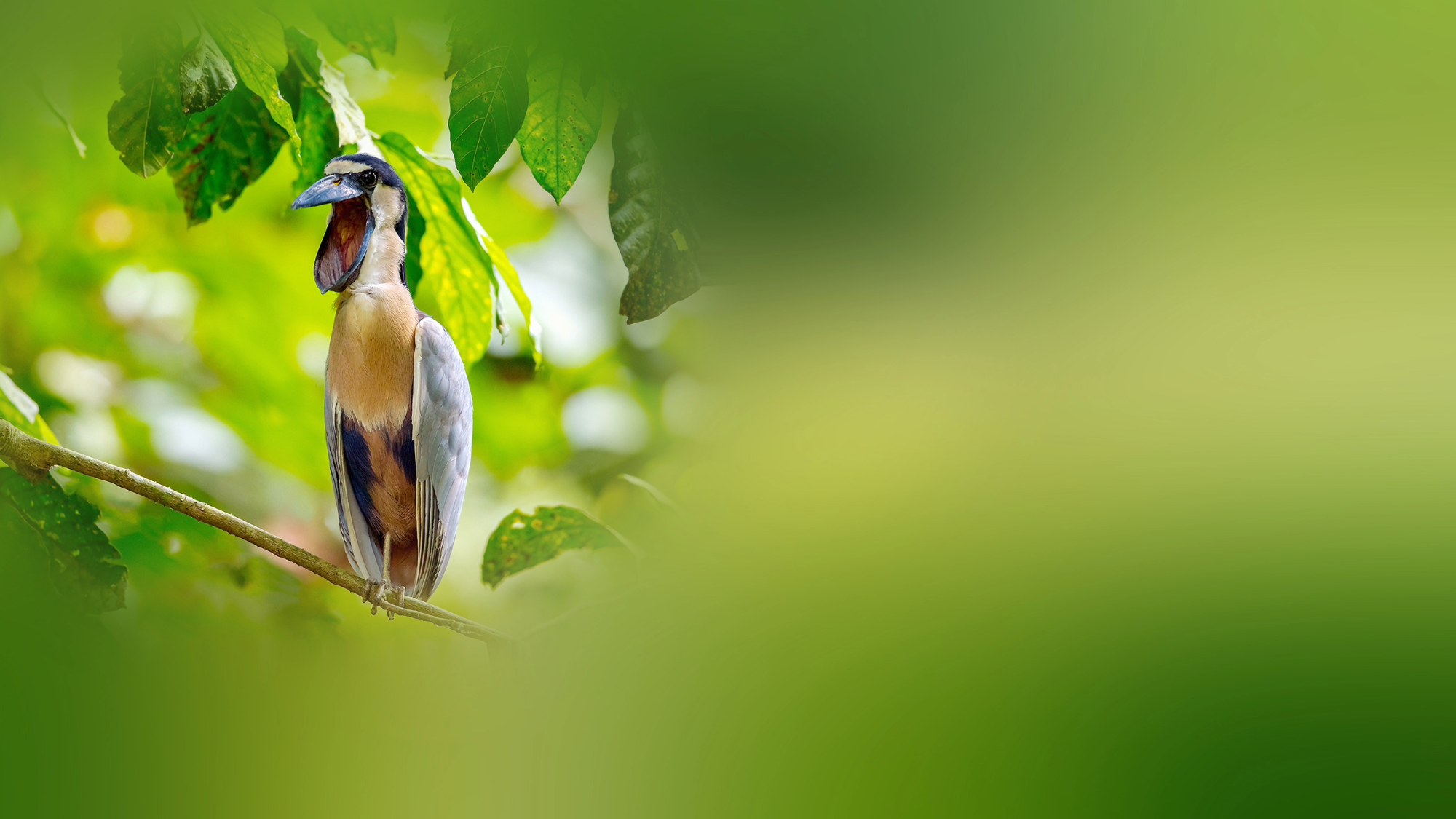
Evolutionary biologists suggest that the boat-billed heron’s unique features are the result of long-term isolation in tropical forest environments. While other herons evolved for life in open marshes and grasslands—where long necks and legs provide a vantage point—the boat-billed heron adapted to the enclosed, shadowed corridors of tropical swamps. In these environments, a long, flexible neck is less of an advantage than a powerful, sensitive bill and the ability to maneuver through thick vegetation.
Habitat and Geographic Distribution
The range of the boat-billed heron is extensive but specialized, stretching from the coastal regions of Mexico through the Isthmus of Panama and deep into the Amazon Basin of South America. They are strictly non-migratory birds, remaining in their established territories throughout the year. Their preferred habitats include mangrove swamps, salt marshes, and the densely forested banks of slow-moving freshwater rivers.
In these regions, the birds are often found perched in the mid-canopy or hidden within the prop roots of red mangroves during the day. Because they are primarily nocturnal, they spend the daylight hours in a state of relative inactivity, often in small, loose groups. However, as dusk approaches, these groups disperse, and the herons become solitary hunters. This shift in social behavior is a strategic adaptation to ensure that individuals do not compete for the same localized food sources during their peak activity periods.
Reproductive Cycles and Social Dynamics
While solitary in their foraging habits, boat-billed herons exhibit complex social behaviors during the breeding season. They are known to be monogamous for the duration of the mating period, a trait that ensures both parents contribute to the high-energy demands of raising chicks. Breeding typically coincides with the onset of the rainy season, which triggers an abundance of aquatic prey necessary for feeding the young.
The nesting process is a collaborative effort. Nests are constructed from sticks and twigs, usually situated in trees overhanging the water to provide a degree of protection from terrestrial predators. A typical clutch consists of two to four eggs, which are incubated by both the male and the female.
One of the most remarkable aspects of boat-billed heron biology is the condition of the hatchlings. Unlike many other water birds that are precocial (able to move and feed shortly after hatching), boat-billed heron chicks are altricial. They are born blind and entirely dependent on their parents for warmth and nutrition. For a period of six to eight weeks, the parents engage in a rigorous feeding schedule, regurgitating semi-digested food into the mouths of the chicks. This extended period of parental care is crucial, as the specialized bill of the species takes significant time to develop the structural integrity and sensory sensitivity required for independent hunting.
Communication and the "Hand-Clap" Vocalization
The boat-billed heron is also distinguished by its unique vocal repertoire. Unlike the harsh, prehistoric croaks associated with the Great Blue Heron, the boat-billed heron produces sounds that have been described by field researchers as remarkably similar to human hand claps. These "popping" or "clapping" sounds are produced by the rapid snapping of the bill.
This acoustic signaling serves multiple purposes. During the breeding season, it is used as a form of courtship and pair-bonding communication. It also serves as a territorial warning; when a boat-billed heron feels its nesting site or foraging area is being encroached upon by a rival, it will initiate a series of loud bill-snaps to signal its presence and intent. This non-vocal communication is particularly effective in the dense, humid air of a mangrove forest, where high-pitched vocalizations might be muffled by the foliage.
The Mechanism of Powder Down
A fascinating but often overlooked biological feature of the boat-billed heron is its "powder down" feathers. Most birds maintain their plumage through the application of oil from a preen gland located at the base of the tail. However, herons—and specifically the boat-billed variety—possess specialized feathers that never molt in the traditional sense. Instead, the tips of these feathers continuously crumble into a fine, talc-like powder.
The bird uses its bill and feet to spread this powder across its plumage. This serves two vital functions: waterproofing and cleaning. In the humid, muddy environments of the tropical wetlands, the powder helps the bird shed water and remove fish slime or organic debris from its feathers. This self-cleaning mechanism is essential for maintaining the insulation and aerodynamic properties of the wings, especially for a bird that spends its life in high-moisture environments.
Conservation Status and Environmental Pressures
According to the International Union for Conservation of Nature (IUCN) Red List, the boat-billed heron is currently classified as a species of "Least Concern." This status is attributed to its wide geographic range and the fact that it does not currently meet the thresholds for "Vulnerable" or "Endangered" status. However, this classification belies a more troubling trend: the overall population of the boat-billed heron is in decline.
The primary threat to the species is habitat loss. Mangrove ecosystems, which are the heron’s primary sanctuary, are among the most threatened habitats globally. Coastal development, the expansion of shrimp farming, and the impacts of climate change—specifically rising sea levels—are rapidly encroaching upon the specialized environments these birds require.
The plight of the boat-billed heron stands in stark contrast to other members of its family. For example, the White-bellied heron (Ardea insignis) of the Himalayas is currently listed as Critically Endangered, with fewer than 250 individuals remaining in the wild. Similarly, the Great White heron (Ardea occidentalis) faces significant regional threats. While the boat-billed heron is not yet at a crisis point, its declining numbers serve as a bio-indicator of the health of the tropical wetlands.
Broader Impact and Ecological Implications
The existence of the boat-billed heron is a testament to the diversity of the Ardeidae family and the power of evolutionary adaptation. By diverging from the standard heron blueprint, this species has managed to colonize niches that are inaccessible to its more "elegant" relatives. Its role as a nocturnal predator helps maintain the balance of wetland ecosystems by controlling the populations of crustaceans and small fish that might otherwise overgraze aquatic vegetation.
The preservation of the boat-billed heron is inextricably linked to the preservation of the world’s mangroves and tropical river systems. As an apex predator within its specific micro-habitat, the health of its population reflects the health of the entire food web. For scientists and conservationists, the boat-billed heron is more than just a "funny-looking" bird; it is a vital component of tropical biodiversity and a reminder that in the natural world, specialized adaptation is often the key to survival.
As environmental pressures continue to mount, the continued monitoring of Cochlearius cochlearius will be essential. Ensuring that this unique avian architect continues to thrive in the shadows of the mangroves is not just a matter of species preservation, but a commitment to maintaining the intricate tapestry of the planet’s most productive ecosystems. Through further research and habitat protection, the distinct "clapping" of the boat-billed heron may continue to echo through the tropical nights for generations to come.