



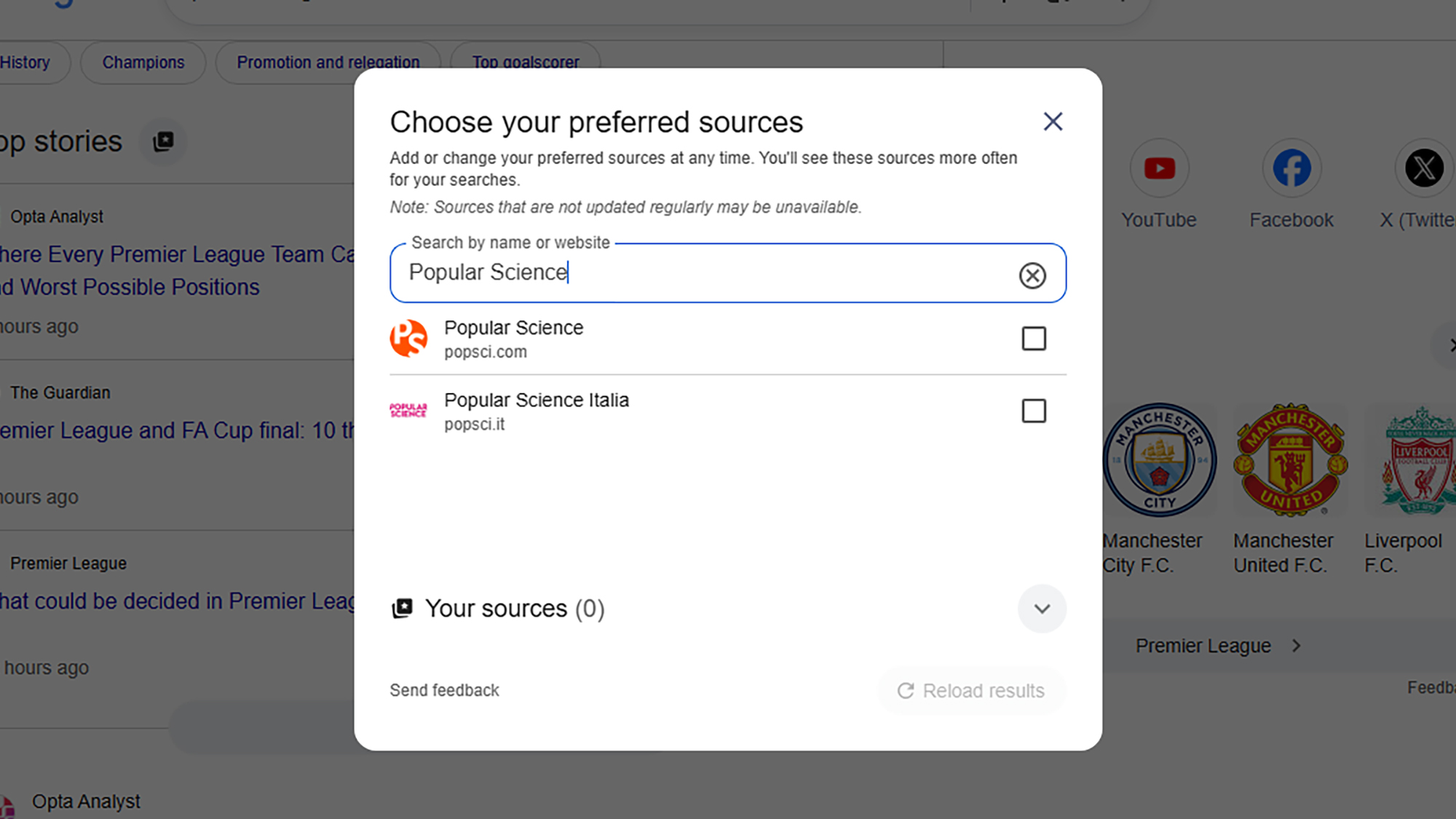
Google has introduced a significant update to its search and news aggregation ecosystem, allowing users to explicitly define their preferred news sources to influence the content surfaced in "Top Stories" and the dedicated News tab. This transition represents a pivot from purely algorithmic curation toward a hybrid model that prioritizes user agency, enabling individuals to elevate specific publishers like the New York Times, CNN, or Popular Science within their personal search results. When a user searches for a trending topic, Google traditionally utilizes a complex array of signals to determine which headlines appear in the prominent "Top Stories" carousel; however, the new "preferred sources" feature grants users the ability to ensure their trusted outlets receive higher visibility regardless of the standard ranking factors.
The mechanism for establishing these preferences is integrated directly into the search results page. When a topical query triggers the "Top Stories" box, a small icon featuring overlapping rectangles and a plus symbol appears next to the heading. Clicking this icon opens a configuration dialog where users can search for and select specific news organizations. Once a source is added, Google’s systems are instructed to display content from that publisher more frequently, provided the outlet has published relevant and recent coverage on the search topic. This functionality is also accessible via a direct URL at google.com/preferences/source, providing a centralized dashboard for managing news consumption habits.
The Evolution of Google News and Personalization
To understand the significance of this update, it is necessary to examine the chronology of Google’s involvement in news aggregation. Google News was originally conceived in the wake of the September 11 attacks, when Google researcher Krishna Bharat realized the difficulty of finding disparate news perspectives in a centralized location. Launched in beta in September 2002 and officially in January 2006, the service initially relied on a lead-story algorithm that ranked articles based on how many other news sites linked to them and the reputation of the publisher.
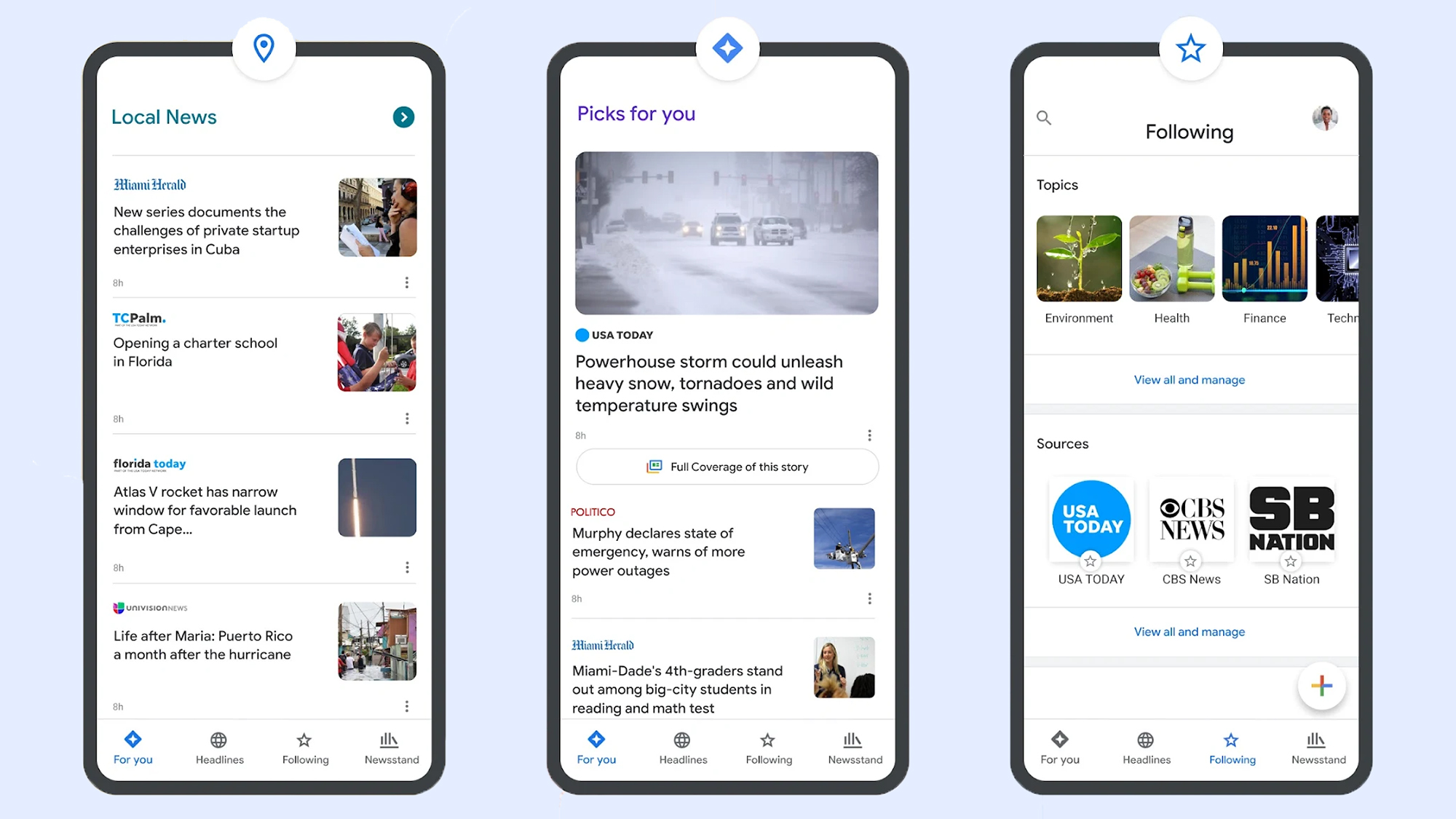
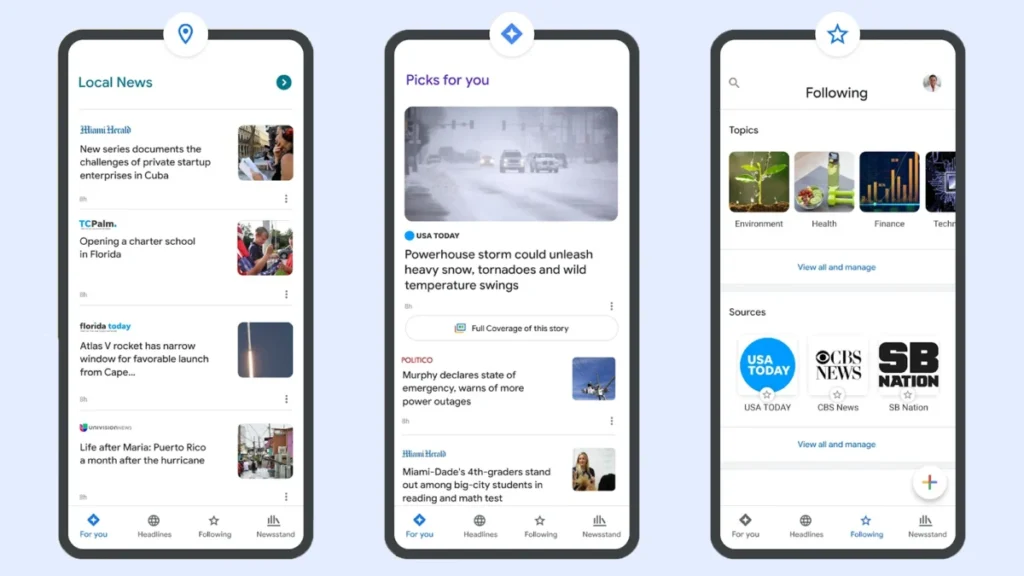
Over the subsequent two decades, the platform underwent several transformative shifts. In 2018, at the Google I/O developer conference, the company announced a massive overhaul that integrated artificial intelligence and machine learning to "organize the news" for users. This introduced the "For You" tab, which utilized browsing history and location data to predict user interests. However, the reliance on automated personalization led to industry-wide concerns regarding "filter bubbles," where users are only exposed to information that aligns with their existing biases. The current introduction of manual "preferred sources" is viewed by many analysts as a response to these concerns, offering a transparent way for users to consciously curate their information streams rather than relying solely on opaque AI decisions.
Technical Implementation and Algorithmic Weighting
The process of setting preferred sources does not entirely override Google’s core ranking algorithms, but it adds a significant "weight" to the selected publishers. Google’s search engine utilizes a framework known as E-E-A-T—Experience, Expertise, Authoritativeness, and Trustworthiness—to evaluate news content. When a user designates a preferred source, the system looks for a match between that source’s output and the user’s search intent. If the preferred publisher has an article that meets the basic relevance and quality thresholds, the algorithm will prioritize it over a theoretically "higher-ranked" article from a non-preferred source.
There are currently no stated limits on the number of preferred sources a user can add. This allows for a diverse range of perspectives, including national outlets, niche scientific journals, and local community websites. The inclusion of local news is a particularly vital aspect of this feature. As local journalism faces economic headwinds, users often find regional reporting buried under national headlines. By manually selecting a local news site as a preferred source, users can ensure that regional developments remain at the forefront of their news feed.
Integration Between Search and the Google News App
While the feature is primarily managed through Google Search, its effects extend into the dedicated Google News application and web portal. The sources selected via the search interface automatically populate the "Following" tab within the Google News app for Android and iOS. This synchronization ensures a consistent cross-platform experience. However, there are currently functional discrepancies between the two interfaces. As of mid-2024, users can add or remove preferred sources through Search, but the Google News app primarily offers the ability to "follow" topics or "hide" specific publishers entirely.
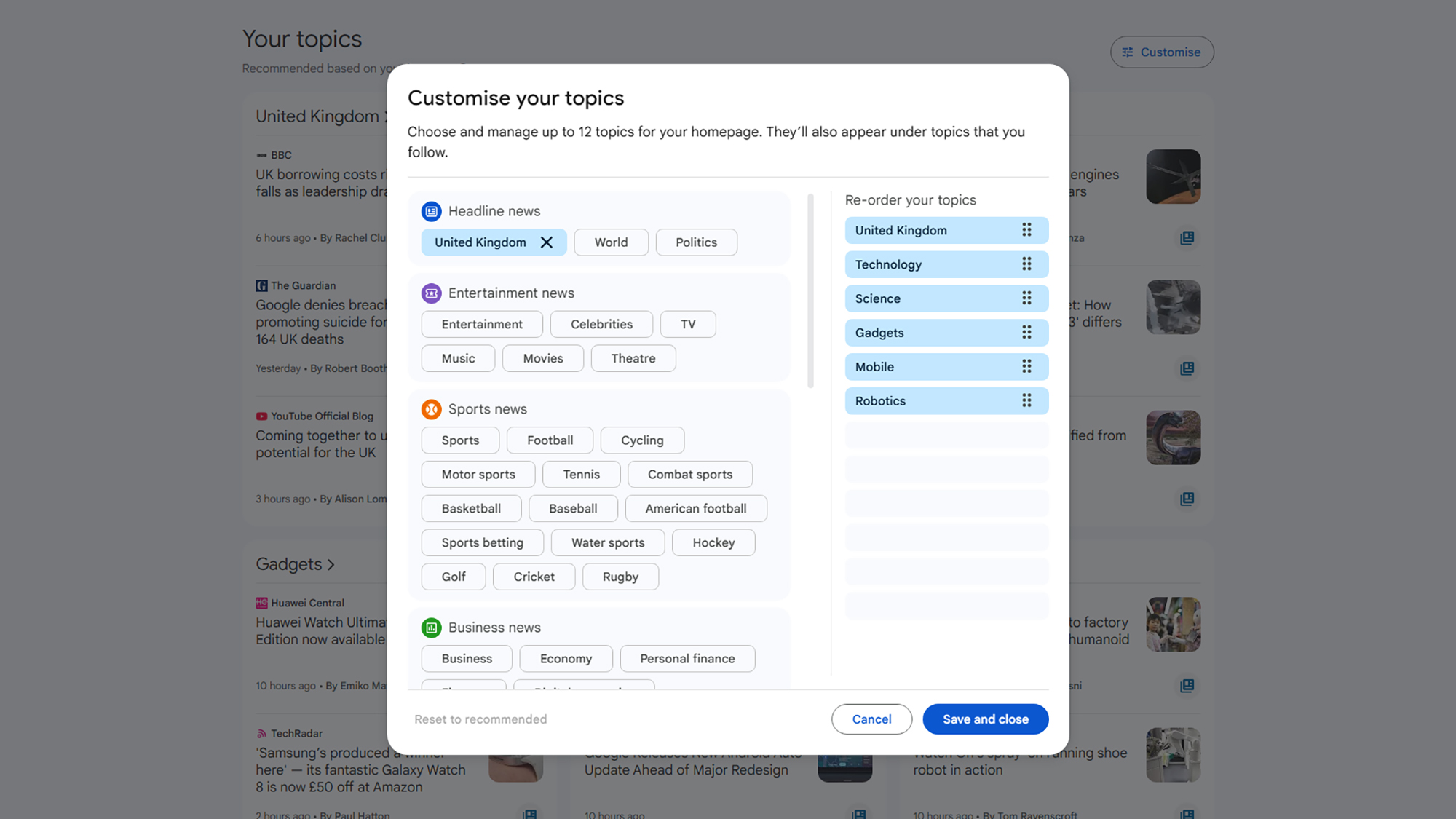
In the Google News app, users can further refine their experience by clicking the "Customize" button within the "Your Topics" section. This allows for the adjustment of broad categories such as technology, business, or sports. While "preferred sources" prioritize who is telling the story, "topic customization" prioritizes what the story is about. Together, these tools provide a granular level of control that was previously unavailable to the average consumer.
Publisher Reactions and the Digital Badge Trend
The media industry has responded to this feature by actively encouraging readers to add their publications as preferred sources. Many digital publishers have begun integrating "Add as a preferred source on Google" badges directly into their article templates. This strategy is designed to bypass the volatility of standard search engine optimization (SEO). In an era where algorithm updates can lead to sudden drops in traffic, establishing a direct "preferred" relationship with a reader acts as a safeguard for audience retention.
For publishers, the benefit is twofold: it increases the likelihood of appearing in the "Top Stories" box and strengthens brand loyalty. When a user takes the manual step of adding a site to their preferences, they are signaling a high level of trust. This signal is invaluable to Google, which seeks to provide the most "helpful" content to its users. Market analysts suggest that this shift could lead to a "follow economy" similar to social media, where the success of a news outlet is measured not just by clicks, but by the number of users who have "favorited" them within the Google ecosystem.
Broader Implications for Information Literacy and the Media Landscape
The ability to set preferred sources carries significant implications for how society consumes information. On one hand, it empowers users to support high-quality journalism and local reporting. On the other, critics argue it could potentially reinforce echo chambers if users only select sources that reflect their specific political or social viewpoints. However, Google maintains that the standard "Top Stories" algorithm still functions to provide a baseline of diverse perspectives, and the "Full Coverage" feature—which shows how different outlets are reporting the same story—remains a core component of the News tab.
From a data perspective, the move provides Google with a wealth of information regarding user trust. By aggregating data on which sources are most frequently added as "preferred," Google can refine its broader understanding of publisher authority. If a specific outlet is overwhelmingly selected as a favorite by a certain demographic, that data point may eventually influence the global ranking of that site for similar users who have not yet set their own preferences.
Chronology of Recent Updates to Google News Preferences
- May 2023: Google begins testing a revamped "Top Stories" interface with more prominent customization icons.
- Late 2023: The "Preferred Sources" dialog box is rolled out to a majority of English-speaking markets, allowing for manual entry of publishers.
- Early 2024: Integration between Search preferences and the Google News "Following" tab is finalized, ensuring cross-device synchronization.
- Mid-2024: Major digital publishers begin implementing "Add to Google" call-to-action buttons on their mobile and desktop sites.
Future Outlook for Curated Search
Looking forward, the integration of generative AI into search—via Google’s Search Generative Experience (SGE)—is expected to further complicate the news landscape. As AI-generated summaries become more prevalent at the top of search results, the "Top Stories" carousel and preferred sources will serve as a vital link back to the original human-authored journalism that feeds these AI models. Industry experts anticipate that Google may eventually allow users to prioritize preferred sources not just for news, but for general web searches, product reviews, and educational content.
The shift toward user-defined preferences marks a maturing of the digital news ecosystem. It acknowledges that while algorithms are efficient at processing vast amounts of data, they cannot fully replicate the personal trust a reader places in a specific editorial voice. By providing the tools to bridge the gap between automated curation and manual selection, Google is attempting to create a more sustainable and user-centric model for digital news consumption. For the user, the message is clear: the quality of the news feed is now, more than ever, a matter of personal configuration. Ensuring that favorite publishers are correctly registered in the system is the most effective way to maintain a high-quality, relevant, and trustworthy information stream in an increasingly crowded digital world.