



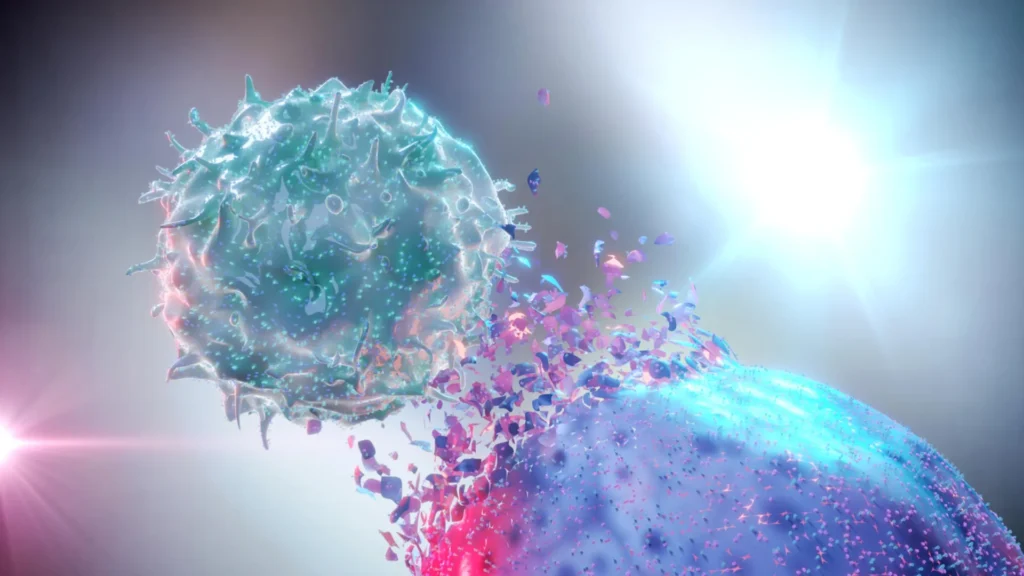
Natural killer (NK) cells stand as crucial sentinels within the body’s innate immune system, acting as a first line of defense against a myriad of internal and external threats. These specialized lymphocytes are adept at identifying and eliminating invading microbes, foreign materials, and cells that have become damaged or infected, thereby curtailing the spread of potential harm early in its progression. NK cells operate dynamically, circulating through the bloodstream to monitor systemic health or residing strategically within specific tissues and organs to provide localized protection. A significant decline in their numbers can severely impair immune function, leaving an individual more vulnerable to a spectrum of illnesses, from common infections to more serious conditions.
In an era marked by escalating rates of anxiety disorders and insomnia, conditions demonstrably known to disrupt healthy immune activity, researchers in Saudi Arabia have delved into the intricate relationship between these psychological and sleep disturbances and NK cell levels in a particularly vulnerable demographic: young female students. Their compelling findings, which illuminate a tangible biological consequence of these widespread conditions, were recently published in the esteemed journal Frontiers in Immunology, sparking important conversations about mental health’s profound impact on physiological well-being.
The Study’s Core Revelations: A Decline in Immune Vigilance
The investigation, spearheaded by a team from Taibah University, uncovered a clear correlation between symptoms of anxiety and insomnia and reduced NK cell counts. Dr. Renad Alhamawi, assistant professor of immunology and immunotherapy at Taibah University and the study’s first author, articulated the key discoveries: "We found that in students with insomnia symptoms, count and percentage of total NK cells and their sub-populations were declined. Students with general anxiety symptoms, on the other hand, had a lower percentage and number of circulatory NK cells and their sub-populations, compared to symptom-free students." This distinction highlights that while insomnia appears to affect the broader NK cell population, anxiety’s impact was particularly pronounced on those cells actively circulating in the bloodstream, ready to respond to threats.
Understanding Natural Killer Cells: The Immune System’s First Responders
To fully appreciate the gravity of these findings, it is essential to understand the multifaceted role of NK cells. Unlike T and B cells, which require specific antigen presentation to activate, NK cells are part of the innate immune system, meaning they can recognize and destroy target cells without prior sensitization. This makes them critical for immediate responses to viral infections and early tumor surveillance.
NK cells are broadly categorized into two main subgroups based on the expression levels of surface markers CD16 and CD56:
- CD16+CD56dim cells: These constitute the vast majority (approximately 90%) of NK cells found in the peripheral blood. They are primarily cytotoxic, meaning their main function is to directly kill target cells, such as those infected with viruses or cancerous cells. They achieve this by releasing cytotoxic granules containing perforin and granzymes, which induce apoptosis (programmed cell death) in the target cell.
- CD16+CD56high cells: This less common subgroup, comprising about 10% of peripheral NK cells, is characterized by its robust cytokine production. Rather than direct cytotoxicity, these cells specialize in releasing a variety of proteins, such as interferon-gamma (IFN-$gamma$) and tumor necrosis factor-alpha (TNF-$alpha$), which act as chemical messengers. These cytokines play a crucial role in regulating other immune cells, coordinating broader immune responses, and influencing inflammation.
Both subgroups are considered circulatory NK cells, constantly patrolling the body for anomalies. A reduction in either, or both, can therefore compromise the immune system’s ability to either directly eliminate threats or effectively orchestrate a broader immune defense.
The Global Context: Rising Tide of Anxiety and Insomnia
The study’s focus on anxiety and insomnia is particularly pertinent given the global rise in mental health challenges. According to the World Health Organization (WHO), anxiety disorders are the most common mental disorders worldwide, affecting millions. Similarly, insomnia, defined as persistent difficulty with sleep initiation, duration, consolidation, or quality, despite adequate opportunity for sleep, is a pervasive public health issue. Surveys consistently show that a significant portion of the adult population, particularly young adults and students, report symptoms of insomnia. The pressures of academic life, social media, economic uncertainties, and global events have all been implicated in this upward trend.
In university settings, students frequently grapple with demanding academic schedules, financial burdens, social adjustments, and future career anxieties, creating a fertile ground for the development of both anxiety and sleep disturbances. This context underscores the importance of the Saudi Arabian study, which shines a light on the specific biological ramifications within this highly susceptible demographic.
Methodology and Participant Profiles: A Glimpse into Student Health
The research involved 60 young female students, aged between 17 and 23 years, a demographic group increasingly recognized for experiencing a disproportionate rise in anxiety and sleep problems. Each participant underwent a rigorous data collection process that included three comprehensive questionnaires: one gathering sociodemographic information, and two others specifically designed to assess symptoms related to anxiety and insomnia. It is crucial to note that reports of anxiety and sleep disturbance were self-described, a common and valid method in epidemiological studies, though it can sometimes be subject to subjective interpretation.
The survey results painted a concerning picture of the students’ mental and sleep health. Approximately 53 percent of the participants reported sleep difficulties consistent with insomnia, indicating that more than half of the student cohort struggled with adequate rest. Even more striking was the prevalence of anxiety symptoms, reported by a substantial 75 percent of the students. Within this group, a significant proportion experienced more severe forms of anxiety, with approximately 17 percent falling into the moderate category and 13 percent reporting severe symptoms. These figures highlight the pervasive nature of these challenges within the student community.
Beyond self-reports, blood samples were meticulously collected from each participant. These samples were then analyzed to measure the different types of NK cells, providing objective biological data to correlate with the subjective questionnaire responses. This dual approach allowed the researchers to establish a concrete link between reported psychological states and measurable immunological changes.
Anxiety and Insomnia’s Tangible Impact on NK Cell Levels
The detailed analysis of the blood samples yielded clear and concerning results. Students who reported symptoms of anxiety exhibited a statistically significant reduction in both the percentage and the absolute number of circulatory NK cells, encompassing both the cytotoxic CD16+CD56dim and cytokine-producing CD16+CD56high subtypes, when compared to their symptom-free peers.
Furthermore, the severity of anxiety emerged as a critical factor. Students classified with moderate or severe anxiety symptoms displayed a notably more pronounced reduction in the percentage of circulatory NK cells. In contrast, those with minimal or mild anxiety symptoms showed only a small, statistically insignificant decrease, suggesting a dose-response relationship between anxiety severity and immune suppression. The study also revealed a complex interplay between the two conditions: among students already experiencing insomnia symptoms, higher anxiety scores were independently associated with a lower proportion of total peripheral NK cells, indicating a potential synergistic detrimental effect when both conditions are present.
Mechanisms of Immune Compromise: The Stress-Immunity Axis
The link between psychological stress, sleep deprivation, and immune function is not new, but this study provides direct evidence of its impact on specific immune cell populations. Chronic stress activates the hypothalamic-pituitary-adrenal (HPA) axis, leading to sustained elevated levels of cortisol, a potent immunosuppressive hormone. Cortisol can directly inhibit the proliferation and activity of immune cells, including NK cells. Similarly, sleep deprivation disrupts the delicate balance of cytokines and hormones, leading to a pro-inflammatory state and impaired immune responses. It also affects circadian rhythms, which are known to regulate immune cell trafficking and function. The reduction in NK cell numbers observed in this study aligns with a broader understanding of how these physiological pathways can undermine the body’s natural defenses.
Broader Health Implications: A Weakened Shield
The consequences of a decline in NK cells extend far beyond a theoretical immunological impairment. A weakened NK cell armory directly translates to a diminished immune performance, significantly increasing an individual’s susceptibility to a range of health issues. This includes a heightened likelihood of infectious diseases, as NK cells are vital in fighting off viral and bacterial invaders. Moreover, their role in immune surveillance means a reduction can increase the risk of cancer progression, as early cancerous cells might evade detection and elimination.
Beyond physical ailments, there’s a recognized bidirectional relationship between immune dysfunction and mental health conditions, such as depression. Chronic inflammation, often a byproduct of immune dysregulation, is increasingly implicated in the pathophysiology of mood disorders. "Understanding how these psychological stressors influence the distribution and activity of immune cells, especially peripheral NK cells, may provide valuable insights into the mechanisms underlying inflammation and tumorigenesis," Dr. Alhamawi explained, underscoring the study’s potential to inform our understanding of complex disease pathways.
Limitations and the Call for Broader Research
While the findings are significant, the researchers were quick to acknowledge certain limitations of their study. The most prominent constraint was the demographic specificity: only young female participants were included. Although this group was deliberately chosen due to the disproportionate increase in anxiety and sleep problems they face, this narrow focus inherently limits the generalizability of the results to other populations.
The research team strongly emphasized the critical need for future studies that encompass a wider range of ages, sexes, and diverse geographic regions. Such comprehensive investigations are essential to develop a more complete and nuanced understanding of how anxiety and insomnia universally influence NK cell levels and function across the global population. This broader data will be invaluable for formulating inclusive public health strategies.
Lifestyle Measures and the Crucial Role of Stress Management
The insights gleaned from this study reinforce a growing body of evidence that links mental well-being and lifestyle choices directly to physical health and immune robustness. Previous research has consistently demonstrated that healthy habits can significantly bolster NK cell levels and performance. These include engaging in consistent physical activity, which has immunomodulatory effects; actively managing and lowering stress levels through practices like mindfulness, meditation, or therapy; and adhering to a balanced, nutrient-rich diet that supports overall cellular health.
Despite the known benefits of these interventions, the pervasive nature of anxiety and insomnia can create a vicious cycle. These conditions can profoundly interfere with normal biological processes throughout the body, including crucial immune responses. Over time, this chronic interference can contribute to the development and progression of various chronic and inflammatory diseases. "Such impacts ultimately compromise overall health and quality of life," concluded Dr. Alhamawi, succinctly capturing the far-reaching implications of untreated mental health and sleep disorders.
Implications for Public Health and Education
The findings of this Saudi Arabian study carry significant implications for public health initiatives and educational institutions worldwide. Given the high prevalence of anxiety and insomnia among young female students, as highlighted by the study’s own participant profiles, there is an urgent need to prioritize mental health and sleep hygiene support within academic environments.
Educational institutions could consider implementing more robust counseling services, stress-reduction programs, and flexible academic policies that acknowledge the impact of mental health on student performance. Public health bodies could launch awareness campaigns targeting young adults about the biological consequences of chronic stress and poor sleep, encouraging proactive engagement with mental health resources. Furthermore, healthcare providers should be equipped to screen for anxiety and insomnia and offer comprehensive management plans that integrate both psychological and physiological health aspects, recognizing the undeniable link between the mind and the body’s immune defenses. This holistic approach is vital for fostering resilient individuals and healthier communities in the face of modern-day stressors.