


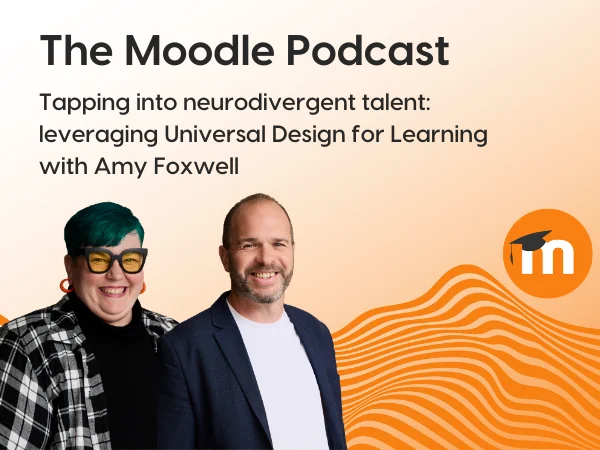
Moodle, a leading open-source learning platform, is championing a paradigm shift in educational design, advocating for inclusive learning environments that cater to the unique needs of every individual. This commitment was recently highlighted in a Moodle Podcast episode featuring Amy Foxwell from ReadSpeaker, a Moodle Certified Integration partner. The discussion centered on the profound advantages of neuro-inclusive design and its alignment with Universal Design for Learning (UDL) principles, emphasizing a proactive approach to creating educational experiences that benefit all learners, not just those with diagnosed neurodivergences.
The core tenet of this approach, as articulated by Foxwell and discussed in the podcast, is that "variability is the norm." This challenges the traditional educational model that often assumes an "average learner" and then attempts to retroactively accommodate those who deviate from this norm. Instead, Moodle and its partners are advocating for the inherent design of learning platforms and content to be flexible and interactive from the outset, ensuring a broad spectrum of learners can engage effectively. This proactive stance moves away from a reactive model, where accommodations are often seen as add-ons, towards an integrated design philosophy that embraces diversity as a foundational element.
Background: The Evolution of Inclusive Design in Digital Learning
The conversation on neuro-inclusive design is not new, but its integration into mainstream digital learning platforms is gaining significant momentum. Historically, accessibility in digital spaces has focused on addressing specific disabilities, such as visual or auditory impairments. However, research and practice have increasingly demonstrated that many accessibility features, initially designed for specific groups, offer broader benefits. This phenomenon, often referred to as the "curb-cut effect," draws a parallel to physical accessibility ramps, which were initially intended for wheelchair users but have since proven beneficial for parents with strollers, individuals with temporary injuries, and delivery personnel.
In the digital realm, the "curb-cut effect" is evident in tools like text-to-speech. While originally developed to assist visually impaired learners, these tools are now recognized for their value to individuals with dyslexia, ADHD, language processing differences, and even to learners who simply prefer an auditory learning style or are multitasking. This highlights a crucial insight: designing for inclusivity often leads to universally improved learning experiences.
The Moodle Podcast Episode: Unpacking Neuro-Inclusion
The Moodle Podcast episode, titled "Tapping into Neurodivergent Talent: Leveraging Universal Design for Learning with Amy Foxwell," delves deeper into these concepts. Shalimar and Dan, the podcast hosts, engage with Foxwell to explore practical applications and the underlying rationale for neuro-inclusive design.
A significant portion of the discussion addresses the emotional and cognitive toll of "masking." Masking refers to the unconscious or conscious effort by neurodivergent individuals to suppress their natural behaviors and adopt neurotypical ones to fit in. This can be an incredibly exhausting process, leading to burnout, anxiety, and a diminished sense of self. The podcast emphasizes how intentional course design can significantly alleviate this burden by creating environments where learners do not feel compelled to hide their authentic selves to succeed.
Key Principles of Neuro-Inclusive Design
The conversation on the Moodle Podcast outlines several key principles that underpin neuro-inclusive design:
- Proactive Design: Building flexibility and interactivity into learning materials and platforms from the very beginning, rather than retrofitting accommodations.
- Variability as the Norm: Recognizing that learners possess diverse strengths, preferences, and ways of processing information.
- Multiple Means of Representation: Presenting information in various formats (e.g., text, audio, video, visual aids) to cater to different learning styles and preferences.
- Multiple Means of Action and Expression: Allowing learners to demonstrate their understanding and engage with material through diverse methods (e.g., written assignments, oral presentations, creative projects, digital submissions).
- Multiple Means of Engagement: Providing learners with choices, fostering collaboration, and offering opportunities for self-regulation to maintain motivation and interest.
These principles are directly derived from the UDL framework, which aims to create learning opportunities that are accessible and effective for everyone. By embracing UDL, educational institutions and content creators can move towards a more equitable and empowering learning landscape.
The "Curb-Cut Effect" in Action: ReadSpeaker’s Contribution
ReadSpeaker’s role as a Moodle Certified Integration partner underscores the practical application of these principles. Their text-to-speech technology, for instance, exemplifies the "curb-cut effect." By providing high-quality, natural-sounding audio versions of written content, ReadSpeaker’s solutions not only support learners with dyslexia or visual impairments but also benefit those who are auditory learners, multilingual individuals seeking to improve comprehension, or simply anyone who finds it more efficient to listen to content while commuting or performing other tasks.
This integration into the Moodle ecosystem allows educators to easily incorporate these accessibility features, making their courses more inclusive without requiring extensive technical expertise. The availability of such tools directly within the learning management system (LMS) reduces friction for both educators and learners, further promoting the adoption of neuro-inclusive practices.
Implications for Educators and Learning & Development Professionals
The insights shared in the Moodle Podcast episode have significant implications for educators, instructional designers, and Learning & Development (L&D) professionals. Adopting a neuro-inclusive approach is not merely about compliance or meeting a quota; it is about unlocking the full potential of every learner.
- Enhanced Learner Engagement and Retention: When learners feel understood and supported, their engagement and motivation levels naturally increase. This can lead to improved retention rates and a more positive overall learning experience.
- Fostering Innovation and Creativity: Diverse perspectives and approaches to learning can also foster greater innovation and creativity within educational settings and workplaces. Neurodivergent individuals often possess unique strengths in areas such as pattern recognition, creative problem-solving, and attention to detail.
- Strategic Advantage for Organizations: For organizations investing in L&D, embracing neuro-inclusive design can be a strategic advantage. It signals a commitment to diversity and inclusion, attracting a wider talent pool and nurturing an environment where all employees can thrive and contribute their best work.
- Reduced Burden on Learners: By proactively designing for variability, the need for individual learners to advocate for accommodations is minimized. This reduces the emotional and cognitive load associated with navigating a system that may not inherently cater to their needs.
Data and Research Supporting Neuro-Inclusion
While the Moodle Podcast offers qualitative insights, a growing body of research supports the effectiveness of neuro-inclusive design and UDL. Studies on UDL implementation have shown positive impacts on student engagement, academic performance, and the development of self-regulated learning skills across diverse student populations.
For instance, a meta-analysis published in the Review of Educational Research (2017) indicated that UDL interventions are associated with positive effects on student outcomes, particularly in areas of engagement and academic achievement. Furthermore, research from organizations like the National Center on Universal Design for Learning highlights that implementing UDL principles can lead to a reduction in the need for costly remediation and special education services, as barriers to learning are addressed proactively.
The economic implications are also noteworthy. A report by Accenture (2018) found that companies with inclusive hiring practices for individuals with disabilities, including neurodivergent individuals, experienced a 14% increase in revenue and a 72% increase in productivity compared to their peers. This data underscores the tangible benefits of embracing diversity in all its forms.
Looking Ahead: The Future of Learning Design
The conversation with Amy Foxwell on the Moodle Podcast serves as a powerful reminder that inclusive design is not a niche concern but a fundamental aspect of effective and ethical learning. As technology continues to evolve, the potential to create truly personalized and adaptive learning experiences grows. Moodle’s commitment to open-source solutions means that these advancements can be widely accessible, empowering educators and institutions globally to build learning environments that work for everyone, everywhere, now and in the future.
The episode, available for streaming, encourages educators and L&D professionals to explore neuro-inclusion as a strategic advantage, offering practical tips and insights. By embracing the principles of UDL and adopting a neuro-inclusive mindset, the educational landscape can become more equitable, more effective, and ultimately, more human. This forward-thinking approach promises to unlock the full potential of learners and foster a more innovative and inclusive society.
For those interested in delving deeper into these topics, the Moodle Podcast offers a continuous stream of discussions on learning, technology, and educational inclusivity. Following the podcast ensures access to episodes dedicated to advancing these crucial conversations.