



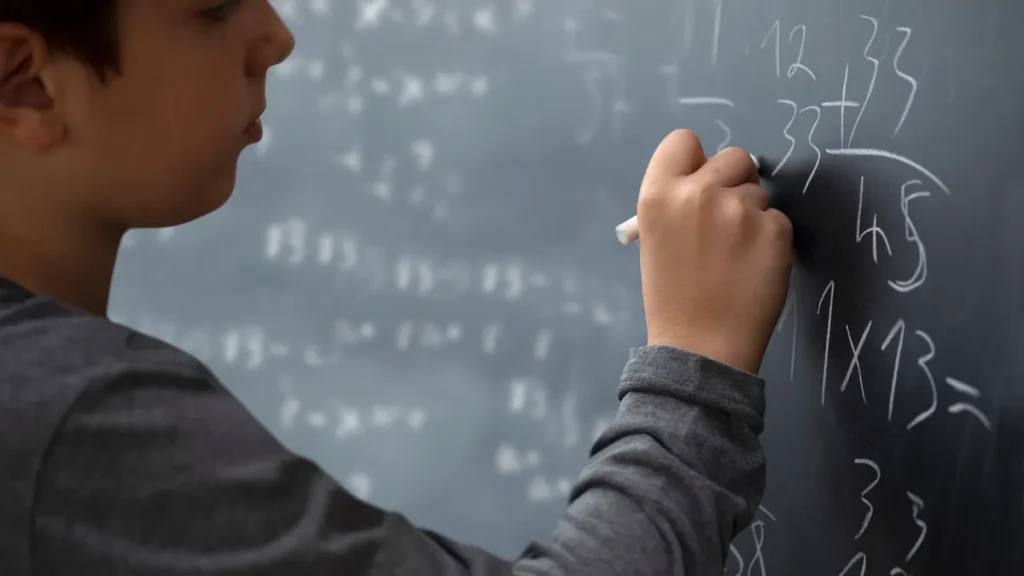
An analysis by NWEA, a leading education research organization, reveals that a significant portion of students experience a decline in academic skills over the summer months, a phenomenon commonly referred to as the "summer slide." The report, published on May 14, 2026, underscores the persistent challenge of summer learning loss and advocates for proactive strategies by schools to mitigate its impact. The findings suggest that without intentional interventions, students, particularly those from disadvantaged backgrounds, risk falling further behind their peers.
The research, which utilized NWEA’s 2025 MAP Growth norms, employed a model-based estimation approach to quantify the expected decline in academic performance between the end of the spring semester and the beginning of the fall semester. This methodology is designed to provide a more robust estimate of summer loss, even though students are assessed at different times throughout these periods. According to Megan Kuhfeld, co-author of the research and director of growth modeling and data analytics at NWEA, this approach is crucial for understanding the aggregate impact of summer break on student learning.
Understanding the Summer Slide
NWEA’s analysis identified that procedural skills, vocabulary, isolated facts, and multi-step tasks are particularly vulnerable to erosion during the summer recess. These are foundational elements of academic mastery, and their decline can have a cascading effect on a student’s ability to engage with more complex material in the following academic year. The report highlights a notable difference in the extent of summer loss between mathematics and reading. While both subjects are affected, mathematics appears to be more susceptible to significant decline.

One of the key hypotheses presented by NWEA for this discrepancy is the difference in how students engage with these subjects outside of formal schooling. The organization suggests that students are more likely to engage in reading activities during the summer months, whether through personal interest, library programs, or family engagement. In contrast, consistent practice of mathematical procedures and concepts may be less prevalent in out-of-school activities, leading to a quicker fading of knowledge from memory. This is particularly true for mathematics, which often relies on a cumulative understanding of procedural skills that require regular reinforcement.
The RIT (Rasch Unit) scores, a measure used by NWEA’s MAP Growth assessments, revealed considerable variability in summer learning loss. While the average decline was evident, the range of scores from the 10th to the 90th percentile indicated that some students experienced substantial learning setbacks, while others maintained or even advanced their academic standing. This variability underscores the complexity of the summer slide, with numerous factors influencing individual student outcomes.
"We can’t explain exactly why some students are doing so much better in the summer" and why others have substantial learning loss, Kuhfeld stated. "That’s because there’s not a good way to know what non-school-based activities students are engaged in over the summer months and the impact of those activities on learning." This sentiment points to the critical, yet often unquantifiable, influence of summer learning experiences, or the lack thereof, on academic retention. Kuhfeld further elaborated, "What causes this huge variation is the million-dollar question."
Data and Methodology
The 2025 MAP Growth norms used in the analysis were derived from a comprehensive dataset encompassing approximately 30% of all U.S. public schools, representing 13.8 million students. This extensive data pool lends significant weight to the report’s findings, providing a broad snapshot of national trends in summer learning loss.

In a related study published in April 2026 by NWEA, Kuhfeld and other researchers examined summer slide data across four distinct assessment tools: Early Childhood Longitudinal Study – K (ECLS-K:2011) direct cognitive tests, MAP Growth, i-Ready, and Star. These assessments measure summer learning progress in mathematics and reading for students from pre-kindergarten through eighth grade. The findings from these diagnostic assessments generally corroborated the trends observed in the primary NWEA analysis, with test scores typically dropping or flattening during the summer break, and mathematics exhibiting the largest average declines.
However, the ECLS-K:2011 data offered a nuanced perspective, indicating that learning slows but does not necessarily regress over the summers following kindergarten and first grade. This suggests that the foundational years of schooling might be less susceptible to significant learning loss, or that the nature of learning at these early stages differs in its resilience to extended breaks.
Implications for Educational Policy and Practice
The consistent evidence of summer learning loss, particularly in mathematics, presents a significant challenge for educators and policymakers aiming to ensure equitable educational outcomes. The cumulative effect of this loss can widen achievement gaps, disproportionately impacting students from low-income families who may have fewer opportunities for enriching summer experiences. These students often lack access to the types of academic resources and structured learning environments that can help counteract the summer slide.
The implications of this research extend to the design and implementation of summer learning programs. NWEA’s report implicitly advocates for schools to play a more active role in providing structured opportunities for students to engage with academic content during the summer months. These interventions can take various forms, including:

- Targeted Remediation: Programs focused on reinforcing foundational skills in subjects like mathematics, where learning loss is most pronounced.
- Enrichment Activities: Engaging students in activities that promote learning in a fun and accessible way, such as STEM camps, literacy clubs, or project-based learning initiatives.
- Family Engagement: Providing resources and guidance to parents and guardians on how to support their children’s learning at home during the summer. This could include recommending age-appropriate books, educational games, or community resources.
- Early Intervention: Focusing on early elementary grades where foundational skills are being established and where the impact of summer loss can be particularly detrimental to future academic success.
The variability in summer learning loss also highlights the need for personalized approaches. Understanding the individual needs and circumstances of each student is crucial for developing effective interventions. While broad-stroke programs can be beneficial, tailored support that addresses specific skill deficits and learning styles will likely yield better results.
Looking Ahead
The ongoing research into summer learning loss underscores its persistent nature as an educational challenge. As NWEA continues to analyze data and refine its understanding of the factors contributing to the summer slide, the educational community will benefit from evidence-based strategies to combat its effects. The ultimate goal is to ensure that all students, regardless of their socioeconomic background, can return to school each fall with their academic skills sharp and ready for continued growth, thereby fostering a more equitable and effective educational system. The findings from NWEA serve as a critical reminder that learning is a year-round endeavor, and that intentional efforts are required to prevent the erosion of academic progress during the summer months. Schools, in collaboration with families and communities, have a vital role to play in ensuring that the summer break does not become a period of academic regression, but rather an opportunity for continued learning and development.