
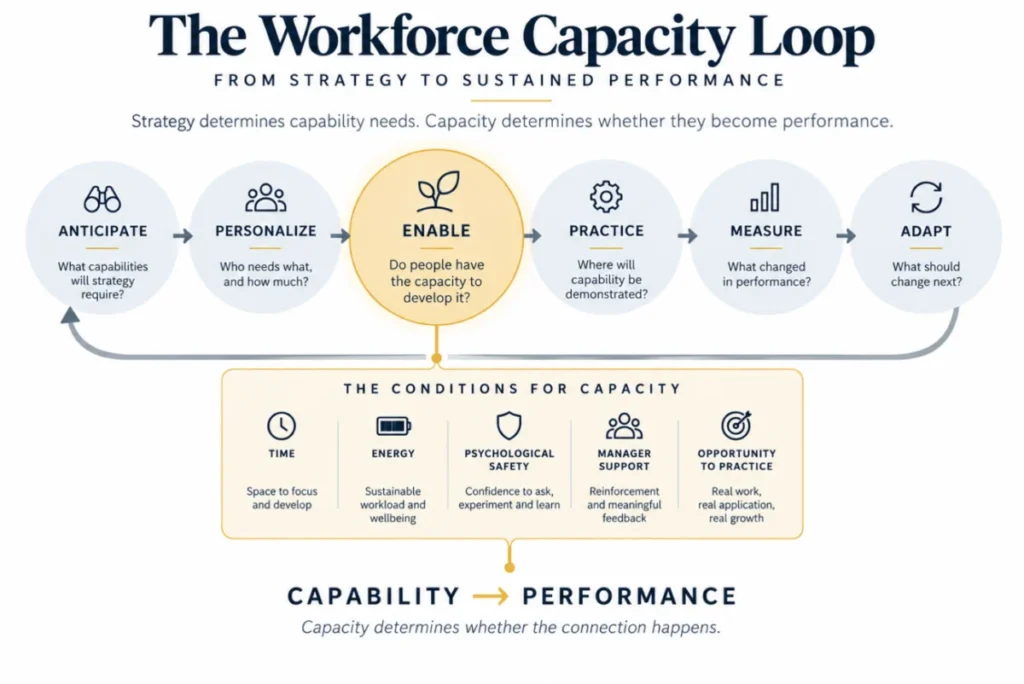


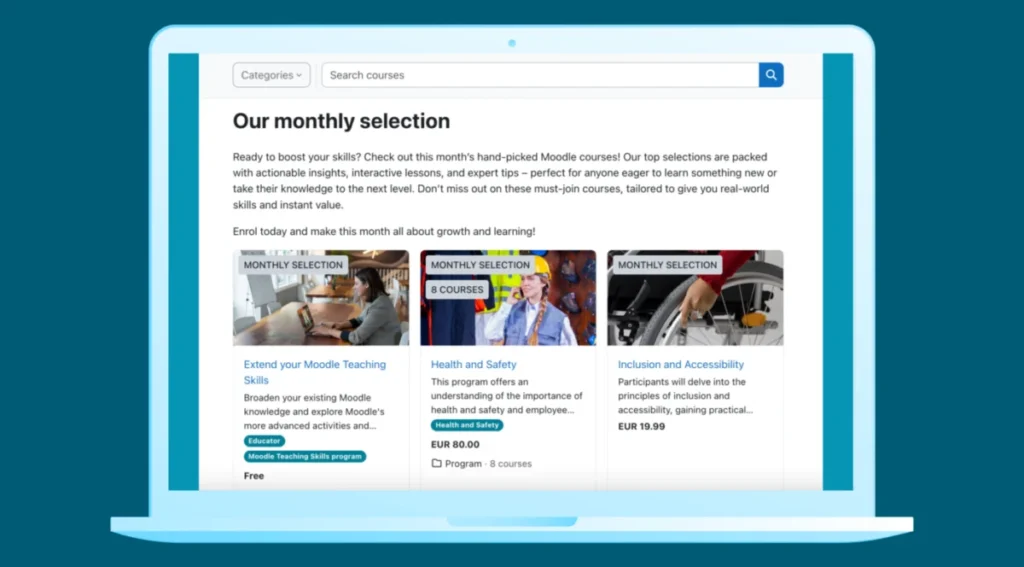
The traditional scaffolding of learning platforms, meticulously designed around structured, sequential completion and rigorous tracking, remains an indispensable pillar for organizational efficacy. This model, deeply embedded in the fabric of compliance mandates, initial employee onboarding, and any training requiring unvarying consistency across a diverse workforce, has served as a foundational element for decades. However, the contemporary reality of how individuals acquire knowledge and skills in their daily professional lives presents a stark contrast to this established paradigm. The modern learner rarely embarks on a comprehensive course, diligently progressing from its inception to its conclusion in a single, uninterrupted session. Instead, learning frequently manifests as a more agile, immediate, and task-oriented endeavor: a specific concept to grasp, a precise skill to master, or a concise explanation that facilitates the immediate continuation of ongoing work.
This shift has propelled approaches such as microlearning into the forefront of educational technology and pedagogical strategy. Microlearning, characterized by its delivery of short, focused, and easily digestible content modules, has garnered significant traction by offering learners the ability to access relevant information precisely when and where it is needed. These "bite-sized" learning opportunities are designed to be consumed quickly, often in just a few minutes, making them ideal for busy professionals who need to acquire specific knowledge or refresh existing skills without disrupting their workflow. The appeal of microlearning lies in its adaptability and accessibility, allowing for just-in-time learning that directly addresses immediate needs. Data from various industry reports underscores this trend. For instance, a 2022 survey by the Association for Talent Development (ATD) found that 73% of organizations are currently using or planning to implement microlearning strategies, citing improved engagement and knowledge retention as key benefits. This indicates a widespread recognition within the corporate learning and development (L&D) sector of the limitations of purely structured, long-form training in meeting the dynamic demands of the modern workplace.
Despite the proliferation and efficacy of these granular learning methods, a significant disconnect persists: while learning itself often occurs in fragmented, manageable pieces, the overarching process of genuine professional development does not. Individuals do not simply require isolated pieces of information; they necessitate the cultivation of enduring capabilities that evolve and strengthen over time. This progression involves understanding the synergistic relationship between disparate learning elements, recognizing how a series of small, incremental steps coalesce into a more profound and meaningful mastery of a subject or skill set. The current learning environments often struggle to articulate and facilitate this crucial connective tissue, leading to a sense of fragmentation. While individual courses or modules may be meticulously crafted and highly effective in isolation, the inherent linkages between them frequently remain obscured. It becomes less than clear which learning experiences build upon prior knowledge, or what potential pathways exist for further exploration and growth within a particular domain. This lack of visible progression can impede a learner’s ability to see the long-term value of their educational journey and to strategically build their expertise.
The Historical Context: From Classroom to Digital Walls
The evolution of learning platforms mirrors broader technological and societal shifts. For much of the 20th century, corporate training largely took place in physical classrooms or through instructor-led sessions. The advent of the internet and digital technologies ushered in the era of e-learning, initially characterized by large, comprehensive online courses that mirrored traditional classroom formats. Learning Management Systems (LMS) emerged as the dominant technology, designed to manage, deliver, and track these digital courses. Their primary function was to provide a centralized repository for learning content and a system for monitoring learner progress, often for compliance purposes. Companies like Skillsoft and Cornerstone OnDemand became prominent players, offering extensive libraries of pre-built courses and robust LMS capabilities.
The early 2000s saw the rise of more interactive e-learning, incorporating multimedia elements and basic assessments. However, the underlying philosophy remained largely rooted in the structured, linear approach. As internet bandwidth increased and mobile devices became ubiquitous, the demand for more flexible and accessible learning grew. This paved the way for the microlearning revolution. Platforms began to adapt, offering shorter videos, interactive modules, and performance support tools. Companies like Axonify and Qstream gained recognition for their focus on bite-sized learning and gamification to enhance engagement. The emergence of social learning platforms, such as Yammer (now Viva Engage) and Workplace by Facebook, also introduced a more informal and collaborative dimension to learning, where knowledge sharing occurred organically within communities of practice.
The Data Gap: Quantifying the Need for Connected Learning
The current fragmented approach to learning is not merely an abstract concern; it has tangible implications for organizational performance and individual career progression. Research consistently highlights the challenges organizations face in translating learning into measurable business impact. A report by Deloitte, "The 2023 Global Human Capital Trends," indicated that while organizations invest heavily in learning and development, only 25% of leaders feel confident that their current learning programs are effectively preparing their workforce for the future. This confidence gap can be partly attributed to the lack of clear pathways for skill development and the difficulty in demonstrating the ROI of learning initiatives when content is perceived as disconnected.
Furthermore, employee surveys reveal a desire for more personalized and career-oriented learning experiences. A 2023 LinkedIn Learning report found that 94% of employees would stay at a company longer if it invested in their learning and development. However, the same report noted that employees often struggle to identify relevant learning opportunities that align with their career aspirations. This suggests that while microlearning provides the "what" of learning, it often fails to adequately address the "why" and "how" in the context of a broader developmental trajectory. The lack of visible connections between learning modules can lead to a feeling of "learning for learning’s sake," rather than for the purpose of building a coherent and advancing skill set.
The Fragmentation Dilemma: When Content Outpaces Connection
The core issue lies in the inherent design of many learning systems. They are often built as repositories for discrete learning assets rather than as dynamic ecosystems that foster continuous growth. This can manifest in several ways:
- Siloed Content: Learning content is frequently organized by topic, department, or compliance requirement, with little emphasis on how these silos connect. A marketing professional might access microlearning modules on social media advertising, SEO, and content creation, but without a clear framework showing how these skills interrelate or contribute to a comprehensive digital marketing strategy, the learning can feel disjointed.
- Lack of Personalized Pathways: While microlearning offers flexibility, it can also lead to learners haphazardly consuming content without a strategic plan. Without guidance or a clear map, individuals may miss critical foundational knowledge or fail to progress to more advanced concepts, hindering their ability to build true expertise.
- Difficulty in Measuring Holistic Impact: When learning is fragmented, it becomes challenging to measure the cumulative impact on an individual’s capabilities or on organizational performance. Tracking completion of individual microlearning modules is easy, but understanding how these contribute to a larger skill acquisition and subsequent application is far more complex. This makes it difficult for L&D departments to justify their budgets and demonstrate strategic value.
- The "Lost in the Middle" Phenomenon: Learners who have moved beyond basic onboarding but are not yet experts often struggle to find relevant, intermediate-level content that bridges the gap between foundational knowledge and advanced application. They may feel overwhelmed by advanced courses or find that the available microlearning modules do not offer sufficient depth or context.
Bridging the Divide: Towards Integrated Learning Ecosystems
The prevailing challenge for modern learning environments is to evolve beyond merely providing access to isolated learning units. The imperative is to cultivate integrated learning ecosystems that not only deliver bite-sized knowledge but also illuminate the connections, foster cumulative skill development, and provide clear pathways for continuous growth. This requires a shift in both technological design and pedagogical philosophy.
Several key strategies are emerging to address this fragmentation:
- Curated Learning Journeys: Instead of presenting a vast library of disparate content, organizations are beginning to curate "learning journeys" or "learning paths." These are carefully designed sequences of learning modules, often incorporating microlearning, that guide learners through a specific skill development area. These journeys can be personalized based on an individual’s role, experience level, and career aspirations. For example, a junior software developer might be guided through a journey that starts with foundational coding principles, progresses to specific programming languages, then to software architecture, and finally to agile development methodologies.
- Skill-Based Learning Architectures: The focus is shifting from course completion to skill acquisition. Learning platforms are increasingly being designed around a "skill ontology" where specific skills are defined, and learning content is tagged and mapped to these skills. This allows learners to identify the skills they need to develop, find relevant content, and track their progress against specific skill competencies. Data analytics can then be used to identify skill gaps within teams or the entire organization.
- Contextualized Performance Support: Microlearning is most effective when it is delivered at the point of need, integrated directly into the workflow. This means embedding learning resources within the tools and applications that employees use daily. For example, a quick video tutorial on how to use a new feature in a CRM system, accessible directly within the CRM interface, provides immediate, contextualized support.
- AI-Powered Personalization and Guidance: Artificial intelligence (AI) is playing an increasingly vital role in creating more personalized and connected learning experiences. AI algorithms can analyze learner behavior, identify knowledge gaps, and recommend relevant content and learning paths. AI can also facilitate personalized feedback and adaptive learning experiences, ensuring that learners are challenged appropriately and receive the support they need to progress.
- Emphasis on Social and Collaborative Learning: While microlearning provides individual knowledge, fostering connections between learners and encouraging knowledge sharing is crucial for deeper development. Integrating social learning features, communities of practice, and peer-to-peer learning opportunities allows individuals to learn from each other, share best practices, and collectively build expertise.
The Implications for the Future of Work
The successful integration of bite-sized learning with holistic development pathways has profound implications for the future of work. Organizations that can effectively bridge this gap will be better positioned to:
- Enhance Employee Agility and Adaptability: In a rapidly changing business environment, employees need to be able to acquire new skills quickly and adapt to evolving demands. Integrated learning ecosystems enable this by providing both immediate knowledge and a clear roadmap for continuous skill development.
- Improve Employee Engagement and Retention: When employees see a clear connection between their learning efforts and their career progression, their engagement and loyalty to the organization increase. Personalized learning journeys that align with individual aspirations foster a sense of investment and purpose.
- Drive Innovation and Productivity: A workforce with well-developed, interconnected skills is more likely to be innovative and productive. The ability to draw upon a broad base of knowledge and apply it effectively in diverse situations is a hallmark of high-performing teams.
- Optimize L&D Investment: By clearly mapping learning content to skills and demonstrating the impact of development on organizational objectives, L&D departments can better justify their investments and ensure that learning initiatives are strategically aligned with business goals.
In conclusion, while the structured model of learning platforms and the agility of microlearning both hold significant value, the true frontier of effective learning and development lies in their seamless integration. The future of professional growth hinges on creating learning environments that not only deliver immediate knowledge but also nurture continuous development, clearly articulate connections, and empower individuals to build comprehensive capabilities that drive both personal and organizational success. The challenge for learning technology providers and L&D professionals is to move beyond offering disparate pieces of content and to construct cohesive, dynamic ecosystems that guide learners on meaningful journeys toward mastery.