


Project-based learning (PBL), a pedagogical approach that centers student learning around engaging with real-world, personally meaningful projects, is transcending traditional classroom boundaries. While long recognized for its efficacy in core academic subjects, PBL is increasingly being integrated into diverse educational disciplines, including career and technical education, visual and performing arts, and, as recent initiatives highlight, physical education. This innovative methodology empowers students to actively participate in their learning journey, fostering deeper understanding, critical thinking, and problem-solving skills across a spectrum of educational experiences.
The Expanding Reach of Project-Based Learning
The fundamental principle of PBL lies in its ability to connect learning to tangible outcomes and student interests. This inherent adaptability makes it a natural fit for subjects that often emphasize hands-on engagement and practical application. Rather than solely relying on rote memorization or theoretical instruction, PBL encourages students to tackle complex challenges, collaborate with peers, and develop solutions that have real-world relevance. This shift from passive reception to active construction of knowledge is proving to be a powerful catalyst for student engagement and academic achievement, regardless of the subject matter.
Will Westphal, a dedicated physical education teacher serving both Taft Elementary (K-4) and Alliance Charter School (pre-K-6) within Wisconsin’s Neenah Joint School District, champions this expansion. "I would think it fits as well as it does with other content areas," Westphal stated, emphasizing the multifaceted nature of education. "In any form of education, there’s a lot of ways to get things done." His perspective underscores the idea that effective pedagogy is not confined to specific subjects but rather lies in the thoughtful design of learning experiences that cater to diverse student needs and learning styles.
Innovative Projects Sparking Engagement
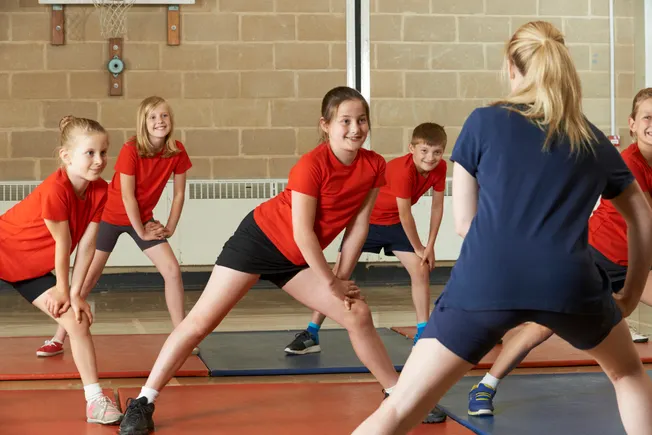
Westphal’s experience offers compelling examples of PBL in action within physical education. He recalls a particularly successful initiative at a previous district where he collaborated with a music teacher to guide third and fourth graders in creating "brain boost" dance videos for the entire school. In this project, teachers provided essential scaffolding, offering guidance on music selection and appropriate video lengths. However, the core of the learning process was driven by the students themselves. They took ownership of the creative direction, organized the filming, and independently identified the resources and techniques necessary to bring their visual concepts to life.
This student-led approach yielded memorable outcomes. Westphal recounted an instance where a song chosen for one of the dance videos was playing during his kindergarten class. "All of these little kindergartners who had just seen the video stopped whatever they were doing and started doing the dance they had just learned," he shared, highlighting the profound impact of peer-created content. "That will stick with me forever." This anecdote illustrates the powerful ripple effect of student-driven projects, demonstrating how their work can inspire and engage younger learners, fostering a sense of community and shared experience within the school.
The Science Behind Active Learning
The concept of "brain boost" activities, like those integrated into Westphal’s dance video project, aligns directly with current research on cognitive function and learning. Educators and child development experts increasingly recognize the importance of incorporating movement breaks to enhance cognitive performance. Westphal, who was recognized as the 2026 Midwest Elementary Teacher of the Year by the Society of Health and Physical Educators America, explains this connection. "Dance or physical movement refreshes their brain," he noted. "They are better for their learning going forward. It’s not so much their brain getting a break, as getting activated again."
This perspective challenges the traditional notion of physical education as merely a time for recreation or physical exertion. Instead, it positions it as a crucial component of a holistic educational strategy, directly contributing to students’ academic readiness and capacity for learning. By integrating movement with creative expression and problem-solving, PBL in physical education offers a dual benefit: promoting physical well-being while simultaneously sharpening cognitive skills.
Core Principles of Effective PBL
Westphal articulated several key principles that should guide the design of effective project-based learning activities. He emphasized that these projects should:
- Tie back to students’ real lives: Relevance is paramount. When students can see the connection between their learning and their own experiences or the world around them, their motivation and engagement naturally increase.
- Light their curiosity: Projects should be designed to spark inquiry and a desire to learn more. This can be achieved through posing intriguing questions, presenting authentic problems, or offering opportunities for exploration.
- Provide a challenge: While engaging, projects should also push students beyond their comfort zones. Appropriately challenging tasks encourage critical thinking, perseverance, and the development of new skills.
- Connect to their wider community: Whenever possible, projects should extend beyond the classroom walls, allowing students to interact with and contribute to their local community. This fosters a sense of civic responsibility and reinforces the real-world impact of their learning.
"If kids have a problem that sparks their interest but also takes a little bit of work—[that scenario provides] another opportunity to grow," Westphal explained. "Those are environments that students can really rally around." This sentiment highlights the power of PBL to cultivate resilience and a growth mindset, as students learn to navigate challenges and embrace the learning process.
Fostering Meaningful Physical Education
Westphal identifies himself as a strong advocate for physical education frameworks that prioritize a balance of fun, joy, social interaction, and challenge. He sees a clear synergy between these values and the tenets of project-based learning. "Project-based learning fits with a lot of the things I value for students," he stated. "Project-based learning and its tenets, a lot of those [qualities] fit pretty nicely with what meaningful phys ed stands for." This alignment suggests that PBL is not merely an add-on to physical education but rather a foundational approach that can enhance its core objectives.
Cultivating Creativity Through Game Design
At his current schools, Westphal has implemented a particularly popular PBL activity that encourages students to design their own games. This project, often initiated with a simple prompt such as using a ball or basing the game on the concept of "tag," empowers students to become creators rather than passive consumers of play. The process involves several stages of iterative design and testing.
"We frame it in our minds, and then it’s something we take out to the playground," Westphal described. "They’re making their rules as they try out the game with themselves or others—what’s working, what’s not, how do we need to adjust?" This hands-on, trial-and-error approach is crucial for developing their understanding of game mechanics, fairness, and strategic thinking. Students learn to analyze the effectiveness of their designs, make modifications, and collaborate with peers to refine their ideas.
The culmination of these projects involves students introducing their newly created games to their friends during recess. This real-world application provides immediate feedback and a sense of accomplishment. "Then, students introduce the game to their friends during recess, at which point ‘it’s pretty functional,’" Westphal observed. "It makes our school environment better. They have more options of what to do and make better use of recess." This outcome not only enriches the students’ own play experiences but also contributes to a more vibrant and engaging schoolyard environment for the entire student body. The project fosters social skills, problem-solving, and a sense of ownership over their recreational time.
Broader Implications for Educational Practice
The successful integration of project-based learning in physical education, as exemplified by Will Westphal’s initiatives, carries significant implications for the broader educational landscape. It demonstrates that PBL is not limited to traditional academic disciplines and can be a powerful tool for fostering engagement and deeper learning across all areas of study.
Supporting Data and Research: Research consistently underscores the benefits of active learning methodologies. Studies published in journals like the Journal of Educational Psychology have shown that project-based learning leads to higher levels of student engagement, improved retention of knowledge, and enhanced development of 21st-century skills such as critical thinking, collaboration, and communication. A 2022 meta-analysis of PBL interventions across various subjects found a statistically significant positive impact on student achievement, particularly in science and mathematics. Furthermore, the Society of Health and Physical Educators (SHAPE America) advocates for pedagogical approaches that promote physical literacy, which includes not only physical competence but also the knowledge, understanding, and disposition to value and engage in physical activity throughout life. PBL aligns perfectly with these objectives by making physical activity engaging, meaningful, and personally relevant.
Chronological Context: The shift towards more student-centered and experiential learning models has been evolving over the past few decades. The recognition of the importance of physical activity for cognitive development gained traction in the late 20th century and has since been supported by a growing body of neuroscience research. The formalization of Project-Based Learning as a distinct pedagogical framework gained significant momentum in the early 2000s, with organizations like the Buck Institute for Education (now PBLWorks) playing a pivotal role in its dissemination and professional development. Westphal’s initiatives represent a contemporary application of these long-standing educational trends.
Analysis of Implications: The successful implementation of PBL in physical education suggests a potential paradigm shift in how these subjects are perceived and delivered. By moving beyond traditional drills and exercises, schools can cultivate students who are not only physically fit but also possess enhanced problem-solving abilities, creativity, and a lifelong appreciation for movement and active living. This approach also has the potential to address issues of student disengagement, particularly in subjects that may not immediately appeal to all learners.
The collaborative nature of many PBL activities can also foster stronger peer relationships and a more inclusive school culture. When students work together to achieve a common goal, they learn to value diverse perspectives and develop essential teamwork skills. The ripple effect observed by Westphal, where student-created content inspires younger learners, highlights the potential for PBL to create positive cultural shifts within schools.
Potential for Wider Adoption: The success of these projects could encourage other school districts and educators to explore similar integrations. As more evidence emerges of PBL’s effectiveness in diverse subjects, it is likely to become an increasingly recognized and valued component of comprehensive educational programs. This could lead to a greater emphasis on interdisciplinary collaboration among teachers, as subjects like physical education, music, and core academics can be woven together through shared project experiences.
In conclusion, the integration of project-based learning into physical education represents a forward-thinking approach that aligns with contemporary research on learning and development. By empowering students to actively engage in meaningful, real-world projects, educators can foster not only physical well-being but also critical thinking, creativity, and a lifelong love of learning. The experiences shared by Will Westphal serve as a powerful testament to the transformative potential of this pedagogical approach, demonstrating its capacity to enrich student lives and enhance the overall educational environment.