



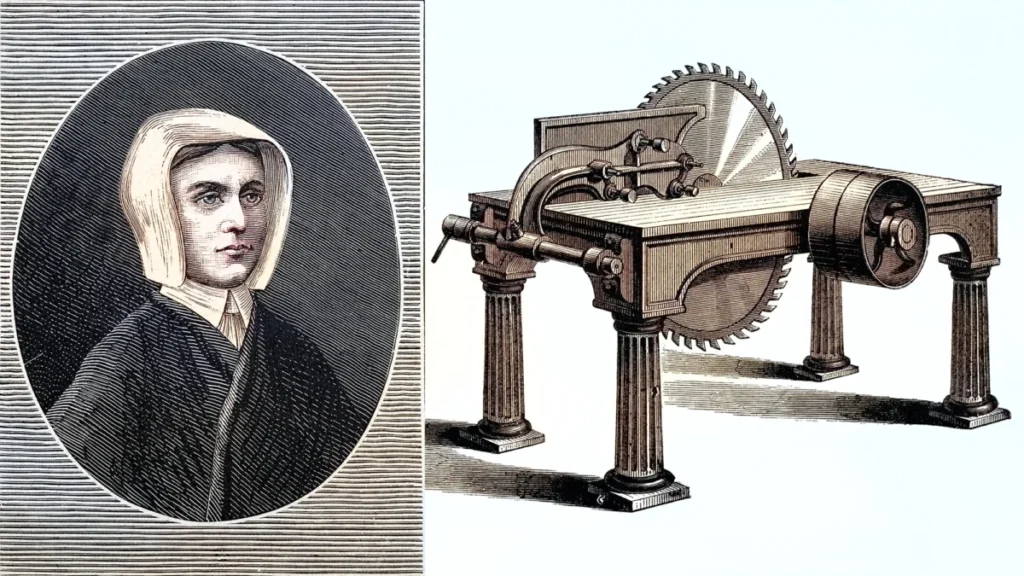
The history of American industrialization is often told through the lens of urban factories and patent-holding tycoons, yet some of the most transformative technologies of the 19th century emerged from a reclusive, celibate religious sect known as the Shakers. Formally called the United Society of Believers in Christ’s Second Appearing, the Shakers combined a radical theology of gender equality with a relentless drive for efficiency. Among their most significant contributors was Sarah "Tabitha" Babbitt, a Shaker Sister whose 1813 development of the circular saw revolutionized the timber industry. While the group is frequently remembered for their minimalist furniture and choral music—subjects recently revitalized by the 2025 musical film The Testament of Ann Lee—their true legacy lies in a portfolio of inventions that remain foundational to modern domestic and industrial life.
The Theological Roots of Shaker Industry
The Shakers originated as an offshoot of the English Quakers, arriving in the American colonies in 1774 under the leadership of "Mother" Ann Lee. Lee preached a doctrine that emphasized pacifism, communal ownership of property, and strict celibacy. Central to Shaker life was the mandate of "Hands to work, hearts to God." For the Believers, labor was not merely a necessity for survival but a form of worship. To perform a task inefficiently was viewed as a failure of stewardship; therefore, the pursuit of "perfection" in craftsmanship and tool-making became a spiritual obligation.
By the mid-19th century, the Shakers had established 18 major communities across New England, New York, and the Midwest. At their peak in 1840, the society boasted approximately 6,000 members. Because they did not procreate, the communities relied on converts and the adoption of orphans to sustain their numbers. This communal structure allowed for a unique division of labor where innovation was incentivized for the benefit of the group rather than for individual profit. Unlike the outside world, where women were largely excluded from mechanical engineering, the Shaker belief in the equal status of "Brothers" and "Sisters" provided a rare environment where women like Tabitha Babbitt could apply their intellect to industrial problems.
Tabitha Babbitt and the Evolution of the Circular Saw
Sarah "Tabitha" Babbitt was born in 1779 and joined the Shaker community in Harvard, Massachusetts, in 1792. As a member of a society that valued observation and practical improvement, Babbitt is credited with identifying the inherent waste in the traditional "pitsaw" method of lumber production. In the early 1800s, cutting logs into planks required two men to operate a long, straight saw. One man stood atop the log while the other stood in a pit below. This "whipsaw" method was physically grueling and inefficient, as the saw only cut on the downward stroke; the upward motion was wasted energy.
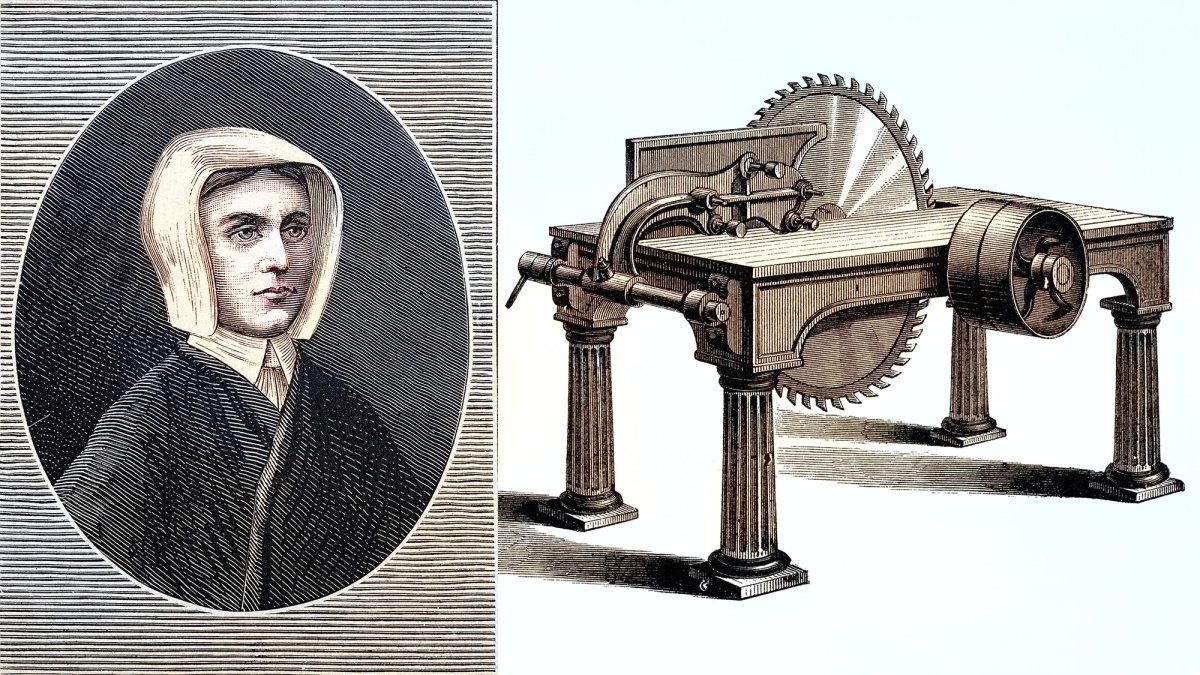
According to Shaker oral tradition and community records, Babbitt observed Brothers at the Harvard sawmill and realized that a rotary motion would eliminate the wasted return stroke. Drawing on her experience with the spinning wheel—a tool she had already worked to improve—Babbitt created a prototype for a circular saw around 1813. Her initial model involved cutting a circular blade from tin and mounting it on her spinning wheel’s spindle. By using a foot pedal to rotate the blade, she demonstrated that wood could be cut continuously with a fraction of the effort.
The Shaker Brothers subsequently forged larger, more durable steel blades based on Babbitt’s design. By the 1820s, these circular saws were standard equipment in Shaker mills, and by 1839, the Mount Lebanon community in New York operated six such saws. Despite the revolutionary nature of the tool, Babbitt never filed for a patent. The Shaker covenant prohibited individual ownership of intellectual property, and the group believed that useful inventions should be shared freely for the "benefit of man."
A Chronology of Shaker Innovation
The circular saw was only one in a long line of Shaker contributions to American technology. The group’s dedication to agricultural and domestic efficiency resulted in a timeline of "firsts" that shaped the 19th-century marketplace:
- 1790s: The Flat Broom. Before the Shakers, brooms were typically round bundles of corn husks or twigs that were inefficient for cleaning corners. The Shakers developed the flat broom by using wire to press the bristles into a fan shape, a design that remains the industry standard today.
- 1800s: Seed Packets and Mail-Order Distribution. The Shakers were the first to package seeds in small, labeled paper envelopes for individual sale. They established a massive mail-order business that allowed farmers across the expanding United States to access high-quality, reliable crops.
- 1810s: The Rotary Harrow and Thresholding Machines. To improve farm yields, Shaker Brothers developed mechanical harrows for tilling soil and machines for separating grain from husks, significantly reducing the manual labor required for harvests.
- 1820s: The Metal Pen. While quill pens were still standard, Shakers developed early versions of the metal nib pen, seeking a more durable and consistent writing instrument for their meticulous record-keeping.
- 1850s: The Common Clothespin. The spring-loaded wooden clothespin is widely attributed to Shaker ingenuity, designed to simplify the domestic chore of drying laundry in the wind.
The "Babbitt Metal" Misconception
Tabitha Babbitt’s fame within the history of technology has occasionally led to historical conflation. She is frequently cited as the inventor of "Babbitt metal," a friction-reducing alloy used in engine bearings. However, metallurgical records and patent filings confirm that this specific material was patented in 1839 by Isaac Babbitt, a goldsmith from Taunton, Massachusetts. While Isaac was not a member of the Shaker society, the association persists in popular history largely because Tabitha Babbitt’s name became synonymous with mechanical brilliance during the era of Shaker industrial prominence.
Nevertheless, Sister Tabitha’s verified contributions were vast. Beyond the circular saw, she is credited with developing a process for manufacturing false teeth and an improved spinning wheel head that increased thread production. Her work exemplifies the Shaker philosophy that even the most mundane tool could be elevated through thoughtful engineering.
Analysis of Social and Economic Impacts
The Shaker approach to innovation provides a fascinating case study in communal economics. Because they did not seek patents, their inventions were quickly adopted and improved upon by the "World’s People" (the Shaker term for outsiders). This lack of legal protection meant that while the Shakers revolutionized industries like timber and agriculture, they did not reap the massive financial windfalls that a secular inventor might have secured.
However, this altruism was also their greatest marketing tool. Shaker-made goods—from seeds to furniture—became synonymous with honesty and quality. In an era before strict consumer protection laws, the "Shaker" brand was a guarantee that a product was made without "shoddy" materials or deceptive practices. This reputation allowed their communities to thrive economically for decades, funding their self-sufficient lifestyle through the sale of surpluses.
The Decline of the Shaker Communities
The decline of the Shakers was not caused by a failure of their technology, but rather by the very industrial revolution they helped spark. By the 1870s, the rise of steam-powered factories and mass production meant that Shaker-made goods, which were handcrafted with precision, could no longer compete on price with cheap, factory-made alternatives. The artisan-based economy of the Shaker villages became a luxury rather than a necessity.
Furthermore, social changes in the United States impacted their recruitment. The introduction of stricter state-regulated adoption laws made it difficult for Shaker communities to take in orphans, who had historically been a primary source of new members. As the "outside world" became more mechanized and urbanized, the appeal of a strict, celibate, rural life began to wane. By the early 20th century, most Shaker villages had closed, their lands sold and their members consolidated.
Contemporary Relevance and the 2026 Status
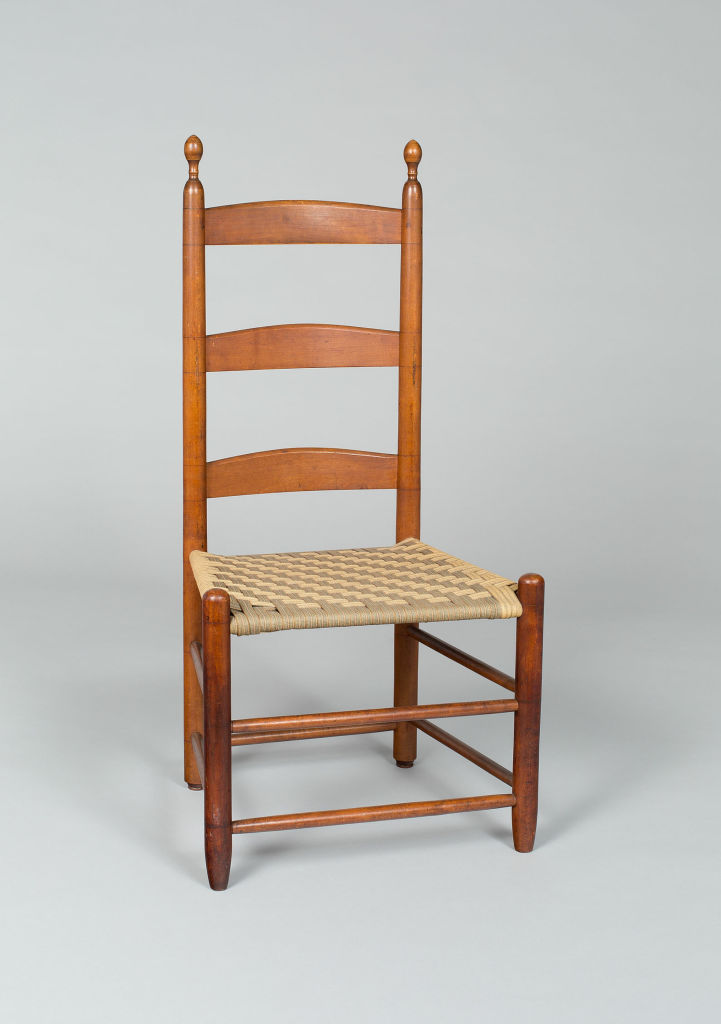
Despite their dwindling numbers, the Shakers have left an indelible mark on modern design and social history. Their "form follows function" aesthetic is cited by historians as a precursor to the Modernist and Minimalist movements of the 20th century. Today, Shaker furniture is highly prized by collectors and museum curators, representing a peak of American craftsmanship.
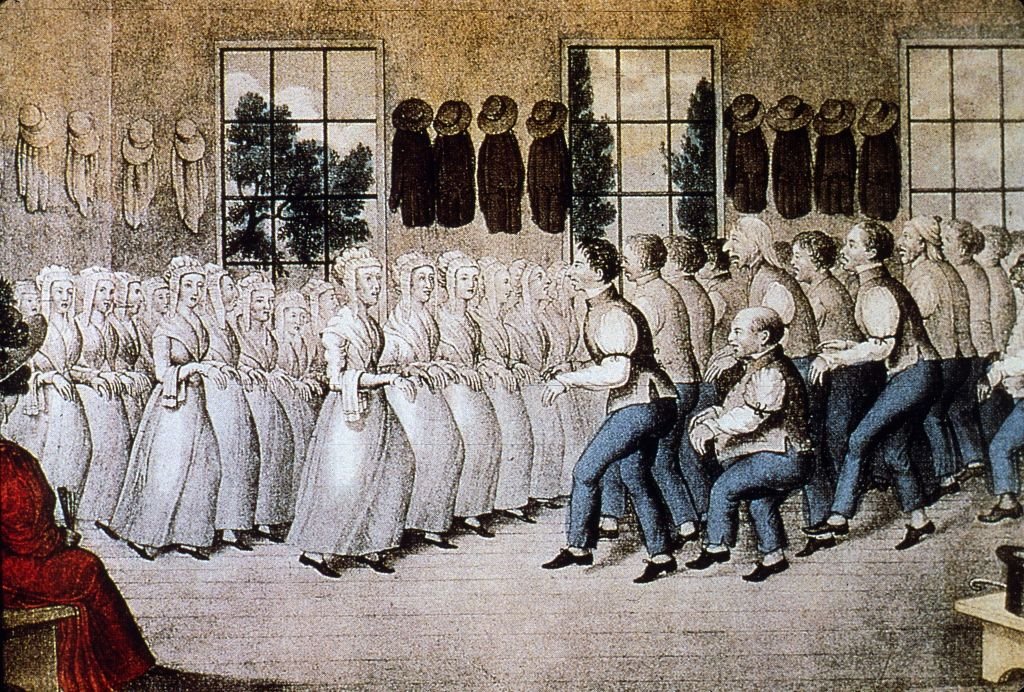
The Shaker society is not yet extinct. As of 2026, the last active community at Sabbathday Lake in New Gloucester, Maine, remains a living testament to the faith. While the community consisted of only two members for several years, the recent addition of a new convert has brought the total to three. This small group continues to manage the historic farm and museum, maintaining the traditions of "Brother" and "Sister" in the 21st century.
The legacy of Tabitha Babbitt and her peers serves as a reminder that innovation often flourishes in environments that prioritize communal welfare over individual gain. The circular saw, the flat broom, and the seed packet are more than just tools; they are the artifacts of a society that believed the path to the divine was paved with hard work, equality, and the constant improvement of the world around them. As modern society grapples with issues of sustainability and the ethics of technology, the Shaker model of "simple living" and "high thinking" continues to offer a compelling, if challenging, alternative.