



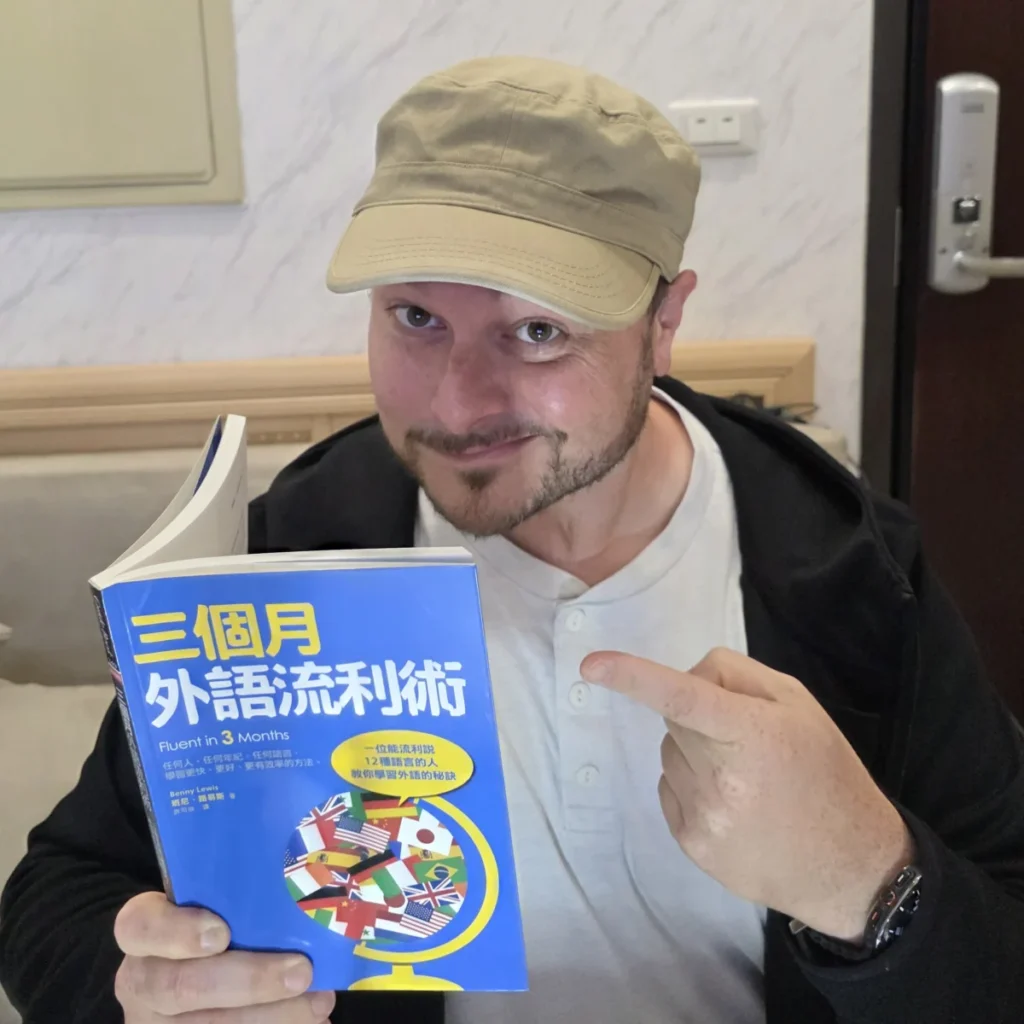
The international language learning community has observed a significant milestone as Benny Lewis, the polyglot founder of the "Fluent in 3 Months" platform, returned to Taipei, Taiwan, to initiate a comprehensive Mandarin Chinese re-immersion project. This return marks a definitive shift in Lewis’s linguistic focus, coming fourteen years after his initial 2012 "Mandarin Mission," which remains one of the most documented and debated intensive language projects in the digital era. The current initiative is designed not only to reclaim a B1-level intermediate spoken proficiency but to integrate the language into a "permanent maintenance" status while exploring the geographical and cultural depths of the Taiwanese archipelago.
Historical Context and the 2012 Mandarin Mission
To understand the significance of the current Taipei residency, one must look back to 2012, when Lewis first announced his intention to tackle Mandarin Chinese. The original project consisted of three months of intensive study in Taipei followed by two months of travel through mainland China. At the conclusion of that period, Lewis’s spoken proficiency was independently evaluated at a B1 level on the Common European Framework of Reference for Languages (CEFR). While the project was deemed a success in terms of functional communication—allowing Lewis to navigate rural fishing villages and conduct interviews with television presenters—it was not without controversy.
The 2012 mission sparked significant debate within the linguistics community regarding the feasibility of reaching intermediate levels in "Category IV" languages (as classified by the U.S. Foreign Service Institute) within such a short timeframe. Mandarin, noted for its tonal system and logographic writing, typically requires significantly more "guided learning hours" than Romance or Germanic languages. Despite the stress and the academic scrutiny that followed, the 2012 project established a blueprint for Lewis’s "Speak from Day One" methodology, which emphasizes communicative intent over grammatical perfection.
In the intervening years, Lewis co-authored the "Language Hacking Mandarin" course as part of a series with the publisher Teach Yourself. However, despite these professional contributions, his personal use of the language entered a period of attrition. Aside from brief exchanges at international language events, the complex tonal structure and vocabulary of Mandarin began to slip away, a common phenomenon in polyglotism known as language decay.
The Catalyst for Re-Immersion: The Malaysian Influence
The decision to return to Taipei in 2024 was catalyzed by a two-month journey through Malaysia earlier this year. Malaysia, home to a significant Chinese diaspora that constitutes approximately 22.6% of the national population, provided a unique linguistic environment. Interacting with both the local Malaysian Chinese community and an influx of tourists from mainland China, Lewis found his interest in Mandarin reignited.
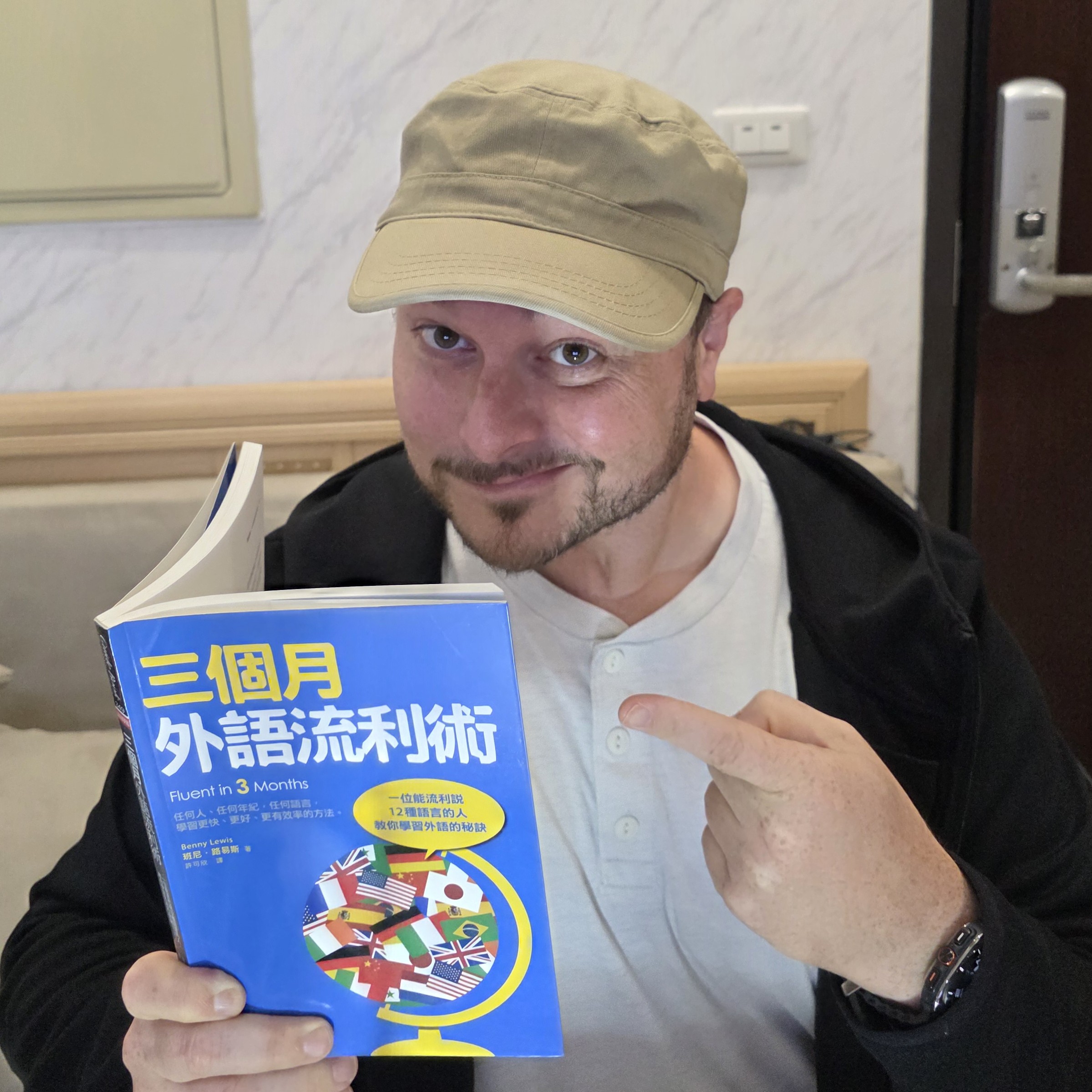
This regional exposure served as a pivot point, leading him to deprioritize his studies of the Malay language in favor of a dedicated return to Mandarin. The transition from a multilingual environment like Malaysia to a monolingual immersion setting in Taiwan represents a strategic move to solidify linguistic gains. Taipei was selected as the base of operations due to its high concentration of language resources, its specific dialectal nuances (Taiwanese Mandarin), and its status as a hub for traditional Chinese characters.
Modern Methodology and Daily Routine
The 2024 Taipei project utilizes a hybrid approach to language acquisition, blending traditional pedagogical tools with modern technological advancements. Lewis’s daily routine reflects a shift toward addressing the "intermediate plateau," a stage where learners often struggle to move from basic communication to more natural, native-like sentence structures.
- Grammatical Focus: Unlike his recommendations for absolute beginners, Lewis has integrated formal grammar study into his morning routine. Using textbooks that accommodate Taiwanese Mandarin—which often features different vocabulary and softer tones than the "Standard Mandarin" of Beijing—he is focusing on refining sentence construction.
- Spaced Repetition Systems (SRS): A critical technical aspect of this project involved the recovery of "legacy" data. Lewis successfully retrieved and converted Anki flashcard decks originally created in 2012. These decks contain highly personalized vocabulary gathered from real-world interactions over a decade ago. The recovery process required bridging a 14-year gap in software updates, illustrating the technical challenges faced by long-term digital learners.
- Digital Instruction and AI Integration: The project utilizes the tutoring platform Preply for regular one-on-one sessions with native instructors. Additionally, Lewis has incorporated AI-driven conversation tools, highlighting a broader trend in the industry where artificial intelligence serves as a low-cost alternative or supplement to human tutoring.
- Social Immersion: Participation in local social events found through platforms like Meetup.com remains a cornerstone of the strategy. However, Lewis noted a shift in the social landscape of Taipei. Unlike "standing" mixers where individual conversations are easier to navigate, many current events in the city are "sit-down" group formats. This creates a higher barrier to entry for non-native speakers due to ambient noise and the rapid-fire nature of group colloquy.
The Linguistic Landscape of Taipei
A notable observation from the initial weeks of the residency is the persistent necessity of Mandarin in Taipei’s daily commerce. Despite the city’s international profile, English proficiency is not always a guaranteed fallback in service industry interactions. Lewis recounted instances, such as ordering a "nóngsuō kāfēi" (espresso) at a major international coffee chain, where English was not understood.
This linguistic environment acts as a "forcing function," preventing the "English bubble" that often hampers expatriate language learners in cities like Hong Kong or Singapore. By operating in an environment where Mandarin is the sole functional medium for errands, shipping packages, and dining, the immersion remains "high-stakes," which is traditionally associated with faster acquisition rates.
The "Deep Travel" Expansion
A significant component of the 2024 project is the upcoming "Taiwan Deep Travel" initiative. Moving beyond the capital of Taipei, Lewis intends to spend several weeks traversing the various counties and rural districts of the island. This follows a pattern established in his previous projects, such as visiting all 26 states of Brazil, all 48 contiguous U.S. states, and every province of South Korea.
This "deep travel" philosophy serves a dual purpose: it provides a diverse range of linguistic inputs (including exposure to regional variations and the Hokkien-influenced Taiwanese language) and ensures that the language is tested in environments where English fallback options are even scarcer than in the capital.
Broader Implications: Content Creation in the Age of AI
The relaunch of the blog and the Taipei project also signals a strategic shift in the "Fluent in 3 Months" content philosophy. Lewis addressed the growing challenge of "AI slop"—the proliferation of low-quality, AI-generated articles designed to capture search engine traffic.
For the past decade, many language learning blogs shifted toward SEO-driven "how-to" guides. However, with search engines increasingly utilizing AI snippets to answer queries directly on the search results page, the economic model for high-quality, human-written instructional content has been disrupted. Lewis announced a return to "narrative blogging," focusing on personal experiences, human-centric travelogues, and subjective insights that cannot be easily replicated by large language models (LLMs).
This transition reflects a broader movement in the digital publishing industry toward "authenticity-first" content. By focusing on the unique, often messy reality of a human learning a language—including the frustrations of noisy social events and the physical toll of a 25kg weight loss journey alongside linguistic study—Lewis aims to provide a counter-narrative to the "perfect" and often sterile output of generative AI.
Conclusion and Future Outlook
Benny Lewis’s return to Taipei is more than a personal linguistic goal; it is a case study in long-term language maintenance and the evolution of the digital nomad lifestyle. As he moves from the structured environment of Taipei cafes into the "deep travel" phase of the project, the focus will remain on the intersection of physical presence and digital toolsets.
The project’s progress will be monitored by a global audience of language enthusiasts, providing data points on how a seasoned learner navigates the complexities of a Category IV language after a long hiatus. In an era where AI can translate text instantly, the Taipei mission reaffirms the value of the "slow" process of human language acquisition and the irreplaceable nature of first-hand cultural immersion. The results of this two-month intensive will likely influence how the "Fluent in 3 Months" platform approaches language learning in a landscape increasingly dominated by automated solutions.