


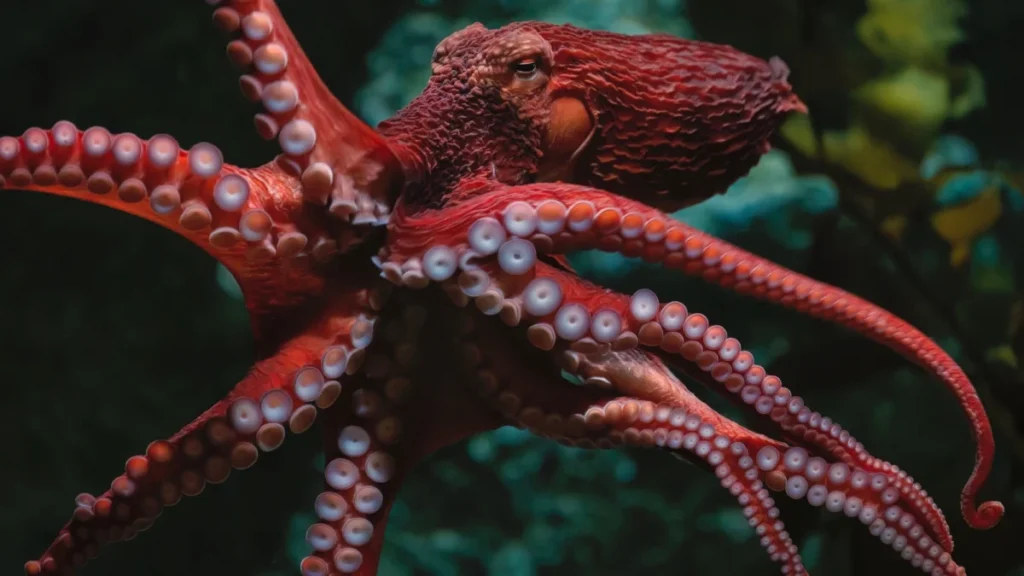
The Aquarium of the Pacific in Long Beach, California, has recently shared an inside look at the sophisticated veterinary care and husbandry techniques required to maintain the health of one of the ocean’s most intelligent and elusive inhabitants: the Giant Pacific octopus. Monitoring the health of a cephalopod presents unique challenges that differ significantly from mammalian or avian care. For Glinda, a young Giant Pacific octopus (Enteroctopus dofleini) residing at the facility, a routine health check involves a specialized weighing procedure that highlights the intersection of animal psychology, marine biology, and innovative husbandry.
Measuring the weight of an animal is a fundamental component of preventative medicine in zoological settings. It allows veterinarians and animal care professionals to track growth rates, determine precise medication dosages, and assess nutritional requirements. However, for a creature like Glinda, who is comprised almost entirely of soft tissue and possesses the ability to squeeze through incredibly small openings, a standard scale is insufficient. The team at the Aquarium of the Pacific has refined a method that ensures both accuracy for the staff and safety for the animal, utilizing a combination of specialized equipment and operant conditioning.
The Weighing Procedure: A Study in Efficiency and Training
The process of weighing Glinda is a choreographed effort between the octopus and her primary caregivers. A video recently released by the aquarium demonstrates the efficiency of this operation. Brooke, an aquarist at the facility, utilizes a customized plastic basket designed with drainage holes. The procedure begins with Brooke gently guiding Glinda into the basket. Because octopuses are highly tactile and sensitive to their environment, this step requires a high degree of trust and familiarity between the animal and the human handler.
Once Glinda is settled within the container, the basket is lifted from the water. The drainage holes are a critical feature of the tool; they allow the seawater to escape rapidly, ensuring that the final measurement reflects only the weight of the octopus and not the surrounding medium. After the water has drained, Brooke passes the basket to a second team member who places it on a calibrated digital scale. The entire process—from leaving the water to returning to the exhibit—takes only a matter of seconds.
During a recent session, Glinda’s weight was recorded at 17 pounds. For a Giant Pacific octopus of her estimated age, which experts place between 12 and 18 months, this weight is a positive indicator of health and proper development. Following the measurement, Glinda is immediately returned to her habitat, where she is rewarded for her cooperation.
Positive Reinforcement and Operant Conditioning
The success of Glinda’s health checks is rooted in positive reinforcement training (PRT). Nate Jaros, the Aquarium of the Pacific’s Vice President of Animal Care, Fish, and Invertebrates, emphasizes that these sessions are designed to be voluntary and rewarding for the animals. Unlike traditional methods that might involve restraint or stressful handling, PRT encourages the animal to participate in its own care.
For Glinda, the incentive to enter the weighing basket is often a combination of high-value food items and "enrichment" activities. Giant Pacific octopuses are known for their high level of cognitive function and curiosity. In a laboratory and aquarium setting, they have demonstrated the ability to solve puzzles, recognize individual humans, and engage in what researchers interpret as play. By turning the weighing process into a form of "playtime," the aquarists reduce the animal’s stress and make the data collection process more reliable.
"One of Glinda’s favorite things is playtime," Jaros noted. "She’ll often choose playtime over snacks, but she usually receives both as part of her training." This approach not only facilitates medical procedures but also provides the mental stimulation necessary for the well-being of highly intelligent invertebrates.
The Biological Context of the Giant Pacific Octopus
Understanding why a 17-pound weight reading is significant requires a look at the life cycle and biology of the Enteroctopus dofleini. The Giant Pacific octopus is the largest octopus species in the world. While Glinda currently weighs 17 pounds, adult specimens can grow to weigh more than 100 pounds, with a radial arm span reaching up to 30 feet in extreme cases.
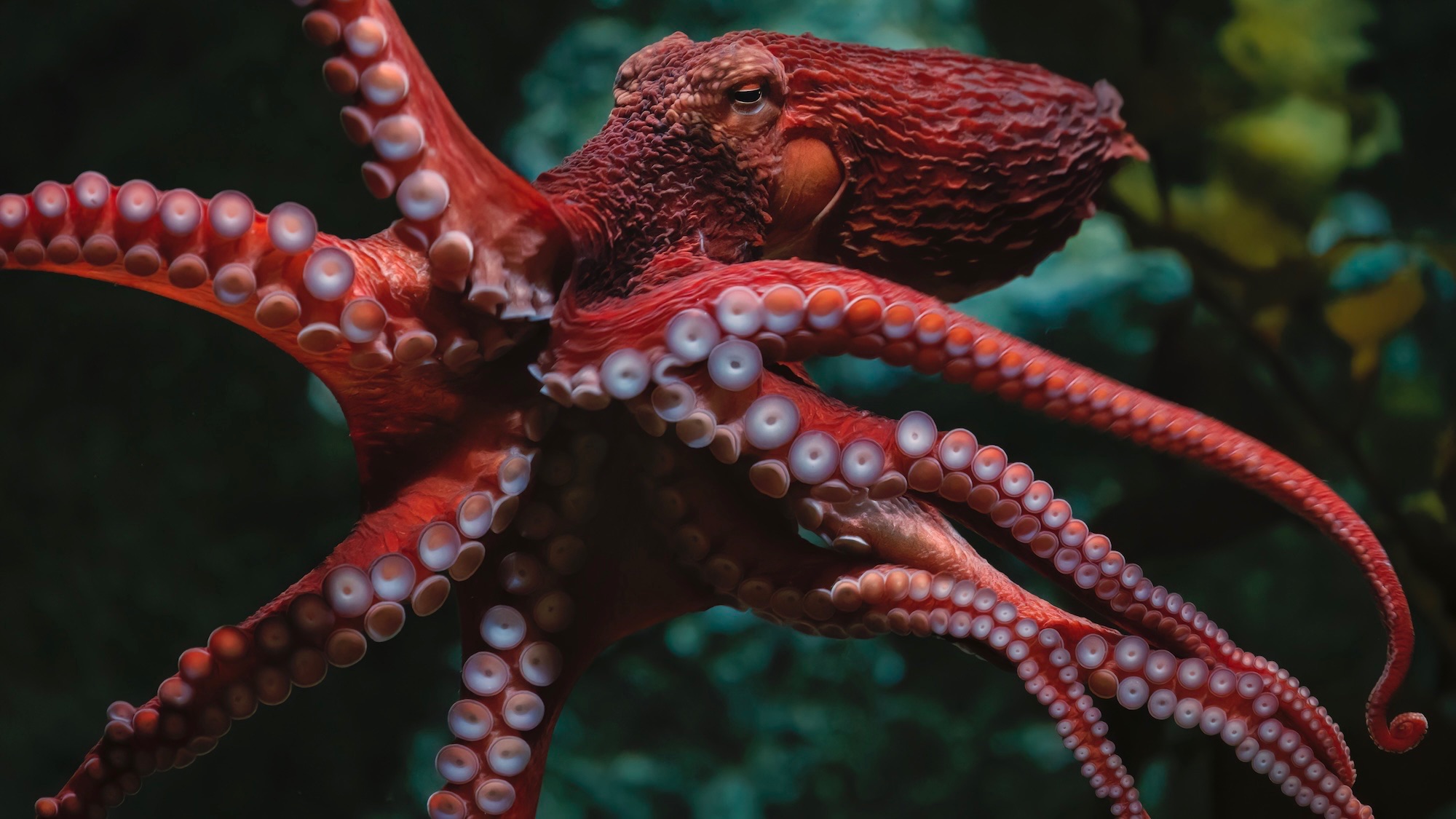
These creatures are masters of their environment, possessing specialized pigment cells called chromatophores that allow them to change color and texture instantaneously to blend into their surroundings. Beyond their camouflage, their physiology is a marvel of evolution. They possess three hearts and blue blood, which uses copper-based hemocyanin to transport oxygen rather than the iron-based hemoglobin found in humans. This adaptation is particularly efficient at transporting oxygen in cold, low-oxygen water.
One common concern among the public when viewing weighing procedures is the octopus’s temporary removal from the water. Jaros reassures that while octopuses are strictly aquatic, they can safely tolerate brief periods of exposure to air. Their skin must remain moist to facilitate some level of oxygen exchange, and their gills—located inside the mantle—can function for a short duration as long as they do not dry out. The rapid-fire nature of the Aquarium of the Pacific’s weighing protocol ensures that Glinda is never at risk of respiratory distress.
Chronology of Care and Growth Monitoring
The care of an octopus is a race against time. Giant Pacific octopuses have a relatively short lifespan, typically living only three to five years. They are "semelparous," meaning they reproduce once and then enter a period of senescence followed by death. Because of this compressed life cycle, their growth is incredibly rapid.
- Juvenile Stage (0–6 Months): Octopuses begin life as paralarvae, drifting in the plankton. At this stage, they are extremely vulnerable and weigh only a fraction of a gram.
- Early Development (6–12 Months): Once they settle on the benthos (the ocean floor), their growth rate accelerates. They are voracious predators, consuming crabs, clams, and small fish.
- Current Status (12–18 Months): Glinda is currently in this stage. At 17 pounds, she is transitioning from a juvenile to a sub-adult. Regular weighing during this period is vital because it confirms that she is successfully metabolizing her diet and gaining the mass necessary for her eventual adult stage.
- Maturity (2–5 Years): The animal will reach its maximum size. Monitoring weight at this stage helps aquarists identify the onset of senescence, allowing them to provide palliative care and adjust the environment to suit the aging animal’s needs.
Implications for Marine Husbandry and Conservation
The techniques developed for Glinda have broader implications for the field of marine biology and zoological conservation. By sharing these methods through social media and professional networks, the Aquarium of the Pacific contributes to a global database of cephalopod husbandry knowledge.
Cephalopods are increasingly being recognized as sentient beings requiring complex care standards. In many jurisdictions, including the European Union, octopuses are granted legal protections in research settings similar to those of vertebrates. The use of positive reinforcement training rather than forceful intervention aligns with the modern ethical shift toward "low-stress handling" in animal care.
Furthermore, the data collected from Glinda’s growth curve provides a baseline for comparing the health of wild populations. As climate change alters ocean temperatures and acidity, the growth rates and metabolic demands of wild Enteroctopus dofleini may shift. Baseline data from healthy, well-monitored individuals in accredited aquariums like the Aquarium of the Pacific is essential for scientists trying to understand these environmental impacts.
Analysis of Veterinary Challenges
The weighing of an octopus is a prime example of the "workarounds" required in marine veterinary medicine. Unlike a dog or a cat, an octopus cannot be easily held in place. Their lack of a skeleton means that their body shape is constantly shifting, and their suction-cup-lined arms can latch onto scales, tables, or the handlers themselves, making it difficult to get a "clean" reading.
The use of the basket method solves several problems simultaneously:
- Containment: It prevents the octopus from escaping or attaching itself to the scale.
- Precision: By allowing water to drain, it eliminates the variable weight of the aquatic medium.
- Speed: It minimizes the time the animal spends out of its habitat, reducing physiological stress.
This methodological rigors ensures that the Aquarium of the Pacific maintains its status as a leader in marine animal welfare. The facility, which houses over 12,000 animals and emphasizes the conservation of the Pacific Ocean, continues to use Glinda’s checkups as both a vital health tool and an educational opportunity for the public.
As Glinda continues to grow, her care team will adapt their methods. Eventually, she may outgrow the small basket used in the recent video, requiring larger equipment and perhaps even different training cues. However, the core philosophy will remain the same: prioritizing the animal’s comfort and agency while gathering the data necessary to ensure a long, healthy life in the heart of Long Beach. Through these efforts, the Aquarium of the Pacific not only cares for a single octopus but also fosters a deeper global understanding of the complex lives of cephalopods.