



The history of medical science is frequently characterized by a tension between crude mechanical innovation and the complex ethical considerations that govern modern practice. Recent investigations into the archives of dental history and cellular biology, highlighted by researchers and historians associated with Popular Science, reveal a timeline of human ingenuity that stretches from the Paleolithic era to the height of the French Enlightenment. These findings underscore a narrative of progress that is as much about the development of physical tools—such as the 18th-century orthodontic "bandeau"—as it is about the moral evolution of the scientific community, epitomized by the involuntary but monumental contribution of Henrietta Lacks to global health.
The Enlightenment and the Birth of Modern Orthodontics
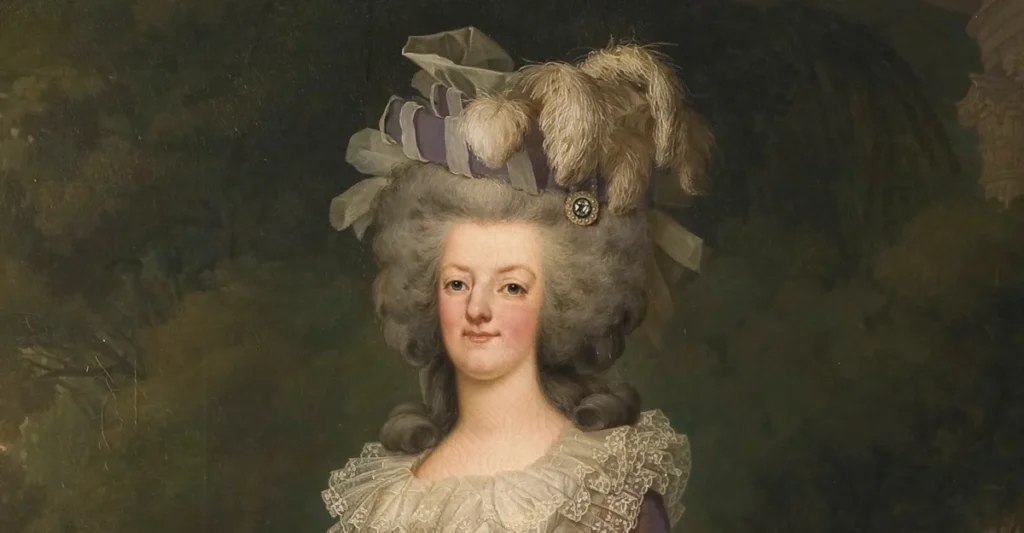
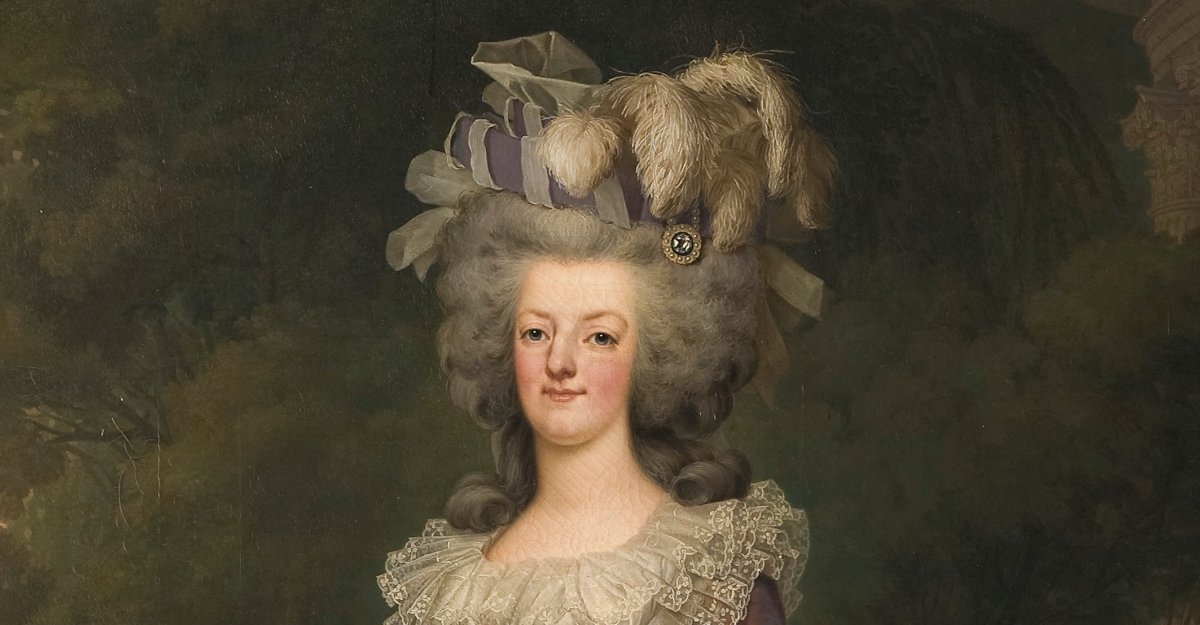
While the aesthetic pursuit of straight teeth is often viewed as a modern preoccupation, its formal scientific roots are firmly planted in 18th-century France. Historical records and dental archives suggest that Marie Antoinette, the last Queen of France before the Revolution, may have been one of the most high-profile early recipients of orthodontic intervention. Before her arrival at the French court in Versailles, Marie Antoinette underwent a rigorous "makeover" to align her appearance with the expectations of the Bourbon monarchy. This likely included dental work to correct what contemporary observers described as a crooked smile.
The architect of this era’s dental revolution was Pierre Fauchard, widely regarded as the "Father of Modern Dentistry." In 1728, Fauchard published Le Chirurgien Dentiste (The Surgeon Dentist), a seminal text that moved dentistry away from the realm of itinerant "tooth-pullers" and into the sphere of professional medicine. Fauchard’s most significant contribution to orthodontics was the "bandeau," a horseshoe-shaped device made of precious metals like gold or silver.
The bandeau functioned on the same mechanical principles as modern braces: the application of steady, directed pressure. Dentists would anchor the metal arch to the teeth using silk threads or thin wires, manually tightening them to pull misaligned teeth into the correct position. Unlike modern braces, which utilize brackets and memory-wire technology to minimize discomfort and maximize precision, the bandeau was a blunt instrument. It required significant manual force and lacked the nuanced control of 21st-century appliances. Nevertheless, the success of these early treatments among the French aristocracy set a global standard for dental aesthetics that persists today.
The Ethical Intersection of Science and Humanity: Henrietta Lacks
While the development of dental tools illustrates the progression of physical medicine, the story of Henrietta Lacks represents a critical turning point in medical ethics and cellular biology. In 1951, Lacks, a 31-year-old African American mother of five, sought treatment for cervical cancer at Johns Hopkins Hospital, one of the few facilities at the time that treated Black patients. During her treatment, a sample of her cancerous tissue was taken without her knowledge or consent—a practice that was legal but ethically fraught at the time.
In the laboratory of Dr. George Gey, these cells exhibited a behavior never before seen in human biology: they did not die. While most human cell lines perished within days, Lacks’ cells doubled every 20 to 24 hours. These "immortal" cells, labeled HeLa (derived from the first two letters of her first and last names), became the first stable human cell line available for medical research.
Scientific Milestones Facilitated by HeLa Cells
The impact of HeLa cells on global medicine cannot be overstated. For over seven decades, they have served as a cornerstone of biological research, contributing to:
- The Polio Vaccine: In the early 1950s, Jonas Salk used HeLa cells to test the first effective polio vaccine, leading to the near-eradication of the disease.
- Gene Mapping: HeLa cells were used in the development of the first methods for staining and counting chromosomes, which laid the groundwork for the Human Genome Project.
- Cancer Research: Scientists have utilized HeLa cells to study the effects of radiation and various chemotherapy drugs on malignant tissue.
- Viral Studies: HeLa cells were instrumental in understanding how viruses like HIV and, more recently, SARS-CoV-2 (COVID-19) infect human cells.
Despite these breakthroughs, the Lacks family remained unaware of Henrietta’s biological legacy for decades. The case has become a focal point for discussions regarding racial disparities in healthcare and the necessity of informed consent. In recent years, the Lacks family has pursued legal action to reclaim control over Henrietta’s likeness and genetic material, resulting in a landmark settlement in 2023 with a major biotechnology company. This ongoing dialogue continues to shape modern regulations, including the Federal Policy for the Protection of Human Subjects, known as the "Common Rule."
Paleodontistry and the 59,000-Year-Old Patient
The timeline of dental intervention extends much further back than the 18th century, reaching into the deep history of the human genus. Recent archaeological findings have challenged the assumption that prehistoric humans lacked the knowledge to treat dental ailments. A 59,000-year-old Neanderthal molar, discovered in what is now modern-day Slovenia, shows evidence of what some researchers believe to be the earliest known attempt at dental surgery.
Analysis of the tooth revealed a vertical crack and a large cavity that appeared to have been manually altered. Using scanning electron microscopy (SEM), researchers identified microscopic striations consistent with the use of a primitive drill or scraping tool. To test this hypothesis, scientists performed experimental archaeology, using flint tools on modern teeth to replicate the marks. The results suggested that the Neanderthal individual may have sought to relieve the pain of an infection by scraping away decayed tissue.
The Evolution of Dental Materials
As human societies transitioned from hunter-gatherer lifestyles to agricultural ones, the shift in diet—specifically the increase in starchy, sugar-rich grains—led to a surge in dental decay. This necessitated more sophisticated treatments:
- 13,000 Years Ago: Archaeological sites in Italy have yielded teeth containing bitumen (a natural tar) used as a filling material, indicating that Stone Age humans were already practicing restorative dentistry.
- The Etruscans (700 BCE): This ancient civilization in Italy pioneered the use of dental bridges. They used gold bands to secure human or animal teeth into the gaps of a patient’s mouth, a precursor to modern prosthodontics.
- The Mayans (300-900 CE): Mayan dentists demonstrated advanced skill in cosmetic dentistry, drilling holes into teeth to inlay precious stones like jade and turquoise, often using a slurry of crushed quartz as an abrasive.
Broader Implications and Scientific Analysis
The synthesis of these historical narratives reveals a consistent drive toward the preservation of health and the enhancement of the human form, though often at a high cost. The transition from the "blunt instruments" of the 18th century to the molecular precision of the HeLa cell line marks a shift from treating the body as a mechanical object to understanding it as a complex biological system.
From a sociological perspective, the history of dentistry and medical research reflects the hierarchies of the eras in which they developed. The orthodontic treatments of the French court were accessible only to the elite, serving as a marker of status. Conversely, the story of Henrietta Lacks highlights how marginalized populations have often provided the biological foundation for medical advancements from which they did not always benefit.
The current trajectory of medical science is focused on reconciling these historical imbalances through stricter ethical frameworks and the democratization of healthcare. The study of "weird" or "strange" historical facts—such as Marie Antoinette’s braces or Neanderthal drills—is not merely an exercise in curiosity; it is a vital method for contextualizing modern practice. By understanding the primitive origins of our current tools and the ethical failures of our past, the scientific community can better navigate the complexities of the future, ensuring that the next 50,000 years of human health are defined by both innovation and integrity.
The ongoing research into these fields, as disseminated by institutions like Popular Science, ensures that the public remains informed about the origins of the medical technologies they rely on today. As we look toward 2025 and beyond, the integration of historical context with cutting-edge innovation remains the most effective way to advance the human condition.