


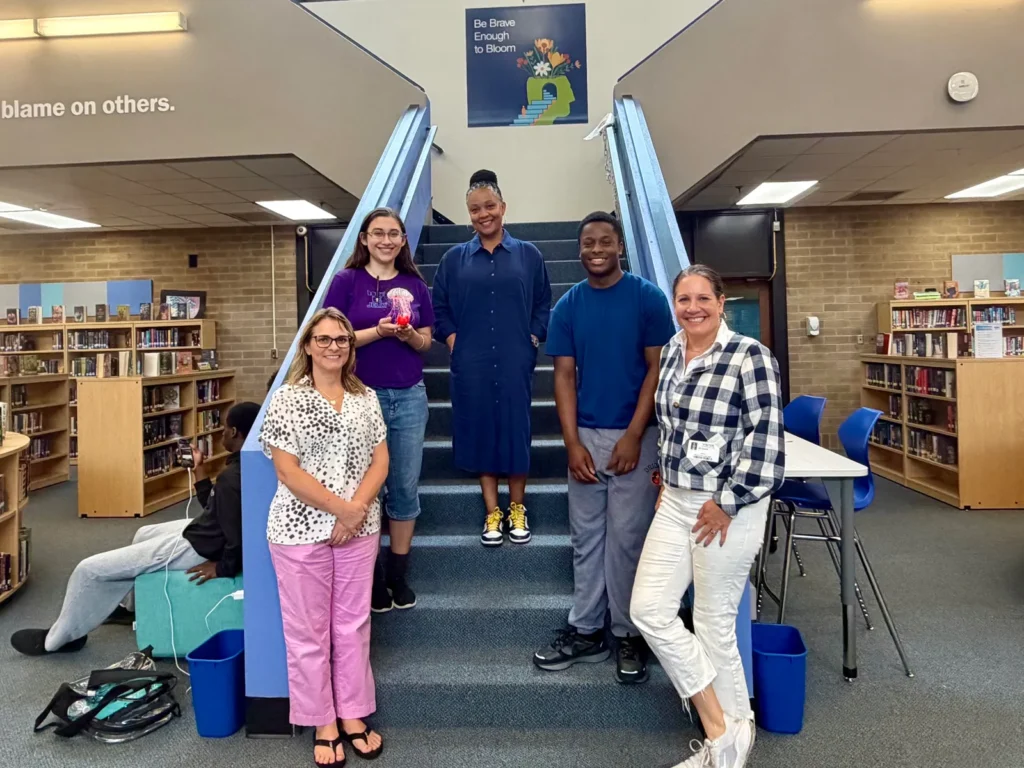
GREENBELT, Md. – A sweeping initiative to modernize school libraries across Prince George’s County Public Schools (PGCPS) is breathing new life into educational spaces, aiming to foster enhanced learning environments for thousands of students and educators. The ambitious project, which saw 48 libraries undergo significant renovations between July 2025 and August 2026, represents a significant investment in the district’s commitment to providing updated and inspiring resources for its student body. The initiative, a collaborative effort involving the school district, the nonprofit Heart of America, and the Pull Up Fund, has revitalized spaces that, in some instances, had remained unchanged since the 1970s.
A Districtwide Overhaul: From Outdated to Outstanding
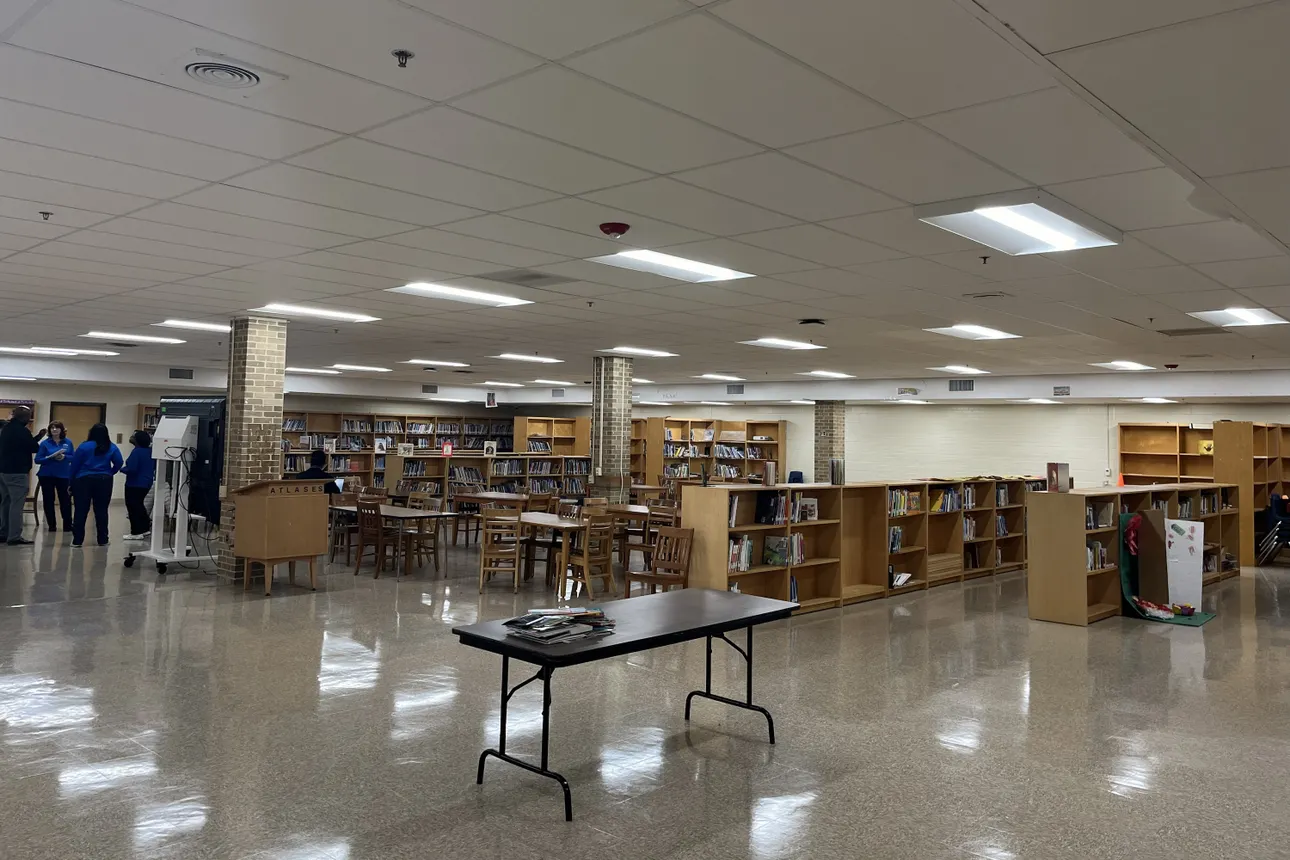
The scale of the undertaking is substantial, impacting approximately 26,000 students and 12,000 educators who will now benefit from these newly designed learning hubs. For years, many school libraries across the county grappled with challenges such as insufficient natural light, limited visibility within the space, outdated furniture, and collections of books that had not been updated in decades. The average age of the book collection at Eleanor Roosevelt High School, for example, was a stark 2001, before its recent transformation.
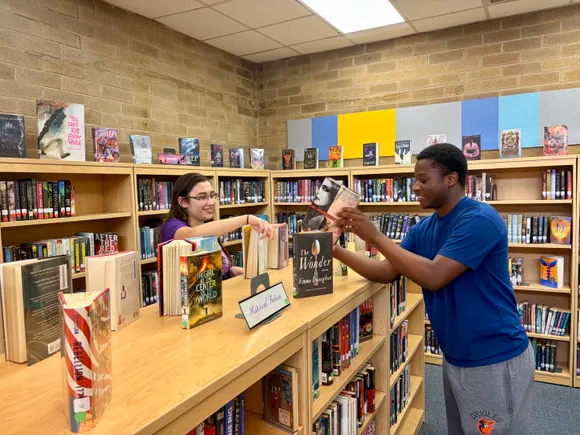
Tammi Tatro, head librarian at Eleanor Roosevelt High School, articulated the frustrations common to many of her colleagues. "It lacked sufficient natural light, she had no sight lines into several corners of the space, and the average age of the library’s book collection dated to 2001," the original report stated. Despite these challenges, the library remained a vital center for student activity, serving as a space for research, collaborative learning, and social interaction during lunch periods.
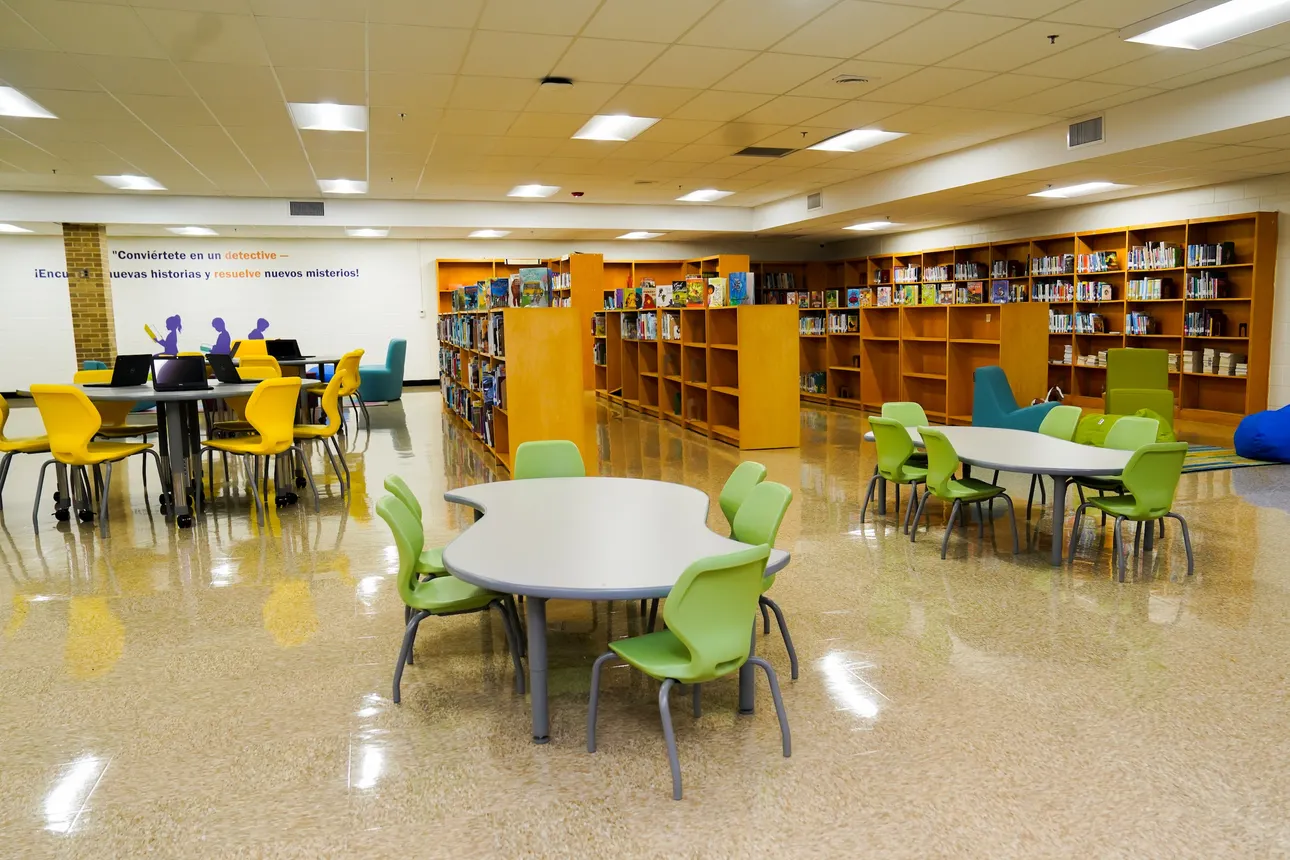
The renovation at Eleanor Roosevelt High School, completed in December, exemplifies the broader district-wide effort. The project introduced modern lighting, vibrant murals, comfortable and functional furniture, updated technology, and, crucially, thousands of new, culturally relevant, and diverse books. This infusion of fresh content has demonstrably impacted student engagement. "A lot of them have come in and said, ‘Oh, this is what a library is supposed to look like,’" Tatro shared, noting that the average age of the library’s collection now dates to 2013, a significant improvement. The result has been an increase in library visits, indicating a renewed interest and appreciation for the updated space.
Coquette Petrella, supervisor for the Office of Library Media Services in PGCPS, expressed her enthusiasm for the project’s positive outcomes. "I think the biggest benefit, of course, is students having the opportunity to be in a new space with vibrant colors that’s more welcoming," she stated. Beyond aesthetics, Petrella emphasized the enhanced opportunities for student collaboration and the creation of more inviting gathering spaces for teachers and families. The stark contrast between the pre-renovation and post-renovation libraries underscores the impact of these upgrades. Some libraries were still furnished with original designs from as far back as the 1970s, a testament to the urgent need for modernization. Petrella believes that these vibrant and welcoming spaces can have a profound positive academic and social impact, fostering a sense of pride among students.
A Collaborative Effort: Funding and Vision
The significant transformation of 48 libraries was made possible through a powerful partnership. Heart of America, a national nonprofit dedicated to transforming learning spaces for underserved students, played a pivotal role in planning and executing the renovations. The Pull Up Fund, a local philanthropic organization, provided crucial financial backing, donating $5 million to the initiative. This substantial contribution significantly reduced the financial burden on the school district, which also leveraged its own maintenance staff to assist with the physical aspects of the renovations.
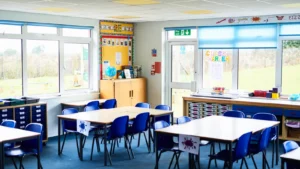
While no structural changes were undertaken, the upgrades focused on enhancing the functionality and appeal of the existing spaces. These included new lighting systems to improve visibility and ambiance, contemporary furniture designed for comfort and collaboration, fresh paint to create a more inviting atmosphere, and the integration of modern technology. Heart of America highlighted that each renovation project was tailored to the specific needs and intended uses of the individual school, developed through close collaboration with district teachers, librarians, administrators, and, importantly, students themselves. This collaborative approach ensured that the transformed libraries would effectively serve their respective school communities.
The renovations were implemented in phases across the district, with each project typically taking between several weeks and two months to complete. This staggered approach allowed for efficient resource allocation and minimized disruption to school operations. Prince George’s County Public Schools is a significant educational entity, serving 132,123 students in the 2024-25 school year, making it Maryland’s second-largest and the 18th largest school district in the nation. The sheer scope of this library renovation initiative within such a large district is noteworthy.
Technological Advancements and Resource Enrichment
Beyond aesthetic improvements, the renovated libraries received a substantial influx of new resources. Collectively, the 48 schools received approximately 25,000 new books, ensuring that student access to current and diverse literature is significantly enhanced. Furthermore, the project incorporated 1,500 technology devices and tools, including smart TVs, projectors, computer stations, and innovative resources like 3D printers and robotics kits. These additions aim to equip students with the tools necessary for 21st-century learning, fostering skills in areas such as digital literacy, critical thinking, and problem-solving.
The Prince George’s County Public Schools renovation effort marked a significant milestone for Heart of America, representing its first districtwide, simultaneous library transformation initiative. Over its 30-year history, the Washington D.C.-based nonprofit has been instrumental in transforming over 1,400 learning spaces nationwide, providing more than 4.4 million books and $14.3 million in technology. Jill Hardy Heath, president and CEO of Heart of America, articulated the organization’s philosophy: "We start by thinking big, but then working down to what we can do with the support and budget we have." This approach allows them to translate ambitious visions into tangible realities for students.
Heath further explained that Heart of America’s success in undertaking numerous projects annually is due to its strategic partnerships and its ability to negotiate favorable discounts with vendors. This financial acumen allowed the initial target of 47 library renovations to expand to 48, with the potential for further expansion due to cost savings.
The Bonnie F. Johns Library: A District Resource
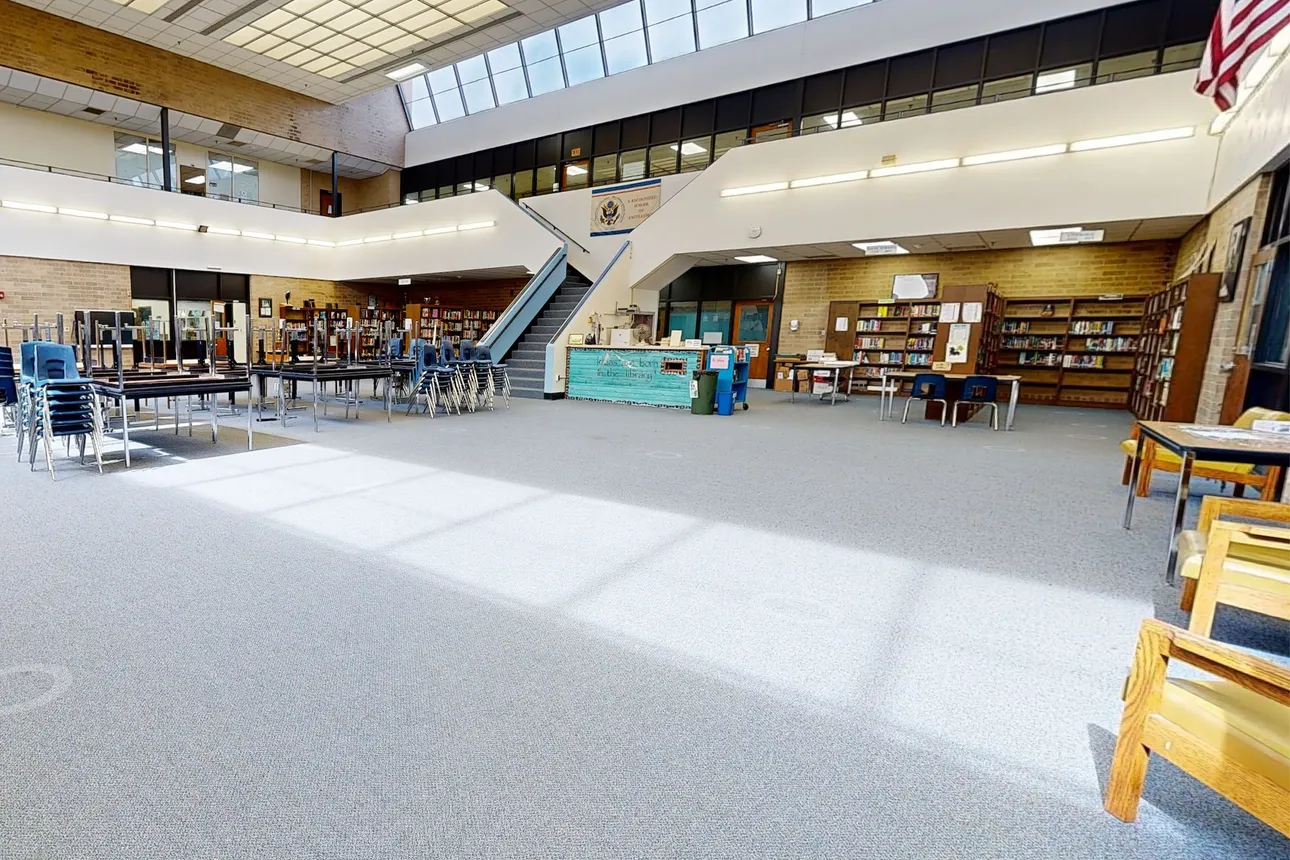
Among the renovated spaces is the Bonnie F. Johns Library, also known as the Educational Media Center or professional library. This unique facility serves the entire PGCPS district, providing a vital resource for current and aspiring librarians and educators. It offers professional training and access to specialized resources, supporting the ongoing development of the district’s library media professionals. The renovation of this central hub ensures that those responsible for shaping the learning environments in individual schools have access to the most current tools and professional development opportunities.
Student Voices and Future Aspirations
The impact of these renovations is keenly felt by students, who are actively engaging with the revitalized spaces. At Eleanor Roosevelt High School, Tammi Tatro and Jill Hardy Heath, along with Principal Portia Barnes and two eleventh-grade library volunteers, Anna Dahlen and Jason Jackatey, recently toured the transformed library. The students shared their positive experiences. Anna Dahlen noted an increase in student engagement with books, observing that the new collection is "more relatable to them." She personally gravitates towards fantasy, fiction, and nonfiction. Jason Jackatey expressed his appreciation for the expanded manga section and the improved organization, which allows him to easily locate his favorite books and essential study materials like AP guides. "Everything changed in the library since we renovated it, and it feels more bright," Jackatey commented.
The process of renovation also involved students in a meaningful way. Dahlen and Jackatey assisted in preparing the library for the overhaul by "weeding out" older books, a process that involves identifying and removing outdated or seldom-used materials to make room for new acquisitions. This task, while practical, also offered them a deeper understanding of collection management and the evolution of library resources. Even as they embraced the new, there was a touch of nostalgia, with Tatro and the students reminiscing about the removal of a large Oxford English dictionary. Heath’s immediate offer to replace it and Tatro’s enthusiastic acceptance, highlighting its future use in research projects, exemplifies the ongoing commitment to foundational learning tools, even within a modern context.
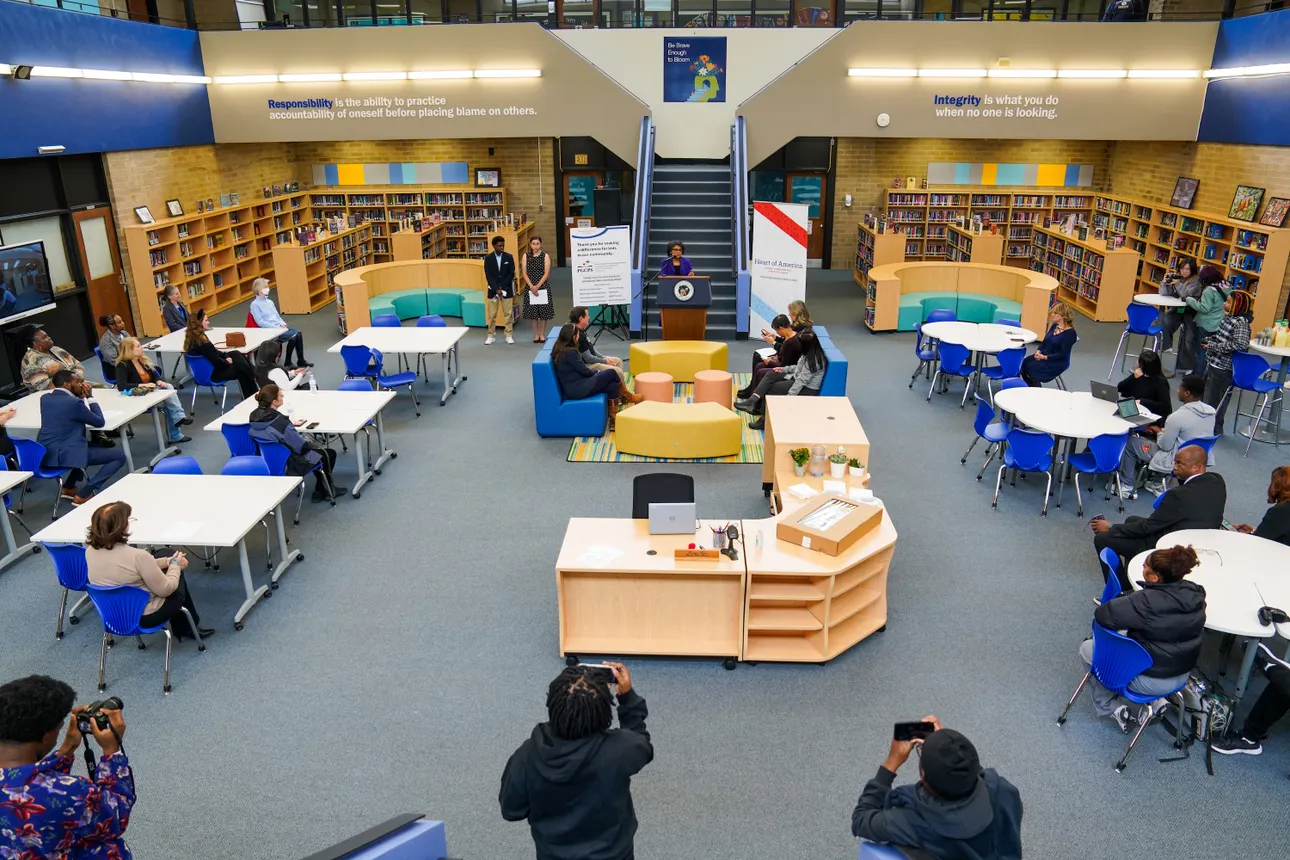
Principal Portia Barnes, an alumna of Eleanor Roosevelt High School, reflected on the library’s evolution. She recalled appreciating the library’s original open-concept design but acknowledged its dated state by the time she became principal four years prior. The renovation has injected much-needed color, openness, and a dynamic "whole media center vibe" into the space. Barnes eloquently stated, "I consider the media center the hub, core or foundation for all teaching and learning," underscoring the library’s central role in the educational ecosystem of the school.
Broader Implications and Future Outlook
The extensive library renovation project in Prince George’s County Public Schools represents more than just an aesthetic upgrade; it signifies a strategic investment in the future of education. By providing students and educators with modern, well-resourced, and inspiring learning environments, the district aims to foster a deeper love of reading, enhance research skills, promote critical thinking, and cultivate a lifelong appreciation for learning. The integration of technology and diverse, culturally relevant collections ensures that students are prepared for the challenges and opportunities of an increasingly complex world.
The success of this districtwide initiative, achieved through strong partnerships and strategic planning, serves as a model for other school districts seeking to revitalize their learning spaces. As Heart of America continues its mission nationwide, the Prince George’s County project stands as a testament to the transformative power of collaborative efforts in creating equitable and enriching educational opportunities for all students. The positive feedback from librarians, educators, and students alike suggests that these renovated libraries will indeed serve as vital hubs for teaching and learning for years to come, empowering the next generation of thinkers, creators, and leaders.