


The release of new research by Dr. Heide Island, a professor of biological psychology and behavioral ecology at Pacific University, provides a comprehensive analysis of the complex social lives and behavioral patterns of North American river otters and sea otters. Drawing from longitudinal field studies and observations in controlled environments, Dr. Island’s work, set for publication in early 2026, challenges long-standing perceptions of otters as merely "playful" animals. Instead, the research frames their characteristic "romping" and "juggling" as vital indicators of social intelligence, physical health, and evolutionary adaptation. By examining the intersections of ethology, neuroscience, and conservation, the study offers a rigorous look at how these apex predators utilize play to navigate their environments and maintain social cohesion.
Field Observations: Social Dynamics in the Wild
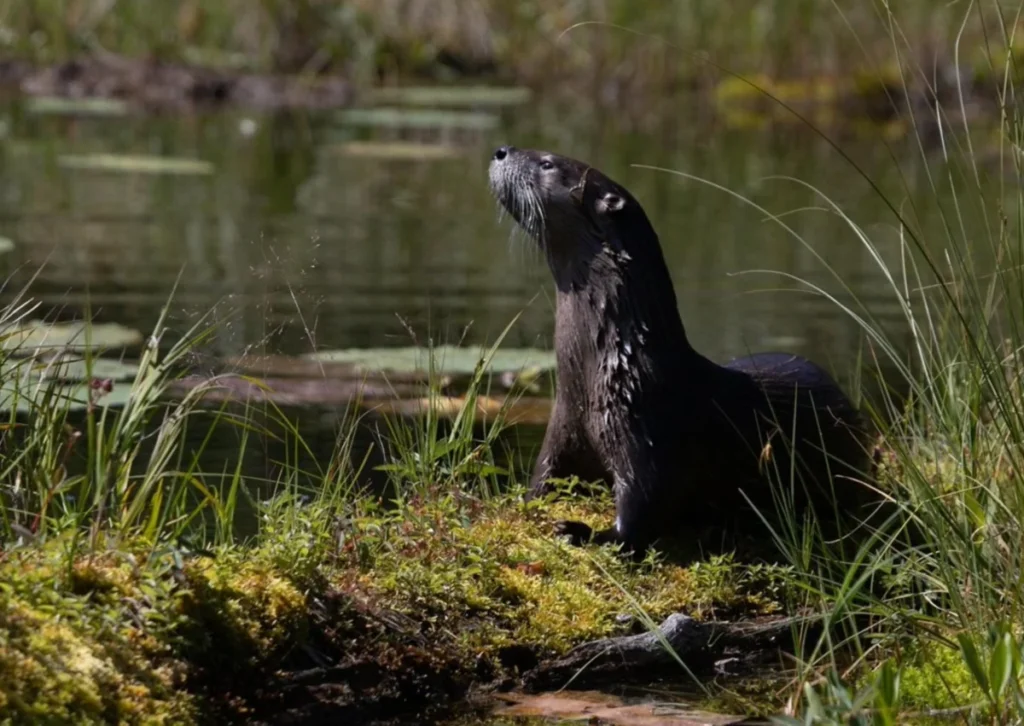
In the predawn hours on Whidbey Island, Washington, researchers have documented specific social interactions that illustrate the fluid nature of otter groups. Observations of a female-led group—including individuals identified as Patches, Crest, and Slash—reveal the strategic nature of their movements. By exploiting the freezing temperatures of Admirals Lake, the otters hunt fish made sluggish by the cold, demonstrating a calculated approach to foraging that precedes their social interactions.
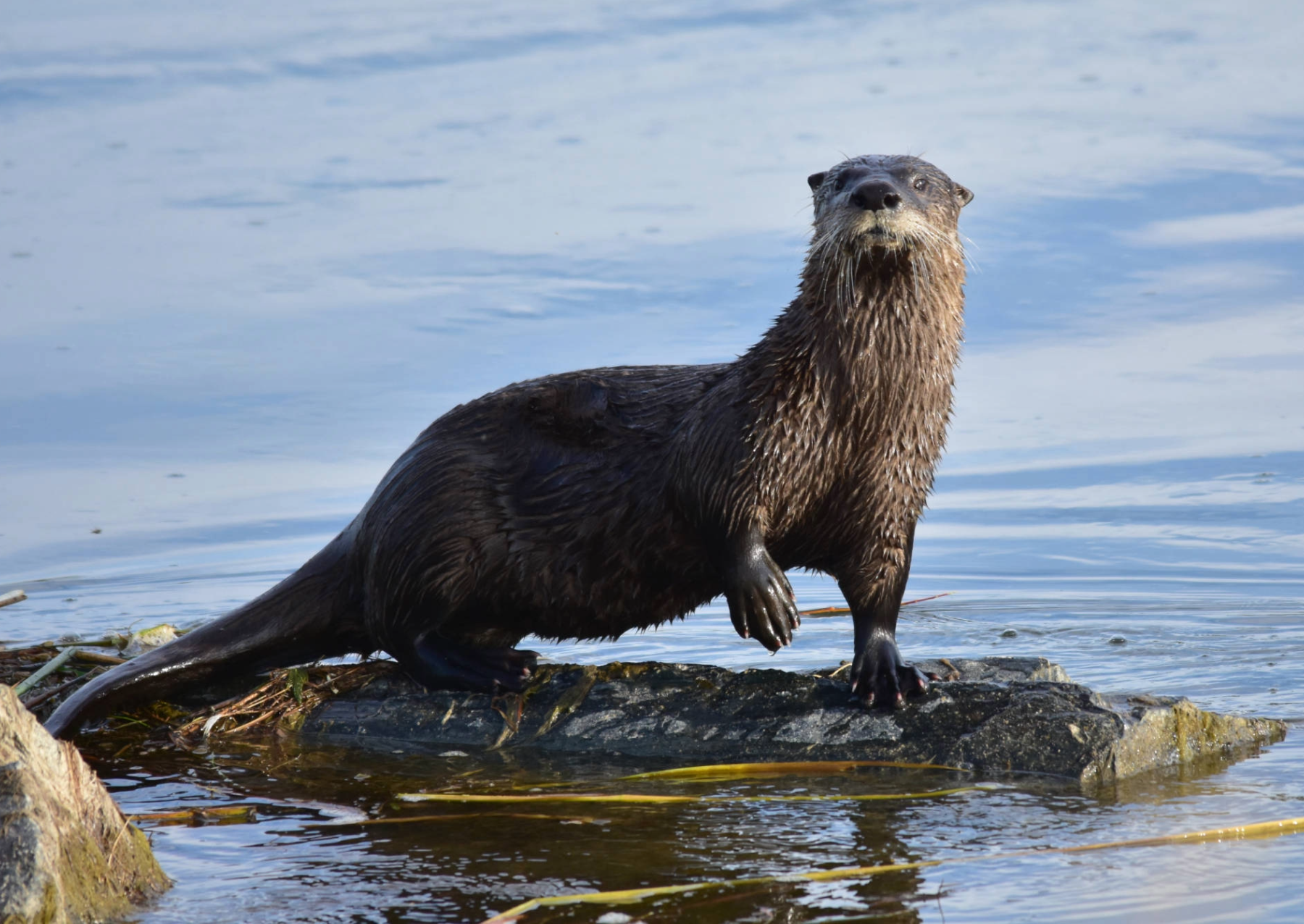
The introduction of unfamiliar otters into a established territory often triggers a series of complex vocalizations and postures. Dr. Island’s observations detail a "solicitation to play" rather than aggression when a bachelor group of five young males, termed "The Lost Boys," encountered the resident females. These social coalitions among young males are a documented phenomenon, particularly among marine-foraging river otters. These groups provide a survival advantage to juveniles who have recently been evicted from their maternal family groups. In these bachelor rafts, young otters engage in cooperative foraging, which increases their success rate in capturing high-quality prey while their individual hunting skills are still developing.
The Evolution of Play Science
For decades, the study of animal play was dismissed by many ethologists as "marshmallow science"—a term used to describe research perceived as lacking rigor or biological relevance. However, the scientific consensus has shifted significantly. Early pioneers like Robert Fagan, author of Animal Play Behavior, established a correlation between play in juvenile animals and increased longevity and health in adulthood.
This foundation was expanded by Marc Bekoff, who posited that play serves as "practice" for biologically relevant behaviors, such as hunting, fleeing, and mating. From a neuroscientific perspective, Jaak Panksepp identified play as one of the seven primal brain circuits that motivate purposeful behavior. Panksepp’s research suggests that play functions as "aerobics for the brain," facilitating the development of social joy and cognitive flexibility. This social intelligence allows animals to learn, solve problems, and adapt to novel circumstances within their social hierarchies.
To distinguish true play from other behaviors, scientists utilize the five criteria established by ethologist Gordon Burghardt:
- The behavior is not fully functional in the context it occurs.
- The behavior is spontaneous, voluntary, and intentional.
- The behavior differs from "serious" behaviors in form or timing.
- The behavior is repeated but not in a stereotypical, repetitive way.
- The behavior occurs when the animal is in a "relaxed field," free from immediate threats or stressors.
Historical Context and Population Recovery
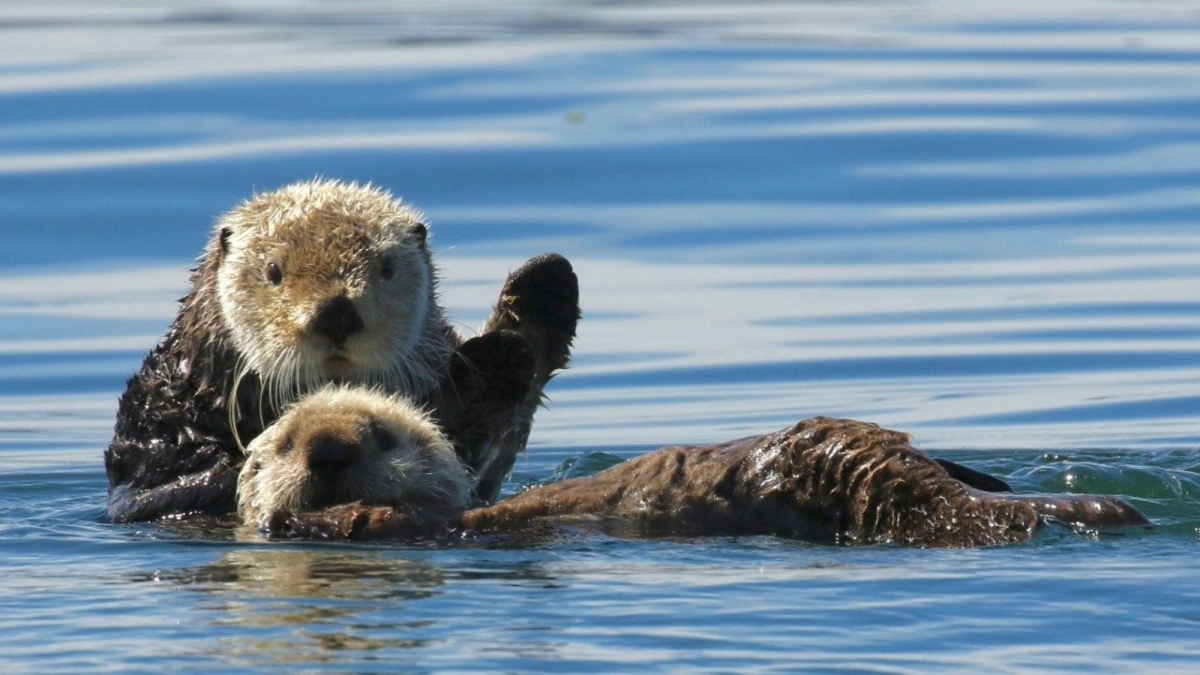
The status of sea otters in the Pacific Northwest is inextricably linked to reintroduction efforts in the late 20th century. Between 1969 and 1970, 59 sea otters were relocated from Amchitka Island, Alaska, to the Olympic Peninsula in Washington. This translocation was a critical intervention following the near-extirpation of the species during the maritime fur trade.
Today, the descendants of those survivors inhabit regions like Clallam Bay and Neah Bay. Annual surveys conducted by the Washington State Department of Fish and Wildlife, in collaboration with the Quinault Indian Nation and various federal agencies, monitor these populations. Data from 2022 indicated that some sea otters have expanded their range up to four miles offshore, though they maintain high fidelity to specific nearshore kelp beds for foraging. These populations provide a unique opportunity for longitudinal studies on bachelor rafts—groups of non-breeding males that can number from a dozen to over a hundred individuals, as seen in the famous "Jetty Road Boys" of Monterey, California.
The Risks of Anthropomorphism and Neoteny
One of the primary challenges in otter research is the human tendency toward anthropomorphism—attributing human emotions or intent to animal behavior. Otters possess "neotenous" features, such as large foreheads, wide eyes, and round faces, which trigger a nurturing instinct in humans. This often leads the public to view otters as "cute" or "friendly," overlooking their roles as formidable carnivores.
In reality, otters are members of the Mustelidae family, sharing a lineage with wolverines, badgers, and weasels. They are known to be territorial and, in certain circumstances, aggressive. Reports from Santa Cruz, California, and various regions in Eurasia have documented otters attacking humans, dogs, and even engaging in cannibalism. Dr. Island emphasizes that understanding the "true nature" of the otter requires looking past their physical appearance to observe their behaviors through an objective, scientific lens.
Behavioral Wellness in Controlled Environments
In zoos and aquariums, the study of play takes on a practical application for animal welfare. In captive settings, animals may experience "Abnormal Repetitive Behaviors" (ARBs), such as pacing or over-grooming, which often stem from understimulation or chronic anxiety. Play serves as a critical intervention to prevent these behaviors.
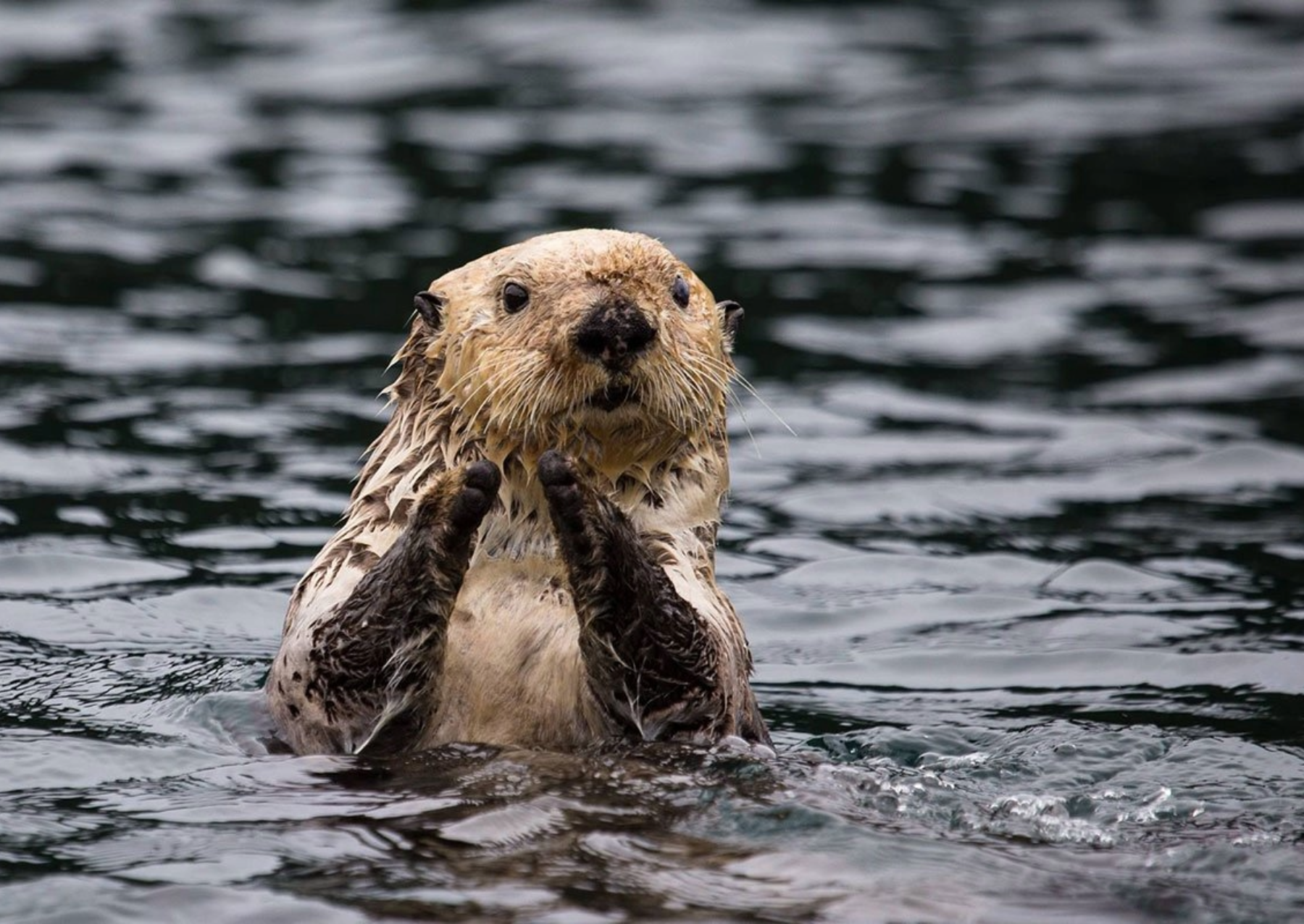
Comparative studies between the Oregon Coast Aquarium, the Oregon Zoo, and the Monterey Bay Aquarium have evaluated how different social structures impact behavioral wellness. Research indicates that bachelor rafts in captivity, such as the one at the Oregon Coast Aquarium, often exhibit high levels of play and low levels of ARBs. This suggests that for male sea otters, the absence of territorial competition in a social group allows for more "activity budget" to be spent on play.
Enrichment programs have also utilized natural behaviors for therapeutic purposes. A notable example involved Eddie, an elderly male sea otter at the Oregon Zoo, who was trained to "shoot hoops" in a miniature basketball hoop. This activity was designed to combat arthritis in his joints by encouraging "spy hopping"—a natural behavior where otters lift their upper bodies out of the water to investigate their surroundings. Such programs demonstrate how captive environments can mimic wild challenges to maintain an animal’s cognitive and physical health.
Analysis of Implications
The ongoing research into otter behavior has significant implications for both conservation and captive management. By defining play as a metric for health, conservationists can better assess the vitality of wild populations. If a "romp" of otters ceases to play, it may serve as an early warning sign of environmental stressors, such as prey scarcity or habitat degradation.
Furthermore, the study of social coalitions among bachelors provides insight into the dispersal patterns of the species. As sea otter populations in Washington and California continue to recover and expand, understanding how these male groups establish new territories will be crucial for managing human-wildlife interactions and protecting marine ecosystems.
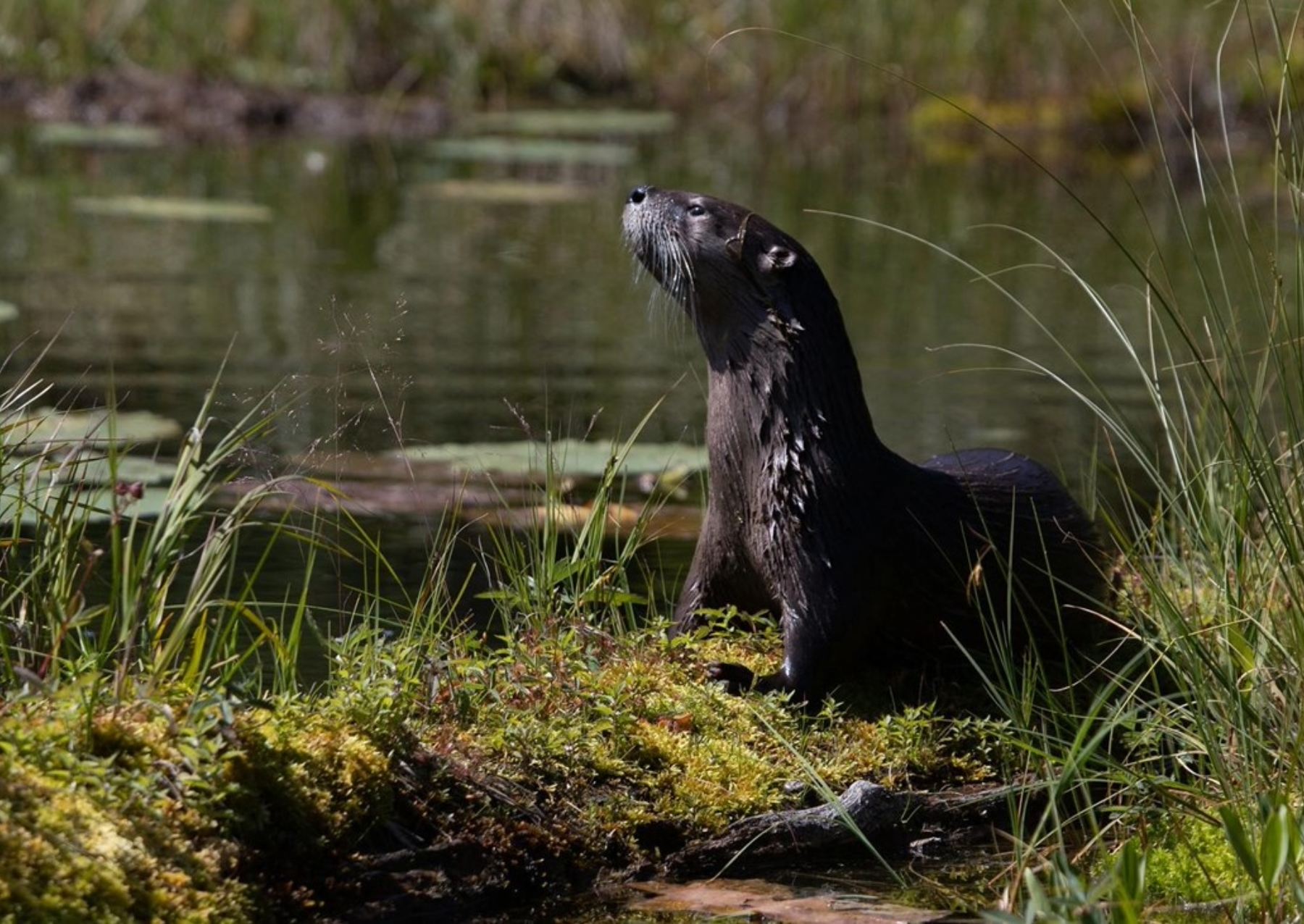
The work of Dr. Heide Island and her colleagues underscores that while the "scat dance" or the "snow slide" may appear whimsical to the casual observer, these actions are the result of millions of years of evolutionary refinement. They are the visible manifestations of a high-functioning nervous system and a complex social structure that allows the otter to thrive in some of the world’s most demanding aquatic environments. As research continues, the goal remains to move beyond the "playful" caricature and appreciate the otter as a sophisticated, resilient, and essential component of the natural world.