




The landscape of K-12 education is currently defined by a dual focus: increasing federal oversight on district policies concerning LGBTQ+ students and a complex, often contradictory, picture of academic progress in the wake of recent disruptions. These two critical areas are shaping the operational realities and policy debates within school systems nationwide, as evidenced by recent reports and legislative actions.
Federal Oversight Tightens on District Policies
Recent weeks have seen a marked increase in federal scrutiny directed at how school districts are addressing issues related to LGBTQ+ students. This heightened attention stems from a growing number of parental complaints and concerns raised by advocacy groups, leading to investigations and reviews by federal agencies. While specific details of ongoing investigations are often confidential, the trend indicates a proactive stance from federal bodies tasked with ensuring equitable access and protection for all students.
The Department of Education, through its Office for Civil Rights, has been reportedly examining several district policies that have become points of contention. These policies often involve issues such as gender identity, access to facilities, and curriculum content related to LGBTQ+ topics. The federal government’s involvement suggests a desire to establish clearer national guidelines and ensure that existing civil rights laws are being interpreted and applied consistently across diverse educational settings.
Background context for this intensified scrutiny can be traced to a broader national conversation about LGBTQ+ rights and inclusivity, which has increasingly permeated the K-12 environment. Debates over parental rights, curriculum transparency, and the role of schools in addressing social and emotional development have converged, creating a complex policy environment for districts. Federal intervention, in this instance, appears to be an attempt to navigate these contentious issues and provide a framework that balances various stakeholder interests.
The implications of this federal oversight are significant for school districts. It necessitates a thorough review of existing policies, potential revisions to comply with federal interpretations, and increased transparency with parents and the community. Districts may face the challenge of balancing local control with federal mandates, ensuring that their policies are both legally compliant and responsive to the needs of their student populations. This can lead to increased legal counsel engagement, staff training, and public engagement efforts.

Academic Recovery: A Patchwork of Progress and Persistent Gaps
Simultaneously, the nation’s schools are grappling with the ongoing challenge of student academic recovery. While some indicators suggest forward momentum, a comprehensive view reveals a mixed and often uneven picture, with persistent achievement gaps and areas of concern remaining.
Recent data from various sources paints a nuanced portrait of student learning. While national standardized test scores have shown some signs of recovery from the sharp declines experienced during the pandemic, they have yet to return to pre-pandemic levels in many subject areas. This slow, incremental progress highlights the long-term impact of learning disruptions and the ongoing need for targeted interventions.
Supporting data from national assessments, such as the National Assessment of Educational Progress (NAEP), often referred to as the "Nation’s Report Card," has been crucial in tracking these trends. For instance, reports released in recent years have detailed significant drops in reading and mathematics proficiency, particularly among younger students and historically underserved demographic groups. While subsequent reports have indicated some stabilization or modest gains, the overall narrative is one of a significant effort still required to close these learning deficits.
The complexities of academic recovery are multifaceted. Factors contributing to both progress and stagnation include the effectiveness of remediation programs, the availability of qualified teachers, student attendance rates, and the socio-economic conditions of students and their families. The pandemic exacerbated existing inequalities, and the recovery process is unevenly distributed, with some districts and student populations making more substantial gains than others.
Challenges in Retaining Essential Support Staff: A Critical Concern
A particularly alarming trend highlighted in recent surveys is the precarious state of school nursing. Findings from both the National Association of School Nurses (NASN) and Soliant Health, a healthcare staffing provider, have raised significant concerns about the ability of school districts to retain qualified school nurses. This issue has direct implications for student well-being and the overall capacity of schools to address health-related needs.

According to Soliant’s findings, a stark statistic emerged: only 8% of school nurses indicated plans to remain in the education sector until retirement. This suggests a critical workforce shortage looming in the near future. Complementing this, preliminary survey data from NASN indicated that a substantial 66% of school nurses anticipate staying in schools for only three to five years. These figures point to a systemic challenge in creating sustainable career paths and supportive work environments for these vital professionals.
The consequences of this potential shortage are far-reaching. School nurses play a crucial role in managing chronic health conditions, responding to acute illnesses and injuries, providing mental health support, and promoting overall student wellness. A diminished nursing workforce could lead to delayed or inadequate care, increased strain on other school staff, and a greater burden on families seeking essential health services for their children.
Analysis of these retention challenges suggests several contributing factors. School nurses often face high workloads, limited resources, and the emotional toll of dealing with complex health issues in a school setting. Furthermore, compensation packages and opportunities for professional development may not always be competitive with other healthcare roles, leading experienced nurses to seek opportunities elsewhere. Addressing this crisis will likely require a multi-pronged approach, including improved compensation, enhanced professional support, and greater recognition of the invaluable contribution school nurses make to the educational ecosystem.
Budgetary Pressures and Funding Uncertainties
Adding another layer of complexity to the educational landscape is the ongoing debate surrounding federal funding for education. A significant development on this front involves proposed budget cuts to the U.S. Department of Education.
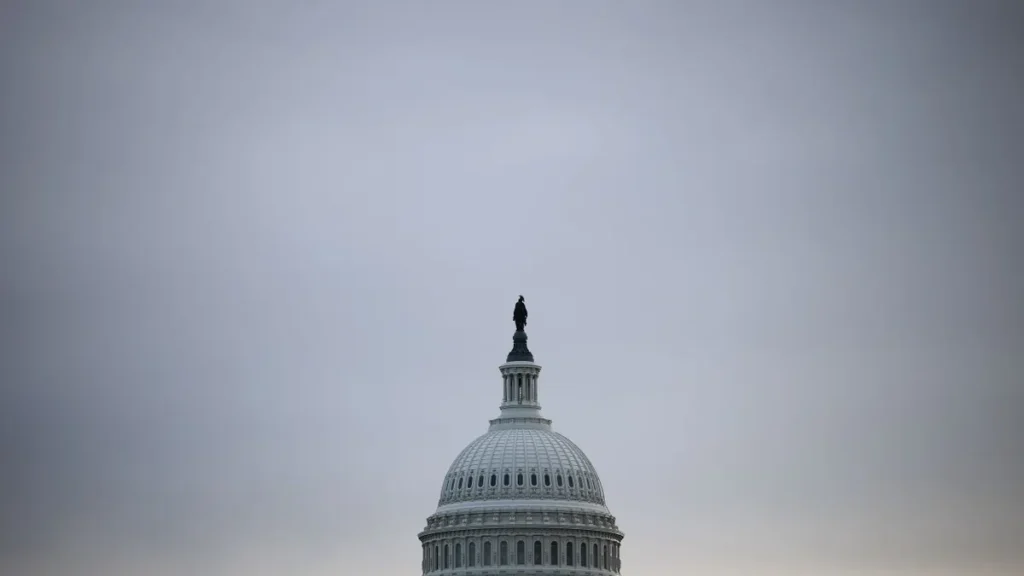
A bill approved by a Republican majority on the House Appropriations Committee on June 9 proposes a 10% funding cut for the Department of Education for fiscal year 2027. This legislation outlines a budget of $71 billion for the Education Department in FY27, a notable decrease from its current fiscal year appropriation of $79 billion.
This proposed reduction has sparked considerable debate. Proponents of the cuts often cite the need for fiscal responsibility and a reevaluation of federal spending priorities. They may argue that states and local districts should bear a greater responsibility for educational funding and that federal intervention should be focused on core mandates rather than broader programmatic support.

Conversely, critics of the proposed cuts express deep concern about the potential impact on federal education programs. These programs often support initiatives aimed at improving educational equity, providing resources for students with disabilities, funding early childhood education, and supporting research and innovation in teaching and learning. A significant reduction in funding could jeopardize these efforts and disproportionately affect vulnerable student populations.
The bill now proceeds to the full House for consideration. Meanwhile, the Senate is expected to develop its own version of a Labor, Health and Human Services Education and Related Agencies FY27 appropriations bill in the coming months. The differing approaches between the House and Senate will likely lead to further negotiations and ultimately shape the final federal education budget for the upcoming fiscal year. The outcome of these budgetary discussions will have tangible consequences for the allocation of resources across the nation’s K-12 system, influencing everything from program availability to staffing levels.
Broader Impact and Future Implications
The confluence of these developments—increased federal oversight on LGBTQ+ policies, the complex realities of academic recovery, challenges in retaining essential support staff, and ongoing budgetary debates—paints a picture of a dynamic and often challenging period for American education.
The intensified federal scrutiny on LGBTQ+ issues suggests a period of potential policy recalibration for districts, demanding careful navigation of legal requirements and community expectations. The uneven progress in academic recovery underscores the persistent need for sustained investment in evidence-based interventions and support for educators. The critical shortage of school nurses highlights a growing concern for student health and safety, requiring immediate attention and strategic solutions. Finally, the proposed federal budget cuts signal a period of fiscal uncertainty, potentially impacting the scope and reach of federal education initiatives.
Collectively, these trends point to a future where school districts will need to be exceptionally adaptable and strategic. They will be tasked with maintaining a delicate balance between federal mandates and local needs, addressing the lingering effects of educational disruptions, ensuring the well-being of their students and staff, and navigating fluctuating funding landscapes. The coming months and years will likely see continued policy evolution, increased advocacy from various stakeholder groups, and a sustained focus on the core mission of providing equitable and effective education for all students. The outcomes of these ongoing discussions and actions will profoundly shape the educational experiences of millions of American children.