



The U.S. Department of Education has approved a significant waiver for Indiana, granting the state greater flexibility in how it utilizes federal education funds. This decision, announced on June 16, 2026, aims to streamline funding, reduce bureaucratic hurdles, and foster innovation in K-12 education. However, the move has ignited a vigorous debate among education stakeholders, with critics raising concerns about potential impacts on transparency, accountability, and the equitable distribution of resources to disadvantaged students.
This waiver marks the third such "Returning Education to the States" initiative under the current federal administration, following similar approvals for Louisiana in May 2026 and Iowa in January 2026, the latter being the first state to receive this type of waiver. The U.S. Department of Education asserts that these waivers empower states to tailor their educational strategies to local needs, thereby enhancing college and career readiness for students.
Consolidating Funds and Streamlining Administration
At the core of Indiana’s waiver is the consolidation of approximately $50 million in distinct federal funding streams into a single block grant. This consolidation is intended to simplify the administrative process for the state and its school districts, allowing for more agile and responsive allocation of resources. Specifically, the waiver permits some Indiana school districts to combine federal funding from Title II-A, which supports educator professional development, and Title IV-A, which is designated for student academic enrichment programs.
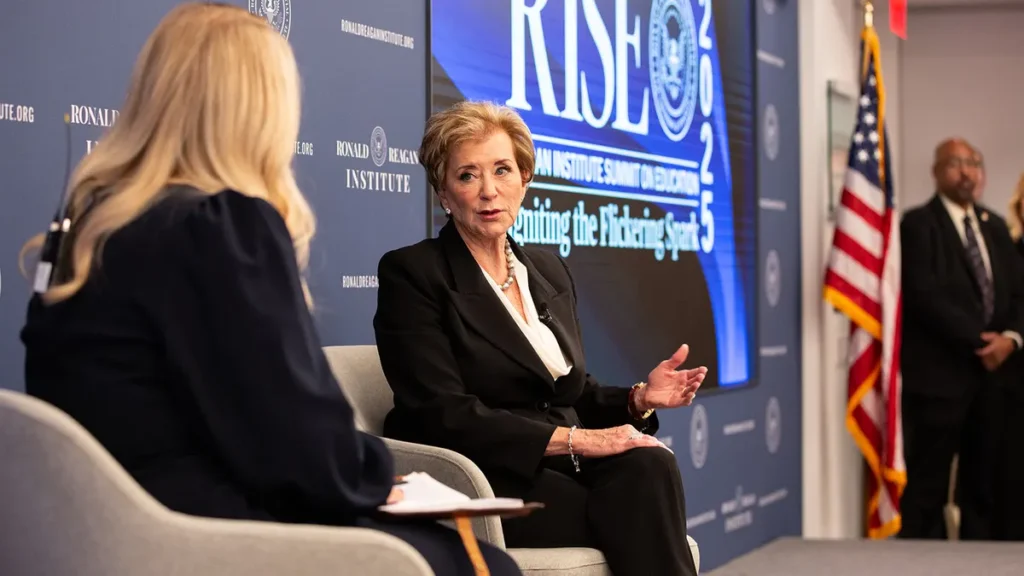
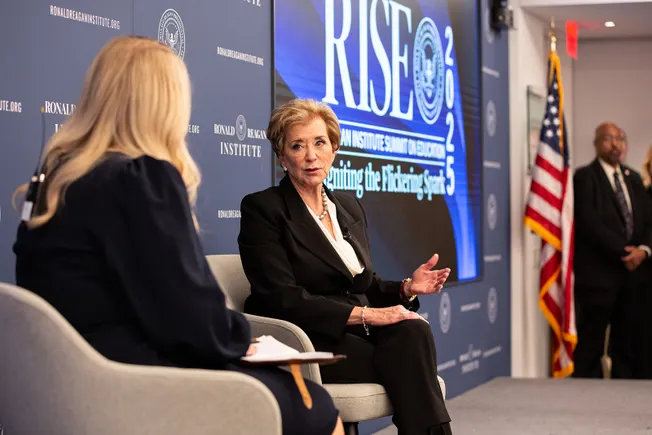
U.S. Secretary of Education Linda McMahon articulated the administration’s rationale in a statement released on the day of the announcement: "Not only does this waiver provide greater flexibility for Indiana to serve its students the way it knows best, but it also helps to align education with the evolving needs of the workforce." This sentiment was echoed by Indiana’s State Superintendent of Public Instruction, Katie Jenner, who stated that the waiver’s focus is on "maximizing every federal dollar to make it better for students" and by reducing "red tape to allow for innovative solutions."
The move is part of a broader federal effort to devolve more authority to states in managing federal education funding. According to Kirsten Baesler, the Assistant Secretary for Elementary and Secondary Education at the U.S. Department of Education, the agency was engaged in discussions with approximately ten other states regarding similar waivers as of May 2026. These waivers can extend beyond funding flexibility to include exemptions from federal accountability and assessment mandates.
A Shifting Accountability Landscape
A significant point of contention surrounding Indiana’s waiver lies in its implications for the state’s accountability system. The waiver, as interpreted by the public education advocacy organization EdTrust, removes a key federal requirement that academic indicators carry substantially more weight than other school quality measures within accountability frameworks. This alteration could allow a school’s overall accountability score to be influenced more equally by factors such as student course completion rates and statewide assessment scores.
Denise Forte, President and CEO of EdTrust, expressed strong reservations in a statement released concurrently with the waiver announcement: "Instead, the Department of Education will allow Indiana to rewrite its accountability system in a way that will mask student performance and move millions of dollars in dedicated funding away from students who need it most. Most concerning, Indiana’s plan appears to vary standards across student groups in a way that will allow the state to say, ‘Everyone is doing just fine.’"
This criticism highlights a central tension in the waiver debate: the balance between granting states autonomy and ensuring robust safeguards for all students, particularly those from historically underserved populations. Critics argue that loosening the emphasis on academic indicators could inadvertently obscure achievement gaps and allow for the diversion of funds from schools and students with the greatest needs.
Historical Context and Federal Oversight

The Elementary and Secondary Education Act (ESEA), originally signed into law in 1965, has undergone numerous reauthorizations and amendments, with each iteration reflecting evolving national priorities and debates about federal involvement in education. The concept of waivers has been utilized by various administrations to provide states with greater flexibility, particularly during periods of significant policy shifts or economic challenges.
The current administration’s focus on "Returning Education to the States" represents a philosophical departure from a more centralized approach, emphasizing state-level innovation and responsiveness. The ESEA waiver program, in particular, allows states to opt out of certain federal mandates in exchange for greater control over how federal funds are administered and how student progress is measured.
However, the history of federal education policy is also marked by concerns regarding equity and the potential for federal oversight to serve as a critical check against discriminatory practices or resource misallocation at the state and local levels. Advocacy groups like EdTrust have historically played a crucial role in monitoring state compliance with federal guidelines designed to protect vulnerable student populations. Their involvement in scrutinizing the Indiana waiver underscores the ongoing importance of this watchdog function.
Potential Implications for Indiana’s Schools
The immediate implications of the Indiana waiver are multifaceted. On one hand, state and local education leaders anticipate increased efficiency and the ability to implement programs more closely aligned with their specific educational goals. This could include more targeted professional development for teachers, innovative enrichment activities for students, and a more holistic approach to evaluating school performance.
For instance, Title II-A funds have historically been used for a wide range of professional development activities, from subject-specific training to leadership development. Title IV-A funds, often referred to as the "Student Support and Academic Enrichment" grant, can be used for a broad spectrum of activities, including supporting well-rounded educational programs, promoting safe and healthy schools, and utilizing technology effectively. By allowing these funds to be combined, Indiana could potentially create more integrated and impactful initiatives.

However, the concern voiced by EdTrust and other critics is that this increased flexibility could come at the cost of transparency. The argument is that without the clear federal mandate to prioritize academic indicators, states might shift focus to less measurable or less impactful outcomes, potentially masking underlying systemic issues. The specific concern about Indiana varying standards across student groups is particularly serious, as it could allow the state to report aggregate success while significant disparities persist.
Broader Analysis and Future Outlook
The Indiana ESEA waiver is emblematic of a larger national conversation about the role of federal versus state authority in education. Proponents of waivers argue that they are essential for fostering innovation and allowing states to adapt to the unique challenges and opportunities within their borders. They contend that federal mandates can often be rigid and ill-suited to diverse local contexts, leading to bureaucratic bloat and stifled creativity.
Conversely, opponents emphasize the federal government’s role in ensuring a baseline of educational quality and equity across the nation. They argue that federal oversight, particularly through accountability measures and funding requirements, is crucial for protecting the rights and opportunities of all students, especially those who are marginalized or underserved. The fear is that without strong federal guardrails, disparities in educational outcomes could widen.
The decision to grant Indiana this waiver will likely be closely watched by other states considering similar requests, as well as by advocacy groups and researchers seeking to understand its real-world impact. The effectiveness of the waiver will ultimately be judged by its ability to demonstrably improve student outcomes without compromising equity or transparency.
The coming years will reveal whether Indiana can successfully leverage this increased flexibility to foster genuine innovation and enhance college and career readiness for all its students, or if the concerns about accountability and equity will materialize into tangible setbacks. The ongoing dialogue surrounding such waivers underscores the complex and often contentious nature of shaping educational policy at the intersection of federal and state governance. The ultimate success of such initiatives hinges on careful implementation, continuous monitoring, and a steadfast commitment to ensuring that all students have access to a high-quality education.