


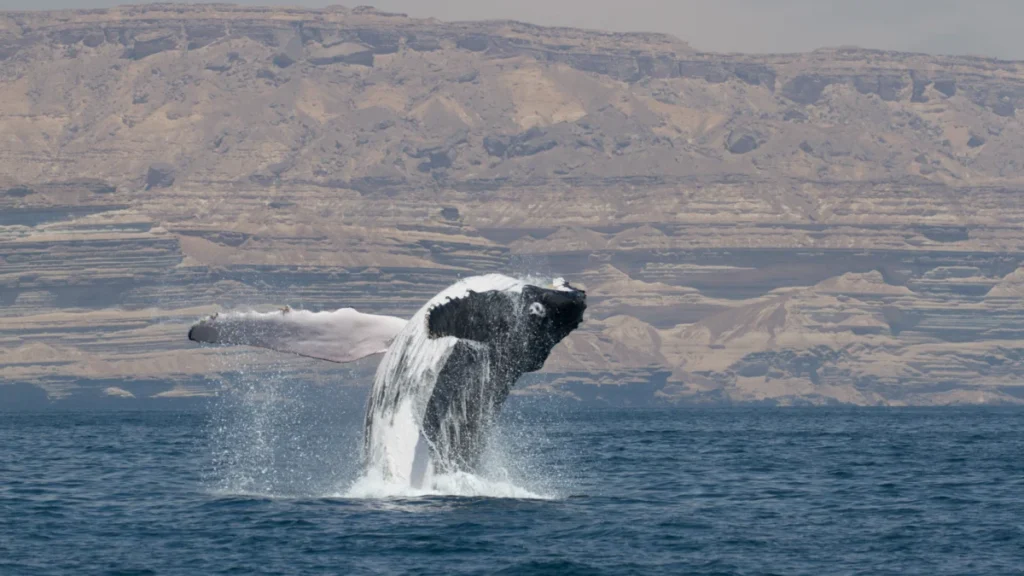
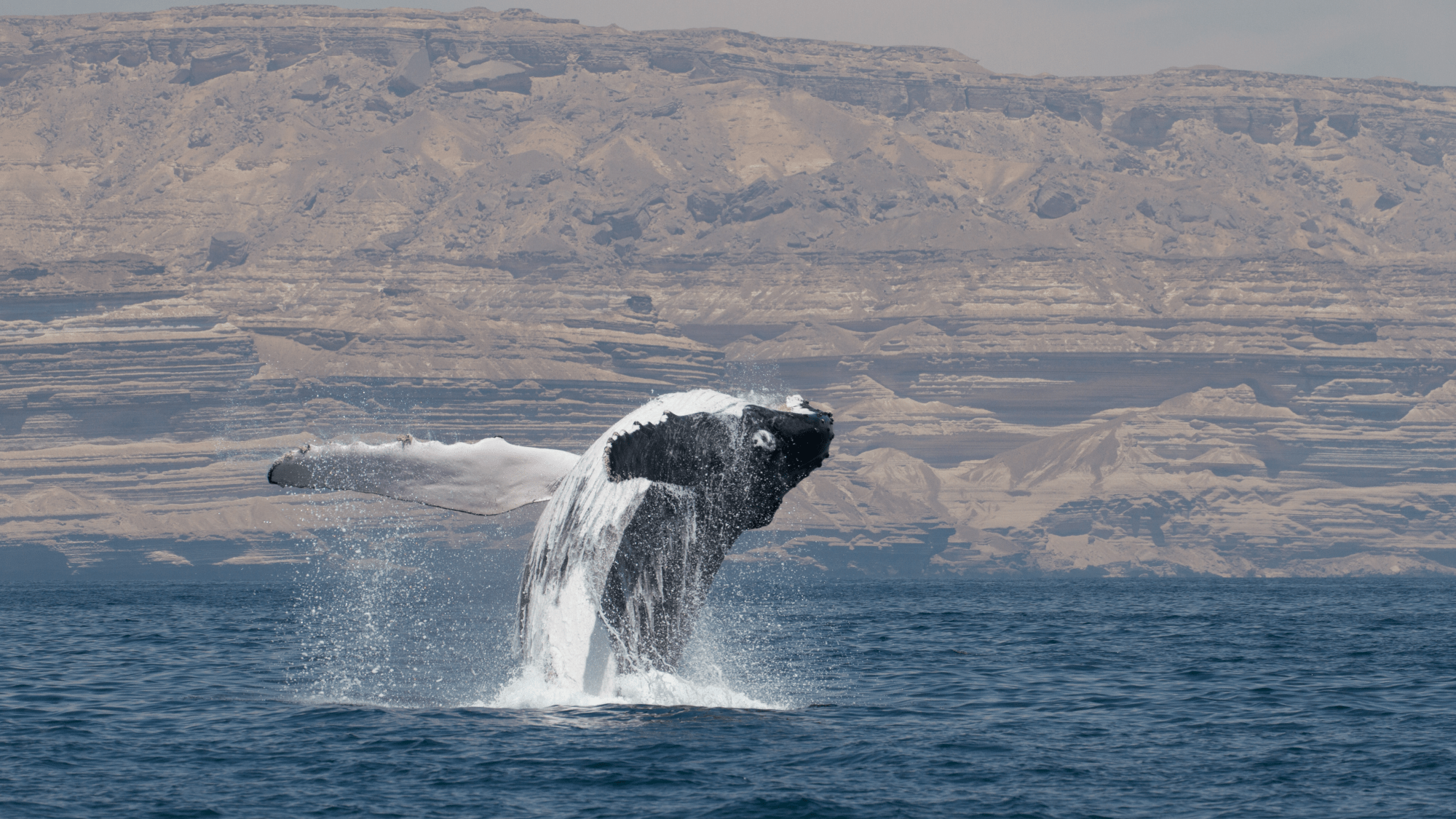
A groundbreaking study published in the journal Frontiers in Marine Science has unveiled the complex and previously hidden movements of the Arabian Sea humpback whale (ASHW), a unique and highly endangered population that represents the only known group of humpbacks to forgo seasonal transoceanic migrations. While the majority of humpback whale populations are famous for their epic journeys between high-latitude feeding grounds and tropical breeding lagoons—such as the well-documented routes from Alaska to Hawaii or the North Atlantic to the Caribbean—the Arabian Sea population has remained an ecological enigma. Living year-round in the tropical waters off the coast of Oman, these whales have adapted to a specific set of environmental conditions that have allowed them to remain resident for millennia. However, new satellite tracking data has now documented the first recorded instance of a long-distance crossing of the Arabian Sea, providing critical insights into the habitat requirements and survival challenges of a population estimated to number fewer than 100 individuals.
Evolutionary Divergence and Ecological Uniqueness
The Arabian Sea humpback whale is a distinct subpopulation that geneticists believe diverged from Southern Hemisphere humpback whales approximately 70,000 years ago. This isolation has led to a complete shift in their ecological behavior. While other humpbacks depend on the seasonal abundance of polar krill and travel thousands of miles to reach it, the ASHW population relies on the unique productivity of the Arabian Sea. This productivity is driven by the seasonal monsoon system, which creates powerful upwelling zones along the coasts of Oman and Yemen. These upwellings bring nutrient-rich, cold water to the surface, fueling a massive bloom of phytoplankton and sustaining a rich food web that includes sardines, mackerel, and various species of krill throughout the year.
Because food is available locally, the pressure to migrate is removed. This has resulted in a population that is not only genetically distinct but also behaviorally unique. Suaad Al Harthi, the executive director of the Environment Society of Oman and a co-author of the study, noted that the Arabian Sea provides the exact conditions necessary for a once-migratory species to fundamentally alter its life history. This adaptability, however, comes with a cost: the population is small, isolated, and highly vulnerable to localized environmental changes and human activities.
Methodology: Peering Beneath the Surface
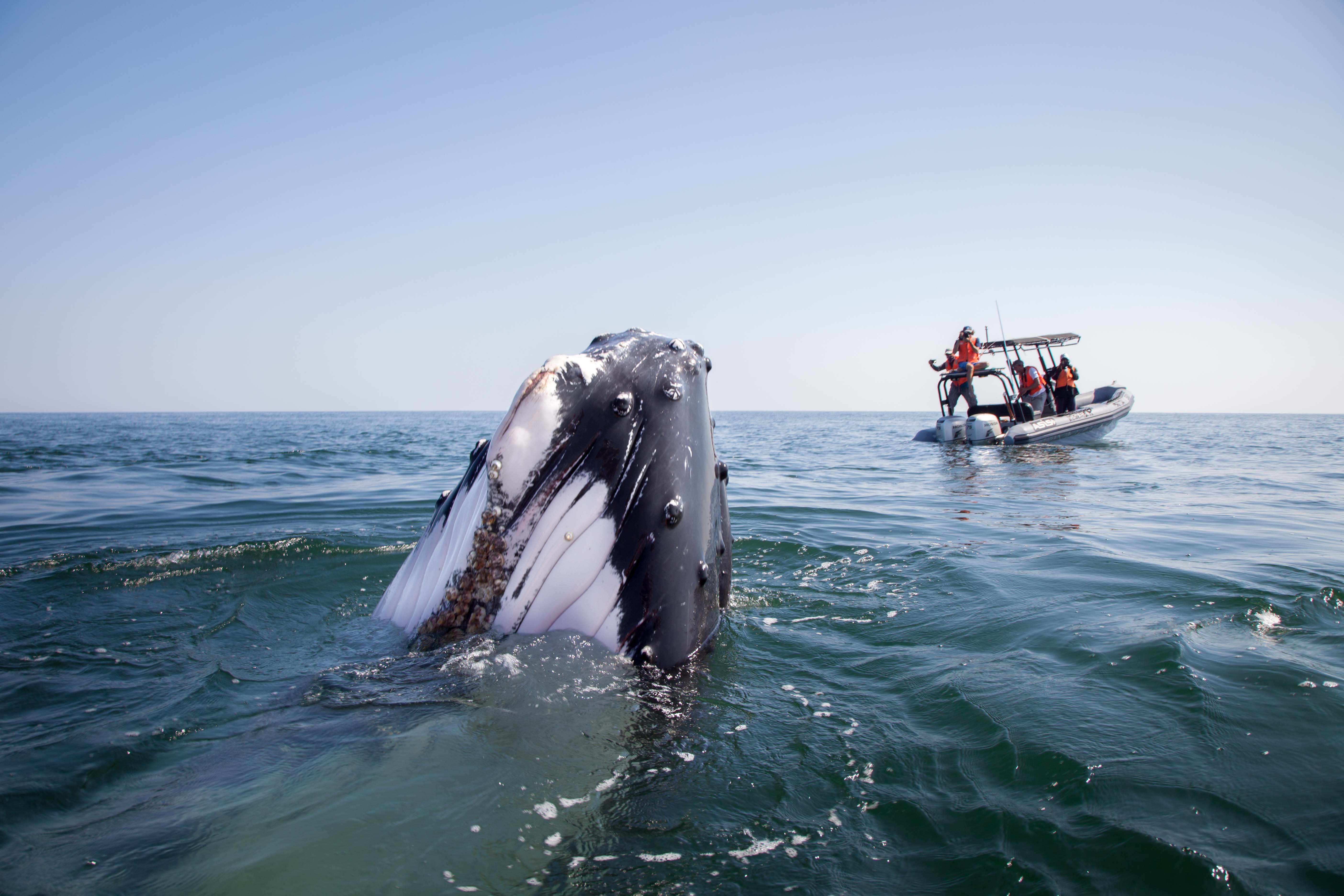
To understand the daily lives and movement patterns of these elusive giants, a team of international researchers, including experts from the Environment Society of Oman and Future Seas Global SPC, utilized advanced satellite telemetry. The team successfully deployed 14 satellite-monitored tags on whales at two primary locations: Hallaniyat Bay in the north and the Gulf of Masirah to the south. These tags were designed to transmit location data and dive profiles whenever the whales surfaced, allowing the researchers to track their movements in near real-time.
On average, the tags transmitted data for 53 days, though some provided insights for longer periods. In total, the study analyzed 1,811 distinct locations. This data allowed scientists to "peel back the lid of the sea," as described by Dr. Andrew Willson, a marine scientist and founding director of Future Seas Global. Before this study, knowledge of the whales was limited to fleeting glimpses during boat-based surveys conducted in the sweltering heat of the Arabian Sea. The satellite data provided a continuous narrative of their movements, revealing how they navigate the continental shelf and utilize different depths for foraging.
Key Findings: The Centrality of the Gulf of Masirah
The tracking data underscored the vital importance of specific "hotspots" along the Omani coastline. The Gulf of Masirah emerged as the single most critical habitat for the population, accounting for approximately 57 percent of all recorded locations. Hallaniyat Bay followed, representing 18 percent of the data. The research revealed a high degree of site fidelity, with whales showing a strong preference for these two areas, which are located less than 258 miles apart.
Most of the tagged whales exhibited localized movements within these core ranges. Of the whales tagged in the Gulf of Masirah, five remained in the immediate vicinity for the duration of the tracking period, while two traveled south to Hallaniyat Bay. Conversely, all six whales tagged in Hallaniyat Bay showed broader movement patterns, traveling between the bay, the Gulf of Masirah, and the coastal waters of northern Yemen. This suggests that while the whales are resident, they are highly mobile within their regional domain, likely tracking the movement of prey such as sardines over the shallow continental shelf. Deep-water dives recorded off the shelf were interpreted by researchers as searching behavior for other food sources, such as krill, which inhabit deeper oceanic layers.
Luban’s Historic Journey to India
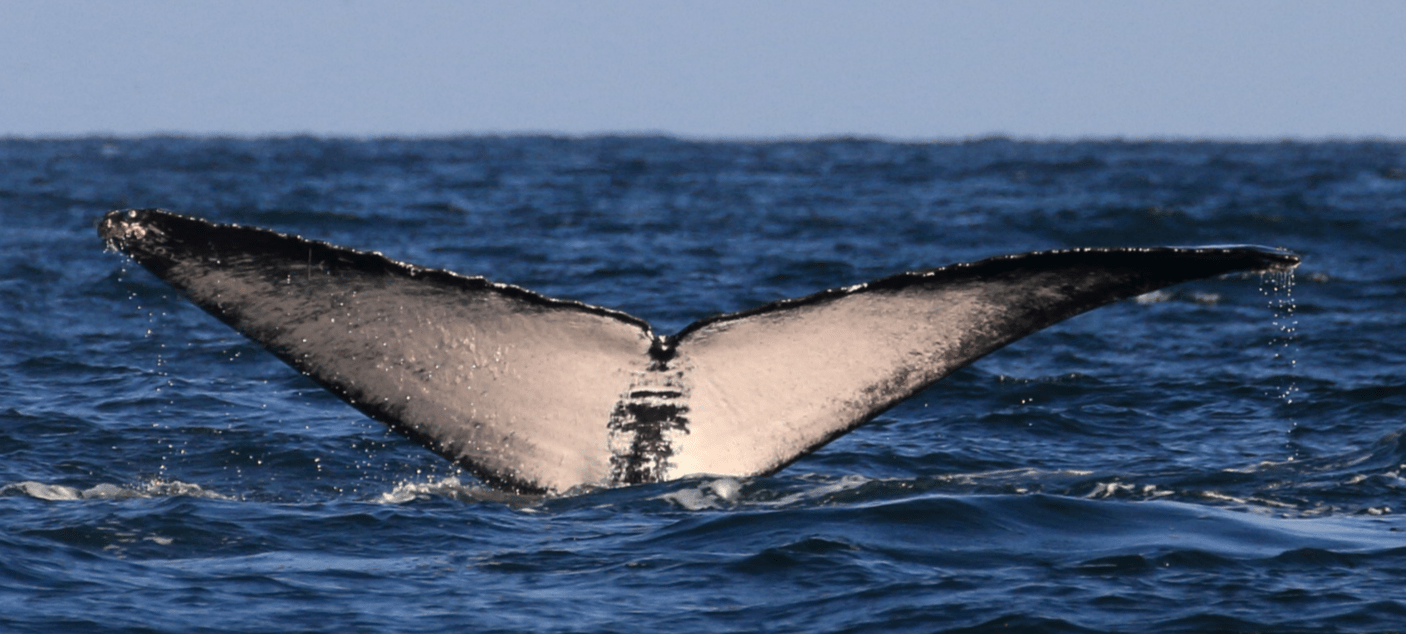
While most of the tracked whales remained within the western Arabian Sea, one individual provided a breakthrough discovery. A female whale, nicknamed "Luban"—the Arabic word for frankincense, inspired by the distinctive pattern on her tail fluke—embarked on an unprecedented journey. Luban traveled east across the entire Arabian Sea, reaching the western coast of the Indian state of Goa. This 4,350-mile round trip represents the first direct evidence of an Arabian Sea humpback whale crossing from the Omani coast to the Indian subcontinent.
Prior to this, scientists had suspected a link between the whales of Oman and those occasionally spotted off India based on similarities in their complex songs. However, Luban’s journey provided the "smoking gun" for genetic and acoustic connectivity across the basin. During her month-long stay off the southern coast of India, Luban frequented areas known for high primary productivity. Researchers believe her journey was motivated by a combination of foraging and potential reproductive opportunities, mirroring the dual drivers of migration seen in Atlantic and Pacific humpback populations. Interestingly, Luban was recently resighted back in the Gulf of Masirah, confirming that these whales can and do return to their primary habitats after such long-distance excursions.
Chronology of Research and Historical Context
The study of Arabian Sea humpback whales has been a race against time. In the 1960s, illegal Soviet whaling operations decimated the population, taking an estimated 242 whales from the region in just two years. This catastrophic loss brought the population to the brink of extinction. It was not until the late 1990s and early 2000s that systematic research began to reveal that a remnant population still existed.
- 1960s: Illegal Soviet whaling significantly reduces the ASHW population.
- 1990s-2000s: Initial surveys by the Environment Society of Oman confirm the presence of a resident population.
- 2014: The ASHW is officially listed as "Endangered" on the IUCN Red List.
- 2020-2024: Intensive satellite tagging programs are implemented to map critical habitats.
- 2026: Publication of the Frontiers in Marine Science study documenting Luban’s crossing and core habitat usage.
Broader Implications: Threats and Conservation
The data gathered from this study is more than a biological curiosity; it is a vital tool for conservation. The Arabian Sea is one of the busiest shipping regions in the world, and the whales face constant threats from ship strikes and entanglement in fishing gear. Furthermore, the region is a climate change "hotspot." Parts of the Arabian Sea are warming at a rate approximately 1.5 times faster than the global ocean average. This rapid warming can alter the timing and intensity of the monsoons, potentially disrupting the upwelling zones that the whales rely on for food.
Aida Al Jabri, a marine expert with the Oman Environment Authority, emphasized that the study makes these whales more "visible" to a rapidly modernizing society. By identifying the exact coordinates of core habitats like the Gulf of Masirah, the Omani government can implement more effective spatial management, such as rerouting shipping lanes or establishing seasonal fishing restrictions to reduce the risk of bycatch and entanglement.
Conclusion and Future Outlook
The resilience of the Arabian Sea humpback whale is a testament to the species’ ability to adapt to unique environmental niches. However, their survival remains precarious. The discovery of long-distance movements like Luban’s suggests that conservation efforts must be international in scope, involving cooperation between Oman, India, Yemen, and Pakistan.
The research team noted that while satellite tracking has provided a wealth of data, it cannot answer every question. Future efforts will require sustained vessel surveys to monitor the health of the population, assess reproductive rates, and observe how the whales are responding to the shifting temperatures of their habitat. As the Arabian Sea continues to change under the pressure of global warming, the ability of these whales to navigate an increasingly crowded and warming ocean will determine whether this 70,000-year-old lineage continues to thrive or vanishes into history.