


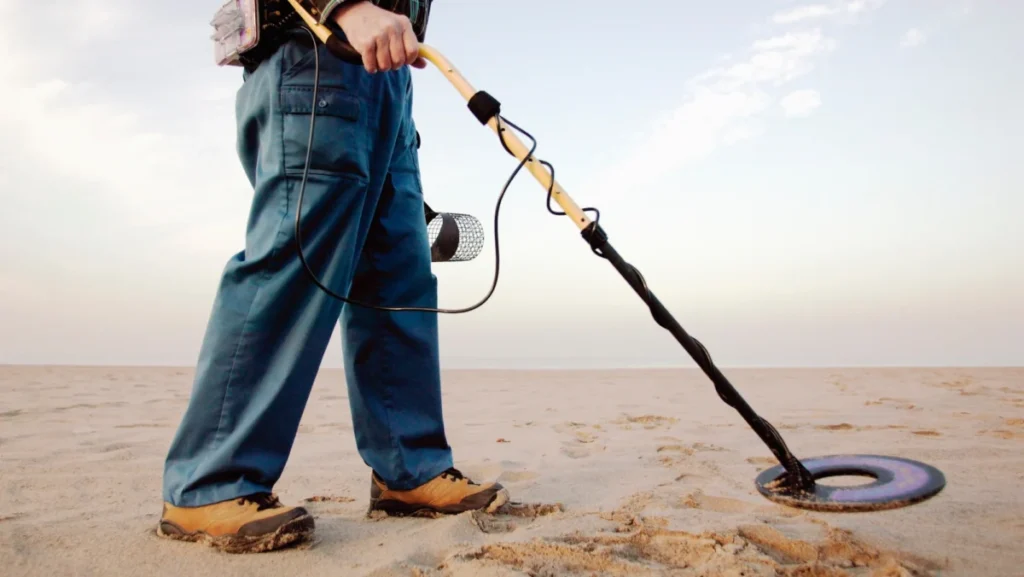
Metal detecting, a pursuit affectionately known by its practitioners as “dirt fishing,” “beach scooping,” or “relic hunting,” has evolved from a niche military application into a multi-million dollar global hobby. Across public parks, sun-drenched beaches, and historical sites, enthusiasts can be found rhythmically swinging electronic devices in search of lost coins, jewelry, and historical artifacts. While the activity offers the promise of physical exercise and fresh air, it is the profound thrill of unearthing a tangible piece of history that remains its primary draw. As technology advances and the community of "detectorists" grows, the hobby has become a significant intersection of citizen science, historical preservation, and recreational treasure hunting.
To understand the nuances of this burgeoning field, veteran detectorists emphasize that success requires a blend of technological literacy, historical research, and immense patience. Bill Harrington, a prominent figure in the community who operates the "Diggin’ SoCal" YouTube channel and Instagram account, provides a roadmap for those looking to transition from curious observers to active participants. Harrington’s journey mirrors that of many enthusiasts: a childhood fascination that was rekindled later in life, leading to a profound appreciation for the stories hidden beneath the topsoil.
The Historical Trajectory of Metal Detection Technology
The origins of metal detection are rooted in necessity and tragedy. The first recorded attempt to use electromagnetic induction to locate a metal object occurred in 1881, when Alexander Graham Bell hastily constructed a device to locate a bullet lodged in the chest of the mortally wounded U.S. President James A. Garfield. While the device was unsuccessful due to interference from the President’s metal bedsprings, it laid the groundwork for future development.
The technology matured significantly during the World Wars as a means of mine detection. It was not until the late 1920s that Gerhard Fischer, a German-born engineer, received the first patent for a portable metal detector. By the 1960s, the advent of transistors allowed for the creation of lightweight, battery-operated units, making the hobby accessible to the general public. Today, the industry is dominated by sophisticated digital signals, with market analysts estimating the global metal detector market will reach approximately $1.5 billion by 2030, driven by technological innovations and a post-pandemic surge in outdoor recreation.
Expert Insights: Transitioning from Interest to Action
For Bill Harrington, the return to metal detecting was a retirement goal that quickly became an obsession. "As a young man, I had a junky detector and I told myself that when I was close to retirement I was going to get a detector and give it a try again," Harrington says. "Once I started, I was immediately hooked and really enjoyed the hobby and more importantly the excitement of finding cool, odd and, of course, valuable things."
Harrington’s portfolio of finds illustrates the diversity of the hobby. He has unearthed artifacts ranging from World War II-era military uniform buttons to a 1917 Standing Liberty quarter—a coin highly prized by numismatists. However, he warns that the "gold rush" mentality often leads to disappointment. One of the most common misconceptions among novices is the belief that a high-end detector guarantees an immediate windfall of gold.
"I think the biggest misconception is that someone is going to get a detector and go find a bunch of gold," Harrington observes. He recounts meeting an individual on a beach who had purchased equipment specifically for that purpose, noting that while luck plays a role, success is more often the result of "a ton of patience and hard work."
The Chronology of a Successful Hunt
A professional approach to metal detecting involves a systematic process that begins long before the detector is even turned on.
- Site Research: Successful detectorists often spend hours studying historical maps, town records, and old photographs to identify areas where human activity was once concentrated.
- Permit Acquisition: Before entering any land, practitioners must verify local ordinances. Regulations vary significantly between national parks, state beaches, and private property.
- The Survey: Upon arrival, the detectorist uses a "grid" pattern to ensure total coverage of the area, maintaining a low and slow swing of the search coil.
- Target Identification: Modern machines use Visual Discrimination Indicators (VDI) to estimate the metal type and depth of a target based on its conductivity.
- Recovery: Once a target is located, a "pinpointer" is used to narrow the search area, and a small hole or "plug" is carefully dug to minimize environmental impact.
- Preservation and Documentation: Finds are cleaned, cataloged, and, in the case of significant historical artifacts, reported to local archaeological authorities.
Essential Equipment for Beginners and Professionals
The barrier to entry for metal detecting is relatively low, though the ceiling for professional equipment is high. Harrington advises beginners to avoid "unknown brands" sold at bargain-basement prices, as these often lack the sensitivity required to distinguish between valuable targets and iron trash.
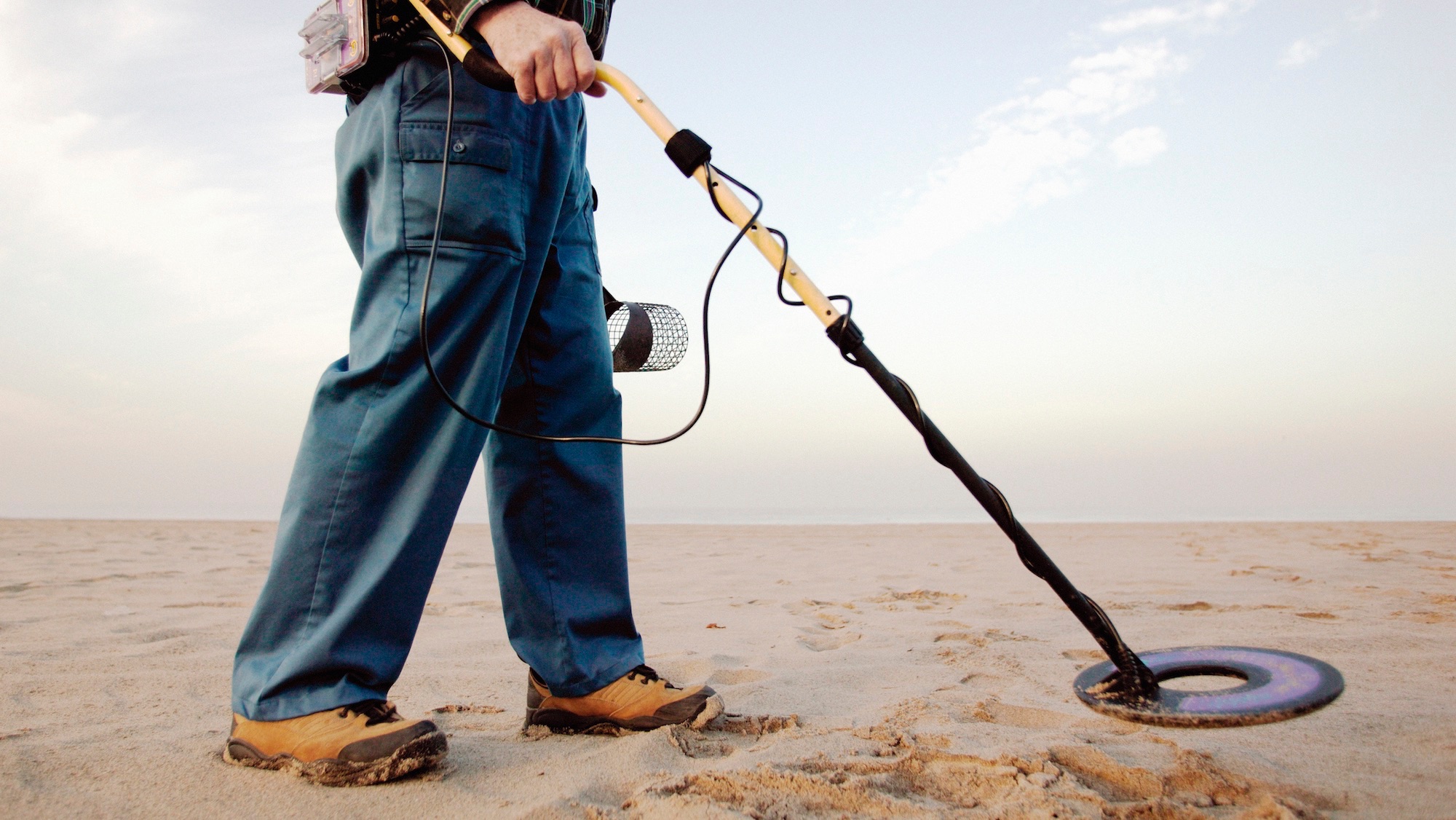
A standard entry-level setup, according to Harrington, costs approximately $600 and includes:
- The Detector: Reliable models from established brands like Minelab range from $300 to $500 for beginners, while professional-grade multi-frequency machines can cost upwards of $1,500.
- The Pinpointer: A small, handheld device used to locate the object within the hole. This tool is considered essential for speed and accuracy.
- Digging Tools: Specialized trowels or "lesche" knives for soil, or sand scoops for beach environments.
- Find Bags: Pouches designed to separate trash from treasure.
In beach environments, specialized gear is required. "If you beach detect, a good sand scoop is a lifesaver," Harrington notes. He personally uses a titanium scoop with a carbon fiber handle, highlighting how gear often evolves as a hobbyist becomes more dedicated.
Networking and Community Engagement
The social aspect of metal detecting is a critical component of the hobby’s growth. Regional clubs and national organizations, such as the Gold Prospectors Association of America (GPAA), provide platforms for enthusiasts to share tips, identify finds, and advocate for the hobby. Harrington recommends that newcomers utilize social media and YouTube to observe different detectors in action before making a purchase.
"Most areas have metal detecting clubs," Harrington says, citing active groups in Sacramento and San Bernardino as examples. These clubs often organize "seeded hunts" and educational seminars on local history, fostering a sense of community among what is often a solitary activity.
Legal and Ethical Implications of Relic Hunting
As the hobby gains popularity, the ethical responsibilities of the detectorist have come under greater scrutiny. The "Code of Ethics" followed by most professional organizations emphasizes the importance of leaving a site in better condition than it was found. This includes filling all holes and removing any modern trash unearthed during the process.
Legally, the Archaeological Resources Protection Act (ARPA) in the United States sets strict guidelines for the removal of artifacts from federal lands, particularly those over 100 years old. Hobbyists must navigate a complex web of laws that vary by state and municipality. Failure to adhere to these regulations can result in heavy fines and the confiscation of equipment.
Moreover, the relationship between detectorists and professional archaeologists has historically been fraught with tension. However, in recent years, a model of "collaborative archaeology" has emerged. In several instances, hobbyists have assisted professionals in surveying battlefields or historic homesteads, providing data that might otherwise have remained buried.
The Broader Impact: Discovery and Preservation
The value of metal detecting extends beyond the monetary worth of the finds. It serves as a form of "citizen history," where the discovery of a discarded tortilla maker on a Santa Barbara beach or a 1960s toy train car provides a window into the mundane lives of past generations.
"What makes this an exciting hobby is that you really never know what the day will bring," Harrington concludes. For the thousands of individuals who take to the fields and shores each weekend, the beep of the detector is not just a signal of metal, but a bridge to the past. Whether it is a common pull-tab or a rare silver coin, each recovery contributes to a larger narrative of human presence and activity, ensuring that even the smallest fragments of history are not lost to time.