


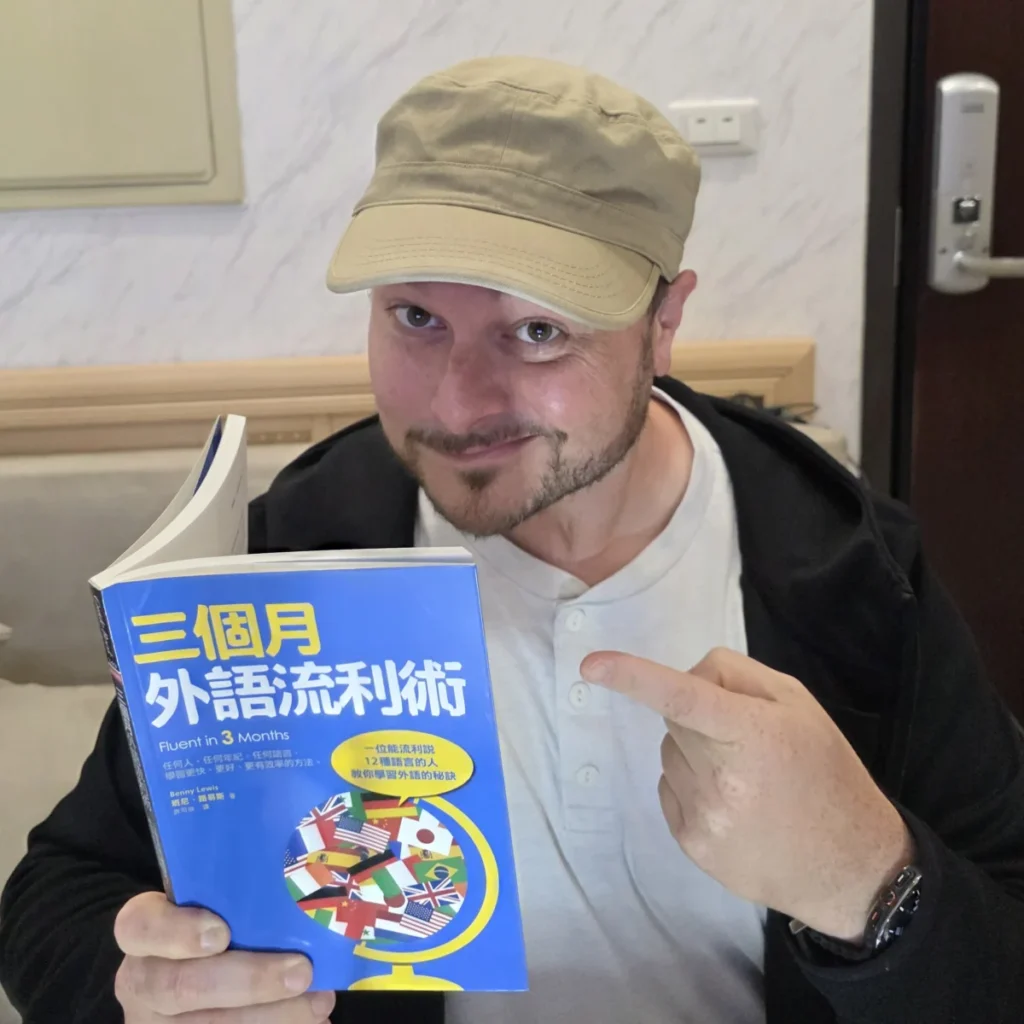
Irish polyglot and author Benny Lewis has announced a strategic return to Taipei, Taiwan, to resume intensive Mandarin Chinese studies, marking a significant return to the location where his high-profile linguistic journey began in 2012. Lewis, the founder of the "Fluent in 3 Months" platform, is utilizing this period to combat language attrition and pilot a new "deep travel" methodology across the island. The move comes as part of a broader shift in Lewis’s content strategy, moving away from search-engine-optimized instructional articles toward human-centric narrative reporting in response to the rise of generative artificial intelligence in the digital publishing space.
The Evolution of a Decade-Long Linguistic Mission
The origins of this project date back to 2012, when Lewis launched what became one of the most documented Mandarin learning experiments in the digital era. The initial endeavor consisted of three months of intensive study in Taipei followed by two months of immersive travel through mainland China. Upon completion, Lewis’s proficiency was independently assessed at a B1 level on the Common European Framework of Reference for Languages (CEFR), specifically in oral communication.
While the 2012 project was deemed a success in terms of functional independence—enabling Lewis to conduct interviews with television presenters and navigate rural fishing villages—the subsequent decade saw a gradual decline in his proficiency. Aside from a brief intensive period during the co-authoring of the "Language Hacking Mandarin" coursebook, Lewis reported that his usage of the language was relegated to sporadic interactions at international language exchange events.
Linguistic experts categorize this phenomenon as "language attrition," the process of losing a first or second language due to lack of use. For polyglots managing multiple languages, maintaining "active" status in a non-European tongue like Mandarin, which requires significant tonal and character-based recall, presents a unique challenge. Lewis’s return to Taipei is a calculated effort to transition Mandarin from a temporary project into a permanent "maintenance" language within his repertoire.
Regional Catalysts and the Malaysian Influence
The decision to prioritize Mandarin in 2024 was influenced by Lewis’s recent travels through Malaysia. During a two-month expedition in early 2024, Lewis engaged extensively with the Chinese diaspora and tourists from mainland China. Malaysia’s unique demographic makeup—where approximately 22.6% of the population is of Chinese descent—provided a linguistic environment that served as a catalyst for his renewed interest.
According to demographic data, Mandarin is increasingly serving as a lingua franca among various Chinese dialect groups in Southeast Asia. For Lewis, the exposure to the language in Malaysia highlighted the utility of Mandarin beyond the borders of Greater China, prompting a shift in focus away from the Malay language and back toward his previous Mandarin foundations. This transition led to the establishment of a two-month residency in Taipei to leverage the benefits of total immersion.
Structured Pedagogy and Modern Learning Methodology
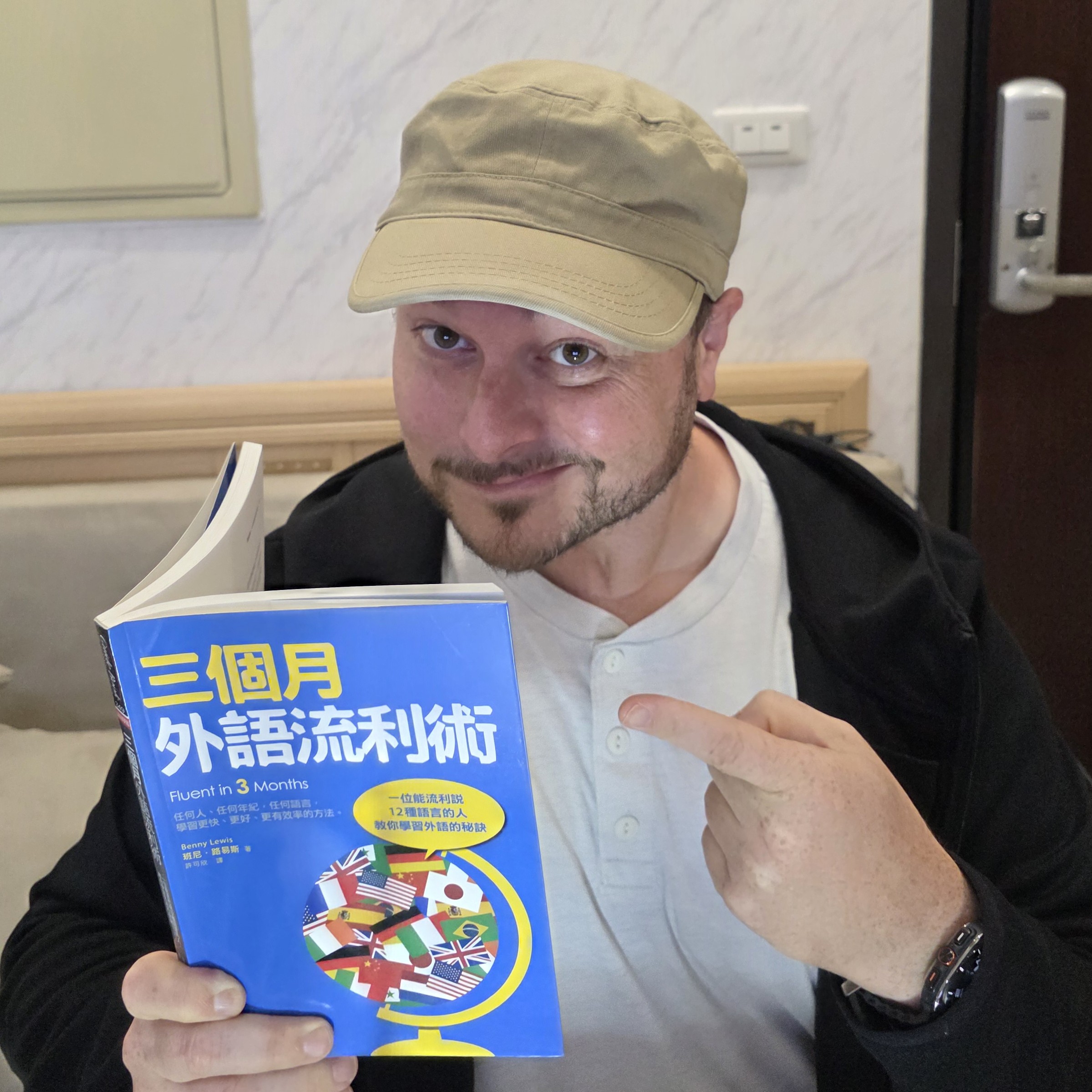
Lewis’s current routine in Taipei reflects a shift from the "speak from day one" approach of his youth toward a more balanced, intermediate-level curriculum. His methodology now integrates traditional academic study with modern technological tools and physical conditioning.
1. Grammatical Framework and Regional Nuances
Unlike absolute beginners, who are often advised to avoid heavy grammar study in the initial stages of acquisition, Lewis has integrated formal grammar into his daily morning routine. He utilizes texts that specifically account for Taiwanese Mandarin (Guoyu), which differs from the mainland’s Putonghua in terms of vocabulary, certain tonal markers, and the use of Traditional versus Simplified characters.
2. Spaced Repetition Systems (SRS)
A cornerstone of Lewis’s vocabulary retention is the use of Anki, a digital flashcard application utilizing spaced repetition. Lewis has recovered and updated proprietary data sets from his 2012 mission, converting 14-year-old files into modern formats. This recovery of "legacy data" allows for the reinforcement of vocabulary that was personally relevant to his previous experiences, which research suggests is more effective for long-term retention than generic word lists.
3. Hybrid Instructional Models
Lewis utilizes a combination of human-led instruction and technological aids. He currently engages in near-daily sessions with instructors via the Preply platform to maintain momentum. For learners with lower budgets, he advocates for the use of AI-driven conversation tools, though he emphasizes that human interaction remains the gold standard for navigating the "rusty" phase of language reactivation.
4. Holistic Integration
Notably, Lewis has integrated language learning with physical health, noting a 25kg weight loss since the pandemic. His routine includes 90-minute daily runs, during which he often consumes audio content, such as the ChineseClass101 podcast. This holistic approach treats language acquisition as one component of a broader lifestyle optimization strategy.
The Challenges of Local Immersion in Taipei
Despite his previous experience, Lewis reports that total immersion in Taipei remains a formidable challenge. While English proficiency is relatively high in certain international hubs, Lewis has encountered significant "Mandarin-only" environments in daily life. An anecdotal report of a failure to order an espresso in English at a local Starbucks served as an early indicator of the necessity for immediate linguistic output.
Social immersion has proven more complex. Lewis notes that while "sit-down" social events found via platforms like Meetup.com provide exposure, they can be difficult for intermediate learners due to ambient noise and the speed of native-to-native discourse. This highlights a common hurdle in second-language acquisition: the "intermediate plateau," where a learner can function in one-on-one scenarios but struggles in multi-speaker, high-speed environments.
The Taiwan "Deep Travel" Project
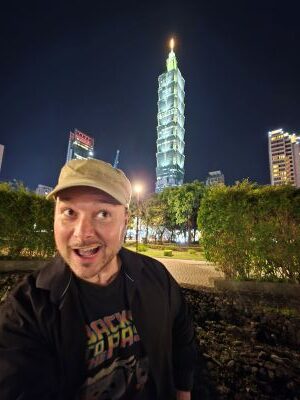
Following his residency in Taipei, Lewis plans to launch a "Deep Travel" project, moving beyond the capital to explore the rest of the island. This follows a pattern established in his previous projects, where he visited all 48 contiguous U.S. states, every state in Brazil, and every province in South Korea.
The objective of deep travel is to move beyond the "international bubble" of major cities where English is more common. By traveling to rural and secondary cities in Taiwan, Lewis aims to create a "no-escape" environment where Mandarin is the sole medium of communication. This phase is intended to solidify his gains and provide a more comprehensive understanding of Taiwanese culture and regional linguistic variations.
Implications for Digital Content and the AI Era
Lewis’s current project serves as a strategic pivot for the "Fluent in 3 Months" brand. For a decade (2013–2023), the site relied on a team of writers to produce SEO-driven content designed to answer specific Google queries. However, Lewis noted that changes in search engine algorithms and the rise of AI-generated "snippets" have significantly impacted the viability of this model.
The "AI slop" phenomenon—characterized by the mass production of low-quality, AI-generated articles—has led Lewis to return to a more personal, blog-centric narrative style reminiscent of the site’s early years (2009–2013). By focusing on human experiences and subjective travel adventures, Lewis aims to provide content that cannot be easily replicated or summarized by large language models.
This move reflects a broader trend in the creator economy. As AI becomes more proficient at providing factual information, human creators are increasingly leaning into "proof of personhood" through real-world challenges, physical presence, and narrative-driven updates. Lewis’s Mandarin journey is, therefore, not just a linguistic mission, but a test case for the survival of human-authored travel and educational content in a digital landscape increasingly dominated by automated systems.
Conclusion and Future Outlook
Benny Lewis’s return to Taiwan represents a sophisticated approach to language maintenance that acknowledges the realities of attrition while embracing modern tools. By combining a rigorous daily routine with a planned "Deep Travel" itinerary, Lewis seeks to reclaim his B1 proficiency and push toward a more stable, long-term mastery of Mandarin.
The project will be documented through Lewis’s social media channels and personal blog, providing a longitudinal look at the challenges of polyglotism in the 21st century. As he moves from the cafes of Taipei to the more remote regions of the island, the results of this immersion will likely offer valuable insights for the global community of independent language learners navigating the balance between technology and traditional immersion.