



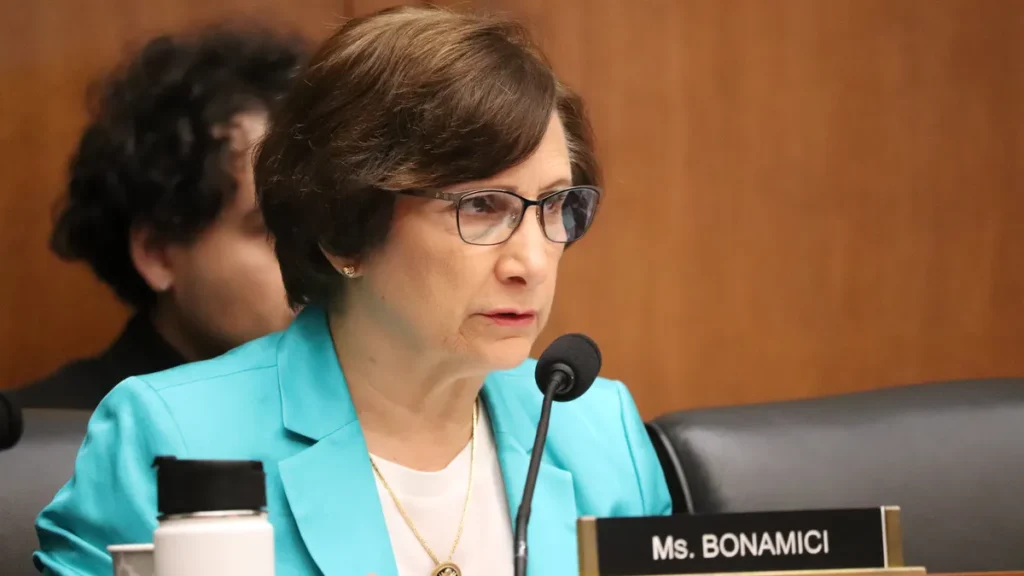
Washington D.C. – Representative Suzanne Bonamici, D-Ore., has formally introduced articles of impeachment against U.S. Education Secretary Linda McMahon, citing allegations of illegally transferring departmental duties to other federal agencies and misleading Congress. The move marks a significant escalation in the ongoing scrutiny of the Education Department’s operations and leadership under the current administration. The articles, filed on June 25, 2026, accuse Secretary McMahon of dereliction of duty and a pattern of actions that undermine the department’s statutory responsibilities.
This unprecedented impeachment effort against an Education Secretary underscores deep partisan divides over the agency’s direction and funding. While the legislative path for impeachment is arduous, particularly in a divided Congress, the filing of these articles signals a stark rebuke from a key congressional oversight committee and brings national attention to the alleged transgressions. The accusations center on the department’s handling of congressionally appropriated funds, its capacity to address critical issues like student mental health and civil rights, and the impact of significant staffing reductions.
Background of the Impeachment Effort
The genesis of Representative Bonamici’s impeachment articles can be traced to a series of actions and reports over the past year that have drawn criticism from Democrats and some watchdog groups. Central to the allegations are significant budget cuts and subsequent staff reductions within the Department of Education, which critics contend have crippled its ability to fulfill its core mission.
Bonamici’s office has detailed these concerns, asserting that the department has become "unable to disburse funding on time or investigate discrimination and harassment at K-12 schools and colleges." This paralysis, according to the articles, is a direct consequence of deliberate actions by Secretary McMahon. The Oregon Democrat specifically points to the alleged withholding of mental health grants and TRIO awards – programs crucial for supporting first-generation and low-income students in accessing and completing higher education – despite Congress appropriating funds for these initiatives.
Further compounding the accusations is a recent report from the Education Department’s Office of Inspector General (OIG). This internal watchdog agency found that significant layoffs enacted last year "appear" to have impacted units responsible for carrying out some of the department’s legal duties. This finding lends a degree of internal validation to the concerns raised by Bonamici and other critics.
A Timeline of Allegations and Responses
The period leading up to the impeachment filing has been marked by escalating tensions and public statements from both sides.
Early 2025: Reports begin to surface regarding substantial staffing cuts within the Department of Education, particularly impacting the Office for Civil Rights (OCR). While the department maintained these were necessary administrative adjustments, critics argued they represented a significant weakening of federal oversight in education.
Spring 2025: The department faces increased pressure from lawmakers, including Representative Bonamici, regarding the disbursement of congressionally allocated funds. Concerns are raised about delays and potential reallocation of resources. During this period, Secretary McMahon is alleged to have made promises to Congress regarding the awarding of appropriated funds.
Late 2025: The Office of Inspector General initiates a review into the impact of staff reductions. Simultaneously, a report from Senator Bernie Sanders’ office highlights a dramatic decrease in the number of civil rights cases resolved by the OCR, stating the department reached resolutions in "only 1% of civil rights cases last year – a decade-plus low."
Early 2026: The Education Department’s OIG releases its findings, indicating that layoffs may have affected departments performing legal duties. This report is seen by critics as corroborating evidence of malfeasance.
June 2026: Representative Bonamici announces her intention to file articles of impeachment against Secretary McMahon. The Education Department responds, referring to Secretary McMahon’s social media posts when asked for comment by media outlets.

June 25, 2026: Representative Bonamici officially files three articles of impeachment.
Key Accusations in the Articles of Impeachment
The articles of impeachment brought forth by Representative Bonamici detail several specific allegations against Secretary McMahon:
-
Illegal Transfer of Duties: The primary accusation is that Secretary McMahon has engaged in the illegal transfer of duties and responsibilities vested in the Department of Education to other federal agencies or through other means, effectively circumventing congressional intent and statutory authority. This is interpreted as a deliberate effort to dismantle or significantly reduce the department’s operational capacity.
-
Withholding of Appropriated Funds: The articles allege that Secretary McMahon has willfully withheld funds appropriated by Congress for specific programs, including mental health initiatives and TRIO awards. This action is presented as a violation of her oath of office and a betrayal of promises made to lawmakers during her confirmation process.
-
Lying to Congress: Bonamici accuses Secretary McMahon of making false statements to the Senate during her confirmation hearing. Specifically, the articles claim McMahon promised to award funds appropriated by Congress but subsequently failed to do so, thereby misleading the legislative branch about her intentions and actions.
-
Dereliction of Duty in Civil Rights Enforcement: The impeachment articles also point to the department’s diminished capacity to investigate discrimination and harassment. The significant cuts to the Office for Civil Rights and the low resolution rate of civil rights cases are presented as evidence of a deliberate neglect of the department’s statutory obligation to protect students’ civil rights.

Reactions and Political Landscape
The filing of impeachment articles has predictably drawn sharp reactions from across the political spectrum. Secretary McMahon, in a statement posted on X (formerly Twitter) last week, pushed back vehemently against the allegations. "It speaks volumes that House Democrats think an impeachable offense is working to improve student outcomes and reduce the federal bureaucracy," she stated, framing Bonamici’s actions as politically motivated.
The Education Department, when approached for comment by Higher Ed Dive, referred inquiries to McMahon’s social media posts. This response has been interpreted by critics as a lack of substantive engagement with the serious allegations.
Representative Tim Walberg, the Republican chair of the House Committee on Education and the Workforce, dismissed the impeachment effort as "political theater." This sentiment is reflective of the broader Republican stance, which generally views the Department of Education as an overreaching federal entity and often advocates for reduced federal involvement in education.
The political reality is that impeachment proceedings are rarely successful, especially when the party initiating them does not control the chamber where the impeachment trial would be held. Given the current composition of Congress, the likelihood of Secretary McMahon being impeached and subsequently removed from office is considered extremely low. However, the act of filing the articles serves as a powerful symbolic statement and a means to highlight specific policy disagreements and alleged abuses of power.
Broader Implications and Precedent
This impeachment effort, regardless of its political outcome, sets a significant precedent. It marks the first time impeachment proceedings have been formally initiated against a U.S. Secretary of Education. This fact alone underscores the heightened level of political conflict surrounding the department and its role in national education policy.
The allegations raise fundamental questions about the balance of power between the executive and legislative branches, particularly concerning the implementation of congressionally mandated programs and the oversight of federal agencies. The debate over the department’s funding, staffing levels, and the scope of its responsibilities is likely to intensify in the wake of this development.
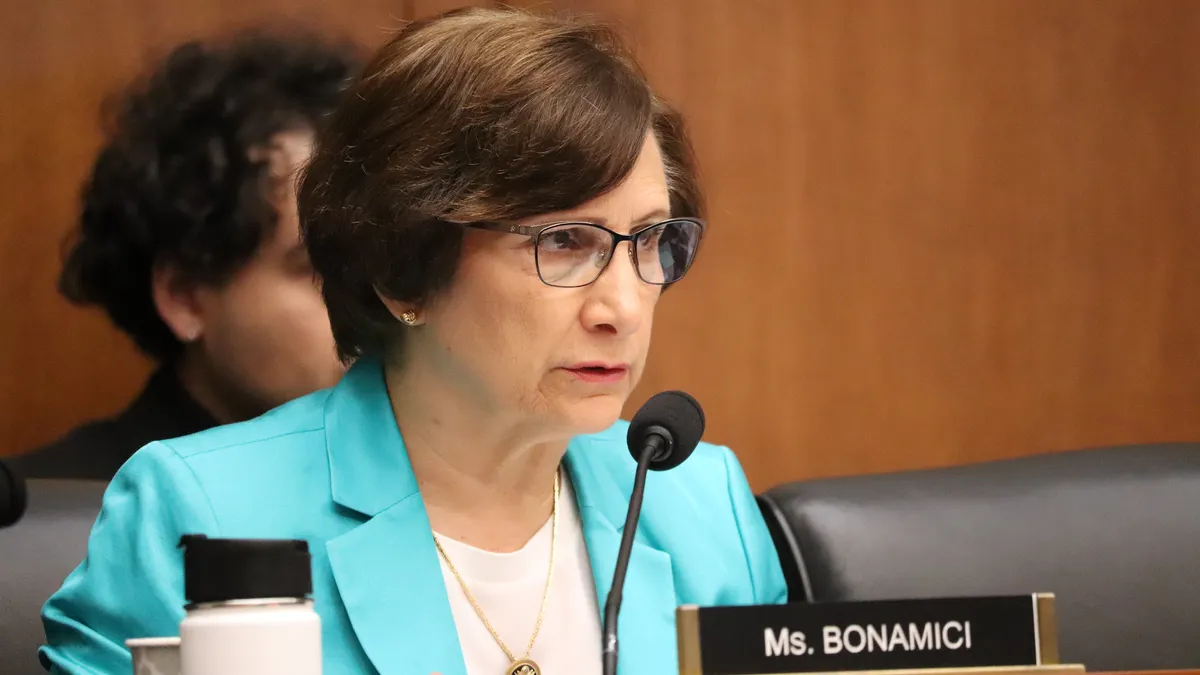
Furthermore, the focus on the department’s capacity to address critical issues such as student mental health and civil rights highlights the ongoing challenges in ensuring equitable and safe educational environments for all students. The reported decline in the resolution of civil rights cases, in particular, points to potential long-term consequences for vulnerable student populations if federal oversight continues to weaken.
The current administration’s approach to education, characterized by significant staffing reductions and a stated desire to reduce federal bureaucracy, stands in stark contrast to the vision held by critics who believe a robust federal role is essential for safeguarding educational equity and opportunity. Representative Bonamici’s impeachment articles are a direct challenge to this approach, demanding accountability for actions that, in her view, have jeopardized the department’s fundamental mission and the well-being of students nationwide. The ensuing political and legal discourse promises to shape the future of federal education policy and the role of the Department of Education for years to come.