


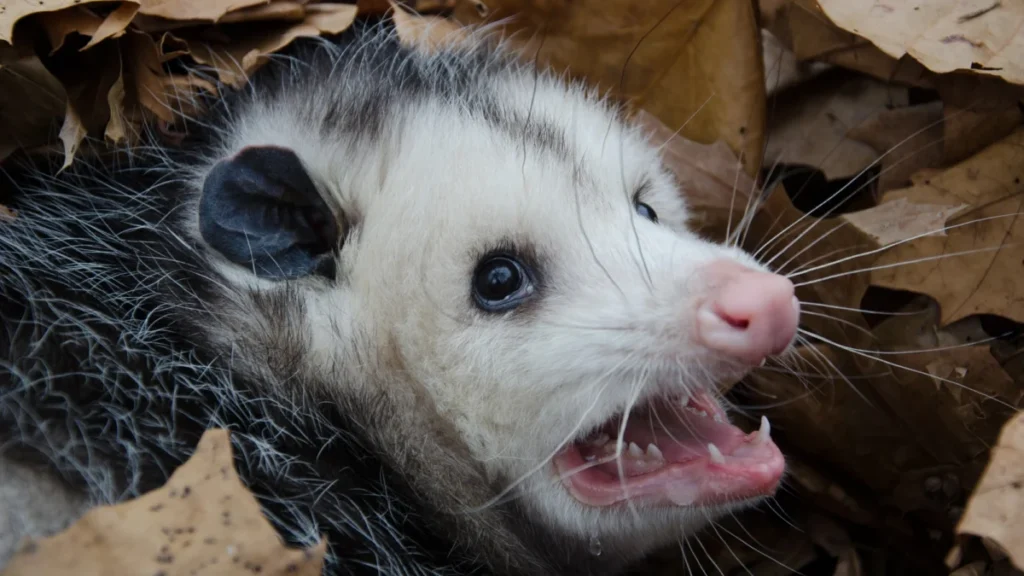
In a novel approach to one of North America’s most persistent ecological threats, wildlife biologists are preparing to turn the natural predator-prey relationship of the Florida Everglades into a high-tech tracking system. Researchers from the North Carolina Museum of Natural Sciences, in collaboration with federal wildlife officials, have announced a program to deploy GPS-collared opossums as "biological beacons." These marsupials, which are a primary food source for the invasive Burmese python (Python bivittatus), will serve as unwitting guides, leading conservationists directly to the elusive apex predators that have decimated local wildlife for decades. By monitoring the signals of these collars from within the digestive tracts of the snakes, scientists hope to locate and remove pythons in terrains that are otherwise inaccessible to human hunters.
The strategy marks a significant pivot in the ongoing battle to preserve the Everglades ecosystem. For years, the Florida Fish and Wildlife Conservation Commission (FWC) and the National Park Service have struggled to quantify and control the python population. Estimates of the number of pythons in the Greater Everglades range from tens of thousands to hundreds of thousands, but their cryptic nature—aided by exceptional camouflage and a semi-aquatic lifestyle—makes them nearly impossible to track using traditional methods. The "opossum-as-bait" initiative seeks to exploit the snake’s own appetite to bridge this detection gap.
The Evolution of a Tactical Experiment
The genesis of this project was rooted in a series of scientific setbacks. In 2022, wildlife biologists A.J. Sanjar and Michael Cove of the North Carolina Museum of Natural Sciences traveled to South Florida to conduct a routine study on the movement patterns and habitat usage of the Virginia opossum (Didelphis virginiana). The researchers fitted several dozen opossums with sophisticated tracking collars, each costing approximately $1,500.
The study quickly encountered a recurring obstacle: the subjects kept disappearing. Upon investigating the GPS pings, the researchers frequently found themselves standing over large Burmese pythons. The snakes had consumed the collared opossums, and the expensive electronics were transmitting signals from inside the predators’ stomachs. While the loss of data and equipment was initially viewed as a failure, it provided a "lightbulb moment" for the team. If the pythons were reliably consuming the study subjects, the subjects could be used to find the pythons.
To make the project financially viable, Sanjar and Cove spent the subsequent two years refining the technology. The primary challenge was reducing the cost of the hardware, as each "successful" find would likely result in the death of the opossum and potential damage to the collar. By 2024, the team secured funding for $190 collars—a fraction of the original cost—making the large-scale deployment of "sentinel" opossums a realistic management tool.
Chronology of the Burmese Python Invasion
The current crisis is the result of a decades-long ecological shift. Burmese pythons, native to Southeast Asia, were first documented in the Everglades in the late 1970s, likely the result of the exotic pet trade. The population saw a massive surge following Hurricane Andrew in 1992, which destroyed a python breeding facility near the Everglades, releasing an unknown number of snakes into the wild.
By the early 2000s, the United States Geological Survey (USGS) began reporting a catastrophic decline in native mammal populations. A 2012 study published in the Proceedings of the National Academy of Sciences (PNAS) revealed the scale of the devastation: since 1997, sightings of raccoons had dropped by 99.3%, opossums by 98.9%, and bobcats by 87.5%. In many areas of the southern Everglades, marsh rabbits and foxes had vanished entirely.
Despite various intervention efforts—including the annual "Python Challenge" hunting competition, the use of python-sniffing dogs, and even the deployment of "Judas snakes" (male pythons fitted with transmitters to lead hunters to breeding females)—the population has continued to expand northward into Central Florida and the Florida Keys.
Technical Execution at Crocodile Lake
The new experiment is slated to begin in late summer at the Crocodile Lake National Wildlife Refuge in Key Largo. This location is particularly sensitive; the refuge is home to several endangered species, including the Key Largo woodrat and the Key Largo cotton mouse, both of which are under direct threat from python predation.
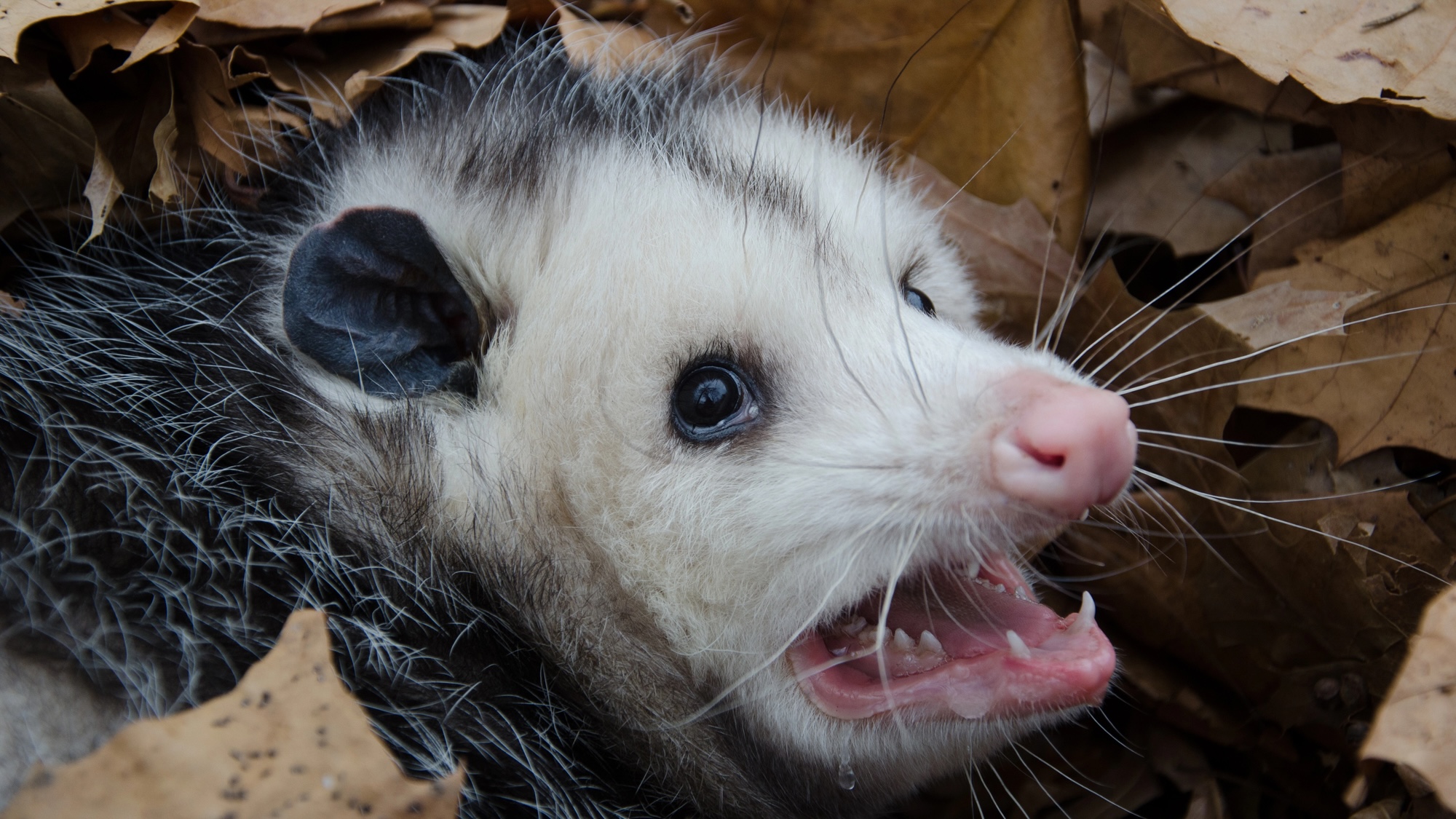
Researchers plan to trap and collar at least 40 opossums. These animals will be released back into the refuge to resume their natural activities. Opossums are ideal candidates for this role because they are highly mobile, comfortable in the marshy thickets that pythons inhabit, and are a preferred prey item due to their size and abundance.
Once a collar’s movement data indicates a "mortality event"—signaled by a change in temperature or a lack of movement followed by the specific slow-motion signature of a digesting snake—teams will be dispatched to the GPS coordinates. Because pythons typically remain sedentary for several days while digesting a large meal, the window for capture is relatively wide. Once located, the pythons will be humanely euthanized in accordance with state guidelines.
Supporting Data and Ecological Impact
The urgency of the project is underscored by the sheer reproductive capacity of the Burmese python. A single female can lay between 50 and 100 eggs in a single clutch. Without natural predators in the Florida ecosystem to keep their numbers in check, the snakes have moved from being a nuisance to an apex threat that alters the entire food web.
Data from the FWC indicates that over 20,000 pythons have been removed from the state since 2000, yet the population shows no signs of meaningful contraction. The environmental impact extends beyond the loss of mammals; pythons have been known to consume alligators, deer, and a wide variety of wading birds, some of which are protected under federal law.
The use of opossums as biological sensors addresses a major hurdle in conservation: the "detectability" issue. Experts estimate that even the most experienced human hunters only detect about 1% of the snakes in a given area. By using a mobile, live attractant, the researchers are effectively outsourcing the search process to the pythons themselves.
Official Responses and Ethical Considerations
The program has sparked a complex discussion regarding the ethics of using native wildlife as "bait." However, wildlife officials emphasize that the opossums are already part of the pythons’ diet and are living in a high-risk environment regardless of the tracking collars.
Jeremy Dixon, the manager of the Crocodile Lake National Wildlife Refuge, addressed these concerns in a statement to the South Florida Sun Sentinel. "We’re not putting these animals out there and in harm’s way," Dixon explained. "Harm’s way is there. We’re just documenting what’s happening."
The sentiment is shared by many in the conservation community who view the python invasion as an "ecological emergency" that requires unconventional solutions. The argument is that while individual opossums may be lost, the removal of large, breeding-age pythons will ultimately save thousands of other native animals, including future generations of opossums.
Broader Implications and Future Applications
If the Key Largo experiment proves successful, it could provide a blueprint for invasive species management globally. The "Trojan Horse" method of tracking predators via their prey offers a way to penetrate dense, difficult-to-monitor habitats.
Beyond python removal, the data collected from the surviving opossums will provide invaluable insights into how native species are adapting to the presence of an invasive apex predator. Researchers will be able to see if opossums are altering their nesting habits or foraging times to avoid detection, providing a clearer picture of the "landscape of fear" created by the pythons.
As the program prepares for its summer launch, the scientific community remains cautiously optimistic. While no single method is expected to eradicate the Burmese python from Florida entirely, the integration of low-cost GPS technology with natural ecological processes represents a sophisticated new front in the effort to reclaim the Everglades. The success of these 40 "marsupial allies" may determine whether the tide can finally be turned against one of the world’s most successful invasive species.