

Moodle, a globally recognized open-source learning management system (LMS), has unveiled a significantly enhanced Certified Integrations program, aiming to provide educators and institutions with greater confidence in the third-party tools they connect to their Moodle environments. This initiative addresses a long-standing challenge within the edtech landscape: discerning trustworthy and technically sound integrations amidst a vast and often opaque market of available solutions. The revamped program introduces a new cohort of validated tools, a refined tier structure, and an intensified commitment to building a dependable digital learning ecosystem.
The core of Moodle’s philosophy has always been to empower users to shape their learning environments according to their specific needs. Integrations play a pivotal role in this vision, enabling Moodle to connect with the diverse array of tools learners utilize, the organizational platforms in operation, and the innovative educational experiences educators strive to create. However, the proliferation of third-party applications has made it increasingly difficult for institutions to ascertain the reliability, technical compatibility, security, and long-term support of these integrations. This has often led to time-consuming vetting processes and a degree of uncertainty for administrators and educators.
"We built this program because we kept hearing the same thing from users – they wanted to extend Moodle but didn’t know where to start or who to trust," stated Scott Anderberg, CEO of Moodle. "Certified Integrations is our answer to that. It’s how we put our name behind the tools we believe in." This sentiment underscores Moodle’s proactive approach to empowering its user base and solidifying its position as a trusted platform for digital learning.
The Rigorous Path to Moodle Certification
Every integration that achieves Moodle Certified status undergoes a stringent review process, meticulously conducted by Moodle’s own product experts. This comprehensive assessment evaluates integrations across critical dimensions: quality, security, compatibility with various Moodle versions, performance under real-world conditions, and overall user experience. For educators and administrators, this means a significant reduction in the burden of technical due diligence and a heightened assurance in the selected tools. For the technology providers developing these integrations, Moodle certification offers invaluable visibility, credibility, and access to one of the world’s largest and most active open-source learning communities.
The program’s evolution reflects Moodle’s commitment to fostering a robust and trustworthy ecosystem. By establishing clear standards and a transparent vetting process, Moodle aims to reduce fragmentation and enhance the overall effectiveness of digital learning environments. This initiative is particularly timely as educational institutions worldwide continue to invest in and rely upon digital tools to support pedagogical goals and student engagement.
A Multi-Tiered Approach for Diverse Needs
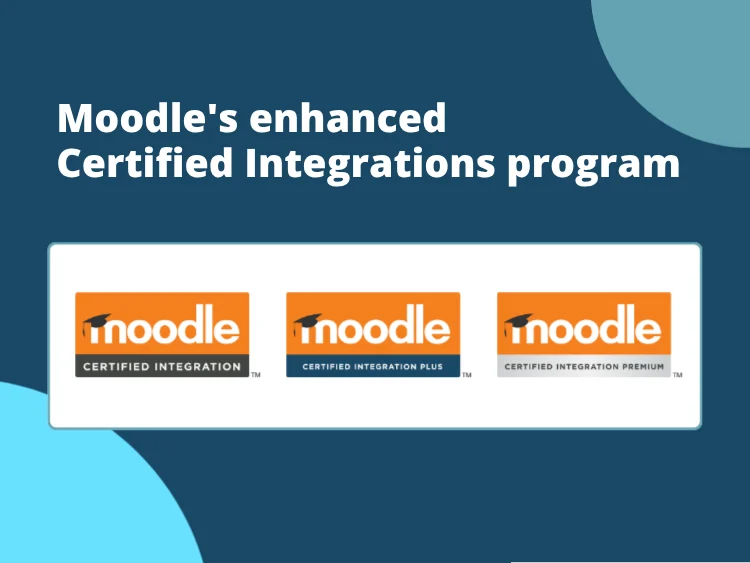
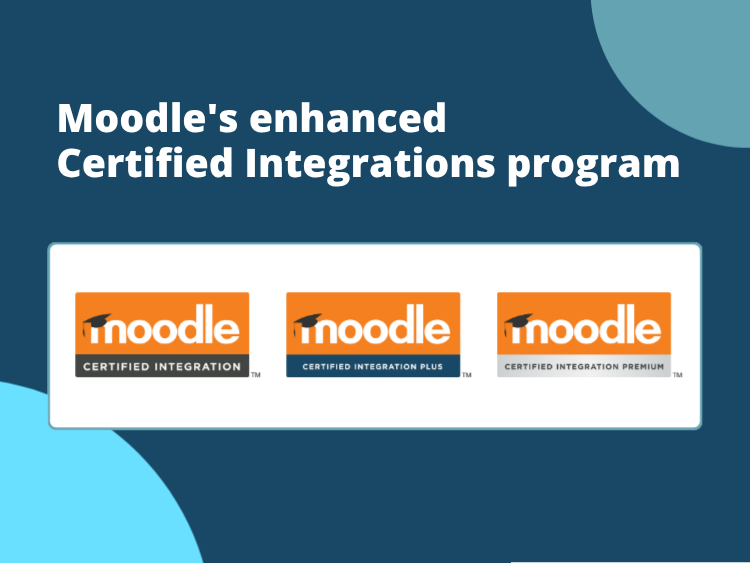
Recognizing that integrations exist at different stages of development and offer varying levels of functionality and support, the enhanced program features a clear, three-tiered structure. This tiered system is designed to cater to a spectrum of institutional requirements and technological maturity, providing a clear framework for understanding the capabilities and commitments associated with each certification level.
1. Certified Integration:
This foundational tier signifies that an integration has undergone rigorous technical vetting and certification by Moodle. These integrations meet Moodle’s exacting standards for compatibility, security, and reliability. They are technically sound and designed to work seamlessly with the Moodle LMS, providing a stable and dependable extension of the core platform’s functionality. This level assures users that the integration has passed essential technical checks, offering a baseline of trust for essential functionalities.

2. Certified Integration Plus:
Building upon the technical validation of the first tier, Certified Integration Plus denotes integrations that have been technically vetted and certified by Moodle, with the added benefit of offering supplementary services. These services are specifically designed to help deliver an even better and more integrated user experience. This might include enhanced support channels, dedicated training resources, or closer collaboration with Moodle’s development team to ensure optimal performance and alignment. This tier is ideal for institutions seeking a more robust and supported integration solution.
3. Certified Integration Premium:
The highest tier, Certified Integration Premium, is reserved for integrations developed by companies that demonstrate a global reach and an extensive track record of successful deployments. These integrations are characterized by their deep technical alignment with the Moodle LMS, ensuring the highest levels of performance, scalability, and support. Companies achieving Premium status typically exhibit a profound understanding of Moodle’s architecture and a long-term commitment to its ecosystem. This tier represents the pinnacle of integration quality and partnership, offering organizations the most comprehensive and reliable solutions available.
Leading Integrations Recognized in the Enhanced Program
The launch of the enhanced Certified Integrations program coincides with the announcement of several key partners who have achieved new or renewed certifications. This cohort represents a diverse range of functionalities critical to modern learning environments.
BigBlueButton, a leading open-source web conferencing system, has been recognized as a Premium Certified Integration and was also honored as the Certified Integration of the Year. This award highlights BigBlueButton’s significant contributions to Moodle, enabling real-time video conferencing, interactive whiteboards, and screen-sharing capabilities directly within Moodle courses. Its consistent performance and deep integration with Moodle underscore its value to institutions seeking robust synchronous learning tools. The award signifies not just technical excellence but also a strong collaborative relationship and ongoing commitment to the Moodle community.

Further solidifying the program’s strength, ReadSpeaker and SMOWL have both been welcomed into the Certified Integration Plus tier. This recognition acknowledges their sustained dedication to providing high-quality, user-centric experiences for Moodle users. ReadSpeaker, known for its text-to-speech and accessibility solutions, and SMOWL, a proctoring and identity verification service, both offer critical functionalities that enhance inclusivity and academic integrity within Moodle. Their move to the Plus tier indicates a commitment to providing enhanced support and deeper integration benefits.
The program also welcomes several other exciting new names and existing partners who have successfully navigated the enhanced certification process. While the full list is extensive, the inclusion of these providers across the tiers demonstrates the growing maturity and breadth of the Moodle integration ecosystem. This expansion is a testament to the increasing number of technology vendors recognizing the strategic importance of aligning their offerings with Moodle’s robust platform and its extensive global user base. The presence of these diverse solutions addresses a wide array of pedagogical and administrative needs, from content delivery and assessment to student engagement and analytics.
Broader Impact and Future Implications
The enhancement of Moodle’s Certified Integrations program carries significant implications for the edtech landscape. For institutions, it promises to streamline the selection and implementation of third-party tools, thereby reducing technical overhead and potential integration challenges. This can lead to more efficient resource allocation and a quicker realization of the benefits offered by integrated solutions. The increased confidence in the reliability and security of certified integrations can also foster greater innovation in teaching and learning, as educators feel more empowered to leverage advanced tools without extensive technical risk.
For technology providers, Moodle certification offers a clear pathway to market credibility and visibility within a highly influential segment of the global education sector. It provides a structured framework for aligning their products with Moodle’s technical standards and strategic vision, fostering a collaborative environment that benefits both developers and end-users. The tiered structure allows providers to showcase varying levels of commitment and functionality, catering to different market demands and institutional capacities.

From a strategic perspective, Moodle’s strengthened program reinforces its commitment to an open-source model that prioritizes user choice and flexibility, while simultaneously ensuring a high standard of quality and trustworthiness. This approach is crucial in an era where educational institutions are increasingly looking for adaptable and sustainable technological solutions. By actively curating and validating integrations, Moodle is not just offering a platform but also cultivating a dependable ecosystem that supports diverse pedagogical approaches and evolving educational needs.
The program’s emphasis on technical review, security, and user experience is particularly relevant in light of growing concerns about data privacy and digital security in educational settings. By providing a trusted mark of approval, Moodle helps institutions navigate these complex issues with greater assurance. Furthermore, the ongoing commitment to supporting and expanding the Certified Integrations program signals Moodle’s long-term vision for its platform as a flexible, powerful, and interconnected hub for learning.
Exploring Certified Integrations
Moodle invites educators, administrators, and technology enthusiasts to explore the full spectrum of Moodle Certified Integrations. A comprehensive directory is available on the Moodle website, allowing users to discover a wide range of tools that have met Moodle’s rigorous standards. This resource is designed to facilitate informed decision-making and empower institutions to build truly integrated and effective learning environments.
For technology providers interested in joining this esteemed program and aligning their solutions with Moodle’s global community, detailed information and an application portal are also accessible. Moodle’s continued investment in its Certified Integrations program underscores its dedication to fostering innovation, ensuring quality, and building a more connected and reliable future for digital learning worldwide. The program serves as a critical mechanism for ensuring that the expanding digital toolkit available to educators and learners is not only diverse but also fundamentally trustworthy and technically sound, thereby maximizing the potential of Moodle as a cornerstone of modern education.