
New research from psychologists at the Università Cattolica in Milan has unveiled a remarkable potential in the realm of healthy aging: a placebo, or fake supplement, can offer tangible improvements in both physical performance and cognitive function for older adults, even when participants are fully aware that the pills contain no active ingredients. This groundbreaking study, published in the International Journal of Clinical and Health Psychology, challenges conventional understanding of therapeutic interventions and underscores the profound influence of the mind-body connection in the aging process.
Led by Diletta Barbiani, Alessandro Antonietti, and Francesco Pagnini, the research was supported by PNRR grants through the Age-IT project, highlighting a concerted effort to explore innovative strategies for an aging global population. Professor Francesco Pagnini, a Full Professor of Clinical Psychology at the Faculty of Psychology of the Università Cattolica, emphasized the study’s alignment with an established research trajectory. "The study is part of an established line of research in which we analyze the role of the mind in aging processes, which is very important," Pagnini stated, indicating a long-term commitment to understanding the psychological dimensions of senescence.
Unveiling the Power of Expectation in Healthy Aging
Until this investigation, the scientific community had not thoroughly explored whether a traditional placebo could positively influence abilities known to naturally decline with age. The researchers aimed to bridge this knowledge gap, specifically examining the efficacy of "open-label placebo therapy" — where the recipient is consciously informed that the treatment is a placebo — versus a "fake supplement" scenario, where participants are unaware they are receiving an inactive compound. The overarching goal was to discern their influence on psychological, cognitive, and physical functions among older adults living independently within the community.
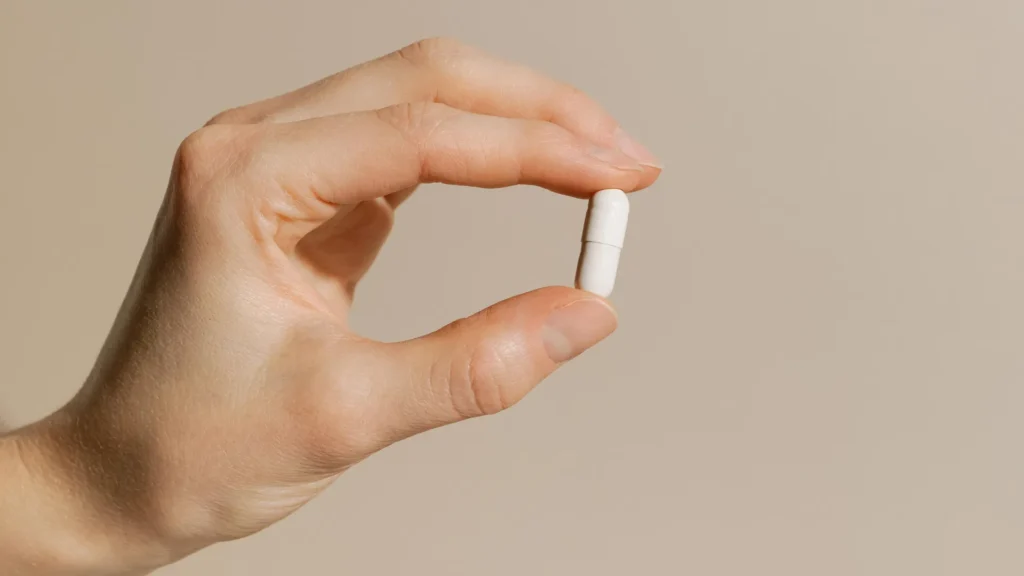
The methodology involved recruiting 90 healthy older adults, who were then randomly allocated to one of three distinct groups over a three-week period. The first group served as a control, receiving no treatment whatsoever. The second group was administered placebo pills but was deceptively told that these pills contained active ingredients specifically formulated to enhance well-being and physical function. The third, and arguably most intriguing, group received identical inactive pills but was openly informed that the pills were placebos, with the caveat that they could still elicit beneficial mind-body responses. This design was crucial for differentiating the effects of conscious expectation from unconscious conditioning.
Before and after the three-week intervention, participants underwent a comprehensive battery of assessments. They completed detailed questionnaires designed to gauge subjective experiences such as perceived stress levels, psychological well-being, sleepiness, fatigue, optimism, self-efficacy, and their internal stereotypes about aging. Complementing these self-reported measures, objective tests were administered to quantify changes in short-term memory, selective attention, and overall physical performance. This dual approach allowed for a holistic evaluation of the placebo effect across various domains critical to healthy aging.
A Chronology of Placebo Understanding
The concept of the placebo effect, while increasingly recognized by modern medicine, has a long and often contentious history. For centuries, physicians intuitively understood that patient belief and expectation could influence recovery, even without potent pharmaceutical agents. Early instances often involved inert substances or rituals that, while lacking direct physiological action, seemed to produce therapeutic outcomes. However, it wasn’t until the mid-20th century that the placebo effect began to be systematically studied.
During World War II, a shortage of morphine led anesthesiologist Henry Beecher to administer saline solution to wounded soldiers, observing that a significant percentage reported pain relief. His subsequent 1955 paper, "The Powerful Placebo," is widely considered a landmark, ushering in an era of more rigorous scientific inquiry into this phenomenon. For decades, the placebo effect was primarily viewed as a nuisance in clinical trials, a confounding factor to be controlled for, rather than a therapeutic mechanism in its own right. Standard practice involved "blinding" patients (and often clinicians) to whether they received the active drug or a placebo, to ensure that psychological factors did not skew results.
The emergence of "open-label placebos," however, marks a more recent and radical shift in this understanding. Pioneering work by researchers like Ted Kaptchuk in the early 2000s demonstrated that placebos could still be effective even when patients knew they were receiving an inert substance. This challenged the deeply ingrained belief that deception was a prerequisite for the placebo effect to manifest. The current study from Università Cattolica builds directly on this lineage, extending the investigation of open-label placebos specifically to the complex and critical domain of healthy aging, where the stakes are particularly high due to the natural decline in function.
Significant Gains in Memory, Stress, and Physical Prowess
The findings after the three-week study period were compelling and multifaceted. Participants in the open-label placebo group — those who knowingly took inert pills — reported significantly lower stress levels compared to both the deceptive placebo group and the untreated control group. This reduction in perceived stress suggests a powerful psychological benefit derived from conscious engagement with the placebo concept. Furthermore, this group demonstrated significant improvements in short-term memory when compared to individuals who received no intervention, underscoring a direct cognitive enhancement.
Across the board, both placebo groups experienced gains in various aspects of cognitive and physical performance. However, a crucial distinction emerged: the most pronounced and widespread improvements were consistently observed among participants who were fully aware they were taking a placebo. This outcome is particularly noteworthy, as it suggests that the conscious understanding and acceptance of the placebo’s mechanism, rather than mere unconscious suggestion, might amplify its effects.
Quantitatively, the improvements were substantial. Physical performance saw an increase of 7% in the deceptive placebo group, while the open-label placebo group demonstrated an even greater enhancement of 9.2%. Cognitive performance also showed impressive gains. Depending on the specific test administered, scores increased by between 12.6% and 14.6% among participants who believed they were taking a real supplement. More strikingly, those who knowingly took a placebo improved by an even broader range, between 6.9% and a remarkable 21.5% across different cognitive measures.
Professor Pagnini underscored the practical significance of these results. "These are significant effects," he emphasized, "comparable to those seen in some experimental studies on physical activity regarding physical performance and cognitive training, especially with regard to memory." This comparison is critical, as it positions open-label placebos not merely as a curious psychological phenomenon but as a potentially viable intervention alongside established methods for combating age-related decline. The study also observed reductions in drowsiness, with stress levels improving most noticeably among participants who were aware they were taking a placebo, further cementing the role of conscious expectation.
The Mechanism of Action: Why Do "Known" Placebos Work?
The efficacy of open-label placebos presents a fascinating paradox that scientists are still actively unraveling. Several theories attempt to explain how inert substances, known to be inert, can still elicit physiological and psychological changes.
One prominent theory revolves around response expectation. Even when informed that a pill is inert, the act of taking it, the interaction with a healthcare provider, and the context of a "study for improvement" can generate positive expectations about outcomes. These expectations can trigger real neurobiological responses. For instance, expecting pain relief can lead to the release of endogenous opioids (the body’s natural painkillers), while expecting improved function might enhance motivation and self-efficacy.
Another concept is classical conditioning. While less directly applicable to open-label placebos (which typically don’t rely on prior conditioning with active drugs), the general ritual of medicine-taking can become associated with healing and improvement. Even if the current pill is known to be inactive, the ritual itself can evoke a conditioned response.
Mindset and Self-Efficacy play a crucial role, particularly in open-label scenarios. When individuals are told that a placebo can still trigger mind-body responses, it empowers them. It shifts the locus of control inward, encouraging them to actively harness their own internal resources. This can foster a sense of self-efficacy – the belief in one’s own ability to succeed in specific situations – which is a powerful predictor of positive health outcomes and can directly influence performance. For older adults, who may grapple with age-related stereotypes and a perceived loss of control, this empowerment can be particularly impactful.
Finally, the therapeutic ritual and social interaction surrounding the placebo administration should not be underestimated. The attention from researchers, the structured nature of the study, and the belief that one is participating in something beneficial can all contribute to a sense of care and hope, which itself has therapeutic value.
Broader Implications: A New Approach to Healthy Aging?
The implications of these findings are profound, suggesting that placebo treatments, particularly open-label placebos, could represent a promising and ethically sound strategy for supporting healthy aging. The fact that open-label placebos performed as well as, or in some cases even better than, deceptive placebos is a game-changer. It removes the ethical quandary of deception, making this approach potentially viable for widespread clinical application.
Professor Pagnini’s assertion that these results "add to growing scientific evidence that the mind plays an important role in the aging process" resonates deeply within the scientific community. It reinforces the understanding that aging is not solely a biological decline but a complex interplay between physiological changes and psychological states. Thoughts, emotions, and self-perception may influence not only psychological well-being but also physical abilities and cognitive function, highlighting the powerful and often underestimated connection between the mind and the body.
Potential for Clinical Integration and Future Research
The integration of open-label placebos into clinical practice for older adults presents several exciting avenues.
- Adjunctive Therapy: Placebos could be used as an inexpensive and low-risk adjunct to existing therapies for age-related mild cognitive impairment or physical debility. They might enhance the effects of exercise programs or cognitive training by boosting patient motivation and expectation.
- Preventive Measure: For healthy older adults, incorporating open-label placebo interventions could potentially delay the onset or slow the progression of age-related declines, acting as a "mental boost" to maintain function.
- Addressing Subjective Symptoms: Conditions like chronic fatigue, mild stress, or sleep disturbances, which are common in older adults and often have a significant psychological component, might be particularly responsive to open-label placebo interventions.
- Cost-Effectiveness: In an era of escalating healthcare costs associated with an aging global population, an intervention that is inherently inexpensive and safe could offer significant economic benefits to healthcare systems worldwide.
- Ethical Advantage: The transparency of open-label placebos bypasses the ethical dilemmas of deception, making them more acceptable to patients and clinicians alike.
However, the researchers and the broader scientific community acknowledge that this study is a crucial first step. Future research will need to address several key questions:
- Long-Term Efficacy: What are the sustained effects of open-label placebos over longer periods? Are booster interventions needed?
- Mechanistic Understanding: Further studies are required to elucidate the precise neurobiological and psychological mechanisms through which open-label placebos exert their effects. Neuroimaging techniques could reveal brain changes associated with these improvements.
- Patient Selection: Are certain personality types or individuals with specific mindsets more receptive to open-label placebo effects? Tailoring interventions might optimize outcomes.
- Generalizability: While the study involved healthy older adults, could these findings extend to populations with specific chronic conditions or more advanced stages of cognitive decline?
- Integration Protocols: Developing clear protocols for how healthcare providers can ethically and effectively introduce and administer open-label placebos in clinical settings will be essential. This involves careful communication and patient education.
The Global Context of Aging and the Mind-Body Frontier
The findings emerge against a backdrop of a rapidly aging global population. According to the World Health Organization, the number of people aged 60 years and older will double by 2050, reaching nearly 2.1 billion. This demographic shift presents immense challenges to healthcare systems, economies, and social structures worldwide. Strategies that promote "healthy aging" — maintaining functional ability and well-being in older age — are therefore of paramount importance.
Traditionally, efforts have focused on pharmacological interventions, lifestyle modifications (diet, exercise), and cognitive training. While these remain vital, the Università Cattolica study introduces a compelling new dimension: harnessing the inherent capacity of the human mind to influence its own physical and cognitive state. It suggests that our internal narratives, expectations, and self-perceptions are not mere epiphenomena but powerful tools that can be deliberately engaged to promote resilience and function in later life.
This research aligns with a growing body of evidence from fields like psychoneuroimmunology, which explores the intricate connections between psychological processes, the nervous system, and the immune system. It reinforces the holistic view of health, where mental and physical well-being are inextricably linked. By offering an ethically sound, low-cost, and potentially highly accessible intervention, open-label placebos could become a significant component of a multi-faceted approach to supporting healthy aging, empowering older adults to leverage their own minds for better health outcomes. The Milan psychologists’ work thus opens a compelling new chapter in our understanding of aging, placing the mind-body connection firmly at the forefront of future therapeutic innovation.