


The imperative to create inclusive, engaging, and effective learning environments for every individual is a growing priority in both educational and enterprise settings. This necessitates a critical examination of how design choices within learning platforms can profoundly impact learner success, particularly for those facing varying levels of digital access and confidence. As organizations increasingly rely on digital learning solutions to upskill employees and deliver educational content, understanding and addressing the "hidden learning gap" is paramount.
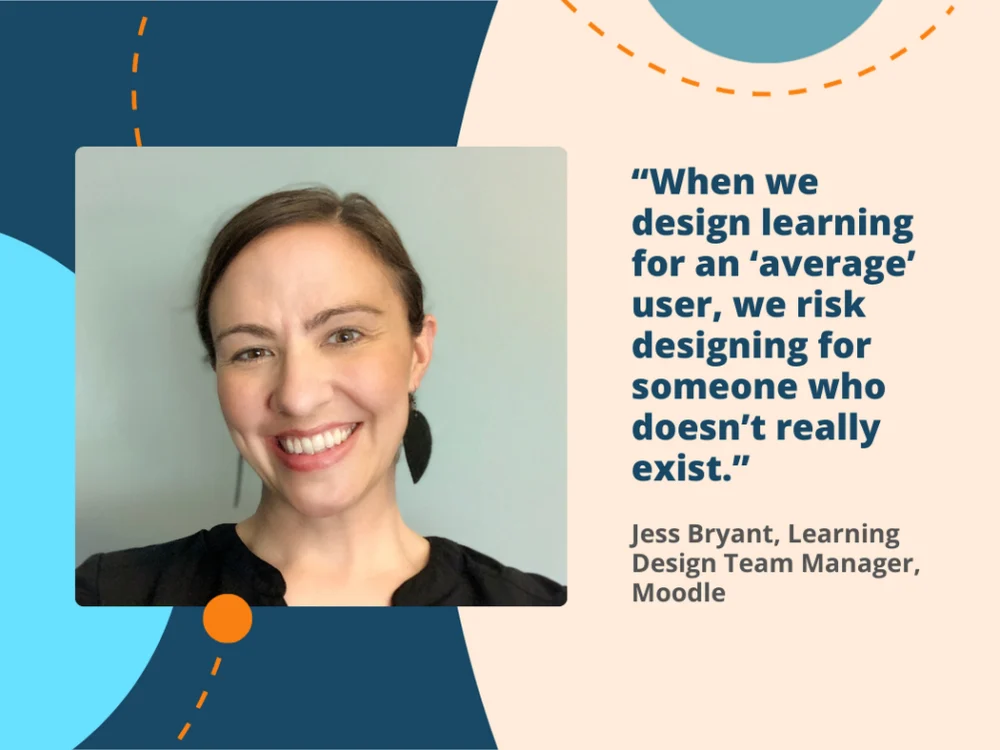
At the forefront of this discussion is Moodle, a leading open-source learning management system (LMS) provider. Jess Bryant, Moodle’s Learning Design Team Manager, emphasizes a fundamental challenge in digital learning design: the myth of the "average" user. "When we design learning for an ‘average’ user, we risk designing for someone who doesn’t really exist," Bryant states. "People engage with learning in very different ways depending on their circumstances." This sentiment underscores a critical shift required in how learning platforms and courses are conceived and implemented, moving away from a one-size-fits-all approach towards a more personalized and adaptable model.
The Stakes of Digital Learning Transformation
The prospect of launching a new learning platform or undertaking a significant overhaul of an existing Learning Management System (LMS) represents a high-stakes project for any organization. Such initiatives involve navigating a complex web of stakeholder expectations, ambitious engagement targets, stringent deadlines, and a constant stream of inquiries. The pressure to ensure that colleagues and learners can achieve their educational and professional goals through these systems is immense.
Bryant’s extensive experience in guiding organizations of all sizes toward creating accessible, relevant, and time-valued learning experiences highlights the nuanced challenges involved. "We spend a lot of time perfecting content," she observes, "but content isn’t the only thing that shapes someone’s experience. To encourage learner engagement, we need to build an environment that supports learners with varying levels of digital confidence and connectivity." This statement draws a clear line between the quality of educational materials and the efficacy of the delivery mechanism, arguing that the latter is often overlooked but equally crucial.
The Illusion of Universal Access
Online learning platforms, at first glance, present an image of uniform accessibility. Registered users can theoretically log in, access courses, participate in activities, and view resources from virtually any location. However, this apparent availability does not inherently guarantee a consistent or equitable learning experience. This disparity is often exacerbated by differences in what researchers term "digital capital."
Digital capital encompasses a learner’s combined access to technology, their prior experience with online learning environments, and the social support systems available to them. Individuals who are already proficient with virtual learning systems often progress rapidly, while those with limited technological resources, less familiarity with online pedagogy, or insufficient support can find themselves falling behind. This divergence in digital capital directly influences engagement levels and learning progression rates.
The research in this domain, supported by organizations like the World Economic Forum, indicates that digital divides are not merely about access to devices but also encompass digital literacy, skills, and confidence. A 2023 report on digital inclusion highlighted that while smartphone penetration is high globally, the ability to effectively utilize these devices for complex tasks like learning remains a significant barrier for many. This points to the need for platforms that are not only accessible but also intuitive and supportive of diverse digital skill sets.
Rethinking Course Design for Inclusivity
The challenge of bridging this "learning gap" can be addressed by fundamentally rethinking the approach to course design. While significant LMS overhauls are sometimes necessary, transforming the learner experience can often be achieved through smaller, intentional design choices that foster more inclusive participation. Bryant reiterates this point, stating, "Simple changes in the way we design courses can make a surprisingly large impact on learner engagement. When the learning environment feels intuitive and relevant, people are far more likely to connect with content and keep coming back."
Practical strategies include creating clearer course structures, which helps busy employees quickly grasp expectations. Similarly, offering flexible course formats that are compatible with a wide range of devices accommodates diverse working conditions and schedules, enabling learners to engage at their convenience. Predictable navigation across the learning environment and straightforward instructions for activities and assignments are also crucial. These elements reduce cognitive load and build learner confidence by removing ambiguity and guesswork.
The Impact of Digital Capital on Learning Outcomes
The concept of digital capital has been extensively studied in educational research. For instance, studies in higher education have shown a correlation between students’ self-reported digital literacy and their academic performance in online courses. A meta-analysis published in the Journal of Educational Technology & Society in 2022 reviewed over 50 studies and found a significant positive relationship between students’ digital skills and their success in online learning environments. This suggests that learners with higher digital capital are better equipped to navigate the complexities of digital platforms, access resources efficiently, and participate actively in online discussions and activities.
Conversely, learners with lower digital capital may struggle with basic navigation, encounter technical difficulties that disrupt their learning flow, or feel less confident in their ability to interact with course materials and peers. This can lead to disengagement, frustration, and ultimately, poorer learning outcomes. The economic implications of this are substantial, as a workforce that is not adequately upskilled due to learning platform barriers can lead to decreased productivity and innovation.
Universal Design for Learning (UDL) in the Workplace
A powerful framework for building more inclusive learning environments is Universal Design for Learning (UDL). Originally developed for K-12 and higher education settings by CAST (Center for Applied Special Technology), UDL principles encourage course creators to design for flexibility from the outset. Rather than catering to a hypothetical "typical" learner, UDL acknowledges that learners possess diverse backgrounds, motivations, and confidence levels. The core tenets of UDL emphasize providing multiple means of engagement, representation, and action and expression.
Applied to the workplace, UDL translates naturally into designing learning experiences that accommodate a broad spectrum of users without requiring a complete overhaul of existing LMS infrastructure. As Bryant explains, "By keeping UDL in mind, we can design for variability from the beginning. Rather than adapting a course later for learners who are struggling, we create learning experiences that work for a wider range of people from day one."
Practical UDL applications in corporate learning include offering learning materials in multiple formats. For example, providing both short videos and written summaries allows learners to choose the method that best suits their learning style and preference. Similarly, offering diverse assessment options, such as quizzes, reflective discussions, or applied tasks, caters to different ways individuals demonstrate their understanding. This approach ensures that all learners have opportunities to engage with content and showcase their knowledge effectively.
The Broader Implications for Organizational Success
When learning environments are designed with variability and inclusivity in mind, the daunting task of launching or transforming a learning platform shifts from creating a single "perfect" course to building an ecosystem where everyone can thrive. This human-centered approach not only enhances individual learning but also contributes significantly to an organization’s overall success.
A recent industry survey by eLearning Industry indicated that organizations prioritizing accessible and inclusive learning design report higher employee engagement rates, improved knowledge retention, and a more agile workforce. The report highlighted that companies investing in UDL principles saw a 15% increase in course completion rates and a 10% improvement in employee satisfaction with learning initiatives.
Moodle’s commitment to these principles is evident in their development of resources aimed at supporting learning designers and educators. The "Bridging the hidden learning gap" guide, developed in collaboration with experts, offers practical strategies for creating learning environments that are not only accessible but also desirable for users. This guide delves into thoughtful learning design, accessibility standards, and human-centered approaches, providing actionable insights for both new platform launches and existing system refinements.
As Bryant articulates the overarching benefit, "When learning is designed with real people in mind, it doesn’t just become more accessible – it becomes more valuable for the organization as a whole." This value proposition extends to enhanced employee performance, greater innovation, and a stronger organizational culture that champions continuous learning and development for all.
The Call to Action: Embracing Inclusive Design
The journey towards creating truly inclusive and effective learning environments is ongoing. By understanding the concept of digital capital, embracing frameworks like UDL, and making intentional design choices, organizations can bridge the hidden learning gap. This commitment not only empowers individual learners but also strengthens the collective capacity of the organization to adapt and succeed in an ever-evolving landscape.
Organizations looking to deepen their understanding and implement these strategies can access resources like Moodle’s "Bridging the hidden learning gap" guide. This publication serves as a valuable tool, offering expert guidance and realistic strategies to foster learning environments where every learner has the opportunity to succeed. The message is clear: when learning works for everyone, it works better for all.