


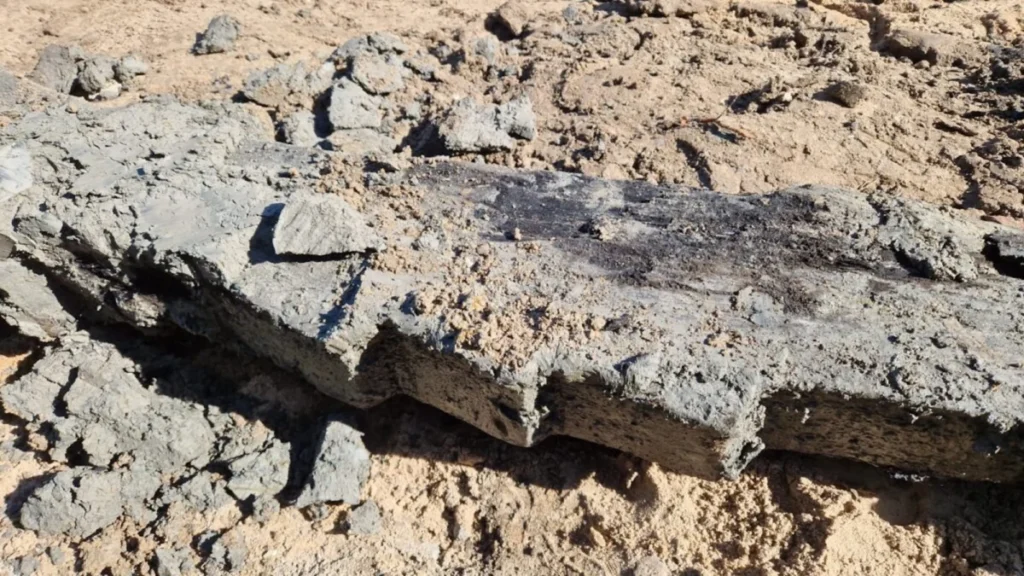
The Dutch town of Wijk bij Duurstede, located southeast of Amsterdam, has become the site of a significant archaeological find that offers a rare glimpse into the maritime history of Northern Europe. During routine maintenance and installation of a new sewer line, construction crews encountered a massive, waterlogged wooden obstacle that halted work immediately. Upon inspection by municipal archaeologists, the object was identified as a timber beam measuring over 10 feet in length, believed to be a structural component of a ship dating back to the Viking or Carolingian era, approximately 1,200 years ago. This discovery represents the first maritime artifact of its kind found in the municipality, a region already renowned for its deep historical roots as a pivotal center of early medieval commerce.
The artifact was unearthed in an area that once sat at the heart of Dorestad, one of the most important and prosperous trading hubs in Northwestern Europe between the 7th and 9th centuries. The municipal government of Wijk bij Duurstede confirmed the find through official social media channels, noting that while the discovery was unexpected, it aligns with the town’s historical identity as a gateway between the Scandinavian north and the Frankish heartlands of the south. The timber has since been carefully extracted, wrapped in protective materials to maintain its moisture content, and transported to a specialized climate-controlled facility for comprehensive scientific analysis.
Historical Context: The Rise and Fall of Dorestad
To understand the significance of a potential 9th-century ship timber in Wijk bij Duurstede, one must look to the history of Dorestad. During the Carolingian period, Dorestad served as an "emporium"—a specialized trading settlement that operated under the protection and taxation of the Frankish kings. Situated at the fork of the Rhine and Lek rivers, it was the primary node in a vast trade network that moved goods such as wine, ceramics, and glassware from the Rhineland to the Baltic Sea, while bringing furs, amber, and slaves from Scandinavia to the Frankish Empire.
The Carolingian era, named for the dynasty of Charles Martel and Charlemagne, was characterized by the consolidation of European power and a flourishing of culture and trade known as the Carolingian Renaissance. Dorestad was the crown jewel of this economic expansion. However, its wealth also made it a prime target for Viking raiders. Throughout the 9th century, the town suffered repeated Viking incursions, most notably between 834 and 863 CE. The discovery of a ship timber from this specific period raises intriguing questions: was this vessel a merchant ship carrying goods to market, a Frankish river boat, or perhaps a remnant of the very Viking longships that eventually led to the settlement’s decline?
Chronology of the Discovery and Extraction
The timeline of the discovery began in early 2024 during the excavation phase of a municipal sewer upgrade. As heavy machinery reached the required depth for the piping, operators noticed a large, dark mass of wood that did not match the surrounding soil composition. Recognizing the potential for archaeological remains—given the town’s history—the construction team followed standard Dutch heritage protocols and notified local authorities.
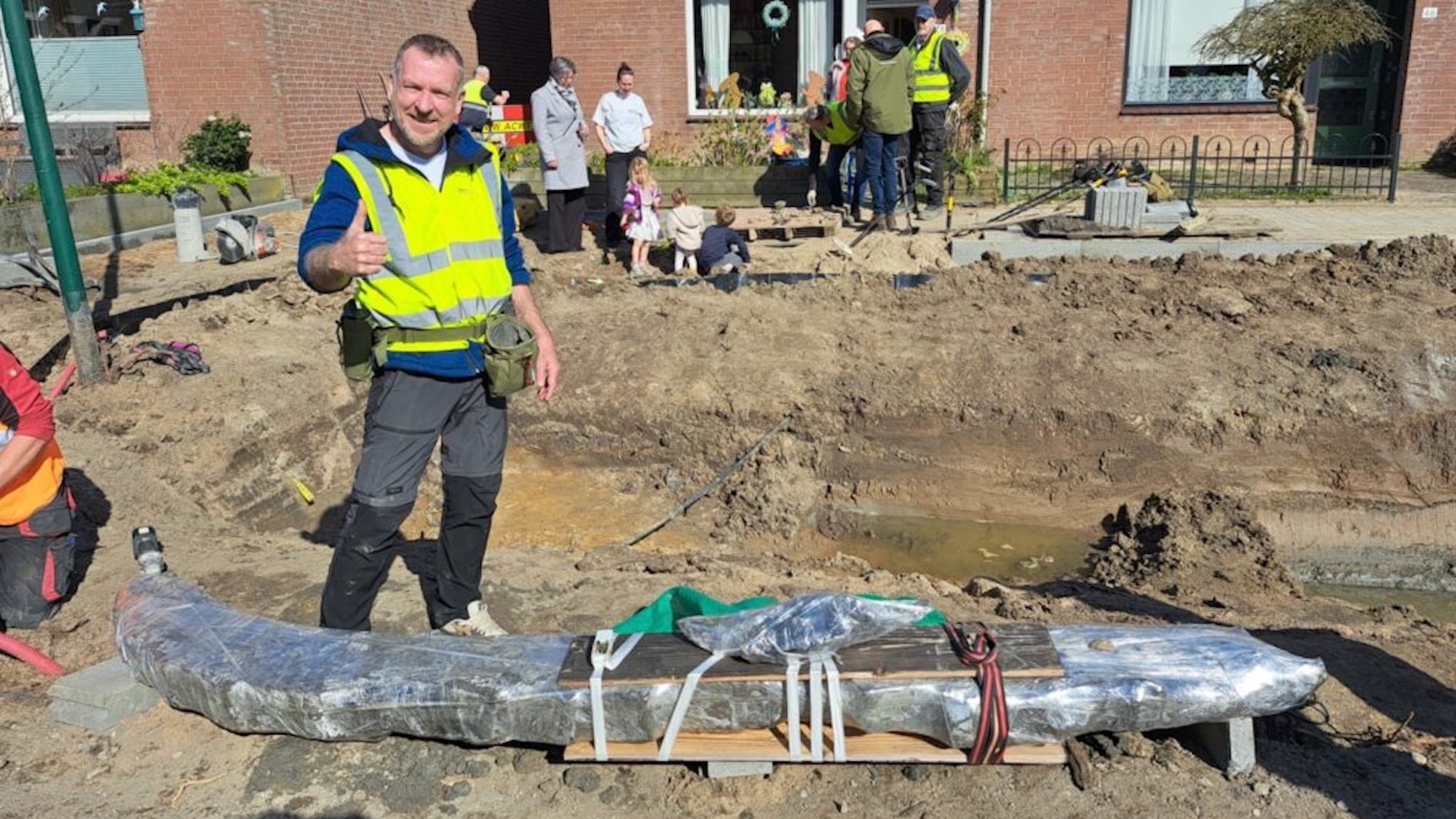
Archaeologists arrived on-site to conduct a preliminary assessment, determining that the timber was not a discarded building material but a shaped beam consistent with early medieval shipbuilding techniques. Over the following days, the site was secured to prevent the wood from drying out, which would cause it to crack and disintegrate. After a meticulous manual excavation, the 10-foot beam was lifted from the trench. The municipal workers and archaeologists worked in tandem to ensure the artifact remained stable during its transfer to a storage facility, where it currently undergoes a stabilization process to prevent biological decay.
Scientific Analysis and Dendrochronology
The primary method for dating the timber will be dendrochronology, the scientific study of tree-ring patterns. By comparing the ring sequences in the oak timber to established master chronologies for Northern Europe, researchers can determine not only the year the tree was felled but often the specific geographic region where it grew. This data is crucial for identifying the ship’s origin. If the wood originated in Scandinavia, it strongly suggests a Viking vessel; if it matches timber from the Rhine valley, it likely represents a Carolingian merchant ship.
Initial visual assessments by maritime archaeologists suggest the timber dates to the 9th century, but experts have remained cautious. There is a secondary hypothesis that the wood could belong to a later period, specifically the 13th or 14th centuries. During this later medieval era, the "cog" became the dominant vessel of the Hanseatic League. Cogs were large, sturdy trading ships with high sides and flat bottoms, designed to carry heavy bulk cargo across the North and Baltic Seas. Distinguishing between a 9th-century clinker-built vessel and a 14th-century cog requires a detailed examination of the joinery, the presence of iron rivets or wooden treenails, and the overall curvature of the beam.
Maritime Technology of the Carolingian Era
The 9th century was a period of rapid evolution in maritime technology. Viking ships were famous for their "clinker" construction, where the hull planks overlapped and were fastened with iron rivets. This design allowed for flexibility and speed, enabling ships to navigate both the open ocean and shallow river systems like the Rhine.
In contrast, Frankish or Carolingian vessels of the same period were often sturdier and designed for riverine transport. Finding a well-preserved timber from this era provides invaluable data on how these ships were constructed to handle the treacherous and shifting currents of the Rhine delta. The 10-foot length of the discovered beam suggests it may have been a floor timber or a portion of the keelson, implying that the original vessel was of significant size, likely exceeding 40 or 50 feet in total length.
Official Responses and Preservation Efforts
The municipality of Wijk bij Duurstede has expressed great enthusiasm for the find, emphasizing its importance to local heritage. In a statement regarding the discovery, municipal representatives highlighted that such artifacts serve as a tangible link to the town’s prestigious past as Dorestad. The find has also sparked interest among the local community, as it reinforces the historical narrative taught in regional schools and showcased in local cultural institutions.
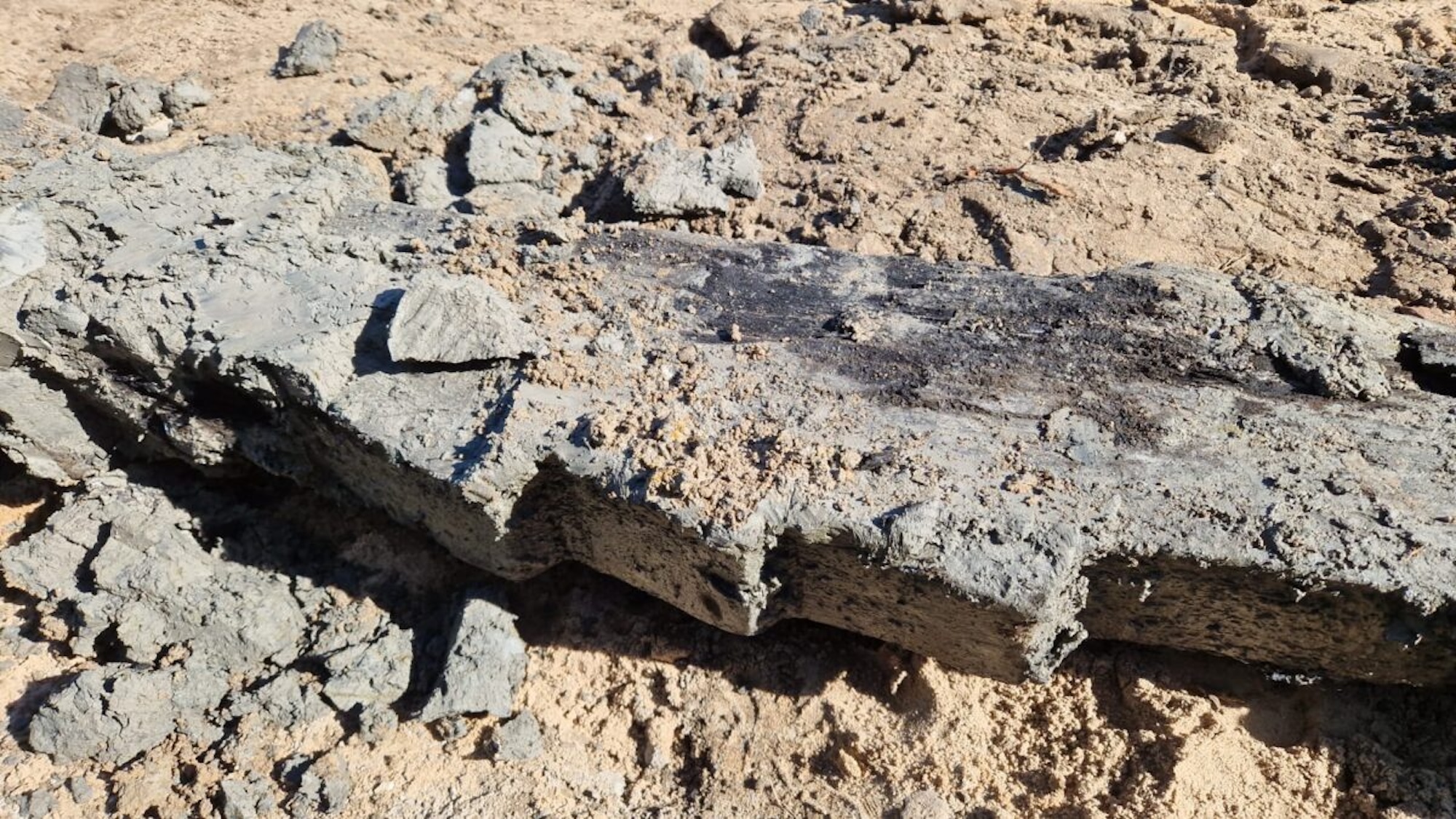
Current preservation efforts are focused on the long-term viability of the wood. Archaeological wood that has been submerged in anaerobic (oxygen-free) soil for centuries is extremely fragile. Once exposed to air, the water inside the wood cells evaporates, and the cellular structure collapses. To prevent this, the timber will likely undergo a treatment process involving polyethylene glycol (PEG), a synthetic wax that replaces the water in the wood cells, effectively "petrifying" the timber for permanent display.
Broader Implications and Future Display
The discovery of the ship timber is more than just a local curiosity; it adds a significant data point to the broader understanding of Early Medieval European trade routes. If confirmed as a 9th-century artifact, it will join a small and elite group of Carolingian-era maritime finds, helping historians map the movement of people and goods during a period often erroneously labeled as the "Dark Ages."
Looking forward, the Dorestad Museum in Wijk bij Duurstede is the most likely candidate for the artifact’s permanent home. The museum is dedicated to the history of the emporium and already houses a vast collection of coins, jewelry, and daily items recovered from the site over the decades. Adding a structural element of a ship would provide a centerpiece for the museum’s maritime exhibit, allowing visitors to visualize the vessels that once crowded the bustling docks of the Rhine.
As the dendrochronological results are awaited, the sewer project has resumed, but with an increased level of archaeological oversight. The discovery serves as a reminder that beneath the modern infrastructure of Europe’s oldest towns, significant chapters of human history remain buried, waiting for the right moment to resurface. The timber from Wijk bij Duurstede stands as a testament to the enduring legacy of the North Sea’s maritime traditions and the sophisticated economic networks that shaped the continent over a millennium ago.