




Literacy instruction in modern classrooms has been dominated by the “Science of Reading” movement for the better part of a decade. While the national discourse has successfully pivoted toward evidence-based practices for decoding and phonemic awareness, a significant portion of the literacy framework—writing instruction—remains largely relegated to the sidelines. This imbalance has prompted a shift in pedagogical focus as experts increasingly argue that reading and writing are not merely related, but are mutually reinforcing cognitive processes.

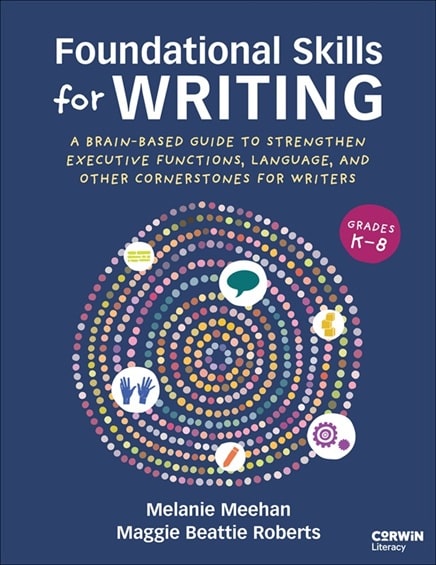
Melanie Meehan, a curriculum expert and founder of an independent writing center, and Maggie Roberts, a veteran literacy consultant and educator, have introduced a new framework to address this deficit. Their recently published work, Foundational Skills for Writing: A Brain-Based Guide to Strengthen Executive Functions, Language, and Other Cornerstones for Writers, seeks to bridge the gap between neurological development and classroom output. The authors argue that students often struggle with writing not because of a lack of creativity, but because the cognitive load required for transcription, sentence construction, and executive function overwhelms their working memory.
The Cognitive Architecture of Writing
Writing is a high-level cognitive task that requires the simultaneous integration of multiple brain systems. According to current neuro-educational research, a student must coordinate motor control for handwriting or typing, orthographic mapping for spelling, and syntactic knowledge for sentence structure—all while maintaining the executive functions necessary to plan, organize, and revise thoughts.
Data from the National Assessment of Educational Progress (NAEP) has consistently highlighted a plateau in student writing proficiency. According to the most recent long-term trend data, a significant percentage of students in both elementary and middle school fail to meet grade-level expectations for persuasive and narrative writing. Meehan and Roberts posit that this stagnation is a direct result of “cognitive exhaustion.” When a student spends all their mental energy attempting to spell a word or construct a basic sentence, they have no remaining bandwidth for the complex work of argumentation or storytelling.
Chronology and Development of the "Minute Moves" Approach
The methodology presented in their book, which they term "Minute Moves," was developed over two decades of classroom observation and consulting. The approach is designed to be integrated into the existing school day without requiring a complete overhaul of the curriculum. These micro-interventions are intended to be utilized during transitional periods—such as the transition to lunch or as a three-minute morning warm-up—to build "neural pathways" through repetition and low-stakes practice.

The implementation of these strategies follows a specific developmental trajectory:
- Transcription Foundations: Focusing on the mechanics of writing, including spelling patterns and motor development.
- Oral Language Integration: Using speaking and listening as a precursor to formal writing, helping students internalize syntax before they are tasked with putting it on paper.
- Executive Function Training: Implementing cognitive flexibility exercises that require students to manipulate information and consider alternative perspectives.
Spelling and Linguistic Pattern Recognition
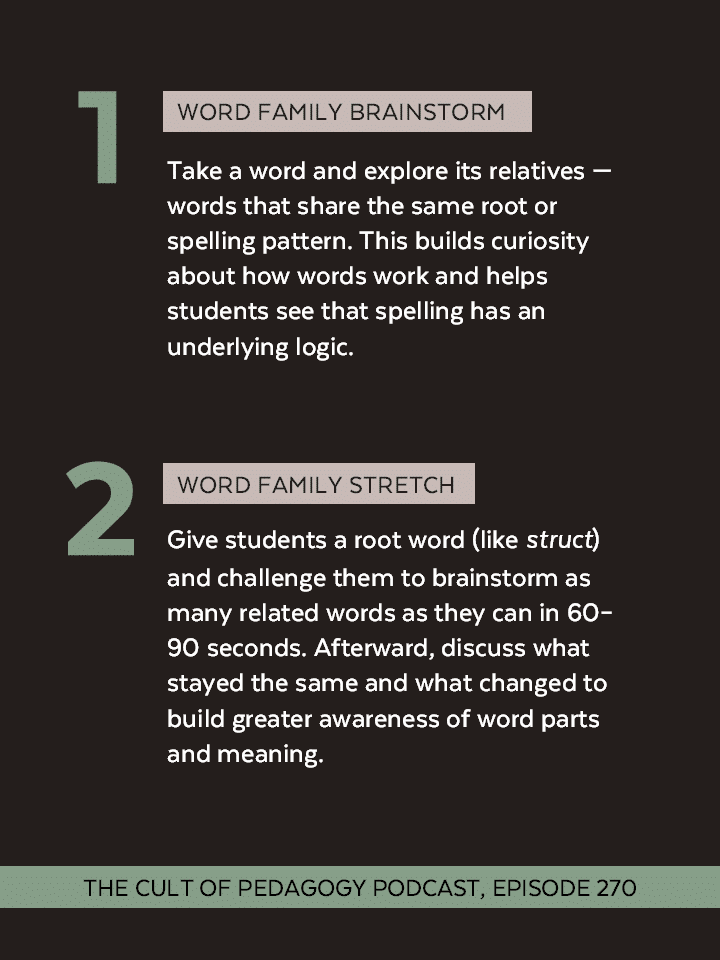
The authors suggest that traditional rote memorization of spelling words is inefficient. Instead, they advocate for a morphological approach. By studying word families and roots, students develop a deeper understanding of the English language’s structure.

For instance, rather than memorizing the homophones "to," "too," and "two" in isolation, students examine the "TW" connection to the concept of twoness, linking words like "twin" and "twelve." This contextual learning encourages students to view words as interconnected systems rather than arbitrary strings of letters. Research from spelling scientists like Rebecca Treiman supports this, indicating that when students understand the underlying logic of orthography, their retention rates improve significantly.
Building Syntactic Complexity
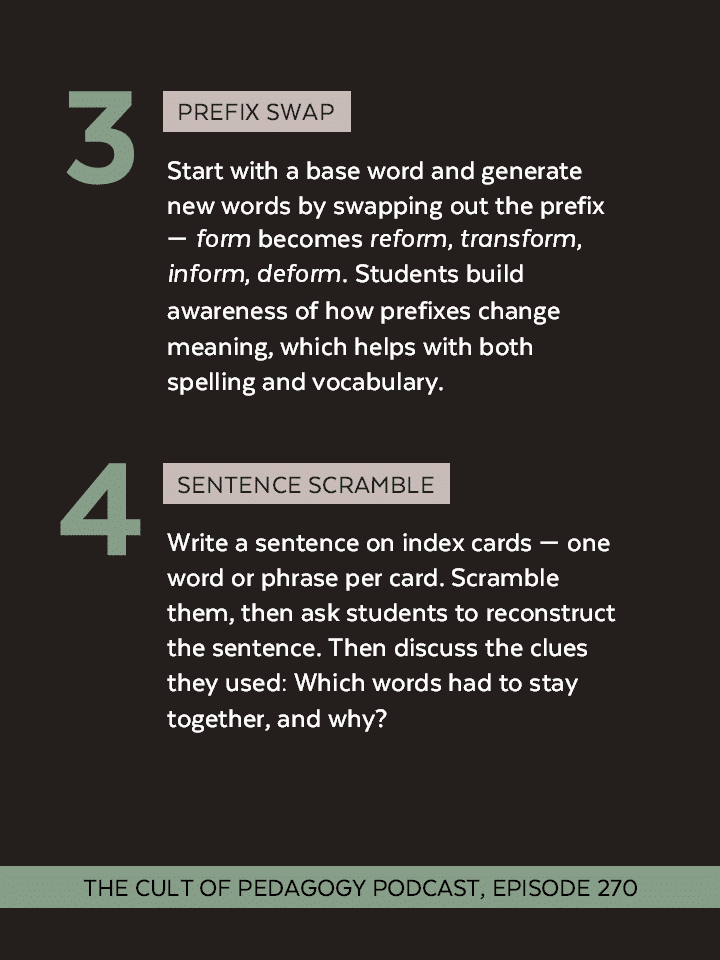
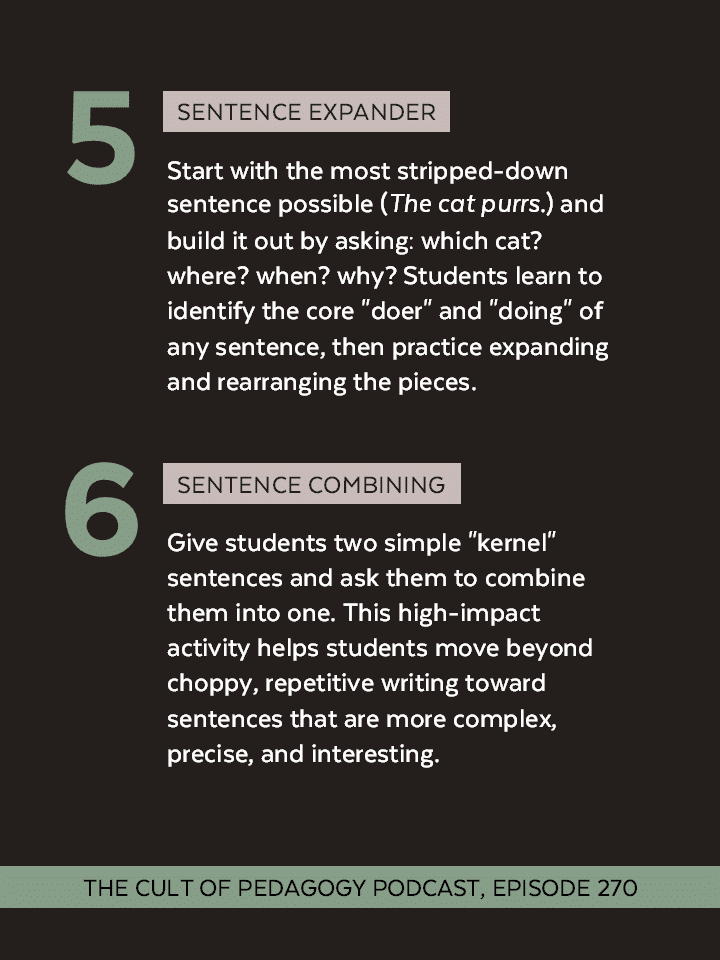
A persistent hurdle in writing development is the "choppy sentence" phase, where students write a series of simple, disconnected declarative statements. The "Sentence Combining" and "Sentence Expander" strategies are designed to accelerate the transition toward complex syntax.
By using "kernel sentences"—simple subject-predicate structures—and systematically adding modifiers, conjunctions, and prepositional phrases, students learn the mechanics of complex sentence building. Educators who have piloted these strategies report that when students are given the tools to manipulate sentence structure in a "game-like" environment, they are more likely to experiment with more sophisticated structures in their independent writing. This aligns with findings in linguistics suggesting that explicit instruction in syntax leads to higher quality prose in academic assessments.
Executive Function and Cognitive Flexibility
Perhaps the most significant contribution of the new framework is its focus on cognitive flexibility. In the context of writing, this is the ability to shift perspective, revise, and consider the audience. The authors’ "New Angle" exercise, which asks students to retell a story from the perspective of a different character, is a direct application of this executive function.
This is not merely an exercise in creative writing; it is a fundamental social-cognitive skill. By stepping into the perspective of another, students must hold multiple pieces of information in their working memory simultaneously—the original narrative, the new character’s motivations, and the stylistic requirements of the new voice. Educators note that this skill is particularly vital in the current digital age, where the ability to synthesize multiple sources and perspectives is a prerequisite for media literacy.
Broader Educational Implications
The publication of this guide comes at a time when schools are under pressure to improve literacy outcomes across the board. The implications of this work are twofold. First, it suggests that the “writing crisis” is largely a failure to teach the sub-skills of writing explicitly. If students are struggling, the response should not be to assign more writing, but to provide more targeted, high-frequency practice of the underlying cognitive processes.
Second, the work underscores the importance of teacher-led, flexible interventions. By providing a menu of "Minute Moves," the authors empower teachers to address specific deficits—such as poor spelling or limited sentence variety—without needing to sacrifice time allocated for core instruction.
Critics of such granular approaches might argue that they risk fragmenting the writing process, potentially leading to a "skill-and-drill" atmosphere. However, the authors maintain that these moves are intended to be ephemeral—lasting only minutes—to prevent the cognitive fatigue that hampers genuine writing.
Conclusion: A Shift in Pedagogical Strategy
As the educational landscape continues to evolve, the focus on writing is likely to intensify. The work of Meehan and Roberts offers a structured, science-backed roadmap for educators looking to integrate these essential skills into their daily routines. By prioritizing the brain’s need for pattern recognition, syntactic manipulation, and cognitive flexibility, schools may finally be able to address the long-standing gap in writing proficiency.
For many educators, the transition toward this model represents a return to fundamentals, but with the added rigor of modern neuro-educational insight. As the focus shifts from simply asking students to write more, to teaching them how to process the language they use, the potential for significant gains in student writing ability becomes clear. The challenge for districts moving forward will be the consistent implementation of these foundational strategies across all grade levels to ensure that students are not only capable of putting words on paper but are equipped with the cognitive tools necessary to express complex ideas with precision and clarity.