



When Marcel Proust famously dipped a madeleine into his tea, the sensory experience triggered a cascade of childhood memories, illustrating the profound connection between taste and human recollection. For over a century, this phenomenon was viewed primarily as a psychological or neurological event confined to the brain. However, groundbreaking new research led by scientists at the University of Southern California (USC) Dornsife College of Letters, Arts and Sciences suggests that our digestive system acts as an silent architect of memory, playing a vital role in determining which life experiences are encoded for the long term.
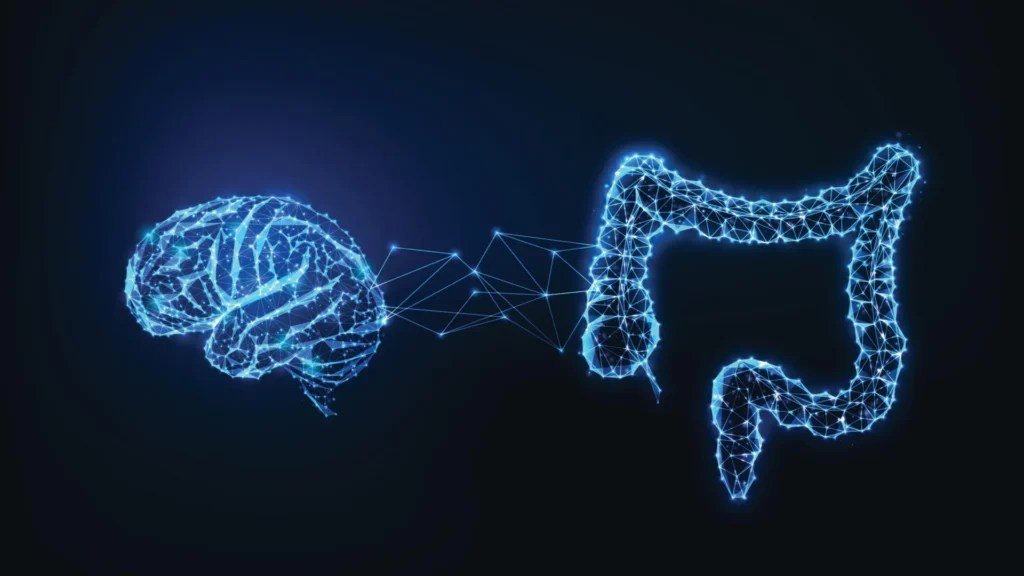
This study, recently published in the journal Nature Communications, posits that the gut-brain axis—a bidirectional communication network—is instrumental in memory formation. By investigating the biological signals triggered by the intake of nutrients, the research team, led by Professor of Biological Sciences Scott Kanoski, has uncovered a sophisticated physiological mechanism that prioritizes the retention of information regarding high-value food sources.
The Biological Mechanism: The Vagus Nerve as a Conduit
At the center of this discovery is the vagus nerve, a critical component of the parasympathetic nervous system that serves as a primary information superhighway between the viscera and the brain. Historically, the medical community recognized the vagus nerve’s influence on homeostatic processes, such as digestion, heart rate regulation, and satiety signals. The USC Dornsife study expands this scope, revealing that the nerve also functions as a data transmitter for the hippocampus, the brain’s primary engine for learning and spatial memory.
In a controlled series of experiments involving rat models, the research team monitored the biochemical responses within the hippocampus following food consumption. They observed that the ingestion of nutrient-dense meals triggered a significant surge in the release of acetylcholine, a neurotransmitter essential for synaptic plasticity—the process by which the brain forms new connections and stores memories.
The data revealed a clear causal link: when researchers chemically or surgically disrupted the communication pathways of the vagus nerve, the expected spike in hippocampal acetylcholine failed to occur. Consequently, the subjects demonstrated a marked impairment in memory-based tasks, particularly those requiring the recall of spatial coordinates to locate food. This suggests that the brain does not operate in a vacuum; it relies on biochemical "tags" from the gut to determine whether a particular experience is worth remembering.
Nutritional Value Versus Hedonic Reward
One of the most striking findings of the study is the brain’s ability to distinguish between the sensory pleasure of food and its actual nutritional density. In the trial, rats were presented with both high-calorie, nutrient-rich foods and non-nutritive, calorie-free liquids that mimicked the sweet taste of sugar.
The results were unequivocal: the brain’s memory pathways were activated exclusively by the intake of actual nutrients. Sweet-tasting but inert substances failed to trigger the same neurological response. This distinction highlights an evolutionary adaptation designed for survival. For an animal in the wild, the ability to discern and remember the precise location of a calorie-dense food source is a matter of life and death. The gut appears to send a specific biological message—"This meal provided life-sustaining energy"—which then signals the brain to encode the environmental context of that meal for future use.
Logan Lauer, a PhD student in the Kanoski lab and the study’s first author, notes that this mechanism likely evolved to optimize foraging strategies. "We think the mechanism likely evolved to help animals remember vital information about food sources," Lauer explained. The gut acts as a biological auditor, filtering environmental input and instructing the brain to prioritize memories that correlate with energy acquisition.
The Long-Term Consequences of Modern Diets
While this gut-brain signaling system is vital for survival, the study also highlights a growing public health concern: the impact of modern, ultra-processed diets on this biological pathway. The research indicates that the benefits of this signaling system are not limitless.
When subjects were exposed to high-fat, high-sugar diets consistently throughout their development, the communication pathway between the gut and the hippocampus began to degrade. Even after these subjects were transitioned back to a nutritionally balanced diet, the memory-related brain responses remained suppressed, and cognitive performance on memory-based tasks continued to lag behind the control groups.
This suggests that chronic consumption of energy-dense, low-nutrient foods may "blunt" the signaling efficacy of the vagus nerve. Over time, the internal communication lines that facilitate learning and memory appear to become structurally or functionally compromised, potentially explaining the correlation between poor metabolic health and impaired cognitive function in humans.
Implications for Cognitive Decline and Neurodegenerative Disease
The findings offer a compelling biological explanation for the well-documented association between obesity, metabolic syndrome, diabetes, and increased risk of cognitive decline. If the vagus nerve-hippocampus axis is responsible for maintaining the integrity of memory storage, then the chronic inflammation or metabolic dysregulation associated with poor diet could represent a primary driver of neurodegeneration.
Furthermore, the study provides a new perspective on Alzheimer’s disease. Professor Kanoski points out that the degradation of acetylcholine signaling is one of the earliest neurochemical markers of the disease. "By revealing that this system is boosted by gut signaling from the vagus nerve, novel therapeutic targets could leverage this information to explore vagus nerve-based approaches, such as vagus nerve stimulation (VNS)," Kanoski stated.
VNS is already a recognized clinical intervention for epilepsy and treatment-resistant depression. The possibility that this technology, or similar dietary and pharmaceutical interventions aimed at the gut, could be repurposed to mitigate cognitive decline is a significant step forward in geriatric medicine. If researchers can "re-prime" the gut-brain axis, they may eventually be able to bolster memory function in aging populations.
Chronology and Scientific Context
This study builds upon a growing body of research investigating the "second brain"—the enteric nervous system. The trajectory of this field has shifted significantly over the last two decades:
- Early 2000s: Researchers began to identify the complexity of the microbiome and its influence on host immunity.
- 2010s: Evidence emerged linking gut bacteria to the production of neurotransmitters like serotonin, shifting the focus to mental health and the gut-brain axis.
- 2020s: Studies like the current one at USC Dornsife are moving beyond simple chemical correlations to map the specific neural circuitry that connects gut signaling to high-level cognitive functions such as spatial memory and executive control.
The current study was supported by a robust consortium of funding agencies, including the National Institute of Diabetes and Digestive and Kidney Diseases and the Alzheimer’s Association, underscoring the clinical importance of these findings. The research team included a diverse group of scientists from USC Dornsife, Bucknell University, and the Université de Montréal, reflecting the multidisciplinary nature of the investigation.
Moving Forward: From Animal Models to Human Health
While the results are profound, the research team is quick to emphasize that these findings were primarily observed in rodent models. Translating these mechanisms into human clinical practice will require rigorous longitudinal studies. The complex dietary habits of humans—which include social, psychological, and environmental variables—far exceed the controlled environment of a laboratory.
However, the implications for future public health policy are clear. The findings provide a biological justification for the emphasis on nutritional quality, suggesting that diet is not just about body mass index or cardiovascular health, but about the preservation of the cognitive machinery itself. If the gut is indeed a partner in the memory-making process, then the standard advice to "eat well" takes on a new, urgent dimension: we are not just what we eat; we are what we remember, and our gut may be the one keeping the records.
Future research will likely focus on whether non-invasive methods, such as dietary interventions aimed at modulating the gut microbiome or targeted vagus nerve stimulation, can restore memory pathways in individuals suffering from early-stage cognitive impairment. For now, the study serves as a critical milestone in understanding that the seat of human experience—our memory—is not merely the work of the brain, but a collaborative effort between the mind and the body.







