


Madang, Papua New Guinea – Divine Word University (DWU) has emerged as a beacon of innovative digital learning, thanks to the dedicated efforts of Liam Aldan, a Moodle Learning Designer whose thoughtful approach has dramatically reshaped the online educational landscape within the institution. Aldan’s work, now in its fourth year, exemplifies how strategic design and a deep understanding of user needs can transform a learning management system from a mere repository of information into a dynamic, engaging, and supportive environment for both students and educators.
Aldan’s journey into learning design was not a predetermined career path but rather an organic evolution driven by a genuine desire to improve the student experience. Upon joining DWU, he observed that many digital courses, while containing the necessary academic content, lacked clarity and direction. These courses, as Aldan described them, felt like "long corridors with closed doors," leaving students unsure of their next steps or how to effectively engage with the material. Simultaneously, many lecturers faced time constraints that limited their ability to create or enhance their Moodle courses, leading to a disparity in the quality and effectiveness of online learning offerings.
This initial observation sparked a crucial shift in Aldan’s perspective. He recognized that the true measure of success in digital education lay not in simply "designing courses," but in "designing clear, meaningful learning experiences." This fundamental reorientation of his approach became the cornerstone of his subsequent work.
The Genesis of a Learning Experience Revolution
Aldan’s strategy involved a deeply collaborative process. He began by actively engaging with academic staff, dedicating time to understand their individual teaching methodologies, pedagogical philosophies, and the unique challenges they encountered when translating their in-person classes to an online format. This empathetic approach allowed him to gain invaluable insights that directly informed his design decisions.
"When I look back, it’s hard to believe that this year marks my fourth year as a Moodle Learning Designer at Divine Word University," Aldan shared. His early efforts focused on translating these gathered insights into tangible improvements within the Moodle platform. By redesigning existing courses and creating new ones with a student-centric focus, Aldan aimed to build digital environments that were not only accessible but also intuitive and easy to navigate.
This period also saw Aldan taking on a crucial role in empowering his colleagues. He initiated training programs and provided ongoing support, demystifying the various functionalities of the Moodle LMS and illustrating how these tools could be leveraged to create more effective and engaging online learning opportunities. This dual focus on student experience and faculty enablement was critical to fostering a university-wide adoption of best practices in digital pedagogy.
Transforming Moodle from a Repository to a Vibrant Hub
The impact of Aldan’s initiatives began to manifest gradually but profoundly. The university’s Moodle site, once a collection of disparate courses, started to transform into a cohesive and dynamic learning ecosystem. This evolution proved particularly beneficial for DWU’s diverse student body, which includes individuals with varying levels of digital literacy and access to technology. The improved online environment became more welcoming and intuitive, breaking down barriers that might have previously hindered their academic progress.
Aldan vividly recalled the feeling of watching the platform come alive. "Each course I redesigned felt like opening a window – more light, more structure, more room for engagement," he stated. This metaphor effectively captures the essence of his work: bringing clarity, organization, and opportunities for interaction into what were previously perceived as static online spaces.
The tangible results were soon apparent. "First-year students who once felt lost now knew exactly where to begin. Lecturers who’d been overwhelmed by technology suddenly felt inspired, empowered," Aldan noted. This sentiment highlights the dual success of his efforts: enhancing student confidence and reducing faculty technophobia.
Fostering Deeper Engagement and Richer Learning
A key indicator of the Moodle site’s revitalization was the increased activity within course forums. These spaces, previously underutilized, evolved into vibrant hubs for genuine discussion and peer-to-peer learning. The integration of multimedia elements, such as videos, interactive quizzes, and dynamic presentations, further enriched the learning experience, making courses more immersive and captivating. This move towards richer, more interactive content is a significant departure from traditional, text-heavy online modules.
The implications of this shift are substantial. Research consistently shows that active learning strategies, which Aldan’s design principles champion, lead to improved knowledge retention and deeper understanding. A study published in the Journal of Educational Technology & Society in 2023, for instance, found that courses incorporating multimedia and interactive elements saw a 15% increase in student engagement and a 10% improvement in assessment scores compared to traditional online courses.
Aldan’s work extended beyond individual course redesigns. He began developing consistent templates and frameworks that could be applied across departments, ensuring a uniform and high-quality online learning experience university-wide. This standardization, while maintaining flexibility for individual instructors, streamlined the design process and reinforced the university’s commitment to excellence in digital education.
The Human Element: Stories of "I Get It Now"
For Liam Aldan, the most rewarding aspect of his role lies in the human stories that emerge from these improvements. The development of online learning at DWU has been an ongoing process, with Aldan continuously refining his strategies and adapting to the evolving needs of the university community. He emphasizes that the core of his work remains rooted in understanding and addressing the needs of people.
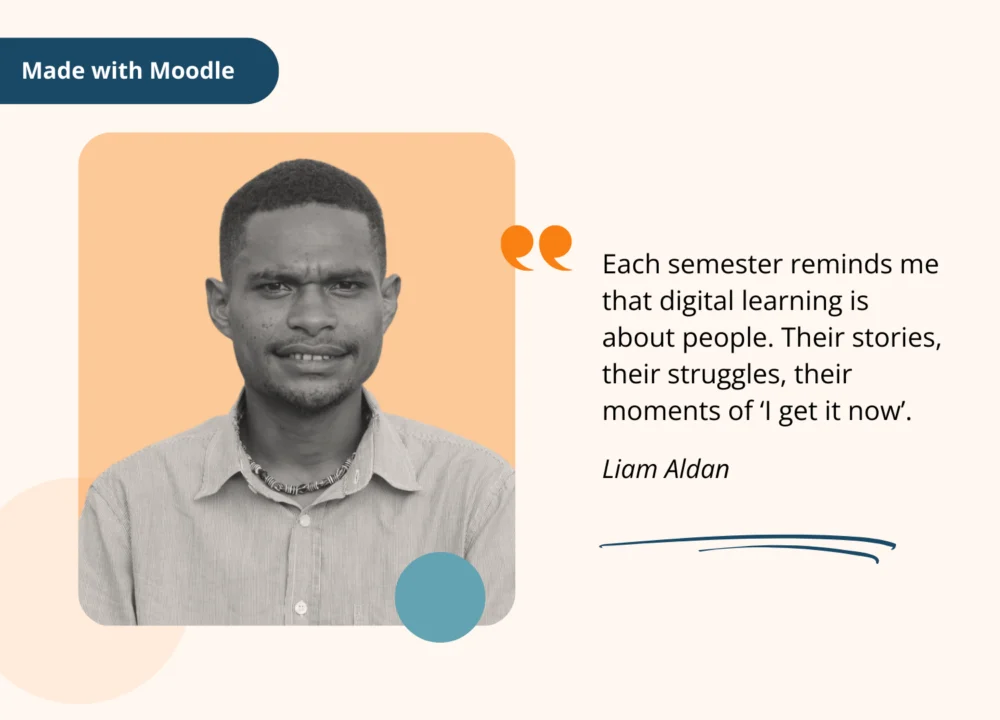
"And each semester reminds me that digital learning is about people. Their stories, their struggles, their moments of ‘I get it now,’" he affirmed. This profound statement underscores the pedagogical philosophy that guides his design. Digital learning, in his view, is not merely about the technology but about facilitating genuine human connection and fostering moments of intellectual breakthrough.
A particularly poignant moment for Aldan, one that he frequently reflects upon, occurred when a first-year student approached him to express their newfound clarity. "There was a moment – one I still think about – when a first-year student told me, ‘I actually understand where everything is now,’" he recounted. The simplicity of these words belied their immense significance. For Aldan, this feedback was a powerful validation of his belief that "thoughtful design really does change the learning experience – in ways people don’t always see."
Implications for Higher Education in the Digital Age
Aldan’s success at Divine Word University offers a compelling case study for higher education institutions navigating the complexities of digital transformation. The university’s experience highlights several key takeaways:
- The Centrality of User Experience: Effective digital learning platforms are not just functional; they are designed with the end-user—both student and educator—at the forefront. Intuitive navigation, clear structure, and accessible design are paramount.
- The Power of Faculty Development: Investing in training and ongoing support for educators is crucial for successful online course development. Empowering faculty with the skills and confidence to utilize digital tools can significantly enhance the quality of online instruction.
- The Value of a Strategic Approach: Moving beyond a reactive approach to digital learning requires a strategic vision that prioritizes thoughtful design, consistent frameworks, and a commitment to continuous improvement.
- The Human Dimension: Ultimately, technology serves as a tool to facilitate human connection and learning. Focusing on the stories, struggles, and successes of individuals ensures that digital learning remains a deeply human endeavor.
The global higher education landscape is increasingly reliant on digital platforms. As institutions continue to invest in learning management systems like Moodle, the principles exemplified by Liam Aldan’s work at Divine Word University offer a roadmap for creating online learning environments that are not only technologically sound but also pedagogically rich, student-centered, and ultimately, transformative. The ongoing evolution of digital learning demands a focus on creating experiences that resonate with learners, foster deep understanding, and empower educators to deliver their best. Aldan’s contribution to DWU serves as a powerful testament to what can be achieved when innovation is coupled with a genuine commitment to the human element in education.