


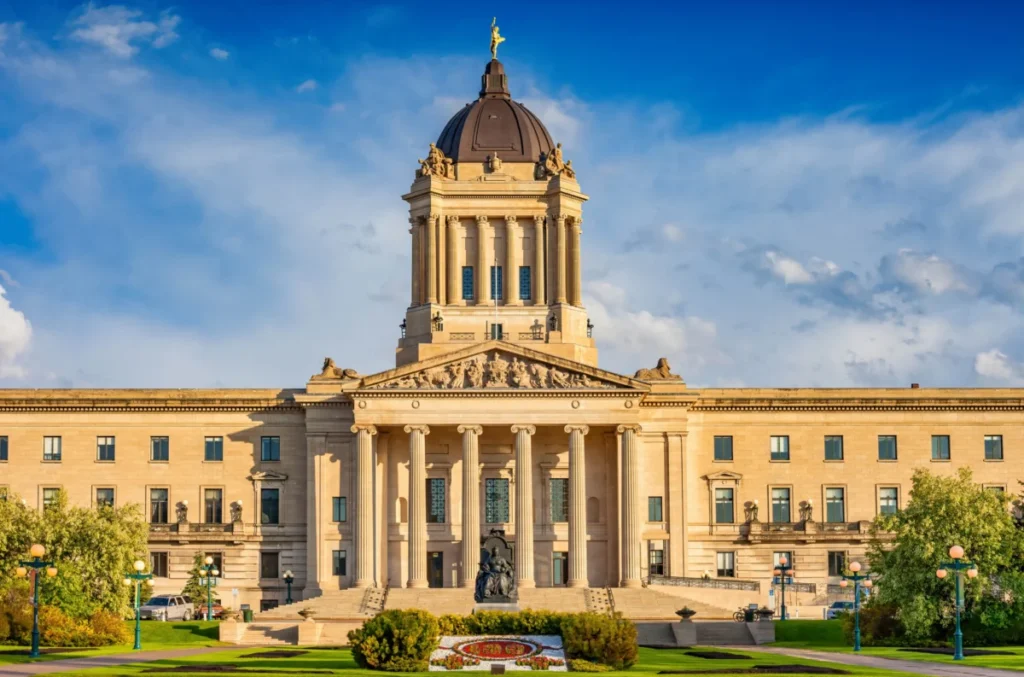
Winnipeg, MB – The Manitoba government has unveiled what it describes as an “historic investment” in its post-secondary sector, allocating $882.6 million in operating funding for universities, colleges, and adult learning programs across the province. This significant financial commitment, detailed in the recently released Budget 2026, represents a 3.2 per cent, or $66 million, increase in overall spending for the Department of Advanced Education and Training compared to the 2025-26 fiscal year. The budget document attributes this substantial rise to escalating operating costs, strategic program expansions, increased demand for student financial aid, and new initiatives aimed at bolstering adult learning opportunities.
Beyond the headline funding figures, Budget 2026 also signals the establishment of a dedicated commission tasked with undertaking a comprehensive study of the post-secondary sector’s long-term sustainability. A critical mandate for this commission will be to examine the multifaceted impact of federal funding reductions on international student programs, a trend that has reverberated through Canadian higher education institutions.
The University of Manitoba (UM), the province’s largest post-secondary institution, is set to receive a two per cent increase to its operating grant, a figure consistent with the previous year’s allocation. Concurrently, the university has been permitted to implement a four per cent tuition increase for the upcoming 2026-27 academic year, as confirmed in a recent university press release. This dual approach of increased provincial funding alongside tuition adjustments reflects a common strategy employed by educational institutions to balance operational needs with student affordability concerns.
University Leadership Welcomes Investment, Cites Crucial Role
Michael Benarroch, President and Vice-Chancellor of the University of Manitoba, expressed a positive outlook on the provincial investment, emphasizing the institution’s pivotal role in advancing key societal priorities. "When we think about priorities such as good jobs and better healthcare, we know the University of Manitoba is key to making them a reality," stated Dr. Benarroch. His remarks underscore the widely recognized connection between a robust university system and the development of a skilled workforce, innovative research, and improved public services. The University of Manitoba’s operational budget for the 2024-25 academic year was approximately $750 million, making the allocated increase a significant, albeit measured, boost.
Faculty Association Raises Concerns Over Inflationary Pressures and Conceptualization of Universities
However, not all stakeholders have met the budget announcement with unreserved optimism. Patrick Noel, President of the Manitoba Organization of Faculty Associations (MOFA) and a professor at the University of Saint-Boniface, voiced concerns that the proposed funding levels may not be sufficient to counteract the persistent pressures of inflation. He suggested that universities across Manitoba could anticipate similar funding adjustments to those announced for UM.
"It is not a freeze, it is not a cut, but what worries me more is the way [the province] is conceptualizing universities’ role in the province," Dr. Noel commented, articulating a perspective shared by many in the academic community. "We cannot conceptualize universities as strictly responding to labour market needs. We need comprehensive universities, and that means they need to be funded well." This sentiment highlights a fundamental debate within higher education policy: whether universities should primarily function as training grounds for immediate workforce demands or as broader centres of critical inquiry, research, and public good, encompassing arts, humanities, and foundational sciences. The concern is that an overemphasis on market-driven programs could lead to an erosion of academic breadth and depth, potentially diminishing the societal contributions that extend beyond direct economic impact.
Analysis: Navigating the Post-Pandemic Economic Landscape
The Manitoba government’s budget announcement arrives at a critical juncture for post-secondary institutions nationwide. Following several years of unprecedented disruption due to the COVID-19 pandemic, universities and colleges are grappling with a complex economic landscape. Rising operational costs, including energy prices, inflation in goods and services, and the increasing demand for student support services, place significant strain on institutional finances. The federal government’s recent shifts in international student policies, particularly regarding work permits and visa regulations, have also created uncertainty, as international student tuition fees often represent a substantial revenue stream for Canadian universities.
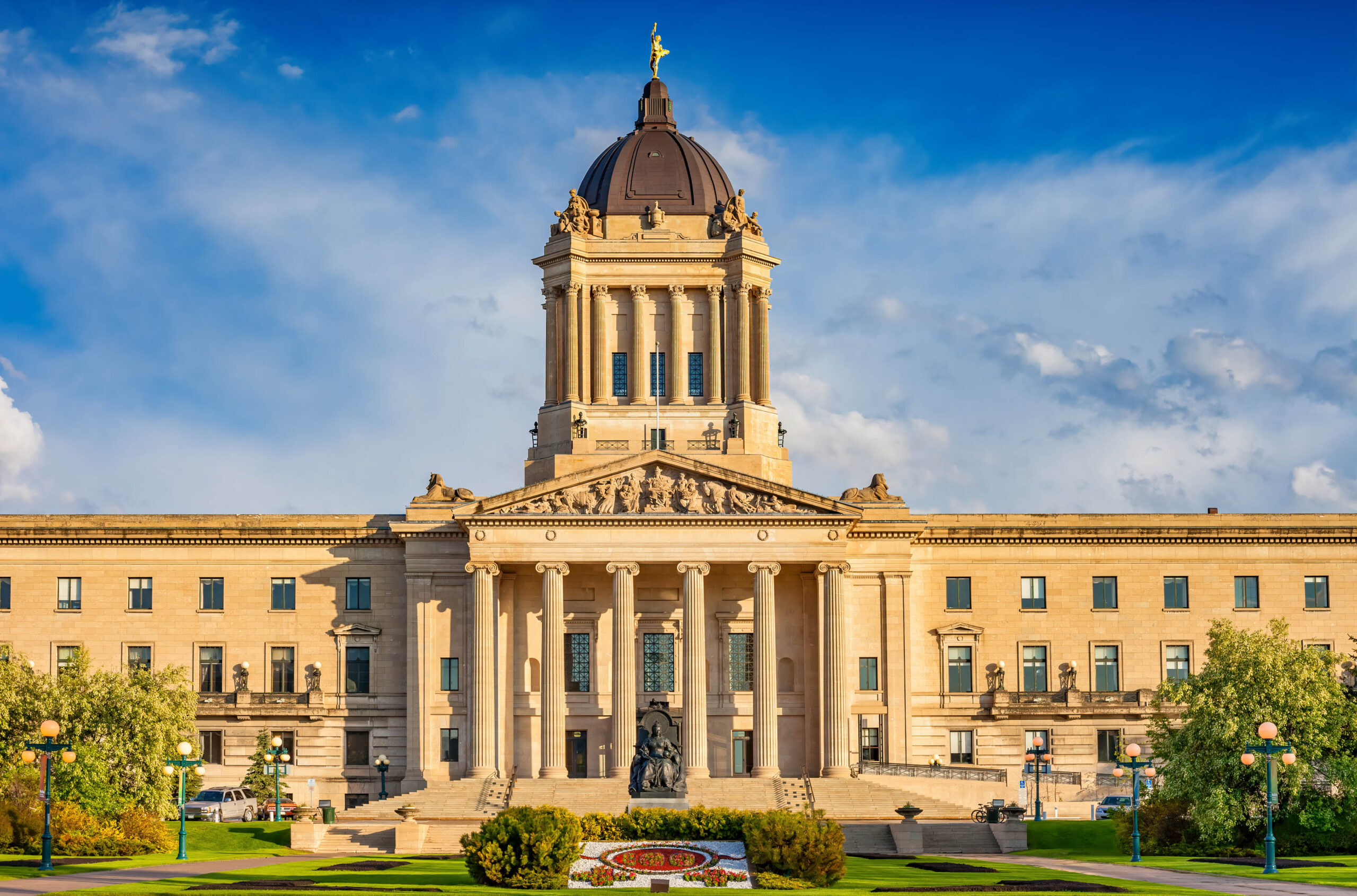
The establishment of a commission to study sector sustainability is a pragmatic step, acknowledging the systemic challenges. However, the effectiveness of this commission will hinge on its mandate, the breadth of its consultation process, and the government’s willingness to act upon its findings. The proposed funding increase of 3.2 per cent, while framed as historic, needs to be assessed against the backdrop of accumulated inflationary pressures over the past several years. For instance, if inflation has averaged 4-5 per cent annually, a 3.2 per cent increase may represent a real-terms decrease in purchasing power for institutions.
Increased Investment in Student Loans and Financial Aid
In parallel with institutional funding, the provincial budget demonstrates a commitment to student financial support. The province has earmarked an additional $12 million for student loans in the 2026-27 fiscal year, aiming to ease the financial burden on students pursuing higher education. The Manitoba Scholarship and Bursary Initiative will maintain its current funding level of $10.5 million, to be disbursed through established partner organizations, including universities and student associations. Furthermore, the Business Council of Manitoba Indigenous Education Awards will receive $800,000 from the province, providing crucial financial assistance to Indigenous post-secondary students.
Despite these efforts, Dr. Noel raised concerns that the permitted four per cent tuition increase for the University of Manitoba, and likely for other institutions, could undermine the province’s stated commitment to improving educational accessibility and affordability. "The tuition increases contradict the province’s efforts to improve accessibility to education, putting further affordability pressures on students," he argued. This highlights a perennial tension between the need for institutional revenue and the goal of ensuring post-secondary education remains attainable for all Manitobans, regardless of socioeconomic background.
Gaps Identified: French-Language Programming and Detailed Research Investment
Dr. Noel also pointed to what he perceives as a notable lack of detail and investment concerning French-language programming within the budget. This is particularly significant given the provincial government’s stated ambition to foster a truly bilingual Manitoba. "The budget is also scant on details, says Dr. Noel, and has little information or investment in French-language programming, despite provincial rhetoric to make Manitoba a truly bilingual province." This observation raises questions about the practical implementation of bilingualism initiatives and whether sufficient resources are being allocated to support and expand French-language post-secondary education.
While the budget document broadly mentions investments in workforce and skills development, as well as research and infrastructure, specific details and allocations for these critical areas were not elaborated upon in the provided text. Such information is vital for a comprehensive understanding of how the provincial government intends to foster innovation, support cutting-edge research, and ensure that educational institutions are equipped with modern facilities to meet the demands of the 21st century. Historically, investments in research infrastructure have been crucial for attracting top-tier faculty and students, driving economic development, and addressing complex societal challenges. The absence of granular details in these sections may leave stakeholders eager for more concrete plans and financial commitments.
Looking Ahead: A Call for Comprehensive Vision and Sustained Funding
The Manitoba government’s "historic investment" in post-secondary education signifies a crucial step in supporting the province’s educational institutions and its students. The allocated $882.6 million in operating funding, coupled with increased support for student loans, reflects a commitment to the sector. However, the nuanced perspectives from faculty associations and the identified gaps in areas like French-language programming underscore the ongoing complexities and debates surrounding higher education policy.
As the newly established commission embarks on its mandate to study sector sustainability and the impact of federal policy changes, its findings will be critical in shaping the future of post-secondary education in Manitoba. The true measure of this budget’s success will ultimately lie in its ability to not only address immediate financial needs but also to foster a long-term vision that prioritizes comprehensive academic development, equitable access, and the continued vitality of Manitoba’s universities and colleges as cornerstones of societal progress and economic prosperity. The coming years will reveal whether this significant investment translates into tangible advancements and a more resilient and equitable post-secondary landscape for all Manitobans.