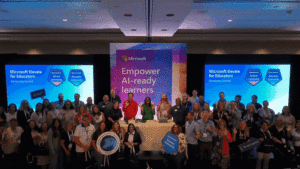



Microsoft has announced the launch of the Hour of AI initiative, a global educational program timed to coincide with Computer Science (CS) Education Week 2025. In collaboration with CSforALL and a coalition of prominent organizations including Code.org, the initiative aims to reach 25 million learners worldwide, providing them with the foundational skills necessary to navigate and shape a world increasingly defined by artificial intelligence. This new framework represents a significant evolution from the traditional "Hour of Code," shifting the focus toward AI literacy, prompt engineering, and the ethical application of machine learning technologies.
The program is designed to address a critical shift in the global labor market. For decades, the primary objective of computer science education was to prepare students for stable, predictable career paths in software development and information technology. However, the rapid integration of generative AI into professional environments has necessitated a curriculum that emphasizes adaptability and human-AI collaboration. By offering a suite of interactive lessons and resources, Microsoft intends to lower the barrier to entry for AI education, making it accessible to students, educators, and parents regardless of their prior technical expertise.
The Evolution of Digital Literacy: From Coding to AI Fluency
The Hour of AI serves as a central pillar of Microsoft’s broader commitment to democratizing technology. The initiative recognizes that while coding remains a fundamental skill, the ability to interact with and oversee AI systems is becoming equally vital. According to internal Microsoft research and external labor market data, the "new world of work" requires a workforce that is not only proficient in STEM but also capable of critical thinking regarding algorithmic outputs.

To meet this challenge, Microsoft has developed three primary activities tailored to different age groups and skill levels. These activities are hosted on familiar platforms, ensuring that the transition into AI concepts feels intuitive for students already accustomed to gaming and basic programming environments.
Minecraft Education: The First Night
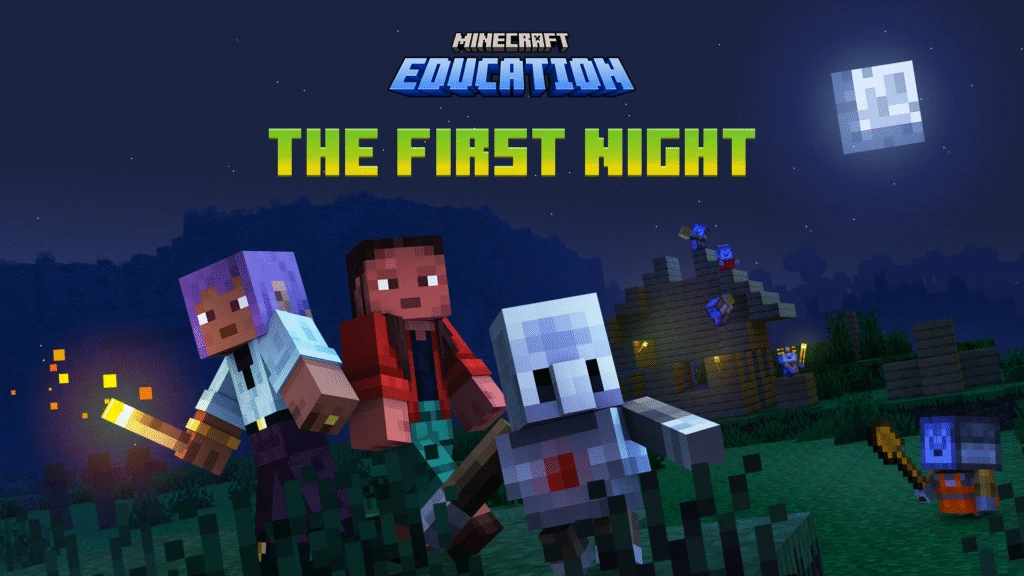
The flagship activity for younger learners is "Minecraft Hour of AI: The First Night." In this module, students are tasked with the classic Minecraft challenge of surviving their first night in a procedurally generated world. However, instead of performing every task manually, students must collaborate with an AI agent. By using guided prompts and logic-based commands, learners discover how algorithms can be used to automate resource gathering and shelter construction.
This activity is available in 29 languages and includes comprehensive facilitator training modules. The pedagogical goal is to help students understand the relationship between human intent and machine execution. By observing how the AI agent responds to specific instructions, students learn the basics of algorithmic problem-solving and the importance of precision in digital communication.
MakeCode: Bug Arena
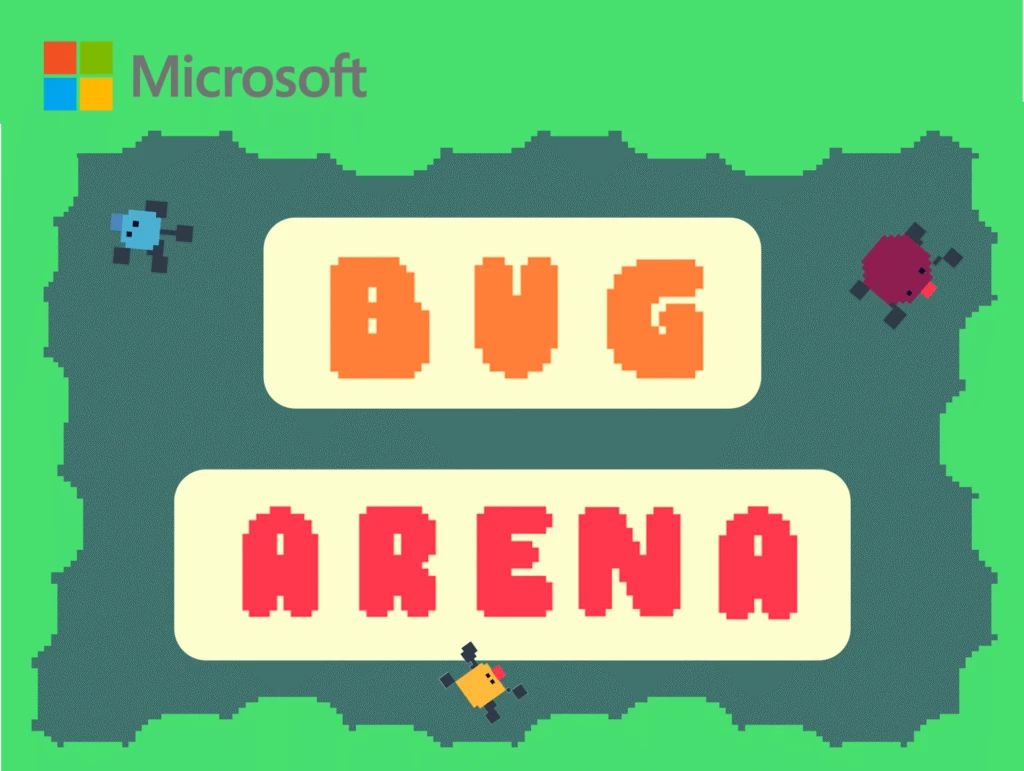
For students in grades 3 through 8, Microsoft has introduced "Bug Arena" through the MakeCode platform. This game-based tutorial focuses on the design and implementation of autonomous behaviors. Students write code to define the strategies of digital "bugs," which then compete in an arena against other AI-powered entities.
Bug Arena introduces the concept of "if-then" logic in the context of real-time decision-making. As students iterate on their code to improve their bug’s performance, they gain a practical understanding of how machine learning models are trained and refined through testing and feedback loops. The web-based nature of MakeCode ensures that this resource can be deployed in classrooms with limited hardware capabilities, supporting the initiative’s goal of inclusivity.
Visual Studio Code for Education: Slither Slam
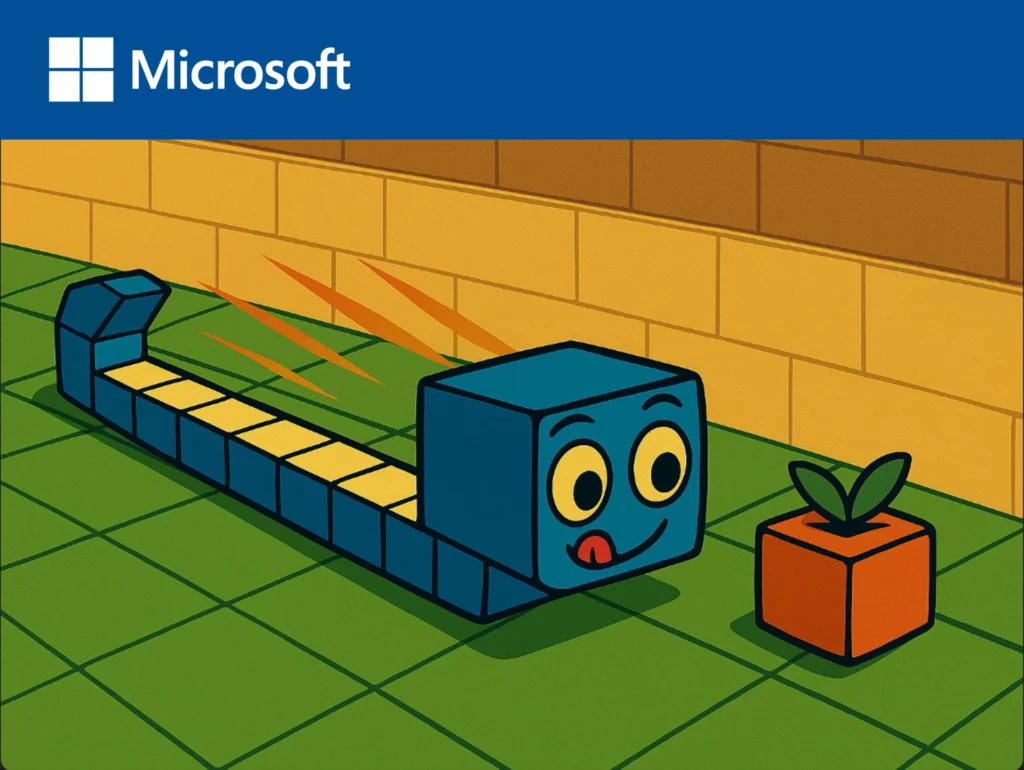
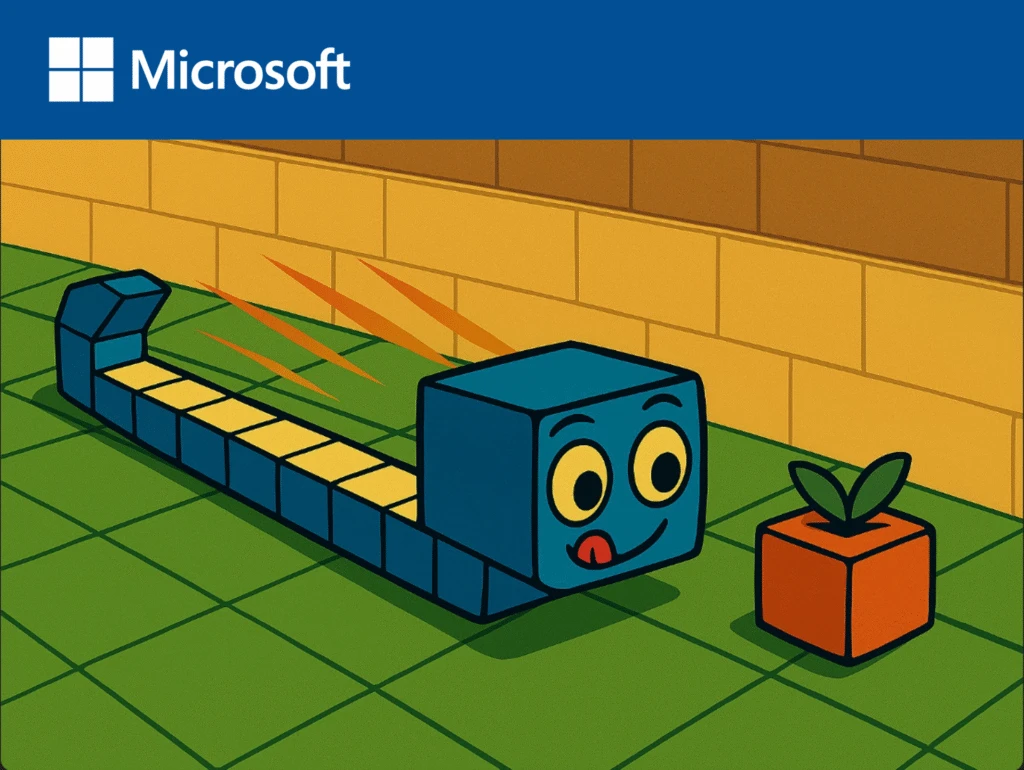
Targeting high school learners in grades 9 through 12, "Slither Slam" utilizes Visual Studio (VS) Code for Education to introduce advanced concepts such as natural language processing and AI-assisted development. In this activity, students use natural language prompts to generate Python code for a "Snake" style game.
This module reflects the current state of professional software engineering, where AI tools like GitHub Copilot are used to accelerate development cycles. By teaching students how to effectively prompt an AI to write and debug code, Slither Slam prepares them for a future where "prompt engineering" is a core competency. The lesson also encourages students to critique AI-generated code, fostering a healthy skepticism and a focus on code quality and security.
Chronology of Computer Science Education Initiatives
The Hour of AI is the latest milestone in a timeline of global efforts to standardize and expand computer science education. To understand the significance of this 2025 launch, it is necessary to look at the progression of the movement:
- 2009: The first Computer Science Education Week is established in the United States, scheduled to coincide with the birthday of computing pioneer Admiral Grace Hopper (December 9).
- 2013: Code.org launches the "Hour of Code" campaign, which quickly becomes a global phenomenon, reaching tens of millions of students and gaining support from major tech corporations.
- 2018-2022: Educational standards begin to incorporate "Computational Thinking" as a core requirement in many K-12 districts globally.
- 2023: The emergence of Large Language Models (LLMs) triggers a massive re-evaluation of educational priorities. Microsoft and its partners begin developing frameworks for "AI Literacy."
- 2024: Microsoft Elevate is expanded to provide year-round teacher training, setting the stage for a specialized AI-centric event.
- 2025: The "Hour of AI" officially launches, marking a definitive shift from traditional syntax-heavy coding education to a focus on AI logic and human-machine interaction.
Supporting Data and the Economic Imperative
The push for AI education is supported by a growing body of economic data suggesting that the skills gap is widening. The World Economic Forum’s "Future of Jobs Report 2023" estimated that over 75% of companies are looking to adopt AI technologies over the next five years. Furthermore, the report suggested that 44% of workers’ core skills will need to change by 2028 to keep pace with technological advancement.
In the United States, the Bureau of Labor Statistics projects that employment in computer and information technology occupations will grow much faster than the average for all occupations through 2032. However, the nature of these roles is shifting. Entry-level positions that once required manual coding are now evolving into roles that require the supervision of AI systems.
Microsoft’s internal data highlights the urgency of this transition. The company’s 2024 Work Trend Index revealed that 71% of leaders say they would rather hire a less experienced candidate with AI skills than a more experienced candidate without them. By targeting 25 million learners, the Hour of AI initiative seeks to address this demand at the foundational level, ensuring that the next generation of the workforce is "AI-ready."
Perspectives from Educators and Industry Leaders
While the initiative is led by Microsoft, it relies on a coalition of educational non-profits and school districts. Leaders from CSforALL have emphasized that the goal is not just technical proficiency, but equity. "AI has the potential to either close or widen the opportunity gap," noted a representative from the coalition in a recent briefing. "Initiatives like the Hour of AI are essential to ensure that students in underserved communities have the same access to these transformative tools as their peers in tech hubs."
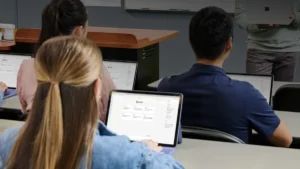
Educators have also expressed a mix of urgency and optimism. Many teachers report that students are already using AI tools in their daily lives, often without a clear understanding of how they work or the ethical implications of their use. The Hour of AI provides a structured, safe environment for teachers to address these topics. By providing pre-built lesson plans and facilitator training, Microsoft is addressing the "readiness gap" among teachers, many of whom feel under-equipped to teach AI concepts.
Broader Impact and Global Implications
The implications of the Hour of AI extend beyond the classroom. As AI becomes integrated into civic life—affecting everything from healthcare to judicial systems—a basic understanding of how these systems function is a prerequisite for informed citizenship. Microsoft’s initiative contributes to a global movement toward "AI Governance from the ground up," where the public is empowered to participate in conversations about the technology’s role in society.
Furthermore, the initiative’s focus on 29 languages and web-based, low-bandwidth tools is a strategic effort to prevent the "AI Divide." In many parts of the world, access to high-end computing hardware is limited. By ensuring that AI concepts can be taught through game-based environments like Minecraft and MakeCode, Microsoft is attempting to create a more level playing field for global innovation.
As Computer Science Education Week 2025 approaches, the Hour of AI stands as a testament to the changing nature of technology. It signals an end to the era where computer science was viewed as a niche subject for future engineers, and the beginning of an era where AI literacy is considered a fundamental right for every learner. Through this one-hour commitment, Microsoft and its partners are not just teaching students how to use a tool; they are inviting them to participate in the ongoing reinvention of the future.