


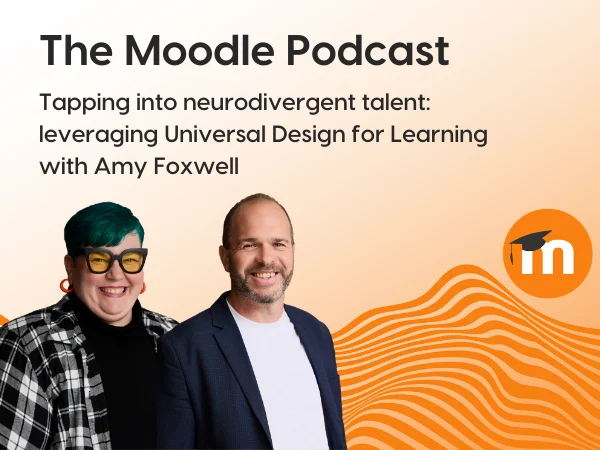
In an era where educational and professional development landscapes are rapidly evolving, Moodle, a leading open-source learning platform, is championing a paradigm shift towards truly inclusive learning experiences. This commitment was underscored in a recent episode of the Moodle Podcast, where Moodle representatives, Shalimar and Dan, engaged in a profound discussion with Amy Foxwell from ReadSpeaker, a Moodle Certified Integration. The conversation centered on the significant benefits of neuro-inclusive design in education and corporate learning, emphasizing a proactive approach that benefits all learners.
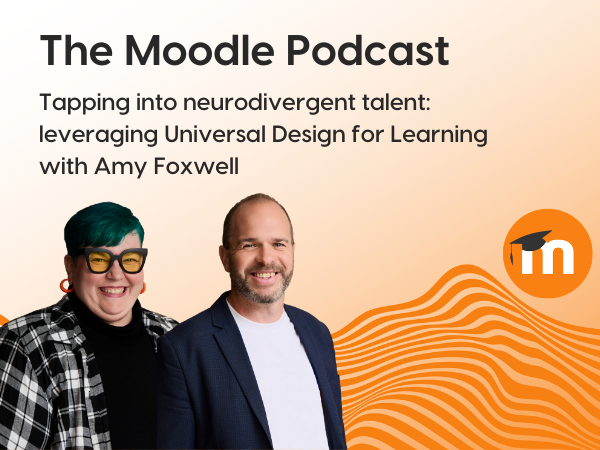
The core philosophy driving Moodle’s mission is the belief that learning should be effective, accessible, and adaptable for everyone, both now and in the future. This perspective rejects the notion of an "average learner," instead embracing the reality that individuals possess unique learning styles, preferences, and cognitive profiles. The podcast episode, titled "Tapping into neurodivergent talent: leveraging Universal Design for Learning with Amy Foxwell," delves into how designing for diversity from the outset can dismantle barriers and unlock potential within learning environments.
The Foundation of Neuro-Inclusive Design: Embracing Variability
Amy Foxwell articulated a central tenet of neuro-inclusive design: the creation of learning environments that are fundamentally proactive rather than reactive. This means constructing flexible, interactive, and adaptable digital spaces that cater to the broadest possible spectrum of learners. Foxwell highlighted the foundational concept of Universal Design for Learning (UDL), stating, "One of the core ideas behind Universal Design for Learning (UDL) is that variability is the norm." This principle posits that instead of viewing neurodivergent learners as a separate category requiring specific accommodations, the goal should be to embed inclusive features into the design of learning experiences from their inception.
This proactive approach moves away from retrofitting solutions for specific needs. Instead, it advocates for a universal design that inherently supports diverse cognitive styles, sensory processing differences, and engagement preferences. This can manifest in various ways, such as providing multiple means of representation for information (e.g., text, audio, visual aids), offering diverse options for learners to demonstrate their knowledge and skills, and ensuring a variety of engagement strategies that foster motivation and interest.
The "Curb-Cut Effect": Amplifying Accessibility for All
A compelling concept explored in the podcast is the "curb-cut effect," a phenomenon where features initially designed for accessibility ultimately benefit a wider audience. Foxwell explained that tools like text-to-speech, which were initially developed to support visually impaired learners, have proven invaluable for individuals with a range of learning differences. These include dyslexia, ADHD, and language processing challenges, as well as for learners who simply prefer to consume content through audio.
The widespread adoption and appreciation of text-to-speech technology exemplifies how an inclusive design choice can transcend its original purpose. Data from the World Health Organization (WHO) indicates that over one billion people worldwide live with some form of disability, a significant portion of which involves sensory or cognitive impairments. While not all individuals with disabilities identify as neurodivergent, the overlap in needs and the benefits of inclusive design are substantial. Furthermore, research suggests that a substantial percentage of the general population benefits from multi-modal learning, underscoring the universal appeal of accessible features. For instance, a study by the Pew Research Center found that a significant portion of adults use audiobooks, demonstrating a preference for auditory learning.
The "curb-cut effect" in digital learning environments translates to enhanced comprehension, improved retention, and greater learner autonomy. When learning materials are presented in multiple formats, and when learners have choices in how they interact with content, the overall learning experience is enriched for everyone. This extends beyond specific disabilities to include individuals learning in noisy environments, those with temporary impairments (like a sore throat affecting reading), or simply those who find auditory input more effective for certain types of information.
Addressing the Emotional Toll of "Masking"
The Moodle Podcast episode also shed light on a critical, yet often overlooked, aspect of the neurodivergent experience in traditional learning settings: "masking." This is the exhausting and emotionally taxing process many neurodivergent individuals undertake to suppress their natural behaviors and characteristics to appear "normal" and fit into societal expectations. In educational and professional contexts, this can lead to significant mental fatigue, anxiety, and a diminished sense of self.
The podcast suggests that intentional course design can significantly alleviate this burden. By creating environments that are inherently accepting and accommodating of diverse expressions of thought and behavior, educators and organizations can reduce the pressure on neurodivergent learners to mask. This can involve fostering a culture of psychological safety, where asking for clarification, expressing unique ideas, or exhibiting different communication styles are not only tolerated but valued.
The implications of reducing masking are far-reaching. It can lead to improved mental well-being for neurodivergent learners, allowing them to direct their energy towards learning and engagement rather than towards the performance of neurotypicality. This, in turn, can foster greater authenticity, reduce burnout, and ultimately lead to more meaningful and productive learning experiences. Research in organizational psychology has shown that inclusive environments, where employees feel safe to be themselves, correlate with higher levels of job satisfaction, team cohesion, and innovation.
Neuro-Inclusion as a Strategic Advantage
The conversation with Amy Foxwell positioned neuro-inclusion not merely as an ethical imperative or a compliance requirement, but as a strategic advantage for both learners and the organizations they are part of. Environments that are adaptable, supportive, and inclusive are increasingly linked with enhanced innovation, creativity, and overall performance. By embracing neurodiversity, institutions can tap into a wider pool of talent and leverage the unique perspectives and problem-solving approaches that neurodivergent individuals often bring.
The article implied that educators and Learning & Development (L&D) professionals stand to gain significantly from understanding and implementing these principles. The discussion promised actionable insights, including "quick wins" for course designers—practical, implementable strategies that can immediately enhance inclusivity. This suggests a focus on tangible takeaways that can be applied without requiring a complete overhaul of existing learning structures.
The Broader Impact: Fostering a More Equitable Future of Learning
The implications of this Moodle Podcast episode extend beyond the immediate benefits for neurodivergent individuals. By championing neuro-inclusive design, Moodle and its partners are contributing to a broader movement towards equitable and effective education for all. As the world of work and learning becomes increasingly complex and interconnected, the ability to cater to diverse cognitive needs will become a critical differentiator for educational institutions and businesses alike.
The "curb-cut effect" serves as a powerful reminder that what is good for some is often good for many. By designing learning experiences with the most diverse needs in mind, we create environments that are more robust, engaging, and ultimately more successful for everyone. This philosophy aligns with Moodle’s long-standing commitment to open-source principles, which emphasize collaboration, accessibility, and community-driven innovation.
The podcast episode is a call to action for educators, L&D professionals, and anyone invested in the future of learning to explore neuro-inclusion as a core component of effective learning design. The potential for increased learner engagement, improved retention rates, and a more positive overall learning experience is significant. Moreover, by fostering environments that celebrate diversity, organizations can cultivate a more innovative and resilient workforce, better equipped to navigate the challenges of the 21st century.
The podcast episode, "Tapping into neurodivergent talent: leveraging Universal Design for Learning with Amy Foxwell," is now available for streaming on the Moodle Podcast platform. Moodle encourages its community and the wider public to follow the Moodle Podcast for ongoing discussions on learning, technology, and the continuous pursuit of a more inclusive educational landscape. The episode promises to be an invaluable resource for those seeking to understand and implement neuro-inclusive design principles, offering both strategic insights and practical guidance.