

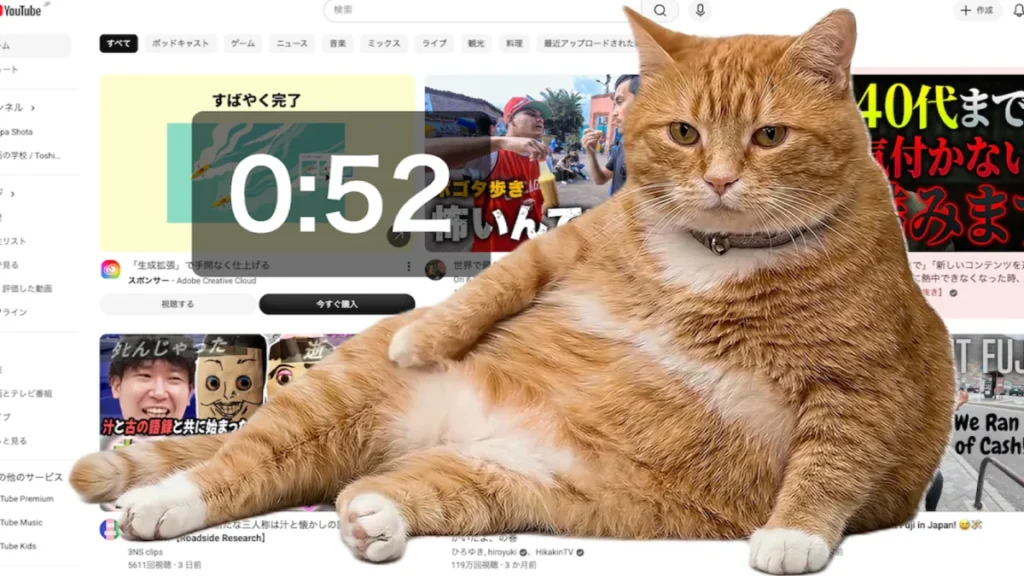
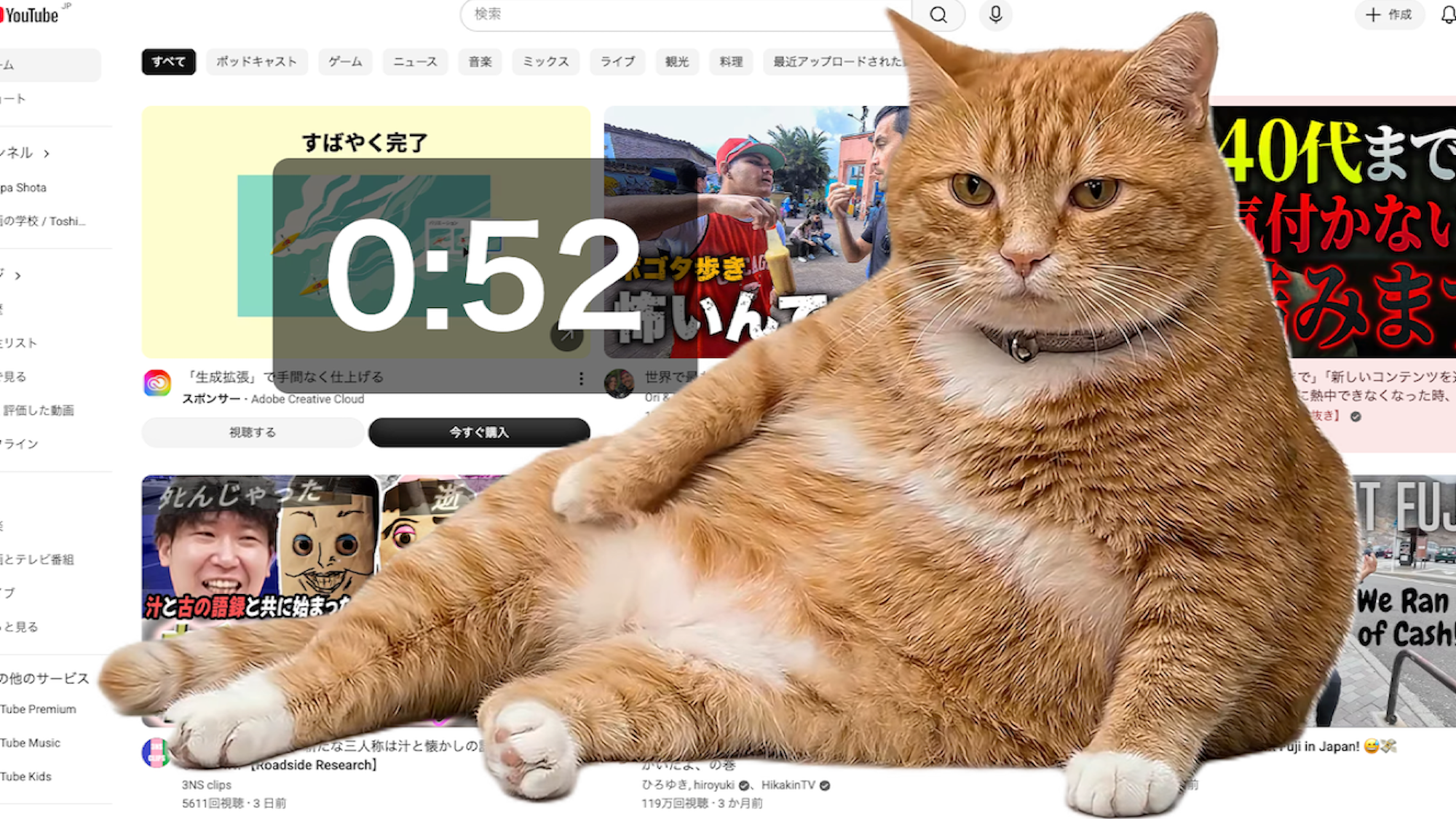
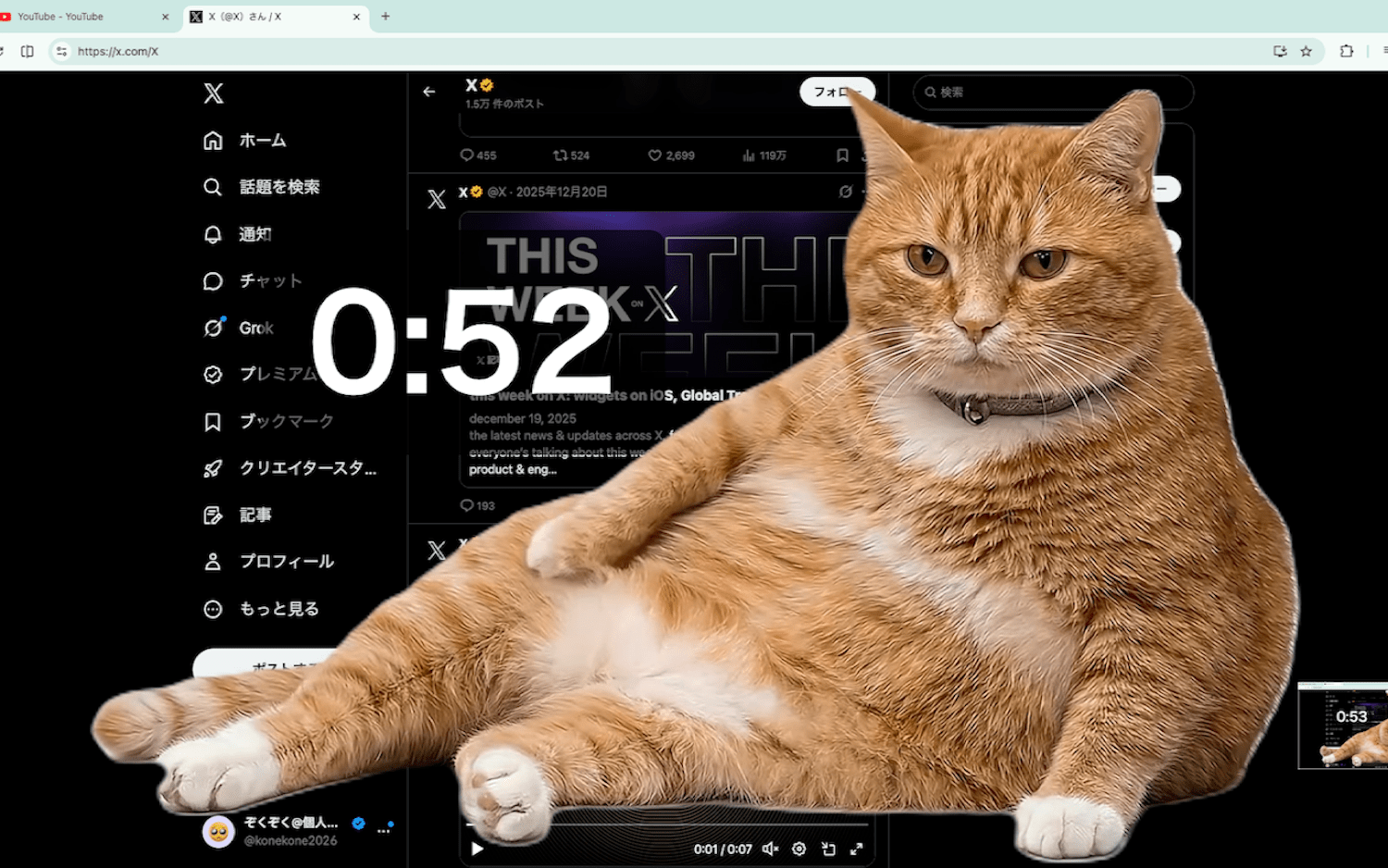
In an era defined by the pervasive influence of the attention economy, a new software solution from Japan is leveraging the internet’s most beloved mascot to address the growing crisis of social media addiction. Cat Gatekeeper, a free browser extension developed by the software creator ZOKUZOKU, introduces a whimsical yet firm psychological barrier to the practice of "doomscrolling." By deploying high-resolution imagery of a large tabby cat to physically obscure social media feeds after a set duration, the extension attempts to break the dopamine loops that keep users tethered to their screens for hours on end.
The release of Cat Gatekeeper comes at a critical juncture for digital wellness. As average daily social media consumption continues to climb globally, researchers and developers are increasingly seeking "soft" interventions that encourage self-regulation rather than the "hard" blocks typically found in enterprise productivity software. The extension operates on a simple premise: after 60 minutes of activity on specified platforms, the user is greeted by a digital feline that "plops" down in front of the browser window, rendering the content inaccessible for a five-minute "cat nap."
The Mechanics of Digital Interruption
Cat Gatekeeper is specifically calibrated to target the most high-engagement platforms in the current digital landscape, including Instagram, TikTok, and YouTube. These platforms are notorious for their infinite scroll features and algorithmic recommendations designed to maximize time-on-site. The extension functions as a background timer that tracks active usage on these specific domains.
While the default settings are configured for a one-hour browsing session followed by a five-minute lockout, the software provides a degree of customization to suit individual user needs. Once the threshold is met, the tabby cat appears, accompanied by a countdown timer. During this five-minute window, the social media feed is effectively "guarded," forcing the user to either step away from the computer or shift their focus to non-social media tasks.
Technically, the extension is designed with a specific loophole: the timer resets if the user switches to a different browser tab. This design choice reflects a philosophy of gentle nudging rather than absolute enforcement. It acknowledges that while users may need help breaking a scrolling trance, they still require agency over their professional or educational browsing habits.
The Global Crisis of Social Media Overconsumption
The necessity for tools like Cat Gatekeeper is underscored by alarming statistics regarding digital habits. According to recent data from Global Web Index and various tech-usage monitors, the average American spends approximately 2.5 hours per day on social media. On a global scale, this number fluctuates, but the trend remains upward, with younger demographics often exceeding five to six hours of daily screen time on mobile and desktop devices combined.
This level of consumption has been linked by psychological researchers to a variety of negative mental health outcomes, including increased anxiety, decreased attention spans, and "technostress." The "infinite scroll" mechanic, pioneered in the late 2000s, has been compared by industry whistleblowers to the psychological mechanics of slot machines, providing variable rewards that keep the brain’s reward system in a state of constant anticipation.
The Japanese development team behind Cat Gatekeeper noted that while humans struggle with the discipline required to navigate these digital environments, cats—famed for their indifference to human technology and their penchant for interrupting work by sitting on keyboards—provide the perfect metaphor for a much-needed intervention.
A Chronology of Digital Wellness Tools
The evolution of digital wellness tools has transitioned through several distinct phases over the last two decades:
- The Productivity Phase (2000s-2010s): Early tools like "StayFocusd" or "Cold Turkey" were designed primarily for office workers and students. They used rigid blacklists to block distracting websites entirely during work hours.
- The Native Integration Phase (2018-Present): Recognizing the public outcry over phone addiction, Apple and Google introduced "Screen Time" and "Digital Wellbeing" features directly into their operating systems. These provided data visualizations of usage but were often easily bypassed by users.
- The "Nudge" Phase (Present): Modern interventions like Cat Gatekeeper focus on psychological cues. Rather than a sterile "Access Denied" screen, these tools use humor, aesthetics, or "friction" to make the user conscious of their behavior.
Cat Gatekeeper represents a refinement of the "Nudge" philosophy, utilizing the "Kawaii" (cuteness) culture of Japan to mitigate the frustration typically associated with software-imposed limitations.
Privacy and Technical Integrity in the Extension Ecosystem
A recurring concern with free browser extensions is the harvesting of user data. Many "productivity" tools track browsing history or sell user metadata to third-party advertisers. However, Cat Gatekeeper has distinguished itself through a commitment to privacy. The developer, ZOKUZOKU, has stated that the extension does not collect or transmit any data externally.
Independent technical reviews, including an analysis of the extension’s source code shared on platforms like Reddit, confirm that the software only requires "local storage" permissions. This permission is necessary for the extension to remember the user’s timer settings and platform preferences. It does not require access to the content of the pages being visited or the user’s personal login credentials, making it a "privacy-first" option in a crowded marketplace of invasive utilities.
The Psychology of Feline Interruption
The choice of a cat as the "gatekeeper" is more than a mere aesthetic preference; it taps into a deep-seated cultural and psychological relationship between humans and their pets. In the physical world, a cat sitting on a laptop is a clear signal that the animal requires attention or that the human has been stationary for too long. By replicating this experience digitally, the extension triggers a different cognitive response than a standard error message.
Behavioral scientists suggest that "soft" interruptions are often more effective for long-term habit modification because they reduce the "reactance" or the urge to rebel against a perceived restriction. When a user is blocked by a "cute" image, the stress response is minimized, making them more likely to accept the break as a positive "cat nap" rather than a punishment. This approach aligns with the "Choice Architecture" theory popularized by Nobel laureate Richard Thaler, which suggests that small environmental changes can significantly influence behavior.
Broader Implications for the Tech Industry
The success and viral popularity of niche tools like Cat Gatekeeper suggest a growing market for "anti-engagement" software. For years, the primary metric for tech success was "stickiness"—how long a user could be kept within an app’s ecosystem. However, as public awareness of digital health grows, there is a burgeoning demand for software that helps users leave the app.
This shift has profound implications for the future of web design. We may see a rise in "Ethical Design" where browser manufacturers integrate more sophisticated interruption tools as standard features. Furthermore, the "Gatekeeper" model highlights a potential shift toward localized, lightweight software that performs one task well without the need for cloud synchronization or subscription fees.
Conclusion: The Future of the "Cat Nap"
While a five-minute interruption by a digital tabby may seem like a minor fix for a complex societal issue, Cat Gatekeeper serves as a functional proof-of-concept for a more human-centric approach to technology. It acknowledges that while humans may be "servants to their cats," they are also frequently servants to their algorithms.
As the digital landscape continues to expand, the role of the "gatekeeper"—whether it be a feline image or a sophisticated AI assistant—will become increasingly vital. For now, users looking to reclaim their time can rely on a hefty tabby to stand between them and the bottomless pit of the social media feed. The extension is currently available for free on the Chrome Web Store, offering a simple, secure, and feline-approved path toward digital moderation.