


The Ireland Canada University Foundation (ICUF) has officially inaugurated the De Chastelain Scholarship Programme, a strategic initiative designed to deepen the intellectual and research-based synergy between Canada and Ireland. By bridging the Atlantic through academic exchange, the program seeks to leverage the profound historical connection between the two nations, which spans over 180 years, to address contemporary global challenges. The scholarship serves as both a commemorative gesture to a figure of international peacebuilding and a forward-looking investment in collaborative research.
Historical Foundations and Diplomatic Context
The relationship between Canada and Ireland is anchored in a deep, shared history, heavily influenced by waves of Irish migration that helped shape the Canadian identity. By the time of the Canadian Confederation in 1867, Irish-descended individuals constituted one of the largest demographic cohorts in the country, fostering a cultural and political legacy that persists today. While unofficial ties date back to the colonial era, the establishment of formal diplomatic relations in 1939 marked a maturation of these links, transitioning from a relationship defined by migration to one of geopolitical and economic partnership.
As the two nations approach the 180th anniversary of these historic ties in 2027, the De Chastelain Scholarship stands as a centerpiece of a broader effort to modernize this bilateral relationship. The program is named in honor of General John de Chastelain, a Canadian military leader who became a global symbol of reconciliation. His instrumental role in the disarmament of paramilitary forces in Northern Ireland during the peace process earned him enduring respect across the island. According to James Kelly, Executive Director of the ICUF, the General’s legacy remains a living part of the Irish social fabric, with citizens frequently acknowledging his contributions during his visits.
Program Structure and Operational Framework
The De Chastelain Scholarship Programme is designed as a multi-year investment in academic mobility. Over the next three years, the program will facilitate more than 50 scholarships, split evenly between researchers from Canada and Ireland. This parity is intended to ensure a reciprocal flow of knowledge and perspective.
Each research visit is structured to last between three and six weeks, providing scholars with the necessary time to integrate into host institutions and build meaningful, long-term relationships. Funding is robust, with up to $16,500 available per project. This financial support is provided through a joint funding agreement between Global Affairs Canada and Ireland’s Department of Further and Higher Education, Research, Innovation and Science, supplemented by contributions from various private sector partners.
"Our core mission is to connect leading thinkers from Canada and Ireland and give them opportunities to work together to forge a better future," says Mr. Kelly. "We believe that all academic disciplines have a role to play in building a more resilient and harmonious future."
The Inaugural Cohort: Bridging Human Rights and Environmental Science
The first cohort of scholars has already begun their research, with projects that exemplify the program’s ambition to tackle complex, cross-disciplinary problems. Among these are Professor Fannie Lafontaine of Université Laval and Professor Philippe Van Cappellen of the University of Waterloo, both of whom are pursuing work that reflects the program’s focus on peace, justice, and sustainability.
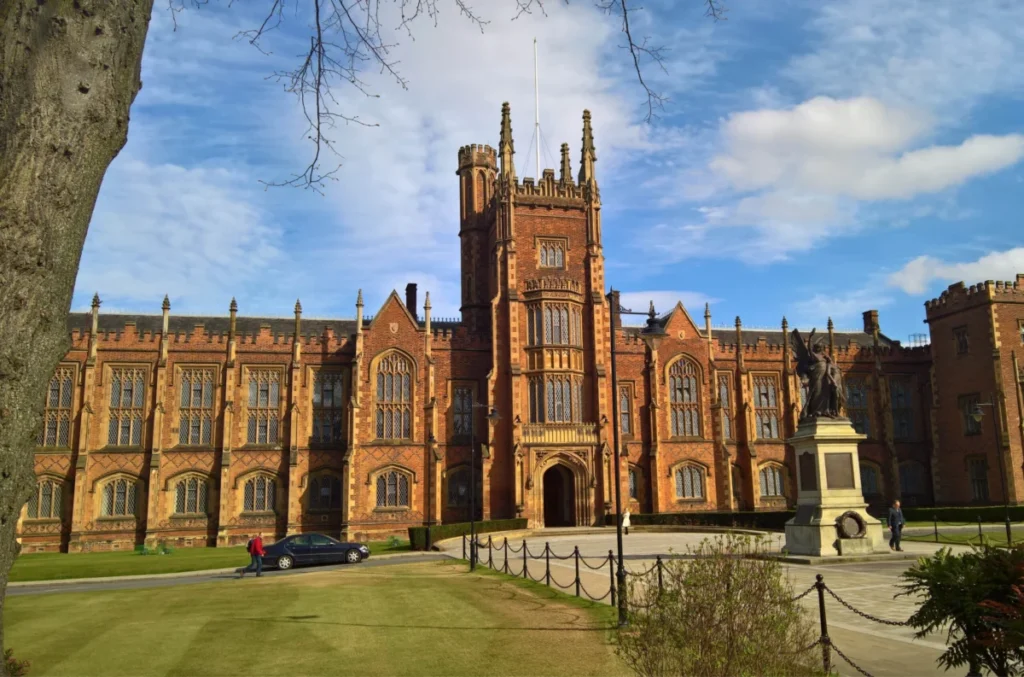
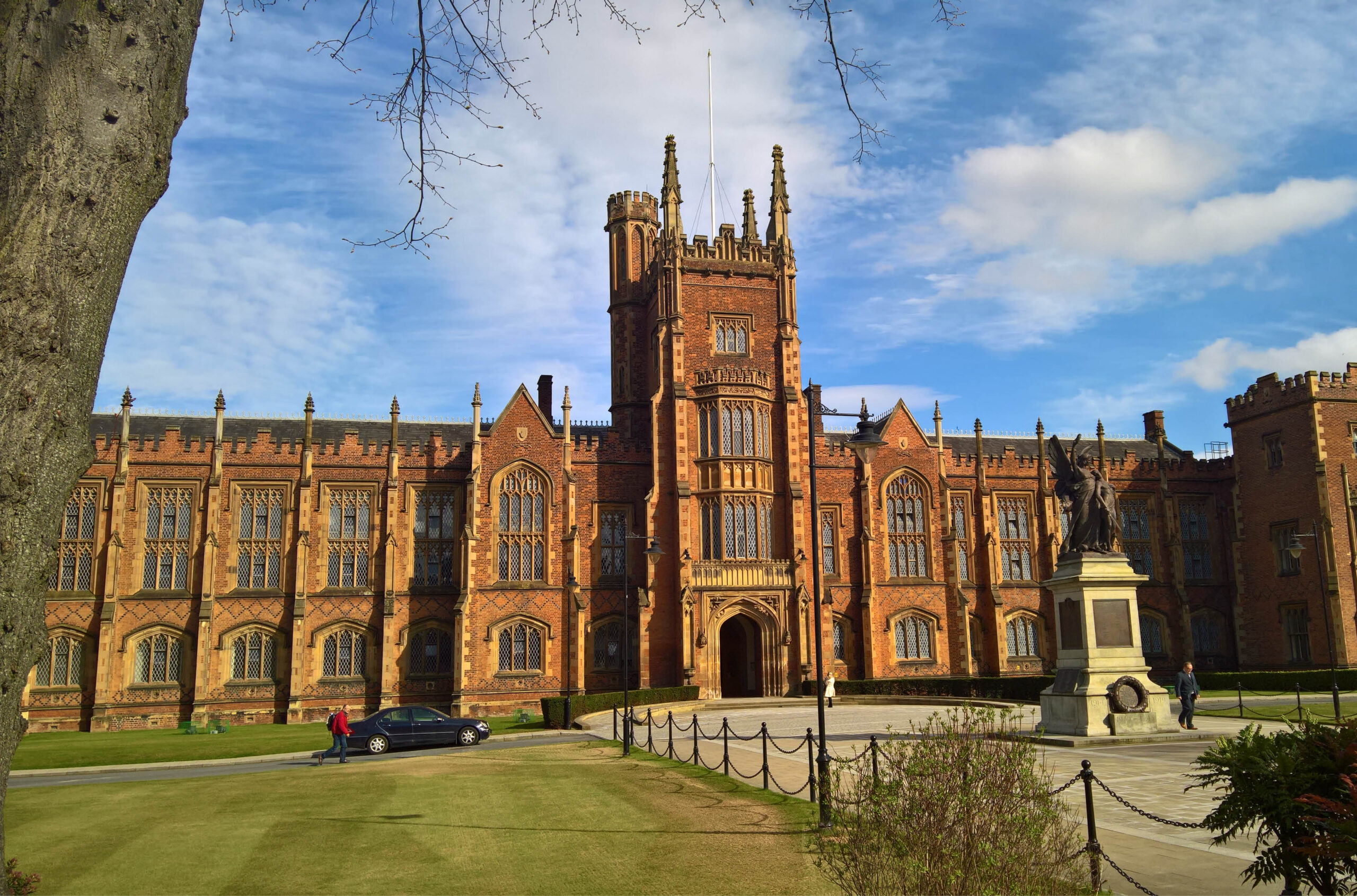
Professor Lafontaine, a specialist in international law, is currently stationed at Queen’s University Belfast. Her research addresses the critical role that universities play in the documentation of human rights violations. By collaborating with experts in digital evidence at the university’s specialized lab, she aims to formalize new methodologies for establishing truth in the aftermath of conflict.
"Justice is often central to reconciliation and peacebuilding efforts," notes Professor Lafontaine. "We tend to think of trials and legal proceedings, but one aspect that may receive less attention in these cases is documentation, or how the truth is established." Her residency at Queen’s University Belfast, which houses a leading transitional justice research team, is designed to serve as a blueprint for long-term institutional collaboration between Canadian and Irish law schools.
Simultaneously, Professor Philippe Van Cappellen is working with colleagues at Trinity College Dublin to pioneer research into "blue carbon"—the carbon sequestered by marine and coastal ecosystems. This project seeks to quantify the role of these environments in climate change mitigation and coastline protection. The research is particularly relevant given that both Canada and Ireland possess extensive, resource-rich coastlines that are increasingly vulnerable to climate-driven degradation.
Professor Van Cappellen argues that the research also has a peacebuilding dimension. Climate change acts as a "threat multiplier," often exacerbating social tensions and competition over natural resources. By developing nature-based solutions to environmental instability, researchers may contribute to the long-term prevention of conflict. "Canada and Ireland are both maritime nations with strong coastal identities, making this a natural partnership," says Van Cappellen. "There’s no substitute for being in the same room together, discussing ideas, writing, and looking at maps, rather than relying on email or platforms like Teams."
Strategic Implications and Future Outlook
The launch of this scholarship program comes at a time when international academic cooperation is increasingly viewed as a pillar of soft diplomacy. By embedding researchers within foreign institutions, the ICUF is facilitating a "knowledge diplomacy" that extends beyond traditional state-to-state interactions.
The focus on General de Chastelain is not merely symbolic; it sets a thematic expectation for the research being funded. The program explicitly seeks to support projects that foster a "more peaceful and sustainable future," effectively aligning academic inquiry with the diplomatic priorities of the Canadian and Irish governments.
Chronology of Key Milestones
- 1867: Confederation of Canada; Irish-descended citizens emerge as a dominant population group.
- 1939: Formal diplomatic relations established between Canada and Ireland.
- Late 20th Century: General John de Chastelain leads disarmament efforts in Northern Ireland.
- 2026: Launch of the De Chastelain Scholarship Programme by the ICUF.
- 2027: Anticipated celebration of 180 years of historic bilateral ties.
Analytical Perspective: Why Academic Mobility Matters
The efficacy of the De Chastelain program will likely be measured by the durability of the partnerships it produces. In the current global landscape, where digital communication often substitutes for physical presence, the program’s insistence on residency-based research is a deliberate choice.
Data from the OECD and various academic councils consistently show that international research collaborations yield higher citation counts, more impactful patents, and more effective policy outcomes than research conducted in isolation. For Canada and Ireland, both of which are medium-sized powers with open economies, the ability to punch above their weight in global research depends on these types of agile, bilateral networks.
Furthermore, the involvement of Global Affairs Canada suggests that the government views the program as a vehicle for projecting Canadian expertise in peacebuilding and environmental stewardship. By providing a platform for scholars like Professors Lafontaine and Van Cappellen, the program highlights Canada’s strengths in human rights law and climate science, while simultaneously learning from Ireland’s unique experience in navigating the post-conflict landscape.
Conclusion
The De Chastelain Scholarship Programme represents a sophisticated evolution in the Canada-Ireland relationship. By moving from a historic, migration-based narrative to a contemporary, research-driven partnership, the initiative ensures that the ties between the two nations remain relevant to the challenges of the 21st century.
As the program progresses through its initial three-year cycle, its success will hinge on the ability of scholars to translate their temporary residencies into permanent institutional linkages. If the initial cohort is any indication, the program is well-positioned to serve as a model for how two nations can leverage their shared history to secure a more stable, sustainable, and collaborative future for their citizens. The ongoing exchange of ideas, methodologies, and cultural insights will likely yield dividends that extend well beyond the academic sector, reinforcing the diplomatic, economic, and social bonds that have defined this transatlantic friendship for nearly two centuries.