


The scientific community has marked the centenary of Sir David Attenborough’s birth with the announcement of a significant taxonomic discovery: a previously unknown genus of parasitic wasp. Named Attenboroughnculus tau, the insect was identified by researchers at the Natural History Museum in London and Ghent University in Belgium. This tribute coincides with the 100th birthday of the world-renowned naturalist on May 8, adding to a legacy that spans over seven decades of environmental advocacy and broadcasting. The discovery highlights not only the enduring influence of Sir David’s work but also the critical importance of museum collections in uncovering the hidden biodiversity of the planet.
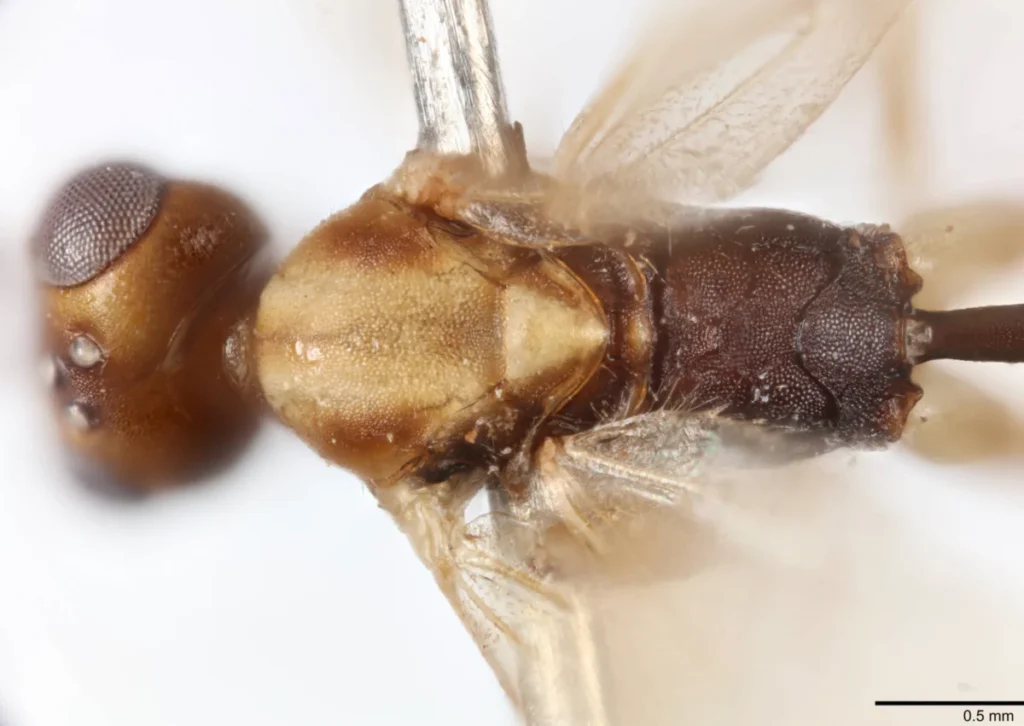
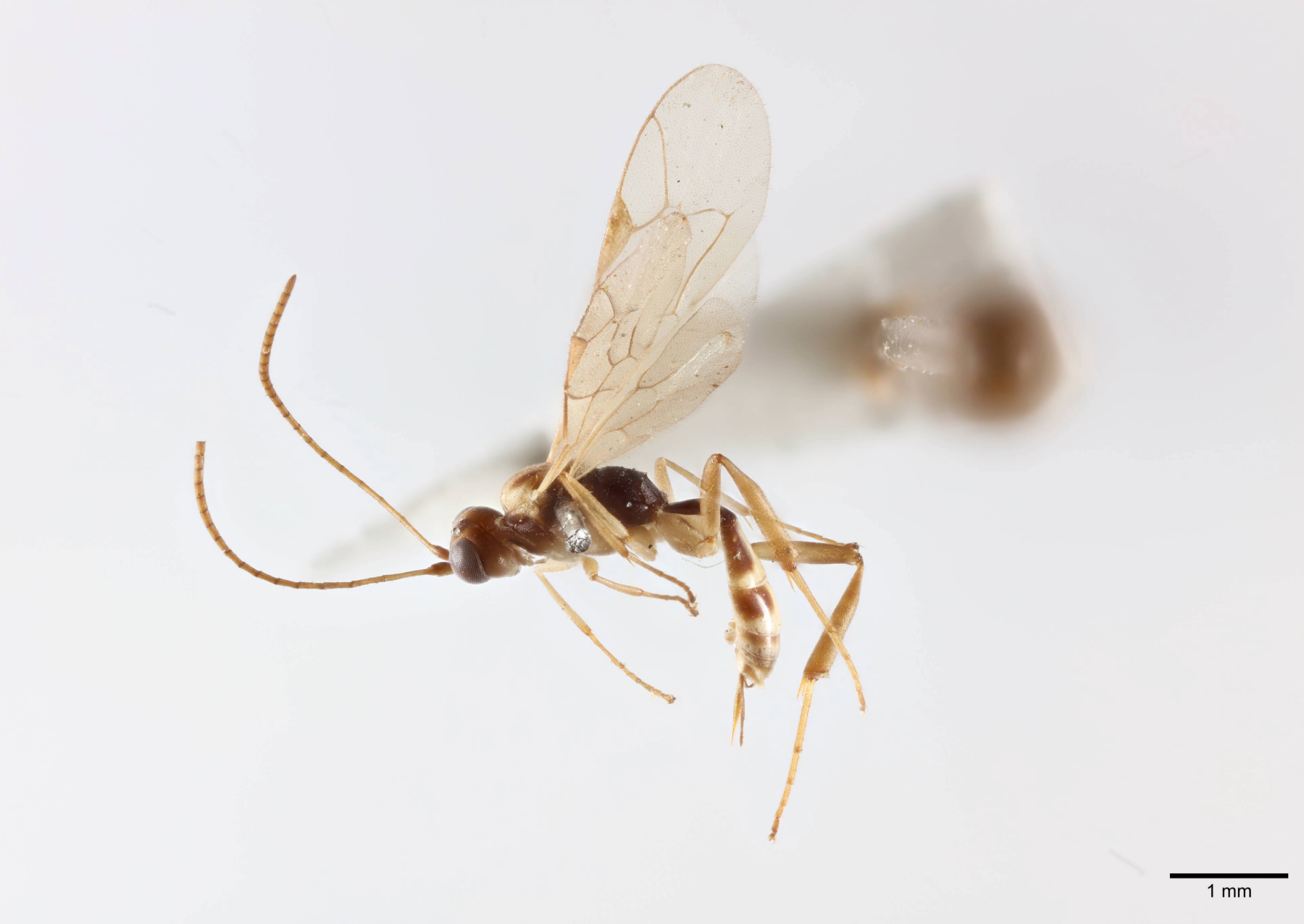
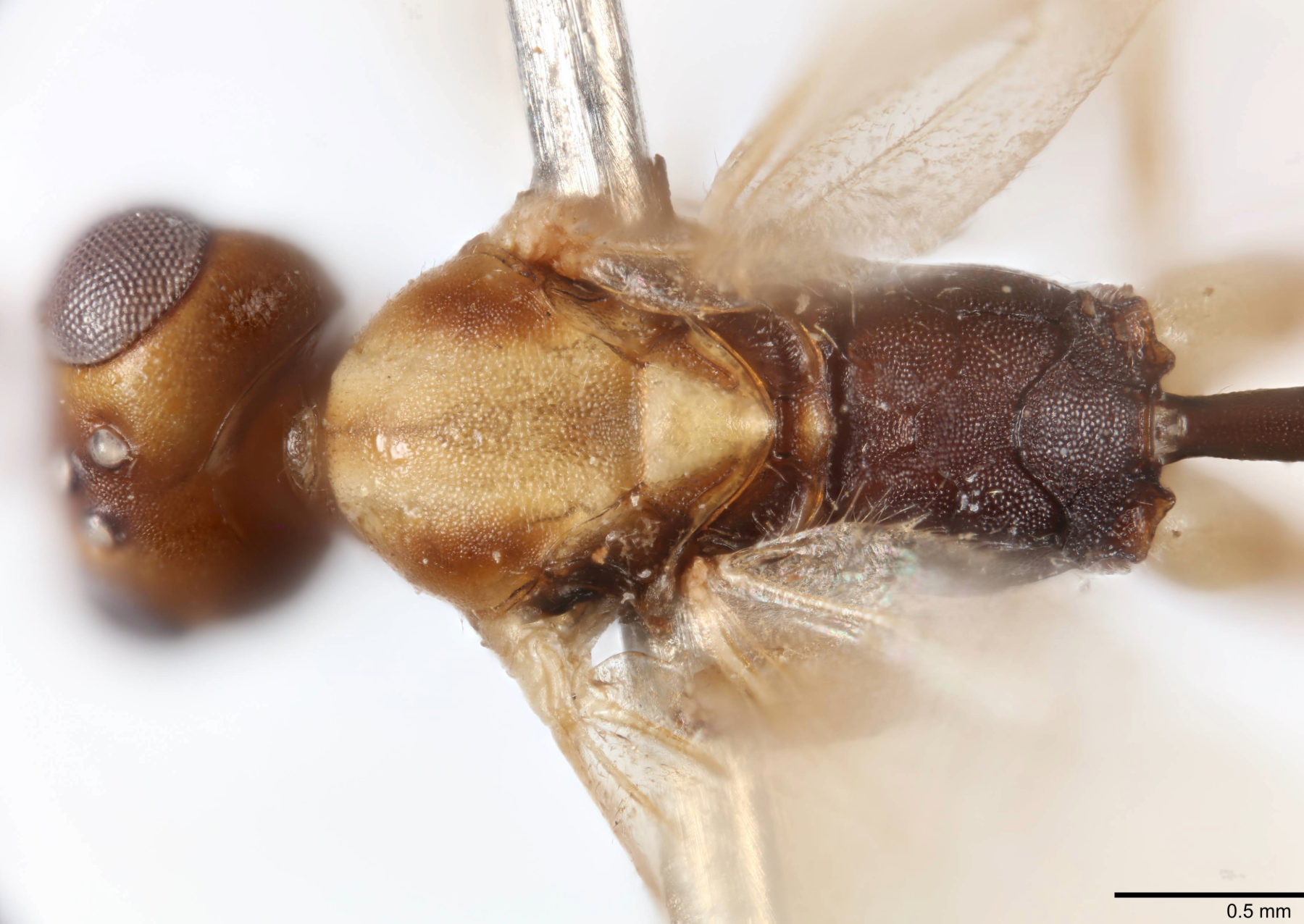
The newly described genus belongs to the family Ichneumonidae, one of the most species-rich families of organisms on Earth. The specimen, measuring approximately 0.14 inches (3.5 millimeters) in length, was originally collected from the Valdivia Province of Chile in 1983. Despite having been part of the Natural History Museum’s archives for over forty years, it remained unclassified until a recent intensive study of the museum’s "unsorted" collections. The specific epithet, tau, refers to a distinct T-shaped marking on the insect’s abdomen, while the genus name, Attenboroughnculus, serves as a permanent scientific monument to the naturalist’s contributions to public understanding of the natural world.
Anatomy of a New Genus: Attenboroughnculus tau
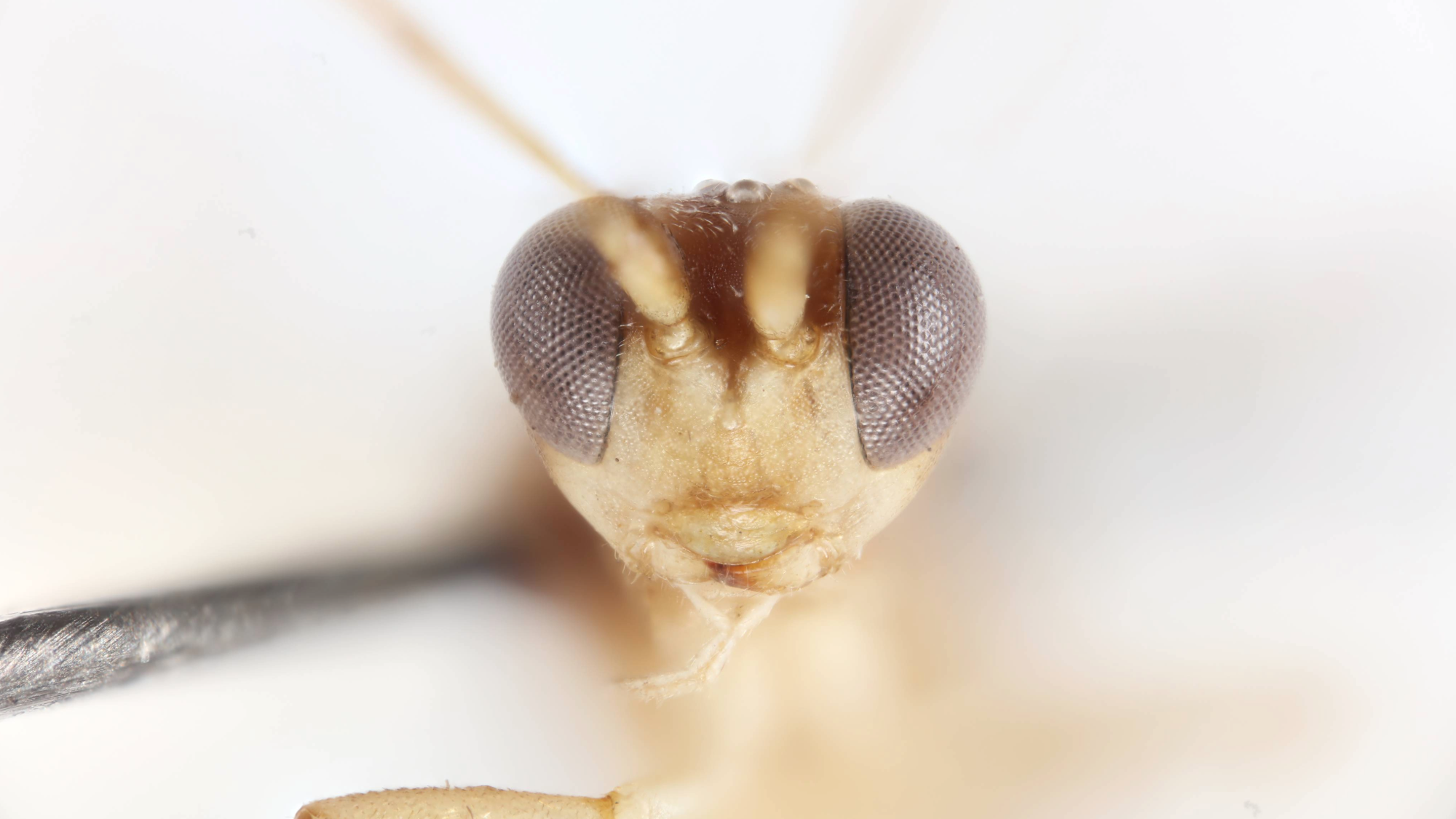
The identification of a new genus is a rarer and more significant event in taxonomy than the discovery of a new species within an existing group. Attenboroughnculus tau was distinguished from its relatives through a combination of unique morphological characteristics that set it apart from other ichneumonid wasps. Researchers utilized high-resolution imaging and comparative anatomy to confirm the specimen’s status.
Key anatomical features include a strongly curved abdominal segment and specialized, toothlike structures on the ovipositor—the organ used by the female wasp to lay eggs. Additionally, the wasp exhibits a distinctive wing venation pattern and unique leg morphology that do not align with any known genera in the subfamilies previously documented in South America. These physical traits suggest a highly specialized lifestyle, likely involving the parasitization of specific host insects found within the temperate rainforests of southern Chile.
Augustijn De Ketelaere, a graduate student at Ghent University and a volunteer at the Natural History Museum, was the first to notice the insect’s unusual traits. Working under the supervision of Gavin Broad, the museum’s principal curator of insects, De Ketelaere identified the specimen while processing a drawer of unidentified ichneumonids. The discovery underscores the value of academic rigor and the role of the next generation of taxonomists in maintaining the integrity of biological records.
The Forty-Year Journey from Collection to Classification
The timeline of Attenboroughnculus tau illustrates a common phenomenon in biological science known as the "taxonomic impediment." While the specimen was collected during a field expedition in 1983, it sat in a state of scientific limbo for 43 years. This delay is rarely due to a lack of interest; rather, it reflects the sheer volume of biological material stored in the world’s major museums and the shortage of specialists trained to identify them.
The Valdivia Province, where the wasp was found, is part of the Valdivian temperate rainforest ecoregion. This area is a known biodiversity hotspot, characterized by high levels of endemism due to its geographic isolation, bordered by the Andes Mountains to the east and the Pacific Ocean to the west. Many species collected in these regions during the 20th century are only now being described as modern technology and renewed funding for taxonomic research allow for more thorough investigations.
The Natural History Museum in London houses over 80 million specimens, including one of the world’s most extensive insect collections. The process of moving a specimen from an "unsorted" drawer to a formal scientific publication involves meticulous comparison with "type specimens" (the original specimens used to describe a species) held in other institutions globally. The formal description of Attenboroughnculus tau was published in the Journal of Natural History, following a peer-review process that verified the validity of the new genus.
The Significance of Parasitoid Wasps in the Natural World
Sir David Attenborough has frequently highlighted the complex and often macabre lives of parasitoid wasps in his documentaries. In the 1990 BBC series The Trials of Life, he famously referred to them as "bodysnatcher wasps." Unlike true parasites, which usually do not kill their hosts, parasitoids eventually kill the organism they inhabit. The female wasp typically injects her eggs into or onto a host—often a caterpillar or beetle larva—where the wasp larvae then consume the host from the inside out.
While their life cycle may seem gruesome, parasitoid wasps are ecological linchpins. They act as natural population controllers for various insect species, many of which would otherwise become agricultural pests. The Ichneumonidae family, to which Attenboroughnculus tau belongs, is estimated to contain up to 100,000 species, though only about 25,000 have been formally described. Each new discovery provides vital data on how ecosystems are structured and how food webs maintain balance.
The toothlike structures on the ovipositor of Attenboroughnculus tau are of particular interest to entomologists. Such structures are often adaptations for penetrating tough substrates, such as tree bark or silk cocoons, to reach a hidden host. This suggests that the wasp plays a specific role in the Valdivian ecosystem, targeting hosts that other parasitoids cannot reach.
The "Attenborough Honor Roll": A Legacy in Taxonomy
With the addition of Attenboroughnculus tau, Sir David Attenborough now has more than 50 species, genera, and extinct organisms named in his honor. This is a testament to his role as a bridge between the scientific community and the general public. Taxonomists often choose to name species after individuals who have made significant contributions to conservation or science as a way of ensuring their names are forever linked to the natural world.
The "Attenborough Honor Roll" includes a diverse array of life forms:
- Nepenthes attenboroughii: A giant carnivorous pitcher plant found in the Philippines, capable of trapping and digesting rats.
- Attenborosaurus conybeari: An extinct genus of long-necked plesiosaur from the Early Jurassic.
- Zaglossus attenboroughi: Also known as Sir David’s long-beaked echidna, a critically endangered monotreme from New Guinea.
- Syracosphaera azureaplaneta: A species of phytoplankton named after the Blue Planet series.
The decision to name a genus after Attenborough for his 100th birthday was intended to be the ultimate tribute. Jennifer Pullar, science communications manager at the Natural History Museum, noted that the choice of a small, easily overlooked wasp was deliberate. It reflects Attenborough’s career-long commitment to bringing attention to the "unseen" parts of nature—the insects, the microscopic organisms, and the hidden behaviors that sustain life on Earth.
Museum Collections as Frontiers of Discovery
The discovery of Attenboroughnculus tau serves as a powerful reminder of the importance of "dark taxa"—species that are present in collections but remain unknown to science. Current estimates suggest that millions of species remain undescribed, and many of these may already be sitting in museum drawers.
As habitats are destroyed by climate change and deforestation, museum specimens often become the only record of a species’ existence. In some cases, researchers describe "new" species from museum shelves only to find that the species has already gone extinct in the wild. By funding and supporting taxonomic work, institutions like the Natural History Museum provide the baseline data necessary for conservation efforts. You cannot protect a species if you do not know it exists.
The research team, led by Gavin Broad, expressed hope that this discovery would inspire global scientists to re-examine their own archives. "We hope to inspire global scientists to take another look in their collections to see if there is something small that could contribute to our collective understanding," Pullar stated. The use of Sir David’s name provides the visibility needed to highlight these often-underfunded areas of research.
Broader Implications for Conservation and Science
The Valdivian forests of Chile, where the wasp originated, face ongoing threats from logging and land conversion for agriculture. The discovery of a new genus in this region underscores the biological richness that is at stake. Each species within an ecosystem represents a unique evolutionary solution to environmental challenges. Understanding the diversity of Chilean wasps contributes to a broader understanding of how these forests have evolved and how they might respond to future environmental shifts.
Furthermore, the naming of Attenboroughnculus tau highlights the collaborative nature of modern science. The project involved researchers from different countries and different career stages, from veteran curators to graduate students. This collaboration is essential for tackling the vast complexity of the natural world.
As Sir David Attenborough enters his second century, his namesake wasp stands as a symbol of the work that remains to be done. While the world celebrates his 100 years of life and his immense contribution to our understanding of the planet, the scientific community continues the quiet, meticulous work of cataloging the life forms he has spent a lifetime defending. Attenboroughnculus tau may be small, but its discovery is a large reminder that the age of discovery is far from over. Through the lens of taxonomy, every "unsorted drawer" holds the potential to expand our knowledge of the intricate, beautiful, and often surprising web of life.