
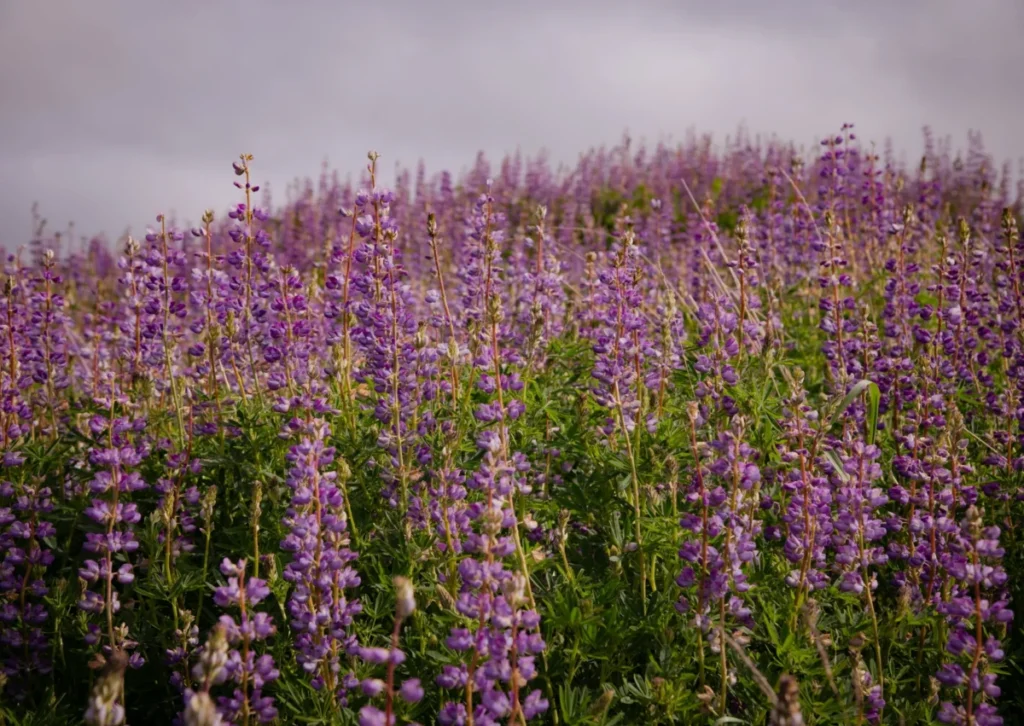
The landscape of Redwood National Park in Northern California has undergone a dramatic transformation this May as a rare superbloom of purple riverbank lupines (Lupinus rivularis) blankets the region’s high prairies. While the arid expanses of Death Valley National Park typically capture the national spotlight for ephemeral floral displays, this year’s botanical phenomenon is centered six hours north of San Francisco, within the verdant and often misty corridors of the Pacific Northwest coastline. National Park Service (NPS) officials first documented the surge of blossoms in early May, noting that the peak intensity of the bloom is expected to persist through the end of the month, providing a critical ecological window for local pollinators and a temporary visual overhaul of the park’s Bald Hills district.
The current superbloom is concentrated primarily around the Lyons Ranch Trailhead, where the elevation and soil composition of the Bald Hills provide an ideal habitat for the riverbank lupine. This species, a robust and fast-growing member of the Fabaceae (pea) family, is characterized by its multi-stemmed structure and its ability to reach heights of up to five feet. The resulting "purple carpet" effect has drawn significant attention from botanists and naturalists, who view the event as a testament to the success of long-term land management strategies, specifically the use of controlled fire to maintain the health of native prairie ecosystems.
Chronology of an Ecological Event: From Fire to Flower
The origins of the 2024 superbloom can be traced back precisely two years to a series of prescribed burns conducted by the National Park Service. According to park records and statements from NPS botanists, the Bald Hills region underwent managed fire treatments in 2022. These burns are designed to clear accumulated organic debris, reduce the risk of catastrophic wildfires, and suppress the encroachment of invasive species that threaten the integrity of the native grassland.
The relationship between fire and the riverbank lupine is symbiotic and cyclical. In the first year following a prescribed burn, the landscape typically sees a surge in vegetative growth. During this period, the lupines establish their root systems and develop foliage, but they rarely reach full flowering potential. It is the second year post-burn—in this case, 2024—that historically yields the most prolific blooms. The heat from the fire serves to scarify the hard-coated seeds of the lupine, a process that weakens the seed’s exterior and allows moisture to penetrate, thereby triggering germination that might otherwise remain dormant for years.
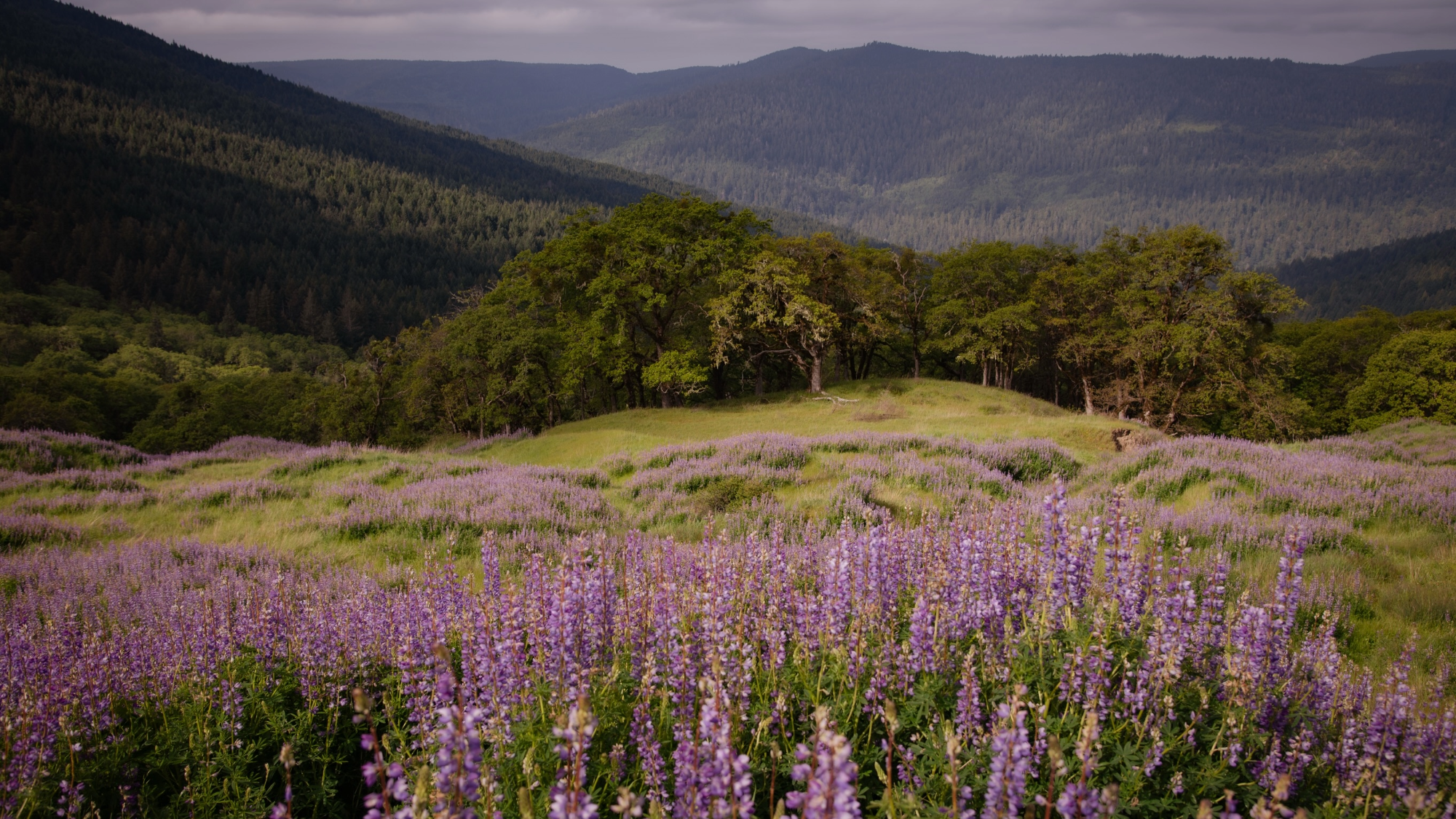
This two-year timeline is a well-documented phenomenon within the park’s management history. "The prairies of the Bald Hills have been managed using fire since time immemorial," park rangers noted in a recent public briefing, acknowledging that the current bloom is a direct result of these intentional interventions. By returning fire to the landscape, the park service mimics the natural and Indigenous-led fire regimes that shaped California’s ecosystems for millennia before the era of total fire suppression.
Botanical Profile: The Role of Lupinus Rivularis in the Ecosystem
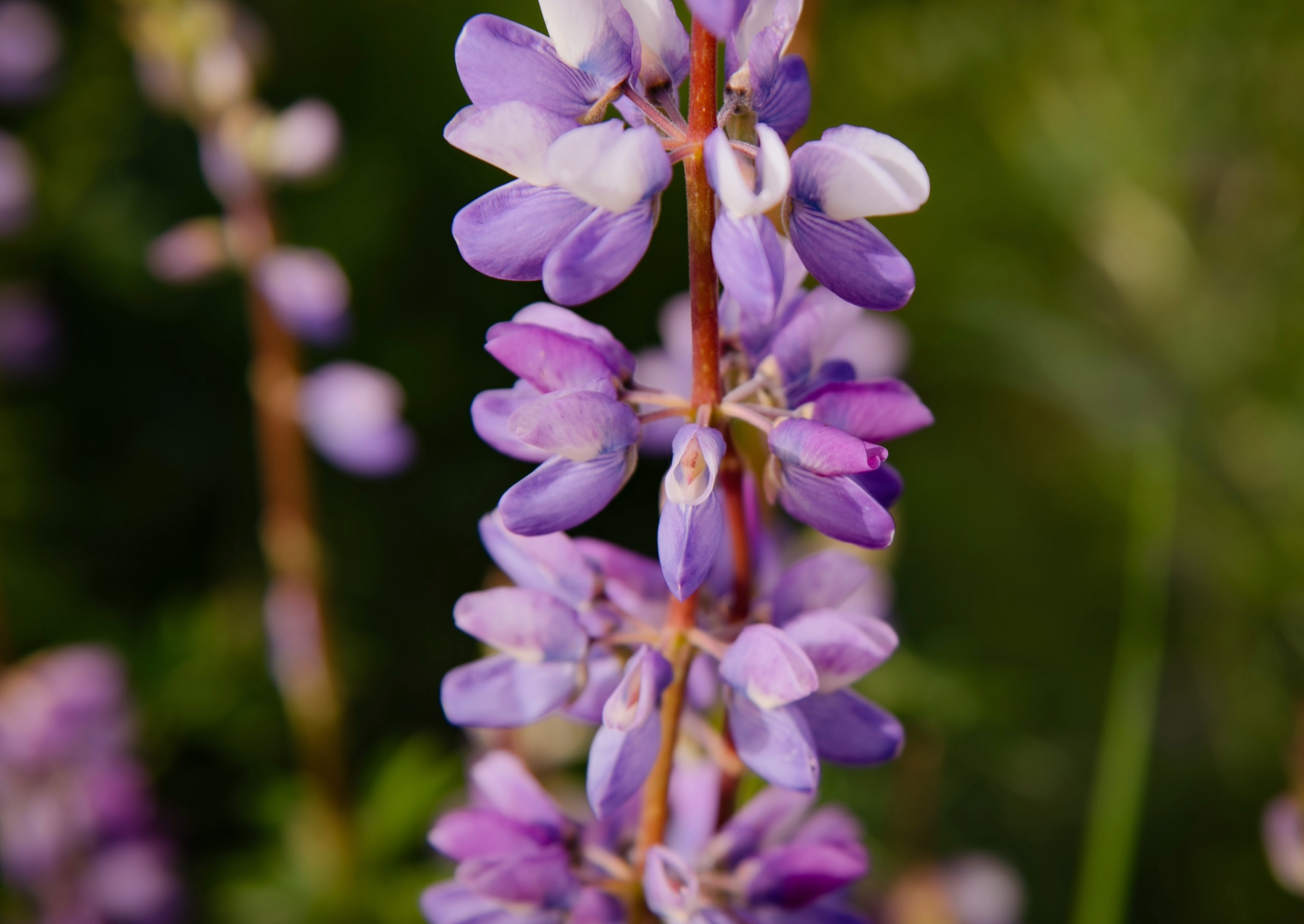
The riverbank lupine is more than a visual centerpiece; it is a foundational component of the Redwood National Park ecosystem. As a nitrogen-fixing plant, the lupine plays a vital role in soil health, converting atmospheric nitrogen into a form that other plants can utilize. This process is essential in the nutrient-competitive environment of the Bald Hills, where open prairies transition into oak woodlands and the world’s tallest redwood forests.
The plant’s biological contributions extend to a wide array of local fauna:
- Pollinator Support: The lupine’s nectar and pollen are primary food sources for native bee populations. Furthermore, the plant serves as a host for the larvae of several butterfly species, most notably the orange sulphur (Colias eurytheme) and the western tailed blue (Cupido amyntula).
- Avian and Mammalian Food Sources: Once the flowering stage concludes, the lupine produces seed pods. These high-protein seeds are a staple for various bird species and small mammals.
- Habitat and Cover: The dense, five-foot-tall thickets created by a superbloom provide essential concealment for rabbits, ground-nesting birds, and other small wildlife, protecting them from aerial predators like hawks and eagles.
The park itself, which spans over 131,000 acres, is a UNESCO World Heritage site and a designated International Biosphere Reserve. While the 380-foot-tall redwoods are the primary draw for millions of annual visitors, the superbloom highlights the park’s secondary and tertiary ecosystems, which include 30 identified plant species and a diverse array of wildlife ranging from Roosevelt elk to coastal salmon.
Scientific Analysis of the 2024 Bloom Conditions
Several factors converged to make the 2024 bloom particularly robust. Beyond the 2022 prescribed burns, Northern California experienced a series of atmospheric rivers during the winter of 2023-2024. This consistent and heavy rainfall ensured that the soil moisture levels remained high throughout the spring germination phase.
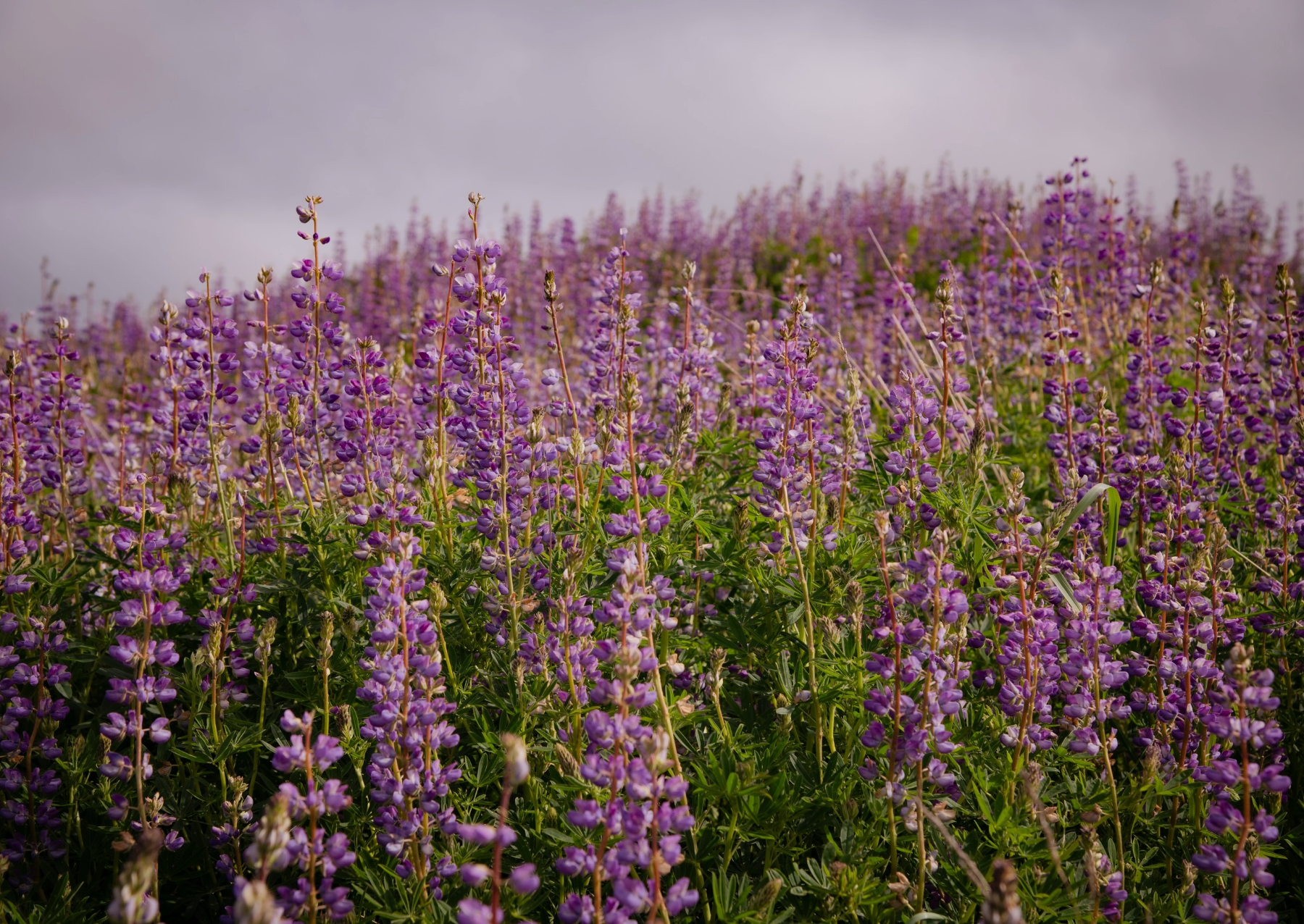
Botanists distinguish a "superbloom" from a standard annual bloom by the density and geographic extent of the flowers. While "superbloom" is not a strictly defined technical term in botany, it is generally used to describe a rare event where an unusually high proportion of dormant seeds germinate simultaneously. The combination of fire-scarified seeds and optimal hydrologic conditions provided the necessary "perfect storm" for the riverbank lupine to dominate the Bald Hills landscape this season.
Official Responses and Visitor Management Strategies
The National Park Service has issued specific guidance for the influx of visitors expected to travel to the Lyons Ranch area. The primary concern for park officials is the preservation of the delicate prairie soil and the prevention of plant trampling. Unlike the hardy redwoods nearby, the riverbank lupine and its associated pollinators are highly susceptible to human interference.
"Take only photographs, leave only footprints" remains the central tenet of the park’s visitor policy. Rangers have emphasized several key restrictions and recommendations:
- Trail Adherence: Visitors are strictly required to remain on designated trails. Stepping into the fields to take photographs—a trend exacerbated by social media influencers—can compact the soil, killing the very seeds that would provide future blooms and destroying the tunnels used by small mammals.
- No Picking: As a protected species within a national park, it is illegal to pick or remove lupines. The removal of flowers prevents the plant from going to seed, which directly impacts the 2026 and 2027 growth cycles.
- Photography Etiquette: Professional photography organizations, such as Fstoppers, have joined the NPS in advising visitors on how to capture the bloom responsibly. Recommendations include using telephoto lenses to create a sense of depth and "compression" without needing to physically enter the flower beds.
The park service has also increased its presence in the Bald Hills district to manage traffic and provide educational talks on the importance of fire ecology. The goal is to balance public access with the long-term sustainability of the prairie.
Broader Environmental and Economic Implications
The 2024 lupine superbloom carries significant implications for regional conservation and the local economy. For Humboldt and Del Norte counties, the event provides a shoulder-season boost in tourism revenue. Local hospitality and service industries often see increased demand during these rare botanical events, which draw specialized travelers including macro-photographers, birdwatchers, and amateur botanists.
From a conservation standpoint, the bloom serves as a high-profile validation of the park’s "Fire Management Plan." Public perception of fire is often negative due to the destructive nature of wildfires; however, the visibility of the superbloom provides an opportunity for the NPS to educate the public on the necessity of "good fire." By demonstrating that a charred landscape can, within two years, transform into a thriving purple prairie, the NPS builds public support for the continued use of prescribed burns across the Western United States.
Furthermore, the superbloom is a bellwether for the health of the park’s pollinator networks. At a time when many bee and butterfly populations are in decline across North America due to habitat loss and pesticide use, the vast, pesticide-free foraging grounds of Redwood National Park provide a vital sanctuary. The success of the orange sulphur and western tailed blue butterflies this season will likely have a positive "ripple effect" on the broader regional food web.
As the month of May draws to a close, the purple hues of the Bald Hills will eventually fade, giving way to the seed pods that will ensure the next generation of riverbank lupines. For now, Redwood National Park remains a vivid example of the resilience of native California flora and the efficacy of scientific land management. The 2024 superbloom stands as a reminder that the majesty of the redwoods is matched by the intricate, ephemeral beauty of the prairies that grow in their shadow.