

The landscape of international travel is undergoing a significant paradigm shift as veteran explorers move away from the traditional "country counting" metric toward a more granular, regional approach known as sub-national immersion. This transition is exemplified by the recent strategic pivot of Benny Lewis, a prominent figure in the language learning and nomadic travel community. After 23 years of continuous global movement, Lewis has announced a departure from the pursuit of national "ticks" on a map, instead committing to a long-term project of visiting every state, province, and administrative region in the world—a total estimated at approximately 3,000 distinct territories.
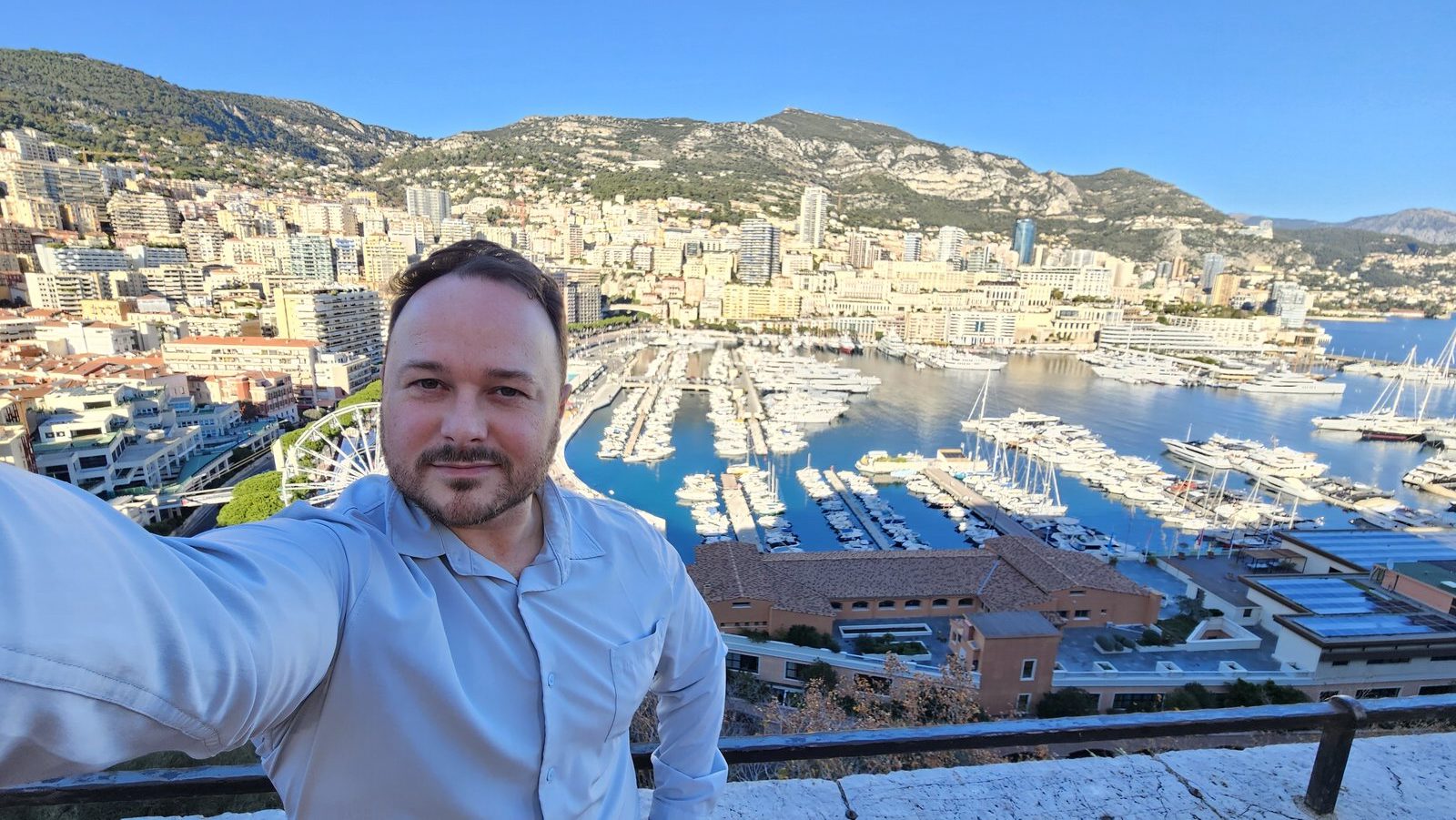
This shift highlights a growing critique of "shallow travel," a phenomenon where travelers visit capital cities or major tourist hubs for short durations primarily to increase their country count. Industry analysts suggest that this "scoreboard" mentality often rewards speed over substance, potentially diminishing the cultural and educational value of international transit. By focusing on sub-national divisions, travelers are forced into "slow travel" patterns that prioritize overland transit, local language acquisition, and engagement with communities that fall outside the standard tourism circuit.
The Quantitative Fallacy of Country Counting
The practice of counting countries has long been a staple of the travel community, with organizations such as the Travelers’ Century Club (TCC) setting benchmarks for those who have visited 100 or more nations. However, critics argue that this metric is fundamentally flawed due to the vast discrepancies in the size and cultural complexity of sovereign states. For instance, a single afternoon spent in Monaco or Vatican City provides the same numerical "point" on a travel scoreboard as a multi-year exploration of Brazil, the world’s fifth-largest country.
Lewis, who has visited 51 countries over two decades, noted that while he deeply understood approximately 40 of these nations through extended residency and language study, roughly 10 were visited superficially. This realization led to the rejection of country-level metrics in favor of a regional model. The "scoreboard" effect, as described by travel sociologists, tends to optimize for the "tick"—flying into a capital, visiting a single landmark, and departing—which often results in a homogenized experience of airports, international hotel chains, and Instagram-centric viewpoints.
Case Study: The Brazilian Sub-National Project
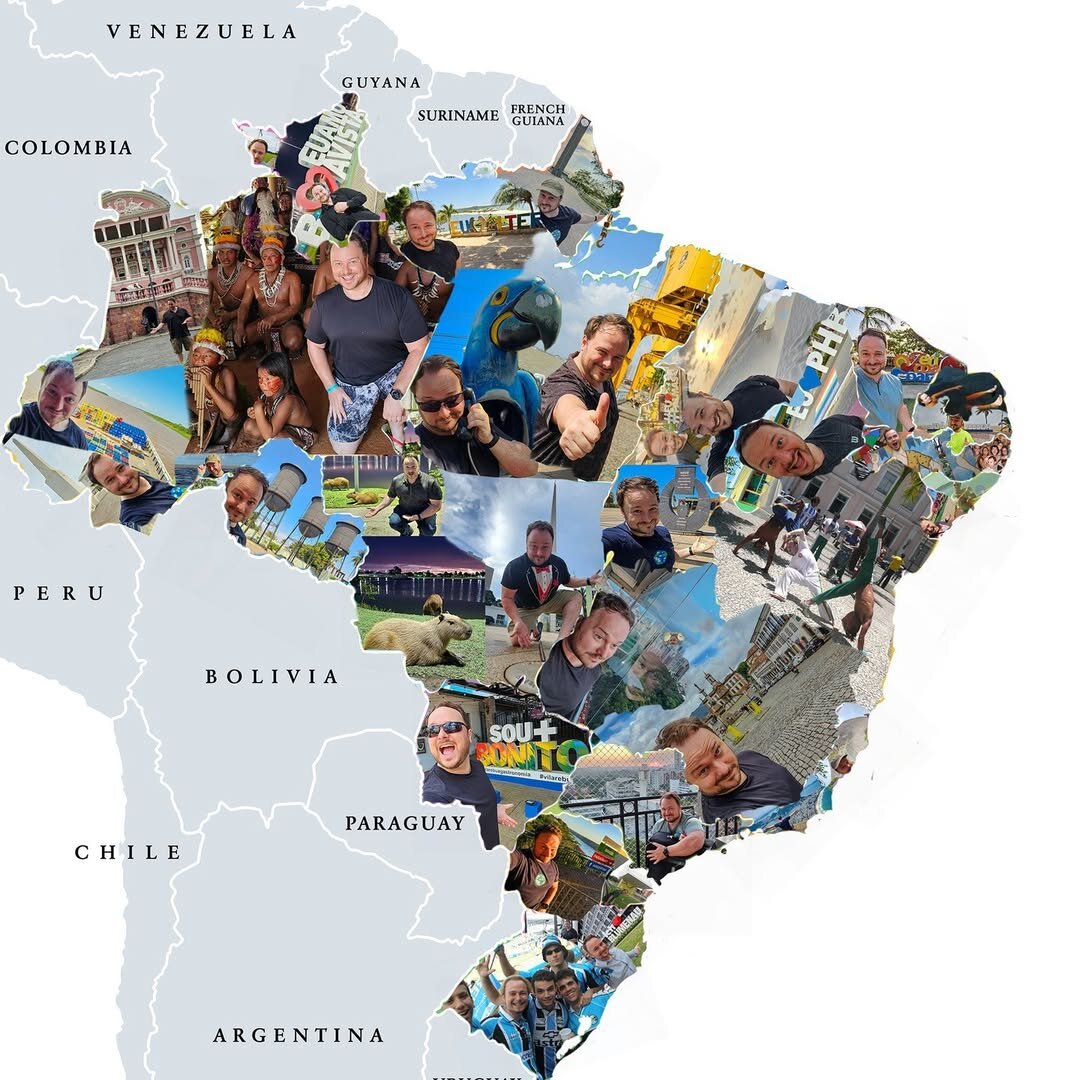
The most comprehensive example of this regional approach is Lewis’s 20-year project to visit all 26 states of Brazil. Unlike traditional tourism, which focuses heavily on Rio de Janeiro and São Paulo, this project required extensive overland travel through the Amazon rainforest and the Brazilian interior.
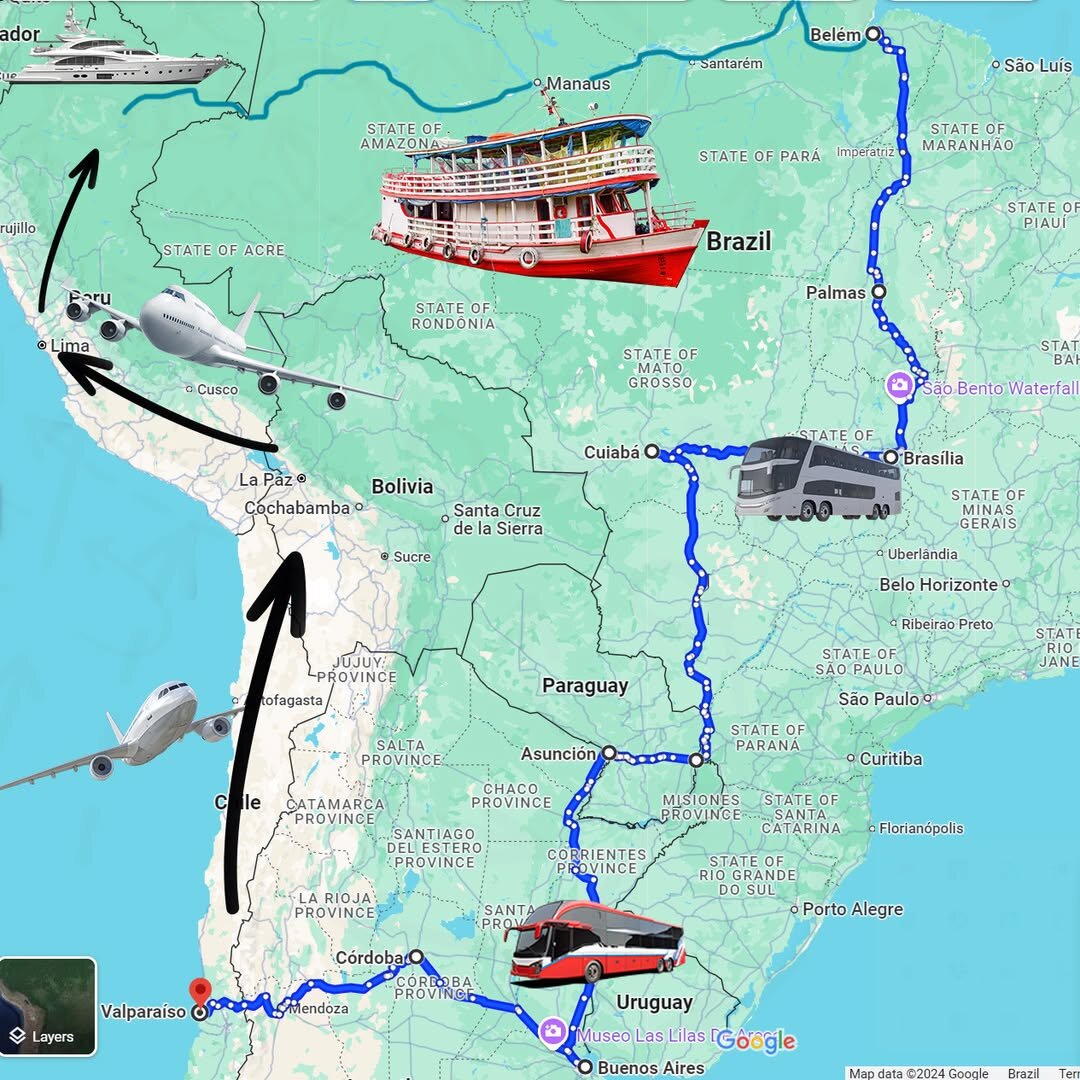
The logistics of this undertaking involved tens of thousands of kilometers traveled via bus and riverboat. One notable route included a boat journey from the headwaters of the Amazon River in Peru, entering Brazil and traveling the length of the waterway to the Atlantic Ocean. This method allowed for immersion in states rarely visited by foreign tourists, such as Roraima on the Venezuelan border, Amapá on the equator, and Acre in the far west.
Regional data suggests that these areas receive less than 1% of the international tourist traffic that visits the coastal hubs. In states like Acre, the lack of tourist infrastructure often results in more authentic interactions. Lewis reported that in these regions, travelers who speak the local language—in this case, Portuguese—are often the first non-neighboring foreigners that residents have encountered. This level of immersion provides a stark contrast to the "sanded down" experiences typical of major tourist zones, where the local culture is often commodified for foreign consumption.
Chronology of a 23-Year Nomadic Journey
The evolution of this travel philosophy can be traced through several distinct phases of Lewis’s career as a digital nomad and polyglot:
- 2003–2010: The Formative Phase: Initial focus on language acquisition, leading to the founding of the "Fluent in 3 Months" platform. During this period, the emphasis was on deep immersion in major European and South American nations.
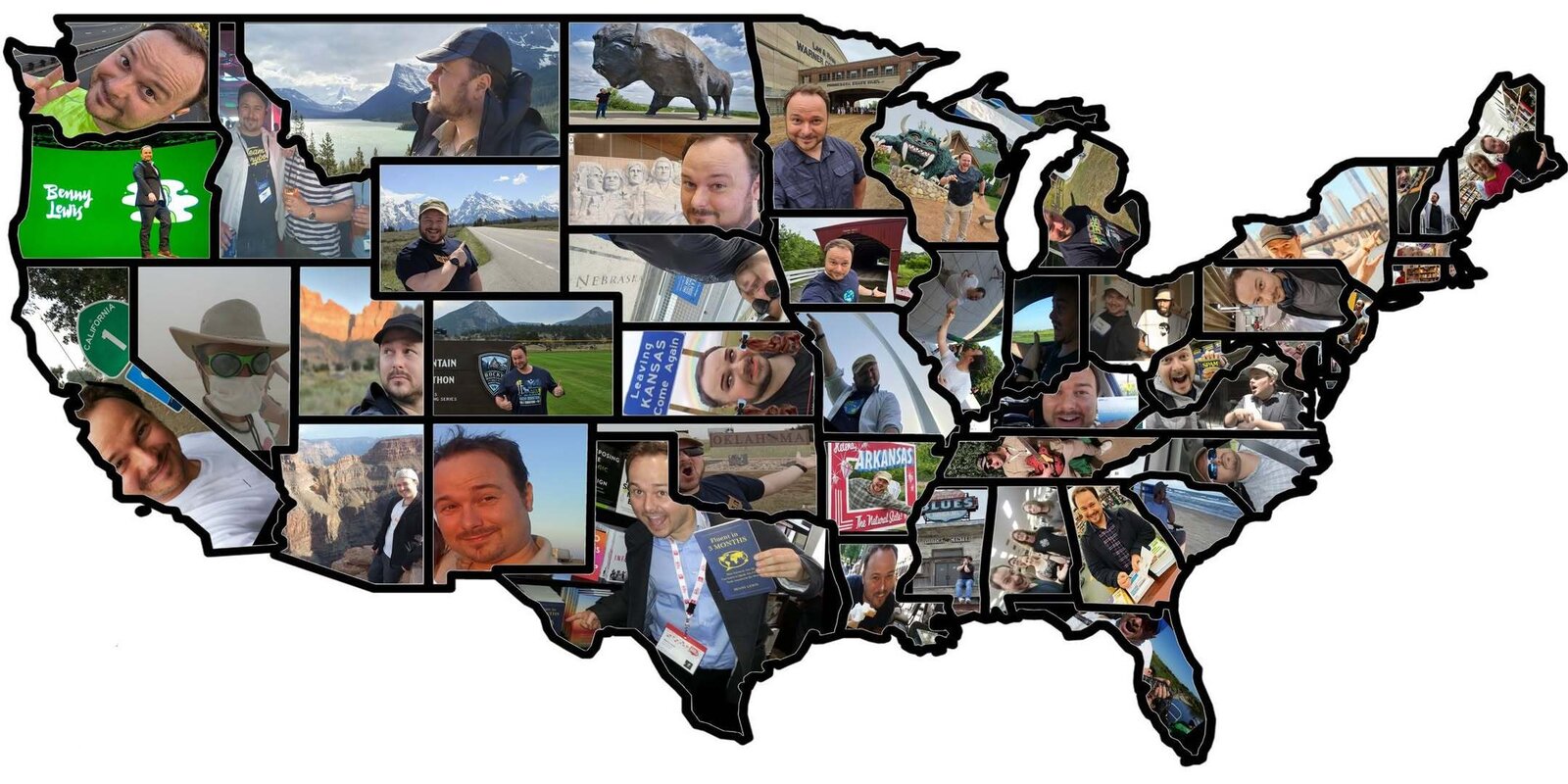
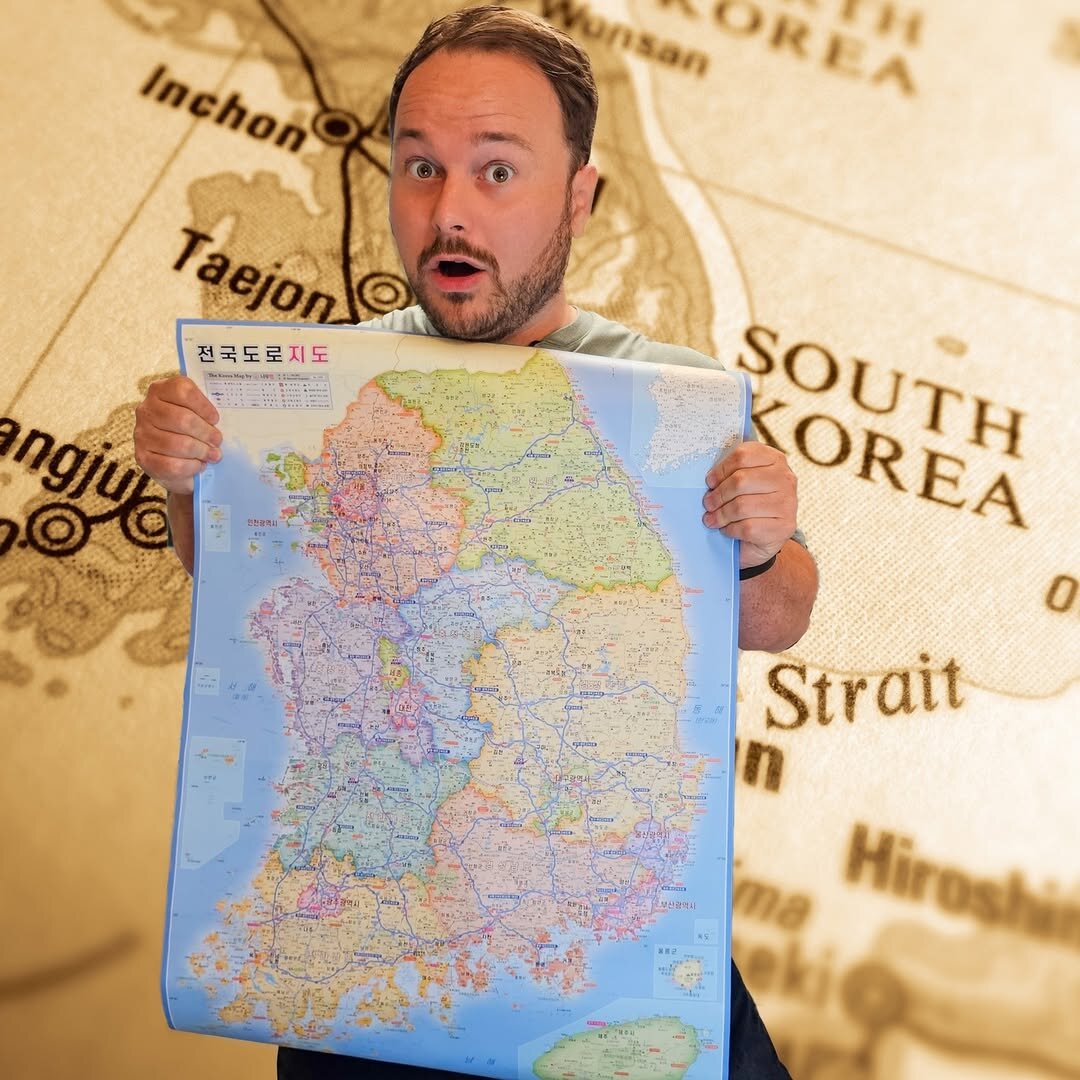
- 2011–2018: The Expansion Phase: Continued travel across Asia and North America. Notable achievements during this window included visiting all 48 contiguous states of the United States and all provinces of South Korea.
- 2019–2023: The Crisis and Re-evaluation: A period of personal challenges and a hiatus from public content creation led to a reassessment of travel goals.
- 2024–Present: The Sub-National Commitment: The formal launch of the project to visit every major administrative division globally, beginning with a focus on Indonesia and Mexico.
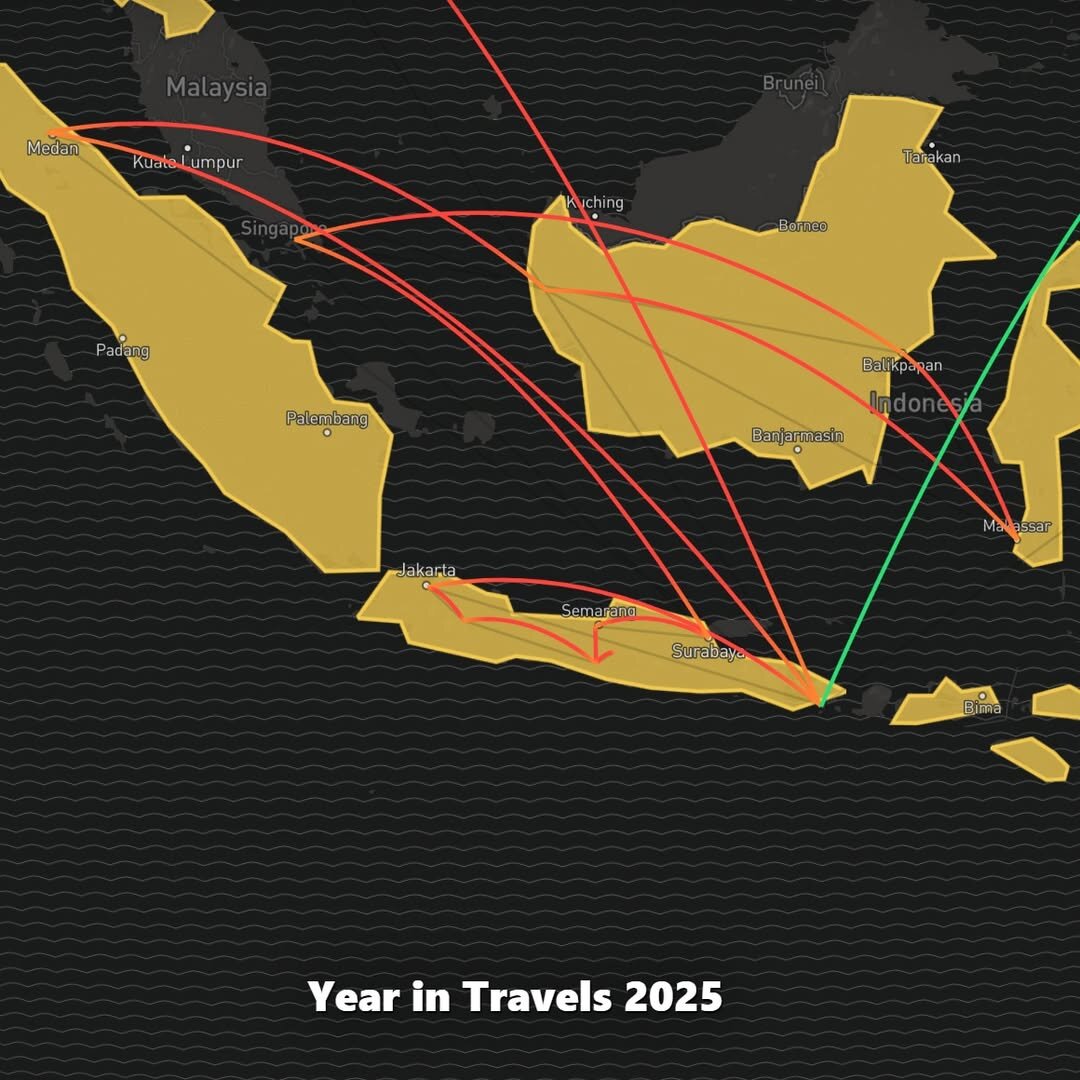
In 2023, Lewis spent the majority of the year navigating the western islands of Indonesia. Despite Indonesia’s status as a single country, its 17,000 islands and diverse ethnic groups make a national-level "tick" functionally meaningless. The project required a working knowledge of Indonesian (Bahasa Indonesia) to navigate the logistical challenges of the less-developed western provinces.
Current Operations: The Mexican State-by-State Expedition
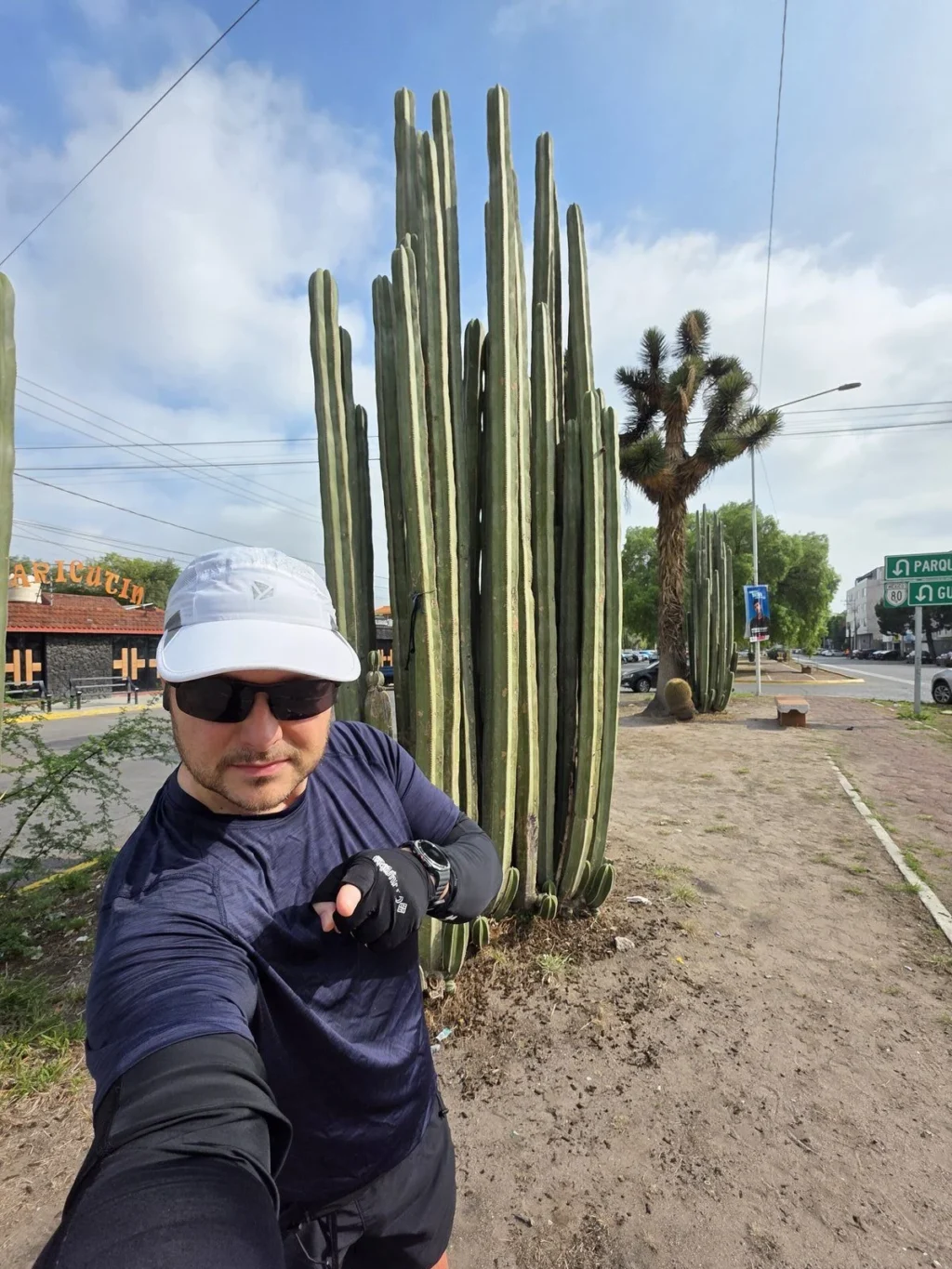
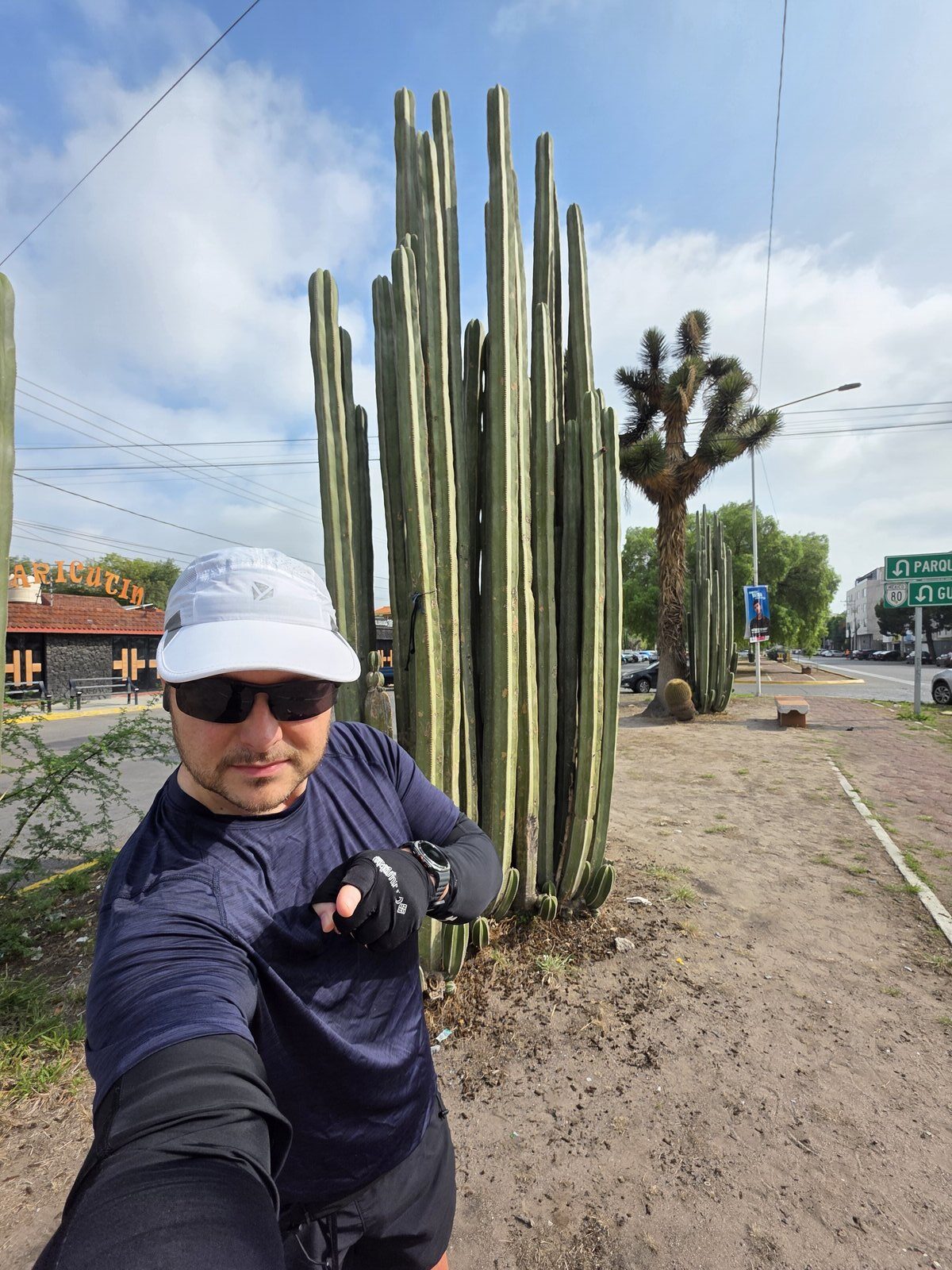
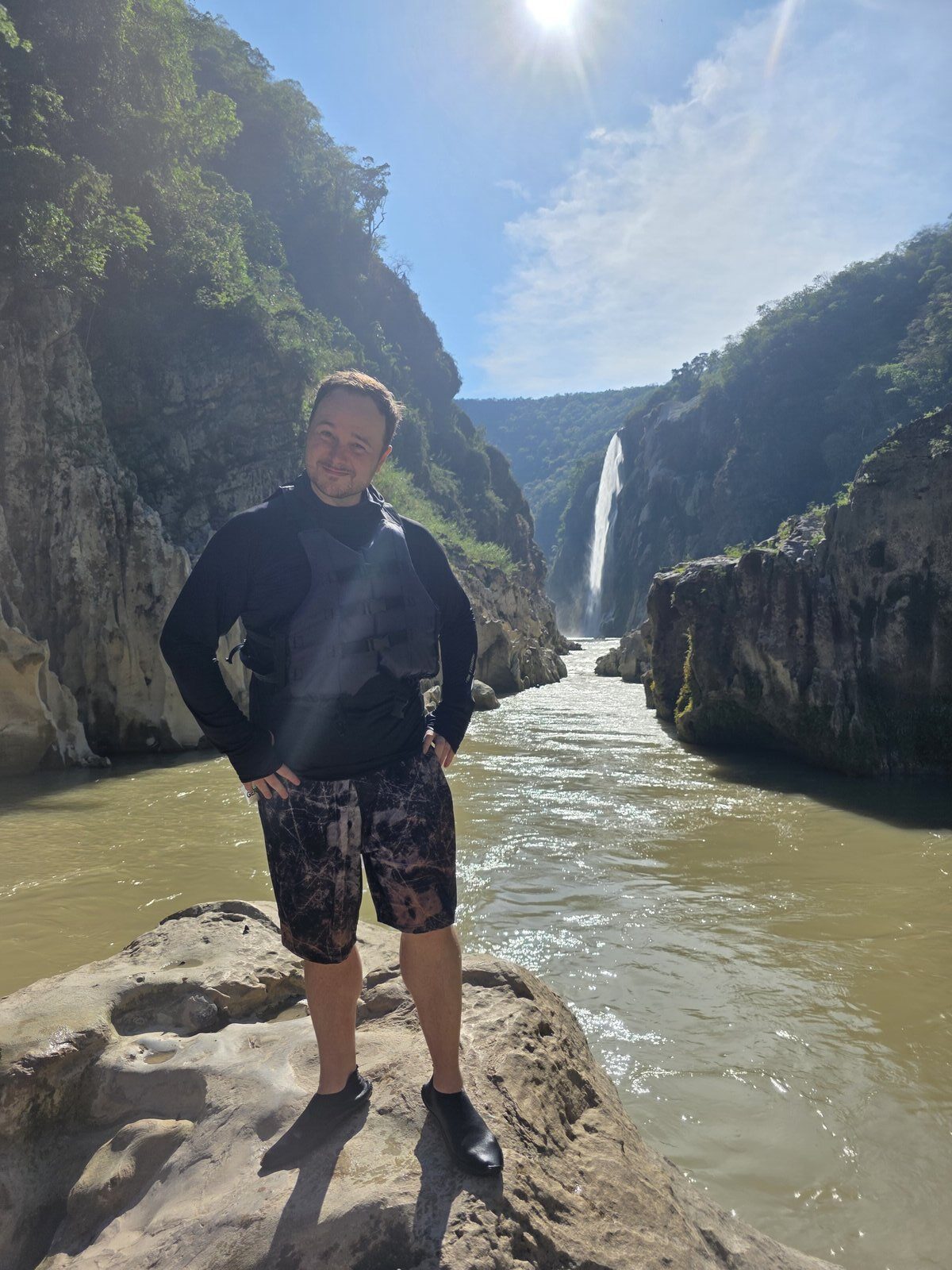
As of mid-2024, the focus of this regional exploration has shifted to Mexico. The country is divided into 31 states and a federal district (Mexico City). Lewis is currently working through his 20th Mexican state, with a recent focus on the state of San Luis Potosí.
The methodology for this exploration involves "slow travel" principles: establishing a temporary base in a non-tourist neighborhood, frequenting local businesses, and engaging in daily social interactions in Spanish. For example, in San Luis Potosí, Lewis established a rapport with local cafe owners, a process that he argues is impossible under the "country counting" model.
"Going deep is slower," Lewis noted in his recent communications. "Since meeting people is the priority, sometimes I do miss the iconic touristy sites. But I’ll take it." This sentiment reflects a broader trend among long-term travelers who are increasingly prioritizing social capital and linguistic proficiency over the collection of UNESCO World Heritage site visits.
The Socio-Economic Context of Modern Nomadism
The ability to pursue sub-national travel on this scale is heavily influenced by the rise of the digital nomad economy. Lewis, who works online and earns in a strong currency, represents a demographic that can leverage geographical arbitrage. By earning in a stable currency and spending in regions with a lower cost of living, such travelers can sustain long-term movement without traditional employment constraints.
However, this lifestyle is not without its unglamorous realities. The logistics of "extreme minimalism"—fitting all personal belongings into a single suitcase—and the lack of a permanent residence or mortgage are essential trade-offs. Furthermore, the inflationary pressures of the post-pandemic era have made previously affordable regions, such as the United States, more difficult to navigate for long-term travelers, prompting a shift toward Southeast Asia and Latin America.
Broader Impact and Industry Implications
The shift toward regional exploration has several implications for the global travel industry:
- Environmental Impact: By favoring overland travel (buses, boats, and trains) over frequent short-haul flights between capitals, the sub-national model can potentially reduce the carbon footprint per kilometer traveled, although the total duration of travel remains high.
- Economic Distribution: This travel style directs tourism revenue into secondary and tertiary cities that are often bypassed by the "fly-in, fly-out" tourist model. This can support local economies in rural or inland provinces.
- Cultural Preservation: Deep travel encourages the maintenance of local languages and customs, as travelers must adapt to the local environment rather than expecting the environment to adapt to them (e.g., through the use of English or international signage).
Conclusion and Future Outlook
The project to visit approximately 3,000 sub-national regions is, by its own admission, an "impossible" goal. Lewis acknowledges that completing the entire list would require a lifespan far beyond the average. However, the objective of the project is not completion, but the shift in perspective that the goal necessitates.
In the coming months, Lewis intends to document the practical logistics of this lifestyle, including nomadic packing strategies, social integration techniques for introverts in foreign cities, and the psychological aspects of long-term travel. As the "Fluent in 3 Months" brand continues to evolve, it appears to be moving toward a more holistic definition of fluency—one that encompasses not just the mastery of a language, but the mastery of the diverse, regional landscapes that define the human experience.
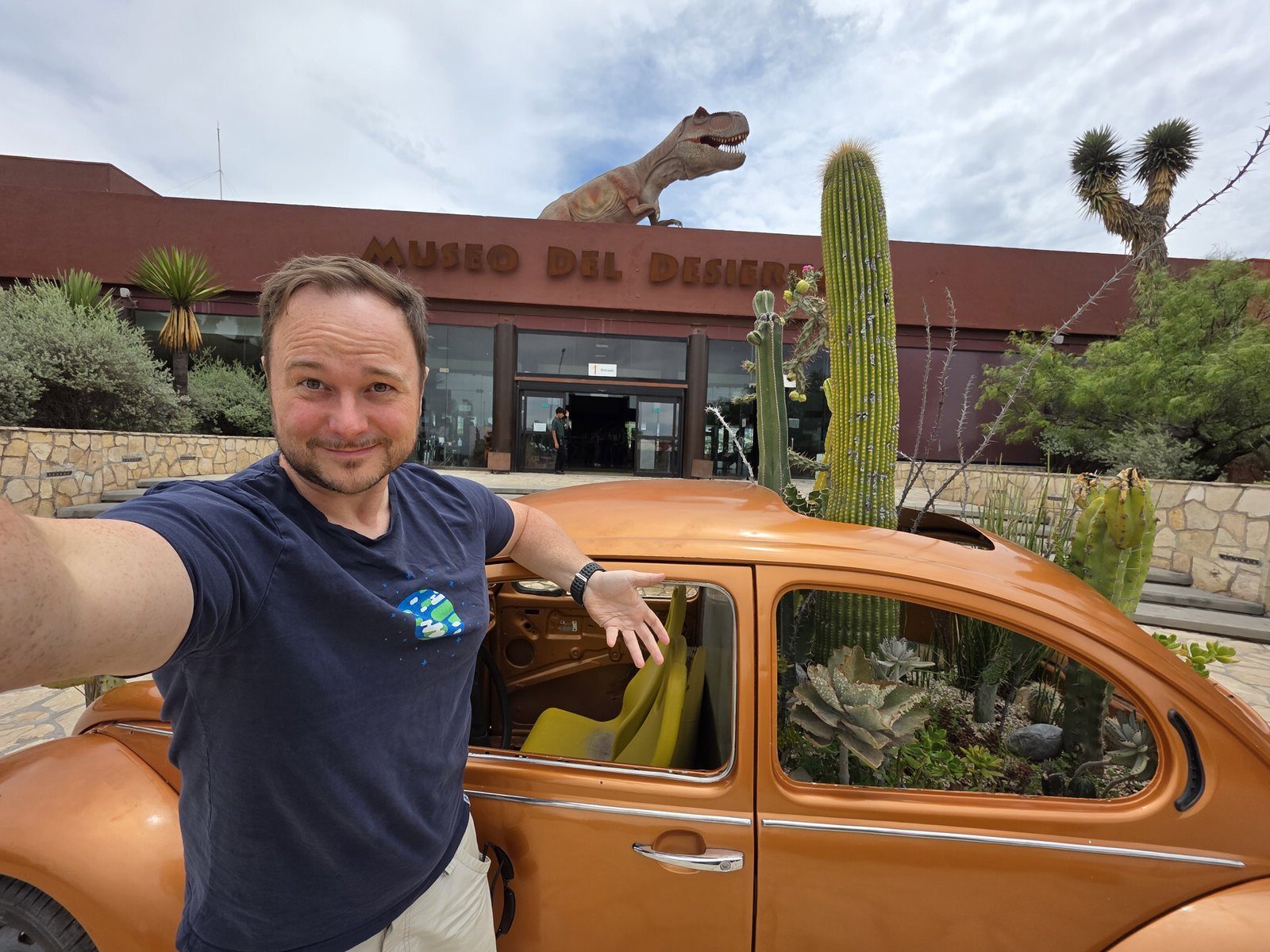
By rejecting the "shallow scoreboard" of country counting, this new wave of travelers is advocating for a more honest, difficult, and ultimately rewarding form of global engagement. The journey through Mexico’s remaining states and the eventual return to other global regions will serve as a continuing test case for whether the "every state" model can provide the depth and meaning that traditional international travel increasingly lacks.