


For generations, the inevitable march of time has been marked by a predictable physiological decline—the graying of hair, the thinning of skin, and the gradual erosion of cognitive sharpness. While society has long accepted these hallmarks of senescence as immutable, a collaborative international study involving researchers from Xi’an Jiaotong-Liverpool University, Stanford University, Shanghai Jiao Tong University, and the University of Chinese Academy of Sciences suggests that some of these age-related markers may not be as permanent as once believed. Through a series of controlled experiments on aged mice, scientists have identified that dietary supplements containing plasmalogens—lipids derived from the marine organism known as the sea squirt—can effectively reverse key symptoms of physical and cognitive aging.
A Marine Solution to a Biological Dilemma
The primary subject of this investigation is the sea squirt, or Ascidiacea, a filter-feeding marine invertebrate that has long been a staple of traditional diets in East Asia. Known as meongge in Korea and hoya in Japan, this sea creature is frequently consumed raw, offering a culinary tradition that, until now, has been viewed primarily through the lens of cultural heritage rather than clinical pharmacology. However, researchers identified that these organisms are exceptionally rich in plasmalogens, a specialized class of phospholipids that serve as fundamental components of human cell membranes.
Plasmalogens are not merely structural fillers; they are concentrated in the most metabolically active and complex tissues of the human body, particularly the brain, heart, and immune system. As humans age, the natural synthesis of these lipids begins to falter, leading to a systemic decline in their concentration. This depletion is not benign; clinical observations have consistently linked lower levels of plasmalogens to the onset and progression of major neurodegenerative conditions, including Alzheimer’s disease and Parkinson’s disease. The research team hypothesized that by introducing external sources of these lipids into the diet, they could compensate for the body’s diminished production, potentially buffering the brain against age-related decay.
Chronology of the Investigation
The study followed a rigorous timeline of intervention and observation. Initial phases involved the identification of optimal dosages for murine subjects, followed by a longitudinal study comparing aged mice to a control group. Over a period of five days, the test group received regular oral supplementation of plasmalogens.
The evaluation of cognitive function was conducted using the Morris water maze, a gold-standard laboratory metric for assessing spatial learning and memory. In this test, mice are placed in a water-filled apparatus and tasked with locating a submerged, invisible platform. Younger mice typically master this navigational task quickly, exhibiting the neural plasticity required for rapid learning. Conversely, the untreated aged mice displayed characteristic cognitive deficits, struggling to recall the platform’s location even after repeated training sessions.
The results of the intervention were immediate and statistically significant. By the end of the five-day training window, the mice receiving the plasmalogen supplements demonstrated performance metrics that closely mirrored those of much younger subjects. They navigated the maze with precision and speed, indicating a restoration of spatial memory and cognitive agility that had previously been considered lost to the aging process.
Biological Mechanisms of Improvement
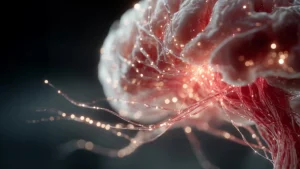
To understand why the mice experienced such a dramatic reversal in function, the researchers conducted post-mortem examinations of the brain tissue. The findings provided a clear biological narrative: the treated mice exhibited a higher density of synapses, the critical junctions that facilitate communication between neurons.
Synapses are the engines of the brain’s neural networks, enabling everything from simple reflex arcs to complex long-term memory formation. In a healthy, youthful brain, these junctions are highly dynamic and exhibit significant "plasticity"—the ability to remodel themselves in response to new experiences. As the brain ages, this plasticity diminishes; synapses wither, and the efficiency of neurotransmission plummets.
The study found that the plasmalogen supplement not only protected existing synapses from deterioration but also appeared to foster a microenvironment conducive to the formation of new neural connections. Furthermore, the researchers observed a marked reduction in neuroinflammation. While inflammation is a necessary immune response, chronic, low-grade inflammation—often referred to as "inflammaging"—is a well-documented driver of cognitive decline. By dampening this persistent immune overactivity, the plasmalogens created a more stable environment for synaptic maintenance.
The Gut-Brain Axis and Beyond
Professor Lei Fu, the corresponding author of the study, emphasized that the benefits of plasmalogens likely extend beyond direct brain chemistry. A compelling hypothesis emerging from the research involves the gut-brain axis, the intricate, bidirectional signaling pathway that links the gastrointestinal tract to the central nervous system.
"We found that plasmalogens significantly increase the number of molecules that aid the growth and development of neurons and synapses in the brain," Professor Fu noted. He suggests that these lipids may influence the composition of the gut microbiome, which in turn regulates systemic inflammation and neuroprotective signals. By modulating this complex communication loop, dietary plasmalogens may trigger a cascading effect that supports the repair, renewal, and regrowth of nerve cells—a process known as neuroregeneration.
Interestingly, the physical benefits were not restricted to the brain. The researchers observed that the aged mice fed with the supplements began to grow new, thick, and glossy black hair—a physical transformation that served as a visible indicator of systemic rejuvenation. While the primary focus of the study was neurological, these peripheral changes suggest that the influence of plasmalogens may be systemic, affecting cellular health throughout the entire organism.
Implications for Human Health
The potential implications for human medicine are vast, though researchers remain cautious about direct extrapolation. While the data from the mouse models are robust, the transition from murine research to human clinical trials involves significant hurdles, including determining appropriate human dosages, assessing long-term safety, and accounting for the complex variables of human metabolism and lifestyle.
Despite the necessity for further study, the enthusiasm within the scientific community is palpable. Professor Fu has already integrated plasmalogen supplementation into his own daily regimen, citing the study’s data as a compelling justification. "For the first time, we show that plasmalogen supplements might be a potential intervention strategy for halting neurodegeneration and promoting neuroregeneration," he stated. "The oral intake of plasmalogens could be a feasible therapeutic strategy to improve cognitive function in older people."
A Shift in Gerontological Paradigms
The broader impact of this study lies in its shift away from the "inevitable decline" model of aging. If cognitive and physical impairments can be linked to the depletion of specific, manageable molecules like plasmalogens, then aging may eventually be treated as a manageable metabolic condition rather than an unavoidable biological fate.
This study provides a roadmap for future research, highlighting how marine-derived compounds can offer insights into the fundamental mechanics of cellular maintenance. As the global population continues to age, the demand for non-invasive, dietary-based interventions for cognitive health is expected to skyrocket. By identifying the role of plasmalogens in synaptic plasticity and neuroprotection, the research team has opened a new front in the battle against neurodegenerative diseases.
While we are not yet at the stage of "reversing" human aging through a bowl of sea squirts, the science clearly indicates that we are moving toward a more nuanced understanding of how to protect the aging brain. The convergence of marine biology, neurology, and gerontology in this study serves as a testament to the fact that the answers to our most persistent biological questions may be hiding in the very ecosystems we have consumed for centuries. As investigations continue, the medical community will be watching closely to see if these marine-derived lipids can truly translate into a viable, long-term solution for human longevity and cognitive vitality.