



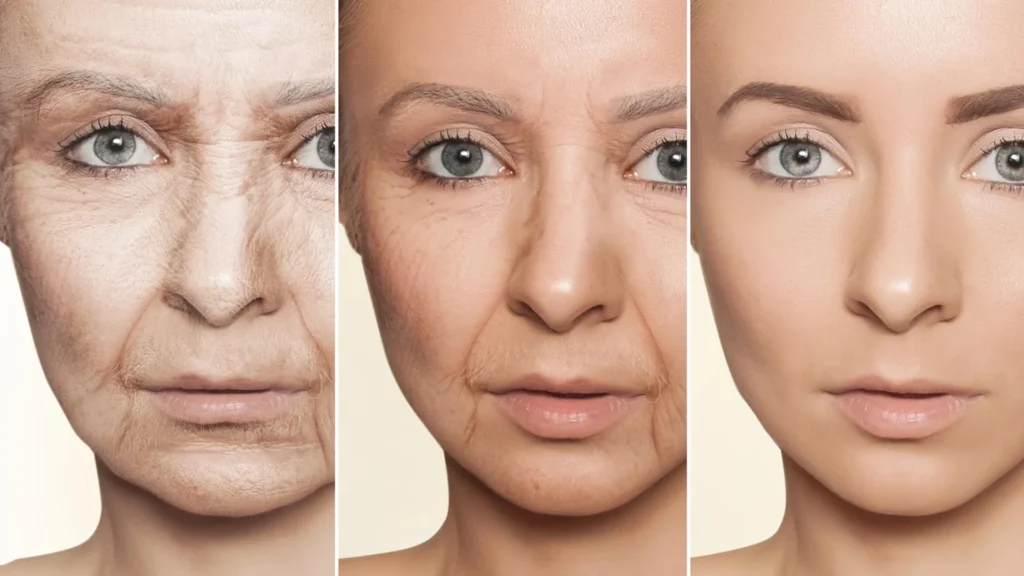
Aging has long been viewed as an inexorable biological trajectory, characterized by the gradual accumulation of cellular damage, the whitening of hair, the deepening of wrinkles, and the inevitable erosion of cognitive faculties. For centuries, the scientific community has grappled with a singular, transformative question: is it possible to decelerate, arrest, or potentially reverse the physiological hallmarks of senescence? A pioneering study conducted by a multidisciplinary team of researchers from Xi’an Jiaotong-Liverpool University, Stanford University, Shanghai Jiao Tong University, and the University of Chinese Academy of Sciences has provided a compelling, albeit preliminary, answer that points toward a marine-derived solution.
The research, which centers on the therapeutic potential of plasmalogens—a unique class of lipid molecules—suggests that these compounds, when administered as dietary supplements, can effectively mitigate markers of aging in murine models. The study, published in recent scientific journals, offers a novel perspective on neuroregeneration and suggests that the key to maintaining cognitive vitality may be hidden in the tissues of Ascidiacea, commonly known as sea squirts.
The Biological Mechanism: Understanding Plasmalogens
To appreciate the significance of this discovery, one must first understand the role of plasmalogens within the human body. These lipids are essential structural components of cell membranes, particularly abundant within the myelin sheaths that insulate neurons, the heart, and cells within the immune system. Unlike standard phospholipids, plasmalogens possess a unique chemical bond—a vinyl ether bond—that renders them highly susceptible to oxidative stress. Paradoxically, this vulnerability makes them excellent antioxidants, effectively acting as "sacrificial" molecules that protect other vital cellular components from damage.
As the human organism ages, the efficiency of endogenous plasmalogen synthesis declines. Epidemiological and clinical data have consistently shown that low levels of these lipids are strongly correlated with the progression of neurodegenerative pathologies, most notably Alzheimer’s disease and Parkinson’s disease. In the context of the brain, the depletion of plasmalogens is associated with the breakdown of synapses, the tiny junctions that facilitate communication between neurons. This synaptic failure is a primary driver of the cognitive decline observed in elderly populations.
Chronology of the Discovery and Experimental Design
The path to these findings began with a focus on marine biology as a repository for therapeutic compounds. Sea squirts, particularly the species consumed in East Asian culinary traditions—known as meongge in Korea and hoya in Japan—contain remarkably high concentrations of plasmalogens. Researchers hypothesized that if these compounds could be isolated and introduced into the aging body, they might replenish dwindling systemic reserves.
The research team embarked on a multi-stage experiment using aged mice. The chronology of the study involved a controlled dietary intervention where aged subjects were supplemented with high-grade plasmalogen extracts. Over the course of several weeks, the researchers tracked two primary variables: cognitive performance and physical markers of senescence.
The primary diagnostic tool used to assess cognitive function was the Morris water maze, a standard psychological test for spatial learning and memory. In this environment, mice are placed in a water-filled pool containing a hidden, submerged platform. Younger mice, possessing optimal synaptic plasticity, quickly learn the platform’s coordinates through visual cues. Conversely, aged mice typically struggle, exhibiting longer latency periods and erratic swimming patterns.
The results were statistically significant. After a five-day training regimen, the group of aged mice receiving the plasmalogen supplement demonstrated a performance profile nearly indistinguishable from that of young, healthy mice. They exhibited faster search times and more direct paths to the platform, suggesting a restoration of spatial memory and learning efficiency.
Synaptic Plasticity and the Neuroregenerative Hypothesis
Beyond behavioral metrics, the research team conducted a granular analysis of the murine brain tissue post-mortem. The findings revealed a clear structural difference: the treated mice exhibited a higher density of synapses compared to the control group of aged mice. Furthermore, these synapses showed improved structural integrity.
Professor Lei Fu, the corresponding author of the study, noted that the data points toward genuine neuroregeneration. "Our research suggests that plasmalogens may not just stop cognitive decline, but may reverse cognitive impairments in the aging brain," Fu stated. The study posits that the supplements increase the expression of proteins involved in neurotrophic signaling—the pathways that regulate the growth, survival, and differentiation of neurons.
In addition to synaptic restoration, the researchers identified a substantial reduction in neuroinflammation. Chronic, low-grade inflammation is a well-documented contributor to neurodegenerative disease. As the brain ages, the microglia—the immune cells of the brain—can enter a state of dysregulation, releasing pro-inflammatory cytokines that damage neural networks. The plasmalogen treatment appeared to dampen this immune hyperactivity, creating a more favorable environment for neural repair.
The Gut-Brain Axis: A Potential Pathway for Efficacy
One of the most intriguing aspects of the study is the hypothesis regarding the gut-brain axis. Emerging literature has solidified the understanding that the microbiome of the gastrointestinal tract plays a critical role in brain health. Professor Fu suggests that the benefits of oral plasmalogen intake may be mediated by the gut microbiome.
By modulating the composition of gut bacteria, the supplements may trigger secondary signals that influence systemic inflammation and metabolic health. Given the complexity of this two-way communication system, it is plausible that the observed cognitive improvements are the result of both direct neurological intervention and indirect metabolic regulation via the gut.
Physical Markers: Beyond the Brain
While the primary focus of the study was cognitive function, the researchers observed striking peripheral physical changes in the treated subjects. Aged mice that received the plasmalogen supplement exhibited a significant improvement in hair quality; their fur was thicker, glossier, and contained more black pigment compared to the sparse, graying fur of the untreated control group.
While this may seem cosmetic, it provides a visible confirmation of the supplement’s systemic influence. It suggests that the biological processes activated by plasmalogens—such as enhanced cellular membrane integrity and reduced oxidative stress—are not limited to the central nervous system but are distributed throughout the organism.
Implications and Future Research
The implications of these findings for human medicine are profound, though they must be approached with scientific caution. While the results in animal models are encouraging, the leap from murine physiology to human clinical application is significant. Differences in metabolism, dosage requirements, and the complex etiology of human neurodegenerative diseases mean that extensive human clinical trials are required before any definitive claims can be made.
However, the scientific community is already considering the feasibility of using plasmalogens as a therapeutic strategy. Current interventions for Alzheimer’s and other dementias are largely palliative, focusing on symptom management rather than halting or reversing the underlying disease processes. A dietary supplement that addresses the structural degradation of synapses and combats neuroinflammation represents a paradigm shift in how we might treat aging.
Professor Fu’s personal commitment to the research is evident, as he has incorporated daily plasmalogen supplementation into his own regimen. This underscores a growing trend in the scientific community: the move toward preventative, nutrition-based interventions that target the biological roots of aging rather than just the clinical outcomes.
Critical Analysis and Necessary Caveats
Despite the optimism surrounding this study, independent researchers emphasize the need for rigorous oversight. Nutrition and supplement research often faces challenges related to bioavailability. The human digestive tract is a complex environment, and ensuring that a compound like a plasmalogen survives the acidic conditions of the stomach and is effectively absorbed into the bloodstream in a concentration high enough to impact the brain is a major hurdle.
Furthermore, the quality of dietary supplements currently on the market varies wildly. Consumers should be wary of marketing claims that equate the consumption of sea squirts directly with the high-potency, laboratory-extracted plasmalogens used in these controlled experiments. The dose-response relationship in humans remains an open question, and there is a potential for side effects that were not captured in the limited timeframe of the murine study.
A New Horizon in Gerontological Science
The study by Fu and his colleagues provides a robust evidentiary base for further exploration. By identifying a specific lipid molecule that appears to restore synaptic density and reduce neuroinflammation, the team has opened a new front in the war against age-related cognitive decline.
As global populations continue to age, the societal and economic burden of neurodegenerative disease is expected to skyrocket. Innovative, low-risk, and potentially scalable interventions like plasmalogen supplementation could offer a lifeline for millions. While we are far from an "anti-aging" panacea, the integration of marine-based compounds into modern therapeutic frameworks marks a significant step forward in our understanding of human biology.
The coming decade of research will be critical. It will require longitudinal human trials to determine if the remarkable cognitive recovery seen in mice can be replicated in clinical settings. If successful, this research could redefine the aging process, transforming it from a period of inevitable decay into one that can be managed through precise, targeted molecular intervention. For now, the story of the sea squirt and the aging mouse remains one of the most promising avenues of inquiry in the ongoing quest to extend the healthy human lifespan.