



As temperatures rise and outdoor recreation increases during the spring, summer, and early autumn months, public health officials are issuing renewed warnings regarding the prevalence of ticks and the associated risks of tick-borne illnesses. While spending time in nature offers significant physical and mental health benefits, it also increases the likelihood of encountering various tick species, most notably the black-legged tick (Ixodes scapularis), which is the primary vector for Lyme disease in the United States. Understanding the precise, evidence-based methods for tick removal is no longer merely a matter of convenience; it is a critical component of preventative healthcare that can significantly reduce the risk of long-term infection and chronic illness.
The Immediate Protocol for Safe Tick Removal
If a tick is discovered attached to the skin, the priority is immediate and careful removal. Medical experts from the Centers for Disease Control and Prevention (CDC) and the Children’s Hospital of Philadelphia (CHP) emphasize that time is the most critical factor in preventing the transmission of pathogens. The longer a tick remains embedded, the higher the probability that it will transmit bacteria such as Borrelia burgdorferi, the causative agent of Lyme disease.
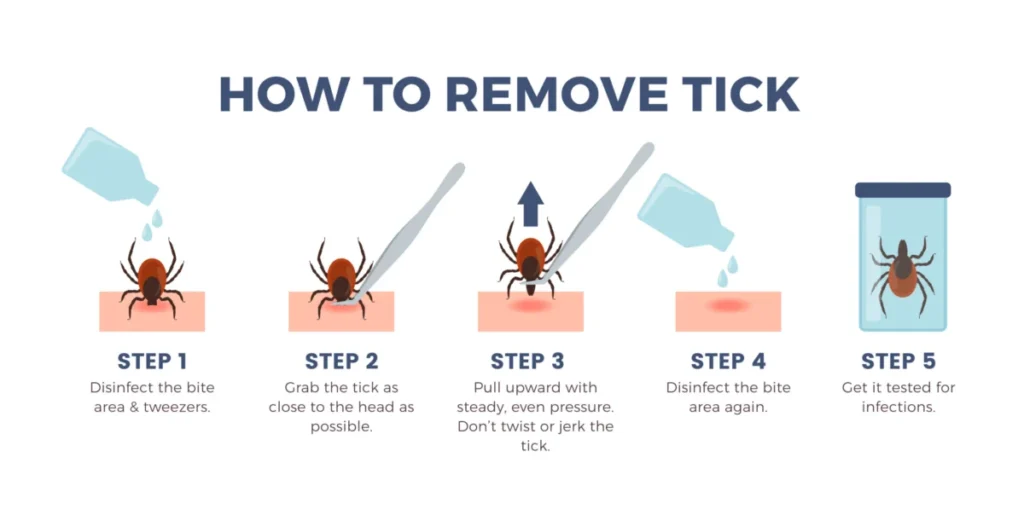
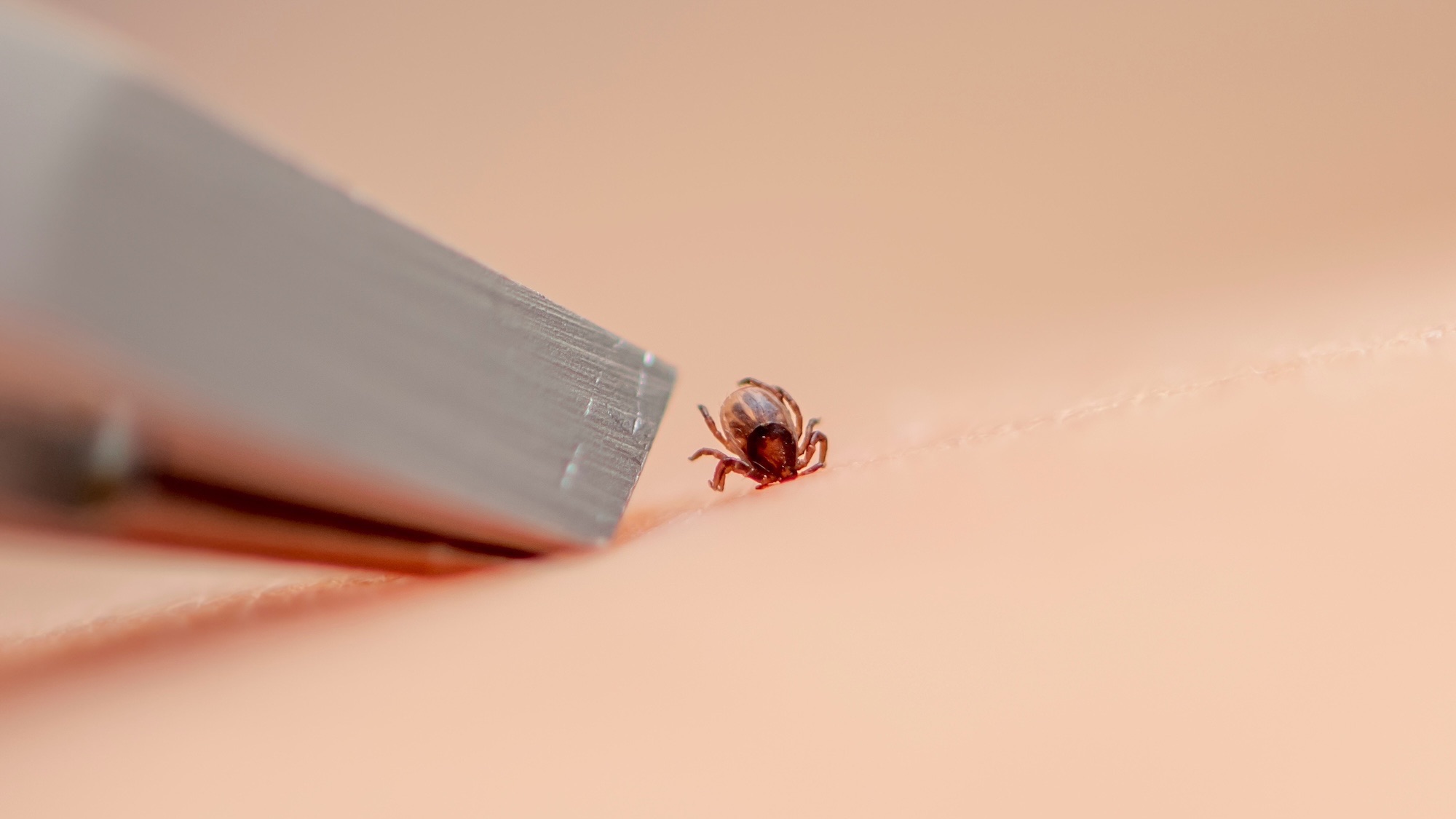
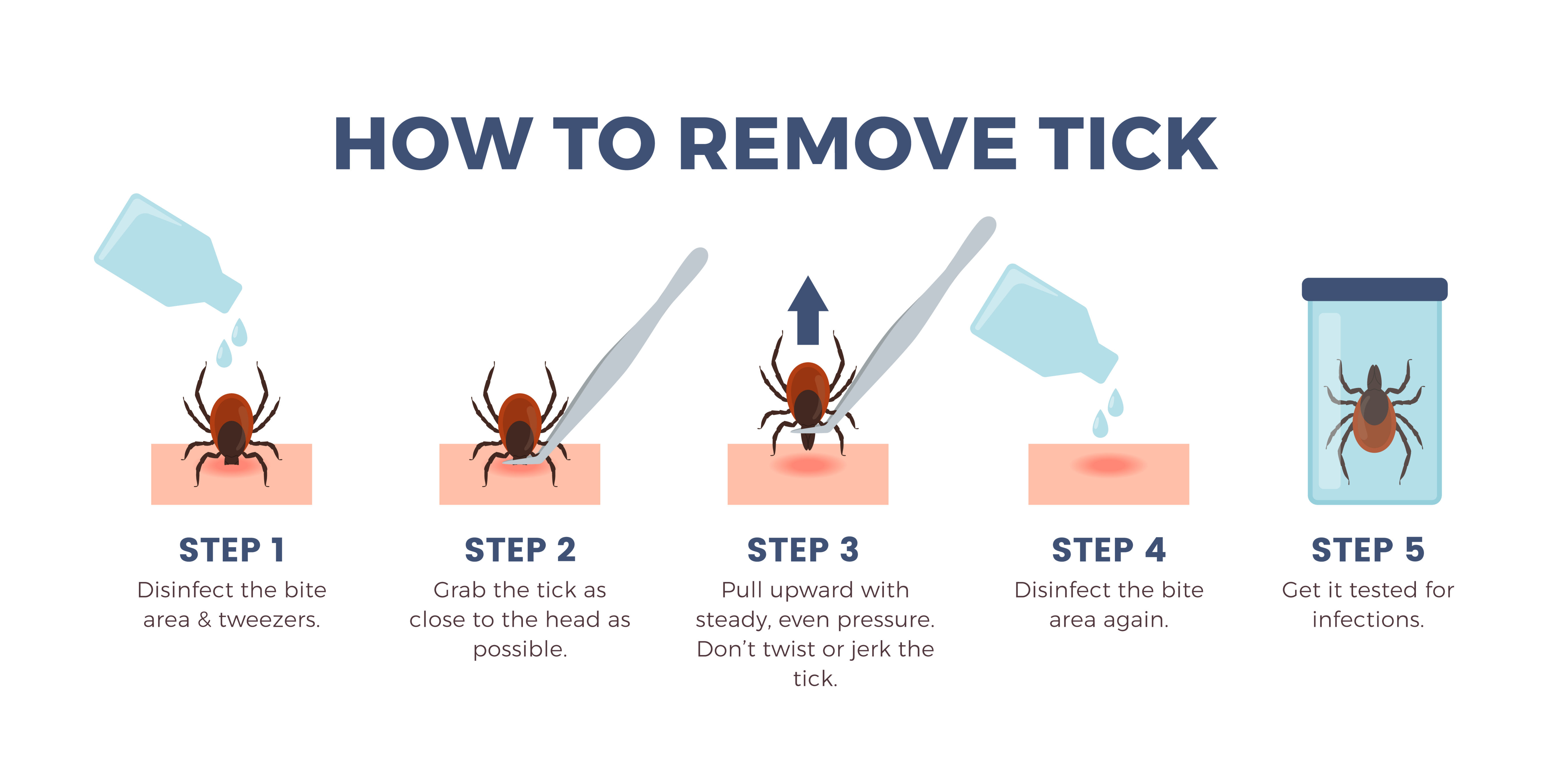
The gold standard for removal involves the use of fine-tipped tweezers. Unlike blunt household tweezers, fine-tipped versions allow for a more precise grip near the tick’s mouthparts. To remove the tick, one should grasp it as close to the skin’s surface as possible. The goal is to pull upward with steady, even pressure. It is imperative to avoid jerking, twisting, or wiggling the tick, as these movements can cause the mouthparts to break off and remain embedded in the skin. If the head or mouthparts do remain in the skin, they should be left alone to heal like a splinter, or removed with a sterile needle only if easily accessible; otherwise, the body will naturally expel them over time.
Crucially, the body of the tick should never be squeezed or crushed during the removal process. Ticks carry fluids, including saliva and partially digested blood, which may contain infectious pathogens. Squeezing the abdomen can effectively "inject" these fluids into the host’s bloodstream, accelerating the risk of infection. Once the tick is removed, the bite area and the hands of the individual performing the removal should be thoroughly cleaned with rubbing alcohol, an iodine scrub, or soap and water.
Debunking Common Myths and Dangerous Practices
For decades, various "folk remedies" for tick removal have circulated, many of which are not only ineffective but potentially dangerous. One of the most common misconceptions is the idea of "suffocating" the tick using substances like petroleum jelly, nail polish, or peppermint oil. The theory suggests that blocking the tick’s respiratory spiracles will force it to detach voluntarily. However, research indicates that ticks have a very low oxygen requirement and can survive for hours under these substances. More importantly, irritating the tick in this manner can cause it to regurgitate its stomach contents into the bite wound, significantly increasing the risk of disease transmission.
Another hazardous practice is the use of heat, such as applying a recently extinguished match or a hot needle to the tick’s body. Thermal trauma to the tick almost guaranteed to trigger a stress response, leading to the immediate expulsion of saliva and internal fluids into the host. Furthermore, the risk of accidental skin burns to the human or animal host makes this method entirely unsuitable for safe removal. Medical professionals stress that mechanical removal with tweezers remains the only recommended method by major health organizations.
Geographic Trends and Epidemiological Data
The risk of contracting a tick-borne illness is heavily dependent on geography, though the range of many tick species is expanding. Recent data from USAFacts and the CDC highlight a significant concentration of Lyme disease cases in the Northeastern and Mid-Atlantic United States. Between 2019 and 2022, three states accounted for nearly half of all reported cases in the country: New York led with 19 percent of cases, followed by Pennsylvania at 17 percent, and New Jersey at 11 percent.
This regional concentration is attributed to the "tri-state" area’s specific ecology, characterized by fragmented deciduous forests that provide an ideal habitat for white-tailed deer and white-footed mice, the primary hosts for ticks. Conversely, states like Hawaii and Oklahoma reported zero cases of Lyme disease during the same period, reflecting the absence of the specific tick vectors required for transmission in those climates. However, public health officials warn that other tick-borne diseases, such as Rocky Mountain Spotted Fever or the Alpha-gal syndrome (a red meat allergy caused by the Lone Star tick), are prevalent in the Southern and Midwestern United States, meaning no region is entirely without risk.
The Biological Timeline of Infection
Understanding the biology of tick feeding is essential for assessing risk after a bite. Ticks do not transmit Lyme disease immediately upon attachment. The bacteria Borrelia burgdorferi typically resides in the tick’s midgut. Once the tick begins its blood meal, the bacteria must migrate to the salivary glands before they can be transmitted to the host. This process generally takes between 36 and 48 hours of attachment.
This window of time provides a crucial opportunity for intervention. If a tick is discovered and removed within the first 24 hours, the statistical likelihood of contracting Lyme disease is extremely low. This is why "tick checks" after outdoor activity are the most effective way to prevent illness. Ticks often crawl for several hours looking for a thin-skinned area to attach to, such as the back of the knees, the groin, the armpits, or behind the ears. Catching them before they latch, or shortly after, is the best defense.
Post-Removal Monitoring and Clinical Symptoms
After a tick has been successfully removed, the individual should monitor the bite site for at least 30 days. It is common for a small, red bump—similar to a mosquito bite—to appear immediately; this is usually a localized reaction to the tick’s saliva and does not necessarily indicate infection. However, more distinct symptoms require medical consultation.
The most famous indicator of Lyme disease is Erythema migrans (EM), commonly known as the "bullseye" rash. This rash typically appears within 3 to 30 days and expands over time, often reaching a diameter of 12 inches or more. It may feel warm to the touch but is rarely itchy or painful. It is important to note, however, that approximately 20 to 30 percent of infected individuals never develop a rash.
Other early-stage symptoms are often "flu-like" and include:
- Fever and chills
- Fatigue
- Headache
- Muscle and joint aches
- Swollen lymph nodes
In some cases, rarer symptoms such as red earlobes or Bell’s palsy (facial drooping) can occur. If any of these symptoms manifest following a tick bite, or even after spending time in a high-risk area without a known bite, a healthcare provider should be contacted immediately. Early-stage Lyme disease is highly treatable with a standard course of antibiotics, such as doxycycline.
Broader Implications: Climate Change and Public Health
The rising incidence of tick-borne diseases is increasingly linked to broader environmental shifts. Climate change has led to shorter, milder winters, which allows a higher percentage of ticks to survive the dormant season. Furthermore, warmer springs and longer autumns extend the "active" window for ticks, giving them more time to find hosts.
Urbanization and suburban sprawl also play a role. As human developments push further into previously wooded areas, the "edge effect" is created—a habitat where deer and mice thrive in close proximity to human backyards. This ecological overlap has turned tick-borne illness into a significant public health burden. The economic impact is also substantial; a study published in BMC Public Health estimated that Lyme disease alone costs the U.S. healthcare system between $712 million and $1.3 billion annually in direct medical costs.
Preventive Strategies for Outdoor Activities
To mitigate the risks associated with ticks, experts recommend a multi-layered approach to prevention. When hiking or working in wooded or grassy areas, individuals should wear long-sleeved shirts and long pants. Light-colored clothing is preferable because it makes the dark, poppy-seed-sized nymphs easier to spot. Tucking pants into socks creates a physical barrier that prevents ticks from crawling up the legs.
Chemical repellents are also highly effective. The CDC recommends products containing at least 20% DEET, picaridin, or IR3535 for application on the skin. For clothing and gear, permethrin-treated fabrics are a powerful deterrent; permethrin not only repels ticks but can kill them on contact. Many outdoor enthusiasts now opt for pre-treated clothing that retains its effectiveness through dozens of washes.
Upon returning indoors, it is advised to tumble dry clothes on high heat for at least ten minutes, which will kill any "hitchhiking" ticks that have not yet attached. Taking a shower within two hours of coming indoors has also been shown to reduce the risk of Lyme disease, as it can wash off unattached ticks and provides a dedicated time for a thorough body check.
Conclusion and Disposal
Once a tick is removed, it should be disposed of in a way that prevents it from re-attaching to another host or being crushed by hand. Recommended methods include submerging it in alcohol, placing it in a sealed bag or container, wrapping it tightly in tape, or flushing it down the toilet (though some experts suggest keeping the tick in a small vial of alcohol for a few weeks in case symptoms develop, as it can be tested by a laboratory).
By following these scientifically backed procedures, individuals can enjoy the outdoors with a significantly reduced risk. Vigilance, proper equipment, and a calm, methodical approach to removal are the most effective tools in the ongoing effort to combat tick-borne diseases.