

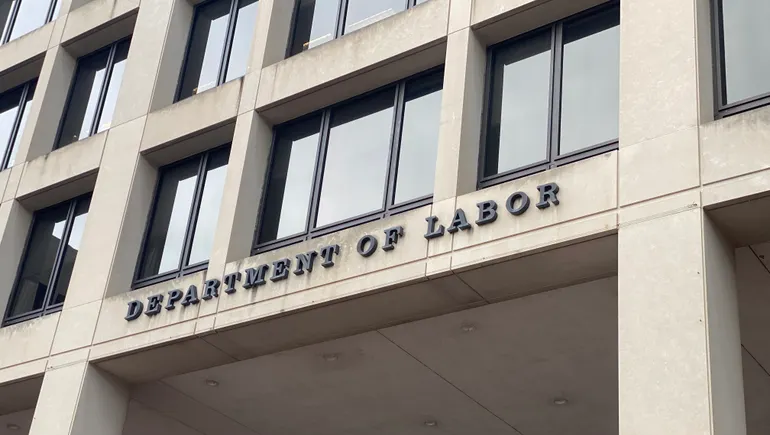
The U.S. Department of Labor (DOL) has initiated a new proposal aimed at significantly increasing the prevailing wage levels for foreign workers employed under the H-1B visa program. This move, which follows a pattern of regulatory adjustments under both the Trump and Biden administrations seeking to make the hiring of skilled foreign talent more expensive, is expected to introduce substantial financial challenges for employers. The proposal represents the DOL’s second attempt to revise these wage standards, with the initial effort under the Trump administration being rescinded by the Biden administration in January 2021.
Background: A Shifting Landscape for H-1B Visas
The H-1B visa program is a crucial pathway for U.S. companies to hire foreign workers in specialty occupations, requiring theoretical or technical expertise in fields such as technology, engineering, and medicine. For decades, the program has been a focal point of debate, with proponents arguing it is essential for filling critical skills gaps and fostering innovation, while critics contend it can depress wages for American workers and be exploited by certain employers.
Under the Trump administration, there was a concerted effort to reform the H-1B program, with a particular focus on increasing the cost of hiring foreign workers. One of the most significant actions was a proclamation issued in September 2024, directing the Department of Homeland Security (DHS) to impose a $100,000 fee on all new H-1B visa petitions. This fee, aimed at further incentivizing higher wages for H-1B employees, faced considerable opposition and legal challenges.
The DOL’s previous attempt to raise prevailing wage levels in January 2021, shortly before the end of the Trump presidency, was met with similar concerns about its impact on employers. This rule aimed to elevate the minimum wage employers must pay H-1B workers to higher percentile levels of the Occupational Employment and Wage Statistics (OEWS) data. However, the Biden administration subsequently rescinded this rule, signaling a potential shift in approach.
The Current Proposal: Increasing Prevailing Wage Requirements
The DOL’s latest proposal, while bearing some similarities to its 2021 predecessor, utilizes different OEWS percentiles. Despite these adjustments, legal experts anticipate that the changes will still lead to considerable cost increases for businesses. Brian Bumgardner, a shareholder at Ogletree Deakins, a law firm specializing in employment law, stated in an email to HR Dive that the proposed rule is "another brick in the wall" of escalating costs for employers sponsoring H-1B visas. He estimates that these adjustments could translate into tens of thousands of additional dollars per candidate, depending on their experience level.
The DOL’s stated objective for this renewed push is to modernize the skilled worker visa programs and ensure that foreign workers are paid wages that accurately reflect the market value of their labor. Secretary of Labor Lori Chavez-DeRemer articulated this in a press release, stating, "This proposed rule will help ensure that employers pay foreign workers wages that reflect the real market value of their labor, in addition to protecting the wages and job opportunities of American workers. The continued abuse of the H-1B program by certain bad actors will no longer be tolerated."
The agency argues that prevailing wage levels have historically been set too low, failing to keep pace with actual market rates paid to American workers, particularly those in early-career and entry-level positions. By recalibrating these rates, the DOL aims to create a more equitable playing field and prevent the H-1B program from undercutting domestic wages.
Broader Policy Context and Stakeholder Reactions
The DOL’s prevailing wage proposal is part of a broader suite of regulatory actions and proposed policies that collectively aim to reshape the H-1B landscape. In September 2024, DHS revived efforts to incentivize higher pay by proposing a rule to adjust the H-1B lottery selection criteria. This proposed change would prioritize petitions offering higher wages, further pushing employers to offer more competitive compensation to secure H-1B visas for their foreign hires.
The $100,000 fee on new H-1B petitions, first proposed by the Trump administration, has been a particularly contentious issue. This fee, intended to be an additional financial barrier for employers not offering substantial salaries, has drawn sharp criticism from various sectors. Organizations like the AASA (American Association of School Administrators) have voiced strong concerns about its impact on their ability to address critical staffing shortages.
"This fee makes the program entirely out of reach for districts that rely on it to address staff shortages in their schools," stated a representative from AASA. "The loss of this option will mean larger classrooms and students not having the teachers they need." This sentiment highlights the potential ripple effects of these policies, particularly in sectors like education and healthcare, which often grapple with localized talent deficits.
Indeed, multiple stakeholders, including groups representing public schools, university-level research institutions, and healthcare systems, have initiated legal action to block the $100,000 fee, challenging its legality. These lawsuits argue that the fee disproportionately harms entities that rely on the H-1B program to fill essential roles and maintain their operations. While one federal judge has ruled that the Trump administration did not exceed its constitutional authority in issuing the fee proclamation, legal battles are ongoing.
Analysis of Implications for Employers
The cumulative effect of these proposed and implemented policies is a significant increase in the financial and administrative burden on employers seeking to hire foreign talent through the H-1B program. The prevailing wage increases, coupled with potential new fees and altered selection criteria, suggest a strategic shift towards making the H-1B program more exclusive and geared towards high-paying roles.
For businesses, especially those in technology and research-intensive industries that rely heavily on specialized skills, this could translate into:
- Increased Labor Costs: Higher prevailing wages directly translate to higher salary outlays for H-1B employees, impacting overall operational budgets.
- Reduced Competitiveness: Companies that cannot afford to meet the elevated wage requirements may be forced to seek alternative, potentially less skilled, domestic talent or reduce their hiring targets.
- Strategic Re-evaluation: Businesses may need to reassess their reliance on the H-1B program and explore other recruitment strategies, such as investing more in domestic training programs or exploring talent pools in countries with different visa regulations.
- Potential for Legal Scrutiny: Employers will need to remain vigilant about compliance with evolving regulations, as the DOL and other agencies continue to focus on enforcing program integrity.
However, the DOL’s proposal does offer a potential avenue for employers to mitigate some of the impact. The agency has indicated that interested employers may be permitted to use private survey wage data as an alternative to the OEWS data. Bumgardner expressed optimism about this provision, noting that data from common industry surveys is often more precise and specific than OEWS data, with more granular levels of detail and industry-specific breakdowns. He hopes this option will be retained in the final rule.
The Path Forward: Public Comment and Future Regulations
The DOL has opened a 60-day public comment period on its prevailing wage proposal, with a deadline of May 26, 2026. This period allows stakeholders, including employers, industry associations, and labor unions, to submit their feedback, concerns, and suggestions. The input received during this phase will be crucial in shaping the final rule.
The ongoing regulatory activity surrounding the H-1B visa program underscores a complex and evolving policy environment. The Biden administration, while rescinding some Trump-era rules, has continued to pursue objectives related to worker protections and wage fairness within the H-1B framework. The ultimate impact of these proposed changes on the U.S. labor market, innovation landscape, and the availability of skilled talent will depend on the final form of these regulations and how effectively businesses can adapt to the new landscape. The debate over the H-1B program remains a critical one, balancing the needs of employers for specialized talent with the imperative to protect the wages and job opportunities of American workers.