


The pursuit of equity, diversity, and inclusion (EDI) is increasingly recognized as a cornerstone of research excellence across Canadian universities. However, the integration of inclusion often remains at the periphery, treated as an add-on to existing research methodologies rather than a fundamental approach that shapes the very fabric of inquiry. This perspective is being challenged by initiatives like the Integral Mentorship for Inclusive Science (MISI) Summer School, which posits that inclusive research inherently produces superior outcomes, fostering greater accountability to the communities it serves.
A New Paradigm for Research Training
Launched from the premise that inclusion is not an afterthought but a methodology, the MISI Summer School, held under the banner of "Bridging Science and Inclusion," represents a significant departure from conventional research training models. In August, twenty graduate trainees convened at the Research Institute of the McGill University Health Centre (RI-MUHC) for an intensive four-day program designed to embed inclusive practices into the core of scientific inquiry. This cohort was intentionally curated to reflect a broad spectrum of lived experiences, including 14 racialized trainees who received the Institute’s EDI Academic Excellence Awards, and six MISI Inclusive Science prize recipients. Among the latter were four women graduate students and two Indigenous undergraduate trainees, the latter of whom participated in a 12-week paid internship, underscoring a commitment to tangible support and career development. Beyond financial assistance, the program offered structured training that positioned EDI not merely as a set of institutional policies but as an active, methodological approach to conducting research.
The development of the MISI Summer School can be traced to a growing recognition within the academic community that traditional research paradigms have often failed to adequately represent or engage with diverse populations. This has led to research questions that may not address the most pressing needs of all communities, and knowledge production that can inadvertently perpetuate existing inequities. The MISI initiative, therefore, emerged from a need to equip the next generation of researchers with the skills and ethical frameworks necessary to conduct research that is both scientifically rigorous and socially responsible. The program’s design prioritized a deep understanding of how inclusivity can enhance research design, partnership formation, and the ultimate impact of findings.
Cultivating a Diverse Learning Cohort: Beyond Traditional Channels
A critical objective of the MISI Summer School was the deliberate cultivation of a learning cohort that mirrored the diversity of society itself. This involved a concerted effort to include Indigenous perspectives, which have historically been underrepresented in health research training. To achieve this, recruitment strategies extended far beyond conventional academic channels. The MISI team forged crucial partnerships with Indigenous student associations, academic programs specializing in Indigenous studies, internship platforms, social networks, and community organizations. These collaborations were essential not only for disseminating information about the opportunity but, more importantly, for establishing the trust necessary for meaningful engagement.
The organizers learned a significant lesson: achieving truly inclusive recruitment rarely stems from open calls for applications alone. The meaningful participation of individuals from equity-seeking groups requires sustained and persistent outreach through the communication channels and within the spaces where these communities naturally congregate and feel a sense of belonging. This proactive approach acknowledges that historical marginalization can create barriers to participation, and therefore, deliberate effort is needed to overcome them. By engaging directly with established community networks, MISI demonstrated a commitment to meeting potential participants where they are, fostering a sense of respect and understanding from the outset.
Inclusion as a Pedagogical Practice: Grounding Learning in Indigenous Knowledge Systems
The pedagogical approach of the MISI Summer School was rooted in the concept of inclusion as a lived and practiced methodology. Learning was not confined to theoretical discussions but was deeply grounded in Indigenous knowledge systems and facilitated through interactive dialogues, reflective exercises, and co-construction activities. This approach recognized that Indigenous ways of knowing offer invaluable perspectives on community engagement, ethical responsibilities, and the reciprocal nature of research.
Leading these transformative sessions were Indigenous leaders, researchers, and community partners who shared their expertise on building reciprocal research relationships and understanding the ethical obligations researchers undertake when collaborating with communities. These sessions aimed to dismantle the traditional extractive model of research, where knowledge is often taken from communities without adequate return, and instead foster a partnership model where priorities, data, and outcomes are shared equitably.
Reciprocal Research and Ethical Responsibilities: Voices from the Field
Prominent among the program’s facilitators were representatives from the Cree Board of Health and Social Services of James Bay, alongside McGill University Indigenous researcher Alex McComber. Their contributions underscored the profound importance of research conducted in genuine partnership with communities. These discussions emphasized that research should not be conducted on or for communities, but with them, ensuring that community members are active participants in defining research questions, interpreting findings, and benefiting from the outcomes.
A particularly impactful moment during the summer school was a conversation with Elder Otsi’tsaken:ra (Charlie) Patton. His insights profoundly challenged trainees to re-evaluate the role of researchers, urging them to embrace the position of allies rather than detached observers. Elder Patton reinforced the fundamental principle that research must be conducted “with people, not for them,” a mantra that resonated deeply with participants and served as a guiding principle for their future work. This emphasis on community-led research aligns with a growing global movement advocating for decolonizing research methodologies, which seeks to redress historical power imbalances and center the voices and knowledge of Indigenous and marginalized communities.

The Two-Eyed Seeing Approach and Cultural Contextualization
These pedagogical activities effectively embodied the Two-Eyed Seeing approach, a guiding framework that harmonizes Western scientific methods with Indigenous ways of knowing. This approach deliberately avoids positioning one system of knowledge as inherently superior to the other, instead advocating for their complementary integration. From an inclusive pedagogical standpoint, these sessions highlighted the critical value of engaging with external partners who can introduce perspectives and historical contexts that are often absent within the confines of traditional academic environments.
Further enriching the trainees’ understanding of inclusion was a visit to the McCord Museum’s exhibition, "Indigenous Voices of Today: Knowledge, Trauma, Resilience." This immersive experience provided participants with a visceral connection to the contemporary realities faced by Indigenous peoples in Canada. By showcasing the lived experiences, historical traumas, and ongoing resilience of Indigenous communities, the exhibition demonstrated how cultural institutions can serve as vital educational platforms, extending learning about inclusion far beyond the theoretical discussions within the classroom. This experiential learning component was crucial in fostering empathy and a deeper appreciation for the complex social and historical factors that shape community perspectives.
Applying Inclusive Principles: From Theory to Practice
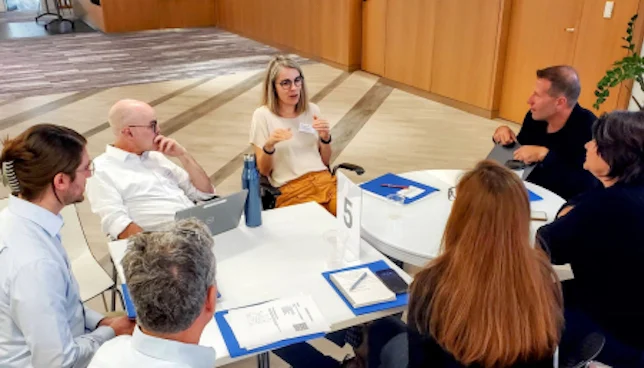
A cornerstone of the MISI Summer School’s pedagogical strategy was the requirement for participants to directly apply inclusive research principles to their own ongoing projects. Working in small, facilitated groups, trainees critically re-examined their methodologies through the lenses of intersectionality, community engagement, and cultural safety. Rather than demanding a complete overhaul of their research designs, the focus was on identifying practical adaptations that could enhance their work’s relevance and responsiveness to the communities impacted by their research, including patients, knowledge users, and inhabitants of the studied territories.
This hands-on approach yielded concrete outcomes. Some participants revised their informed consent processes to improve accessibility and transparency, ensuring that participants fully understood the research and their rights. Others developed knowledge mobilization strategies specifically tailored for community members, moving beyond traditional academic publications to formats that are more easily understood and utilized by the intended beneficiaries of the research. These exercises were instrumental in helping students distinguish between mere inclusive intentions and actual inclusive practices, demonstrating that true inclusion requires deliberate methodological choices. A significant takeaway was that experiential learning, particularly when applied to one’s own research, is a powerful catalyst for understanding how inclusion translates into tangible choices that influence the knowledge produced and amplify its real-world impact. This practical application is crucial for fostering a generation of researchers who can seamlessly integrate inclusive principles into their daily work.
Shifting Perspectives: Enhanced Self-Awareness and Positionality
The impact of the MISI Summer School was profoundly evident in the trainees’ reflections, which revealed significant shifts in their self-awareness and understanding of their own positionality within the research landscape. During their final presentations, numerous participants explicitly acknowledged how their institutional roles, disciplinary assumptions, or personal biases had previously shaped their interactions with communities. This introspection is a critical step in decolonizing research practices and fostering more equitable relationships.
One anonymous participant eloquently captured this transformative experience: "The program deepened my understanding of intersectionality and Indigenous perspectives in a way that goes beyond a land acknowledgment, giving me the confidence to lead with empathy and ensure the projects we are conducting are culturally sensitive, respectful and lead with people in mind." This sentiment highlights the program’s success in moving beyond superficial gestures towards a more profound and integrated approach to inclusion, empowering trainees to become more mindful and ethical researchers. The recognition of positionality is vital for researchers, as it allows them to critically examine how their own background and experiences might influence their research questions, data interpretation, and relationships with participants.
Institutional Implications: Beyond Diversification
For academic institutions, the success of the MISI Summer School offers a compelling model for how to advance research excellence through inclusive practices. The program demonstrates that effective inclusive science training transcends simply diversifying participation numbers. It necessitates a fundamental transformation in how and with whom scientific knowledge is produced and shared. This involves fostering genuine partnerships with community and cultural organizations, creating structured opportunities for critical reflection on the role of research and the researcher’s positionality, and designing learning activities that directly connect the principles of inclusion to the practicalities of research execution.
The implications for Canadian universities are substantial. By investing in such programs, institutions can cultivate a new generation of researchers who are not only scientifically adept but also ethically grounded and socially responsive. This shift can lead to research that is more relevant, impactful, and trustworthy, ultimately strengthening the relationship between academia and the broader society it aims to serve. The MISI Summer School serves as a powerful testament to the fact that prioritizing inclusion is not a compromise on scientific rigor, but an enhancement of it.
Ethical Responsibility and Future Directions
By embedding Indigenous knowledge systems and community-oriented ethics into its research training curriculum, the MISI Summer School encouraged trainees to perceive inclusion not merely as an institutional requirement or a compliance issue, but as a profound ethical responsibility. This reorientation is crucial for fostering a culture of genuine commitment to equity and social justice within the research community. The program offers a tangible example of how universities can proactively prepare emerging researchers to conduct science that is not only rigorous and innovative but also deeply accountable and responsive to the diverse needs and aspirations of the communities it seeks to understand and serve.
The success of the MISI Summer School, including its associated student awards and internships, was made possible through the generous funding provided by the Nova Science Program of Quebec’s Ministry of Economy, Innovation and Energy. This financial support underscores a growing governmental recognition of the importance of investing in innovative approaches to research training that prioritize equity and inclusion. As Canadian universities continue to grapple with the imperative of embedding EDI into their research endeavors, initiatives like MISI offer a vital roadmap for cultivating a more just, equitable, and impactful scientific future. The long-term implications of such programs extend beyond individual careers, promising to reshape the very landscape of scientific inquiry and its contribution to societal well-being. The ongoing commitment to these principles will undoubtedly lead to more robust, relevant, and ethically sound research that truly benefits all Canadians.