


The question of whether university professors genuinely love their jobs is often met with a resounding "yes," particularly when observing the extensive hours dedicated to research, teaching, and service – often extending into nights, weekends, and even vacation periods. This deep commitment, while indicative of passion, presents a complex duality that has been a recurring theme in academic discourse. While external factors like collegiality and open dialogue are crucial for mitigating performance pressures, a deeper examination of the internal dynamics of academic work is equally vital. The inherent freedoms and responsibilities of professorial life, while offering unparalleled autonomy, can inadvertently become the very wellspring of professional exhaustion.
The Allure of Academic Independence
At its core, the professorial role is characterized by a high degree of independence and autonomy, a rarity in the contemporary professional landscape. The traditional security offered by tenure, though evolving, still provides a foundational stability that allows academics to pursue their intellectual curiosities without the constant threat of immediate external pressures. This freedom extends to nearly every facet of their work: the selection of research topics, the pedagogical approaches employed in the classroom, the nature of public engagement, and the extent of administrative involvement. Unlike many professions where tasks are rigidly defined, university professors possess a remarkable capacity to shape their professional lives, effectively blending the structured environment of salaried employment with the self-directed nature of entrepreneurship. This unique synergy, while highly desirable, carries with it a commensurate weight of responsibility.
Psychological and management studies consistently highlight two fundamental pillars of workplace well-being: a sense of security and latitude for initiative. The academic profession, at its most ideal, masterfully integrates these elements. The security of tenure, coupled with the freedom to pursue passion-driven research and innovative teaching methods, creates an environment that, in theory, should foster optimal professional satisfaction and productivity. However, this idealized scenario often clashes with the lived realities of many academics, who frequently report feeling overwhelmed, exhausted, and at their breaking point.
Deconstructing the Paradox of Overwork
The persistent feeling of being overburdened within academia is not a new phenomenon. Early analyses of academic workload have sought to distinguish between the quantifiable, objective measures of tasks assigned and the subjective experience of that workload. This distinction is critical because the perception of workload can be heavily influenced by individual perceptions, priorities, and the inherent demands of the academic environment itself. Furthermore, the process of navigating the complexities of academia – understanding its unwritten rules, institutional structures, and the nuanced expectations surrounding research, teaching, and service – is a learning curve that can significantly impact an individual’s ability to manage their responsibilities effectively and exercise their freedoms judiciously.
The concept of collegiality, often lauded as a cornerstone of academic culture, functions as a decentralized, peer-based management system. While it can foster collaboration and mutual support, it also presents its own set of challenges. The absence of a clear hierarchical authority, while promoting a sense of equality, can sometimes lead to diffusion of responsibility or an unspoken pressure to conform to collegial norms, even when those norms contribute to an increased workload. The demands of public engagement, while essential for disseminating knowledge and contributing to societal discourse, can also become a significant drain on time and resources, particularly when the boundaries between academic duty and personal passion blur. Similarly, the decision of when to accept administrative roles, often seen as a pathway to greater influence or a way to shape academic policy, requires careful consideration to avoid diverting excessive energy from core scholarly activities. Even seemingly minor choices, such as the selection of conferences to attend, can contribute to an escalating sense of obligation if not approached strategically, transforming opportunities for professional development into sources of pressure.
The Internal Taskmaster: The Shadow Side of Autonomy
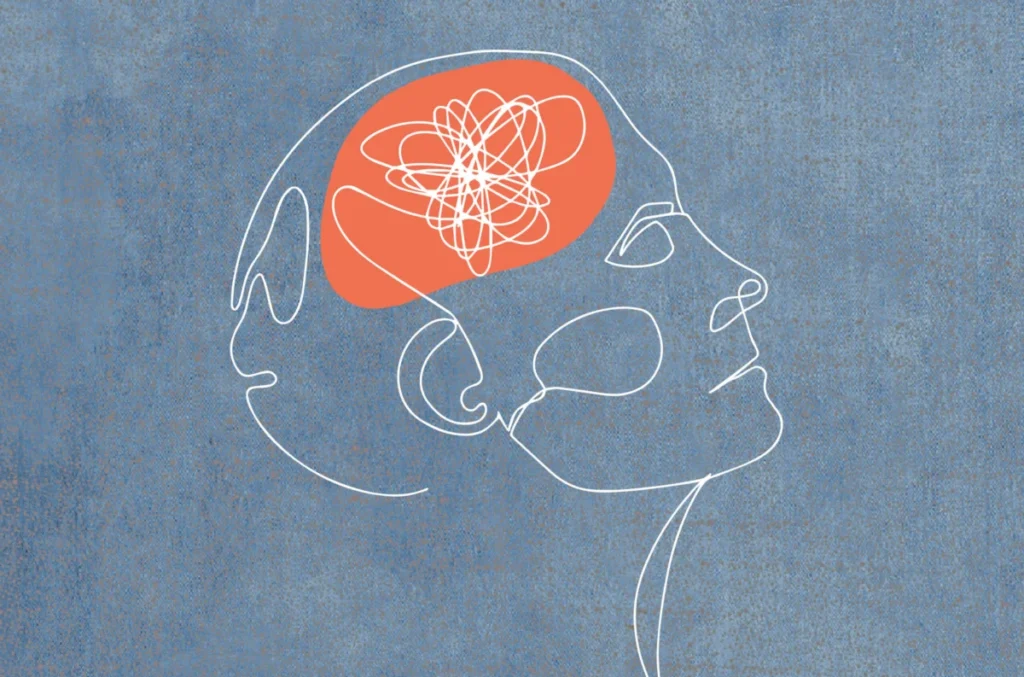
The common thread weaving through these observations is that professorial freedom is not a passive entitlement; it is an active construct that requires conscious effort to exercise, negotiate, and safeguard. The significant professional autonomy enjoyed by academics inherently shifts the locus of pressure from external mandates to internal drivers. In the absence of a direct supervisor dictating daily tasks, and with the freedom to define one’s own research agenda and teaching priorities, the individual academic often becomes their own most demanding taskmaster. This internal drive, fueled by passion and a desire for intellectual contribution, can lead to a self-imposed workload that far exceeds any reasonable expectation from an external employer.
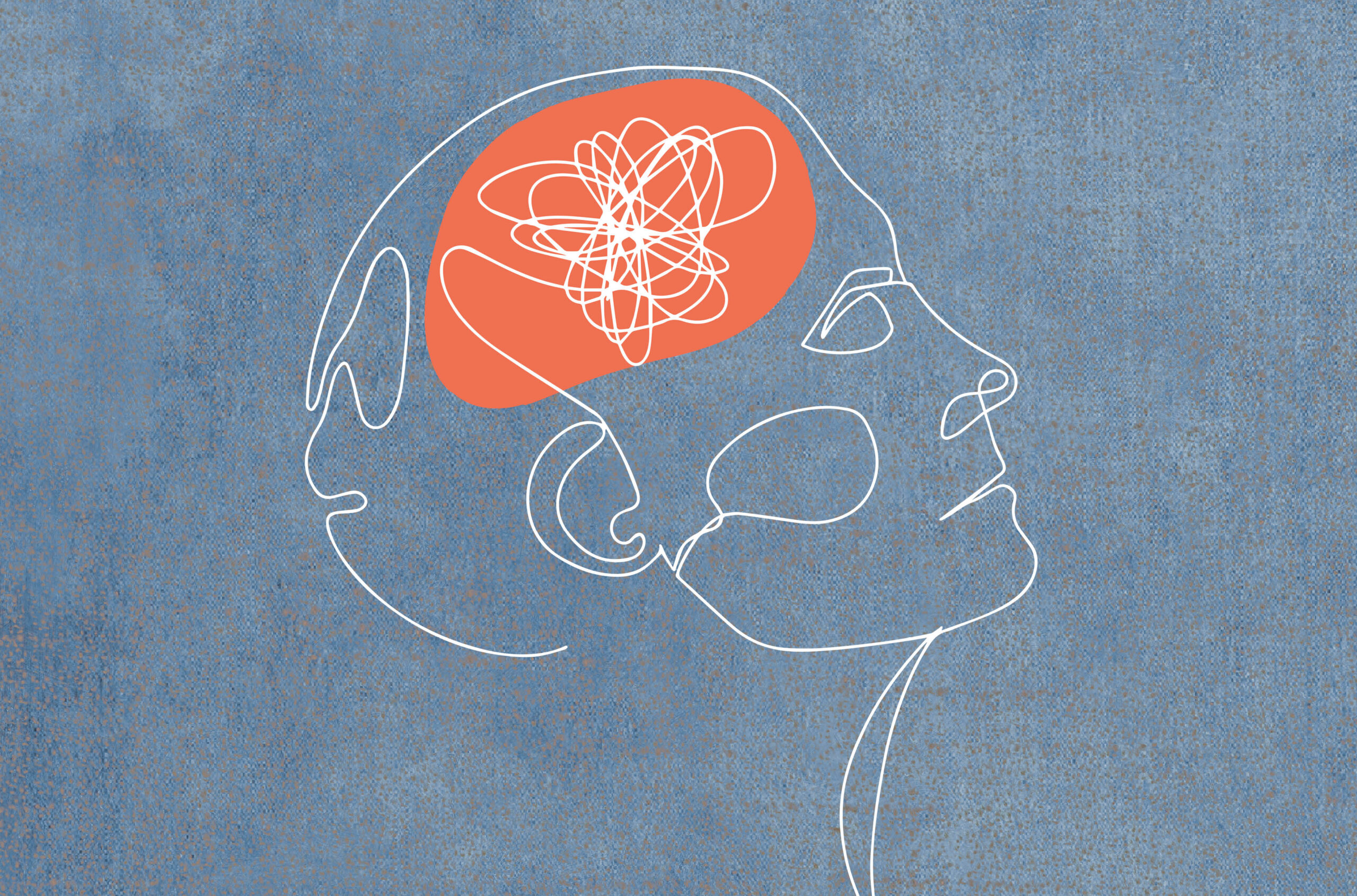
This phenomenon is exacerbated by the inherent nature of academic pursuits. The allure of "passion projects," the desire to expand knowledge through committee work, and the recurring commitment to conferences – driven by both comfort with familiar networks and the genuine hope of new discoveries – all contribute to a cumulative workload. This constant immersion in intellectual endeavors, while deeply rewarding, can create a pervasive sense of being "overworked," a feeling that was addressed in the debut of this column. This internal drive, when unchecked, can obscure the early warning signs of burnout, as the very passion that fuels the work also provides justification for extended hours and the deferral of personal well-being.
Addressing Burnout: Beyond Positive Thinking and Quiet Quitting
The pervasive issue of academic burnout necessitates a more nuanced approach than simple positive affirmations or the increasingly discussed concept of "quiet quitting." The latter, while a reaction to perceived overwork, does not fundamentally address the underlying structural and psychological factors contributing to the problem within academia. Instead, a more profound and perhaps uncomfortable truth needs to be confronted: while passion and independence are potent motivators, they do not inherently offer protection against burnout. In fact, they can, paradoxically, serve to mask its symptoms by encouraging an uncritical embrace of demanding work.
The solution, therefore, lies not in individual stoicism or a reduction in effort, but in a collective re-evaluation of academic culture and practices. The repeated emphasis on dialogue among colleagues, a theme explored in various academic advisories, is not merely about fostering camaraderie; it is a vital component of collective self-care and the establishment of sustainable professional boundaries. Open conversations about workload, the realistic assessment of demands, and the shared understanding of the pressures inherent in the academic profession can create a supportive environment where individuals feel empowered to manage their commitments without fear of reprisal or judgment.
The Collective Duty of Safeguarding Academic Privilege
University professors are afforded a significant privilege: the opportunity to engage in work that is inherently meaningful and intellectually stimulating. This work plays a critical role in shaping future generations, advancing the frontiers of knowledge, illuminating complex societal issues, and bolstering the foundations of democratic societies. The freedom that underpins this profession is not a trivial perk; it is a valuable asset that enables deep intellectual inquiry and impactful contribution.
However, this privilege must be actively safeguarded, even from its own potential excesses. Acknowledging the reality of academic burnout and the internal pressures that contribute to it is not an endorsement of indolence. Rather, it is a necessary step towards creating an environment where sustainable, fulfilling, and impactful academic work can continue. By fostering a culture that values well-being alongside productivity, institutions can ensure that their faculty can continue to contribute meaningfully to their fields and to society at large, without sacrificing their personal health and long-term engagement. This involves a conscious effort from both individuals and institutions to recognize the signs of overload, to prioritize realistic workloads, and to cultivate a professional ethos that supports both intellectual rigor and personal resilience.
As the academic year draws to a close for many, the imperative to rest and recharge becomes paramount. The demanding nature of professorial work, while deeply rewarding, requires a conscious and collective effort to ensure its long-term sustainability. By embracing the complexities of academic autonomy and fostering a culture of open dialogue and mutual support, universities can empower their faculty to continue their vital work without succumbing to the pervasive threat of burnout.
Frédéric Deschenaux, PhD, is a full professor in the Departmental Unit of Education Sciences at Université du Québec à Rimouski, specializing in the sociology of education. Stéphane Allaire, PhD, is a full professor in the Department of Education Sciences at Université du Québec à Chicoutimi, specializing in high school educational practices.