


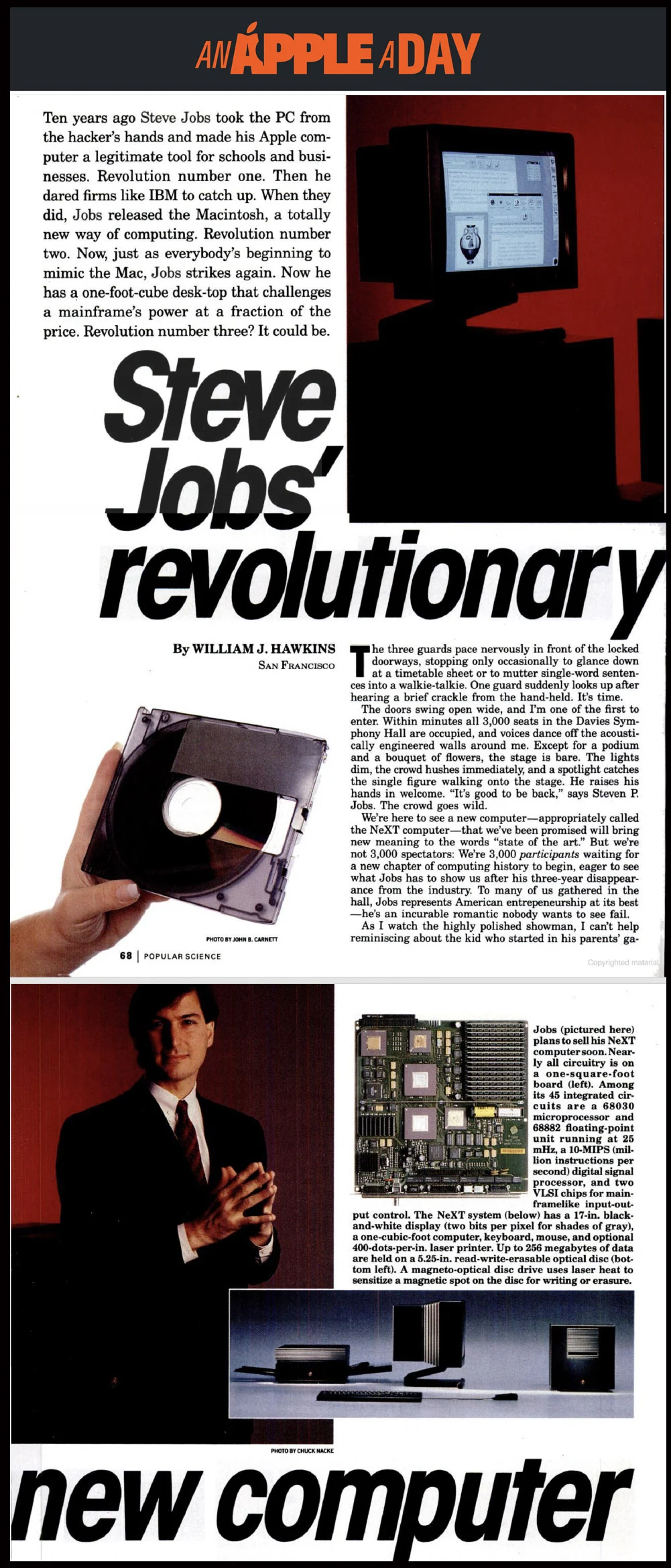
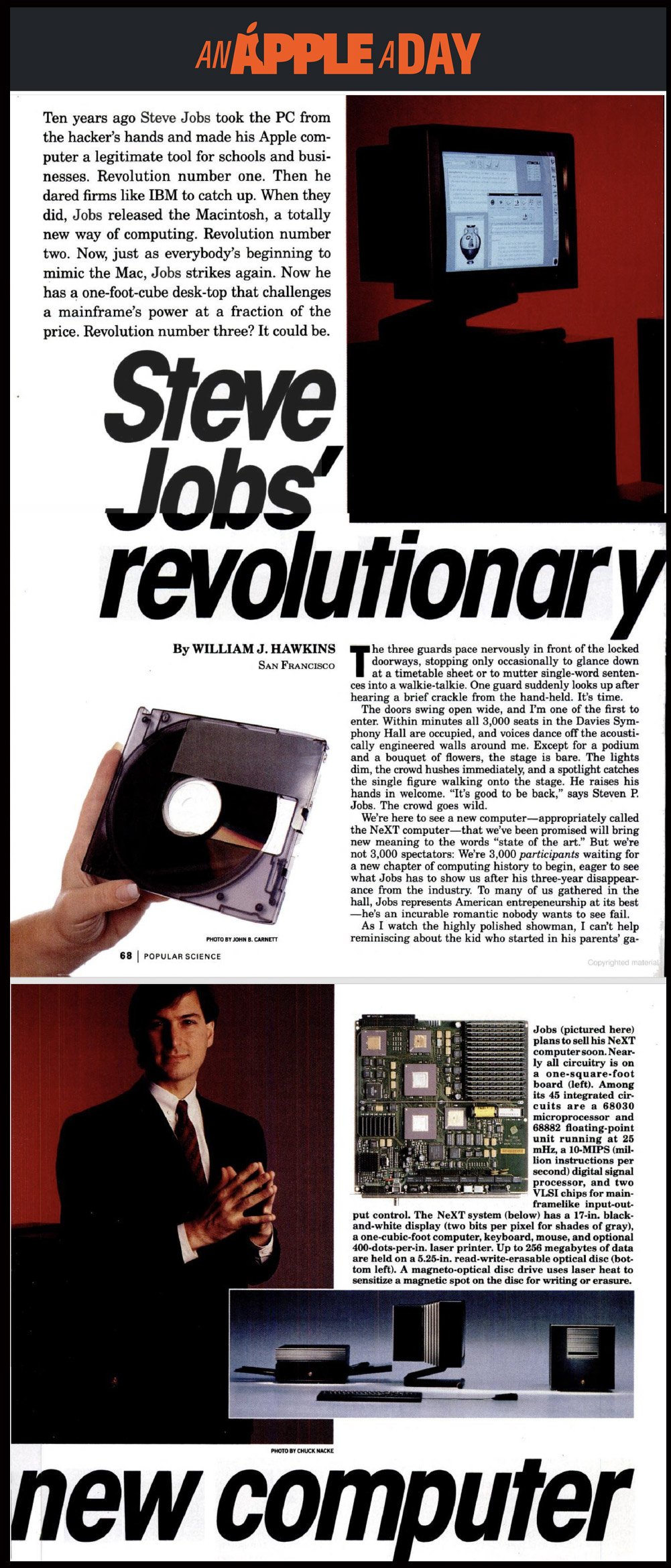
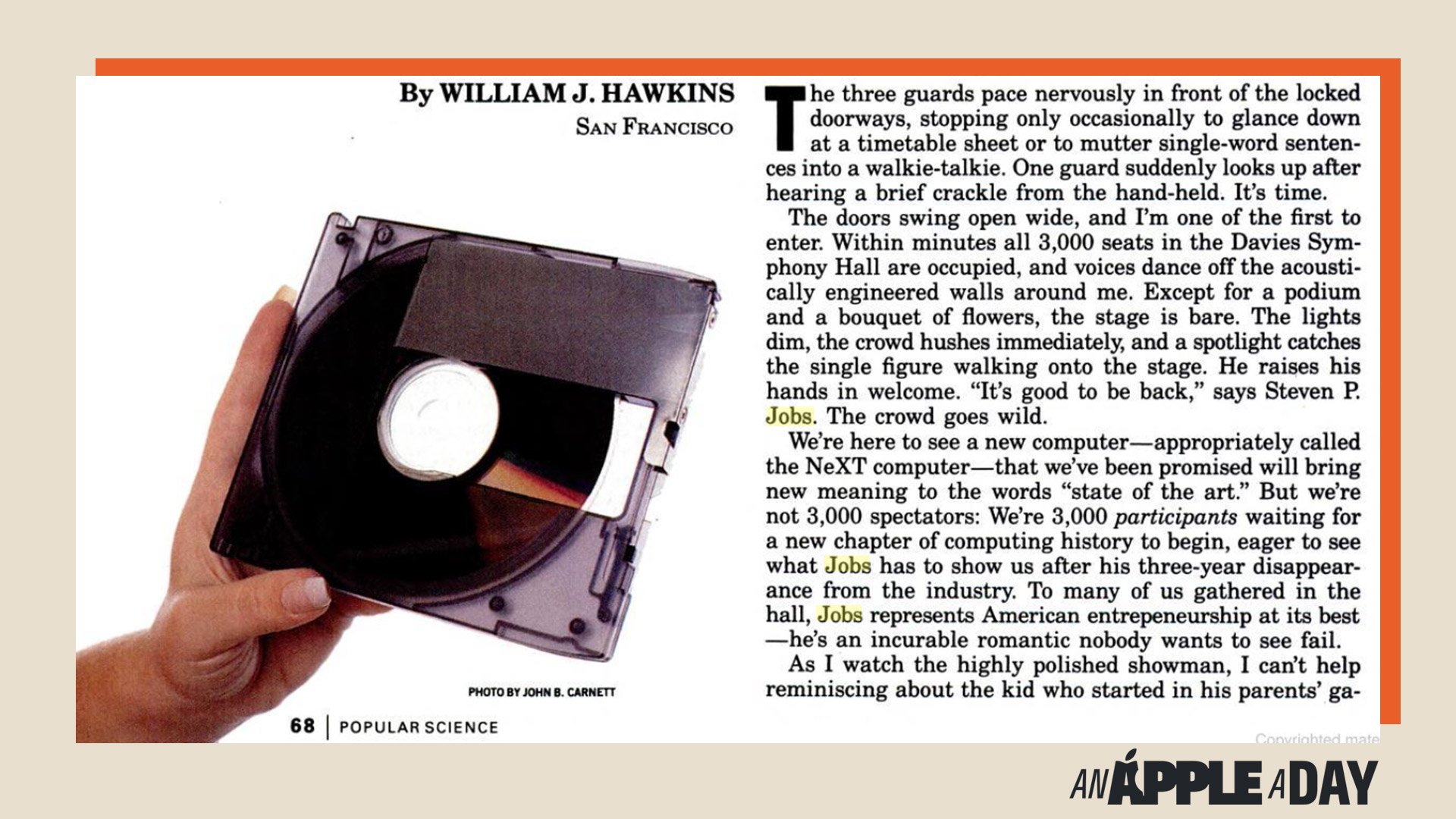
On October 12, 1988, Davies Symphony Hall in San Francisco hummed with anticipation as armed security personnel paced outside locked doors, clutching walkie-talkies. Within minutes of entry, all 3,000 seats were filled to capacity by tech industry analysts, journalists, and software developers eager to witness Steve Jobs’s first major product presentation in the three years since his tumultuous and highly publicized departure from Apple Computer. Jobs walked onto a sparse stage featuring only a lectern and a bouquet of flowers, raised his hands, and delivered a now-iconic opening line: “I think I speak for everybody at NeXT saying it’s great to be back.”
This momentous event marked the official debut of the NeXT Computer, a sleek, black magnesium cube that promised to revolutionize higher education and personal computing. While the hardware venture ultimately struggled commercially, the underlying software and architectural philosophies introduced that autumn afternoon laid the indispensable groundwork for modern computing, fundamentally shaping the trajectories of Apple, the World Wide Web, and the video game industry.
The Genesis of NeXT and the 1988 Debut
Following his exit from Apple in 1985 after a power struggle with then-CEO John Sculley and the board of directors, Steve Jobs founded NeXT, Inc. alongside several loyal former colleagues. He envisioned a powerful workstation tailored specifically for higher education and scientific research—institutions that demanded high-end computing power at a more accessible price point than traditional mainframe systems.
The hardware unveiled at Davies Symphony Hall was undeniably ambitious. Encased in a one-foot-square matte-black magnesium cube designed by Frogdesign, the machine was powered by a 25MHz Motorola 68030 microprocessor, featured a dedicated digital signal processor for superior audio capabilities, and drove a striking 17-inch grayscale MegaPixel display.
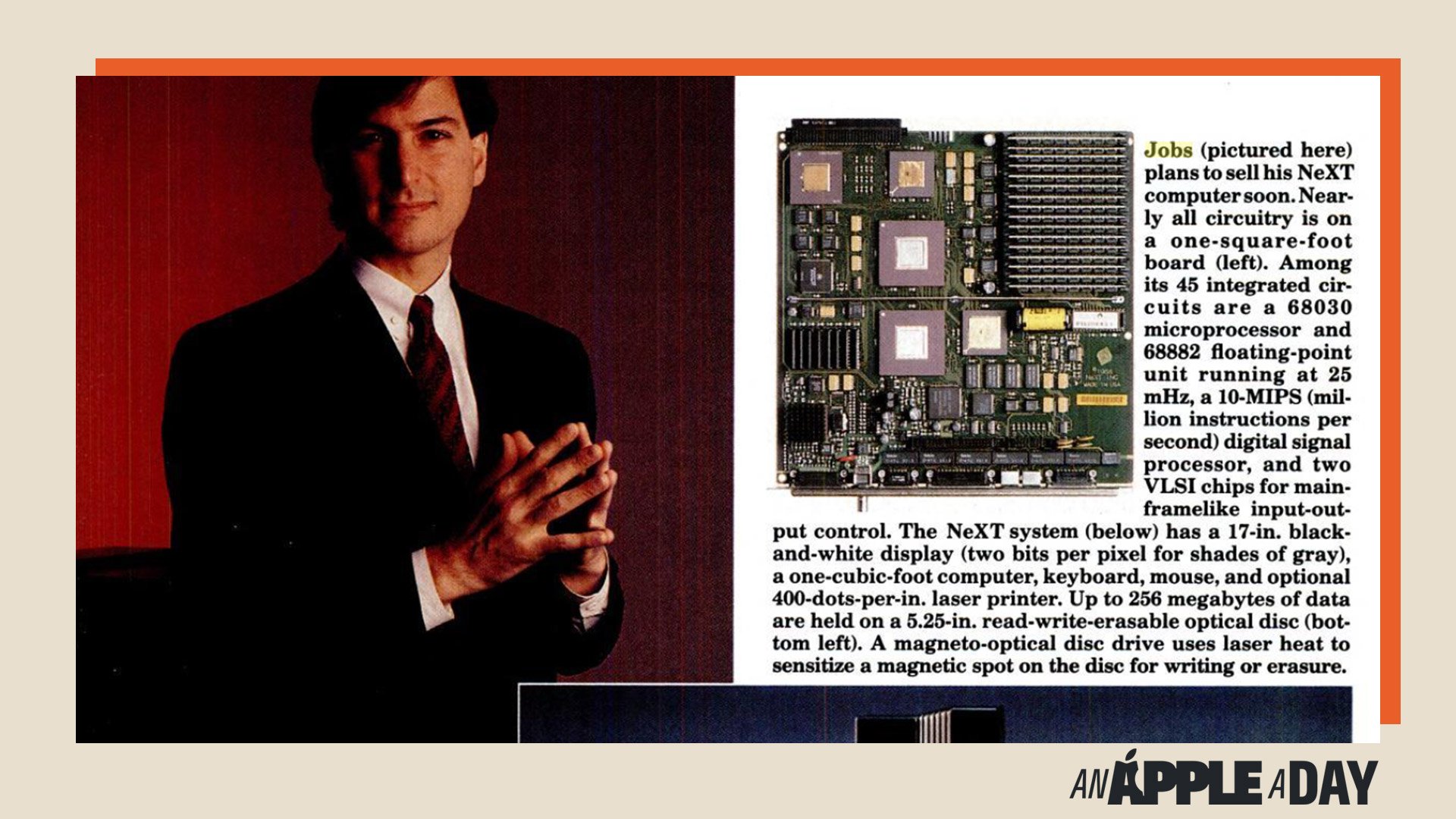
Jobs placed heavy emphasis on advanced manufacturing and component efficiency. During the presentation, he pulled a complex, one-foot-square circuit board from beneath the lectern, describing it as a marvel of engineering. He noted that robots at a dedicated factory in Fremont, California, assembled each board in approximately 20 minutes with zero human intervention.
The presentation’s dramatic peak came near the end of the first act, introducing an early iteration of the "one more thing" flourish that would later become a staple of Apple keynotes. Jobs unveiled a 256MB rewritable magneto-optical disc system—the first of its kind to ship standard on a personal computer. At a time when high-density 3.5-inch floppy disks held a mere 1.44MB of data, the ability to store vast quantities of files on a single 5.25-inch removable optical cartridge stunned the audience. Each cartridge was priced at $50, offering a storage capacity that foreshadowed the modern era of expansive digital media.
Software Innovation and Commercial Realities
While the hardware specs were impressive, the true genius of the NeXT system lay in its software ecosystem. The machine ran NeXTSTEP, a Unix-based operating system that Jobs promised would be “usable by mere mortals.” Featuring an object-oriented programming environment and an intuitive graphical user interface—complete with a digital trash can represented by a black hole—NeXTSTEP introduced development tools like Interface Builder, which allowed programmers to rapidly construct functional user interfaces by dragging and dropping UI elements in minutes. Furthermore, the magneto-optical drive shipped pre-loaded with comprehensive reference materials, including Webster’s Dictionary, a thesaurus, and the complete works of William Shakespeare.
Despite the theatrical triumph of the launch event, economic and market realities quickly caught up with the startup. Industry critics immediately pointed out several critical vulnerabilities. Many of the system’s core hardware components were off-the-shelf parts that competitors such as Sun Microsystems, Digital Equipment Corporation (DEC), and Apple would soon easily replicate or surpass. Furthermore, NeXT’s initial corporate strategy restricted sales strictly to the higher education market.
Market research at the time indicated that consumer and institutional interest dropped off steeply for personal computers priced above $3,500. The NeXT Computer debuted at an eye-watering $6,500, with an additional $2,000 required for its specialized laser printer, pricing it far out of reach for the average university student or faculty member.
By March 1989, NeXT reported shipping approximately 1,000 computers, predominantly to more than 60 universities and select software developers. In an attempt to broaden its market reach, the company announced distribution deals with retail chains like Businessland, where the system retailed for $9,995 starting in May 1989. However, manufacturing hurdles persisted; the revolutionary optical drive proved too slow to serve as the system’s primary boot drive, forcing NeXT to release the conventional hard-drive-based NeXTstation in September 1990.
Compounding these challenges, IBM licensed NeXTSTEP for its AIX workstations but failed to sustain long-term development support. Over its entire hardware lifespan, NeXT sold a modest total of roughly 50,000 computers. In February 1993, facing mounting financial pressures, the company ceased hardware manufacturing operations and laid off 280 of its approximately 530 employees, pivoting exclusively to software development.
Broader Impact and the World Wide Web
Although NeXT hardware failed to achieve mass-market dominance, its software and technological contributions achieved immortality. The advanced object-oriented development environment proved to be years ahead of its time.
At the CERN research facility in Switzerland during the early 1990s, physicist Tim Berners-Lee utilized a NeXT computer to write the world’s first web browser-editor (WorldWideWeb) and the first web server. The historical significance of that specific machine was underscored by a famous handwritten label affixed to its chassis by Berners-Lee, which read: "This machine is a server. DO NOT POWER IT DOWN!!" Across the Atlantic in Texas, id Software relied heavily on NeXT workstations to develop groundbreaking video games such as Doom and Wolfenstein 3D, which revolutionized the gaming industry.
The Prodigal Son Returns to Apple
By 1996, the tables had turned dramatically. Apple Computer found itself in severe financial and strategic distress, having failed to develop a viable next-generation operating system under its internal project codenamed Copland. Desperate for a modern, stable architecture to secure its future, Apple leadership initiated negotiations to acquire outside technology.
On December 20, 1996, Apple officially announced it would acquire NeXT Software, Inc. for approximately $400 million, bringing Steve Jobs back into the corporate fold in an advisory capacity. Financial audits later placed the total transaction value at $427 million, factoring in NeXT’s existing liabilities.
While financial analysts initially questioned how Apple intended to integrate the niche operating system, the acquisition proved to be the single most important strategic maneuver in the company’s history. NeXTSTEP served as the direct technological foundation for Mac OS X, which subsequently evolved into modern iterations of macOS, iOS, watchOS, and tvOS.
Today, the enduring legacy of NeXT remains invisibly embedded in the daily digital experiences of billions of people. Software developers writing native applications for iPhones, iPads, and Mac computers routinely encounter core programming classes prefixed with NS—such as NSObject and NSString—serving as a permanent, functional monument to Steve Jobs’s ambitious, failed cube from 1988.