



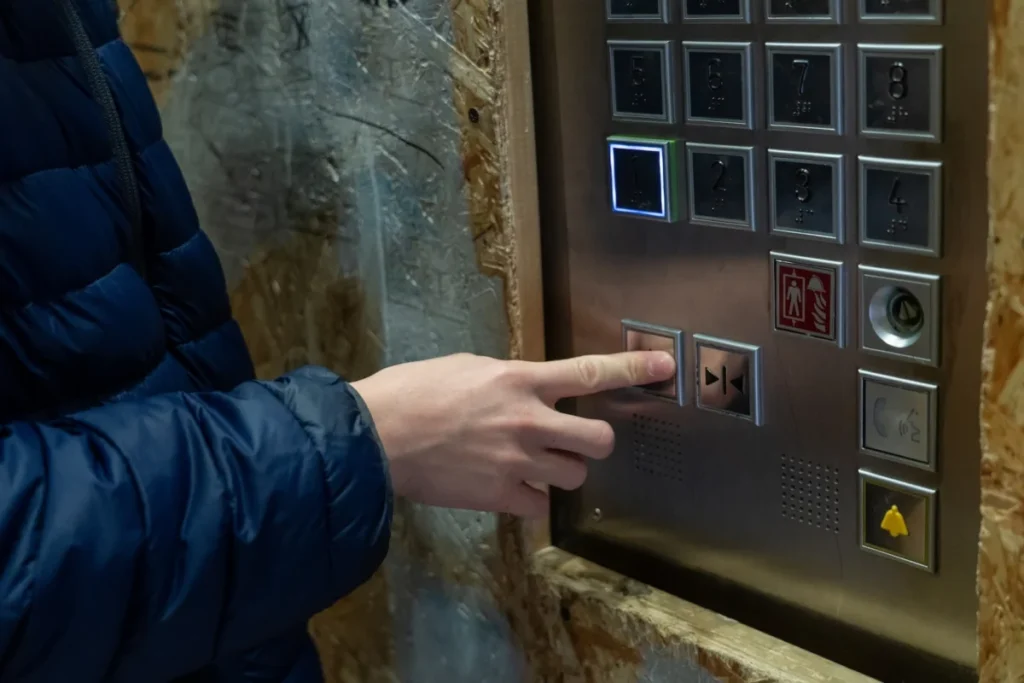
Modern urban environments are increasingly defined by automated systems designed to optimize efficiency, safety, and energy consumption. From the synchronized rhythm of traffic lights in a bustling metropolis to the climate-controlled corridors of high-rise office buildings, the infrastructure of daily life relies on complex algorithms and centralized management. However, a curious remnant of the manual era persists in the form of physical interfaces—buttons, switches, and dials—that frequently serve no mechanical purpose. Known as placebo buttons, these devices are strategically maintained or installed to provide users with a sense of agency, even when the underlying system has been entirely automated.
The prevalence of these non-functional controls is not merely a byproduct of technological oversight; rather, it is often a deliberate choice rooted in psychological theory, legal compliance, and the logistical realities of managing large-scale public and private systems. While the realization that a pressed button yields no result might initially cause frustration, experts in psychology and urban planning suggest that these illusions of control play a vital role in maintaining public order and individual well-being.
The Evolution of the Pedestrian Crosswalk
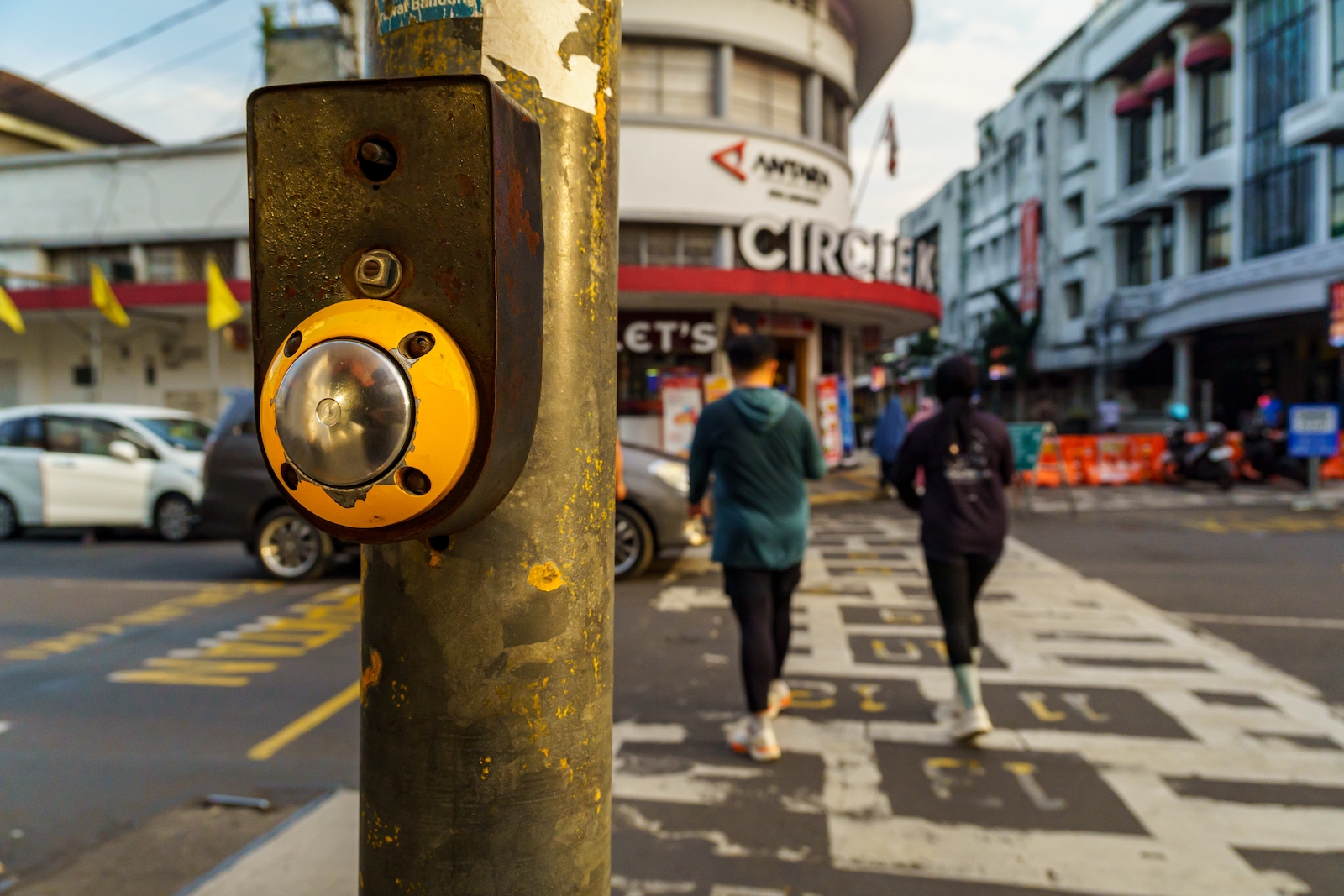
One of the most visible examples of the placebo button phenomenon is the pedestrian crossing signal. In major global hubs such as New York City, London, and Boston, the majority of buttons found at intersections have been deactivated for decades. According to data from the New York City Department of Transportation, of the approximately 1,000 pedestrian push-buttons remaining in the city, only about 100 are currently functional. This represents a significant shift from the mid-20th century, when these buttons were essential for triggering a "walk" signal.
The transition toward non-functional buttons began in the late 1980s and early 1990s as cities moved toward computerized traffic management. To ensure a consistent flow of vehicles—a concept known as "green waves," where cars traveling at a specific speed hit a sequence of green lights—traffic signals must operate on strict, pre-programmed timers. Allowing a single pedestrian to disrupt this sequence by pressing a button would create a ripple effect, leading to congestion and increased carbon emissions from idling vehicles.
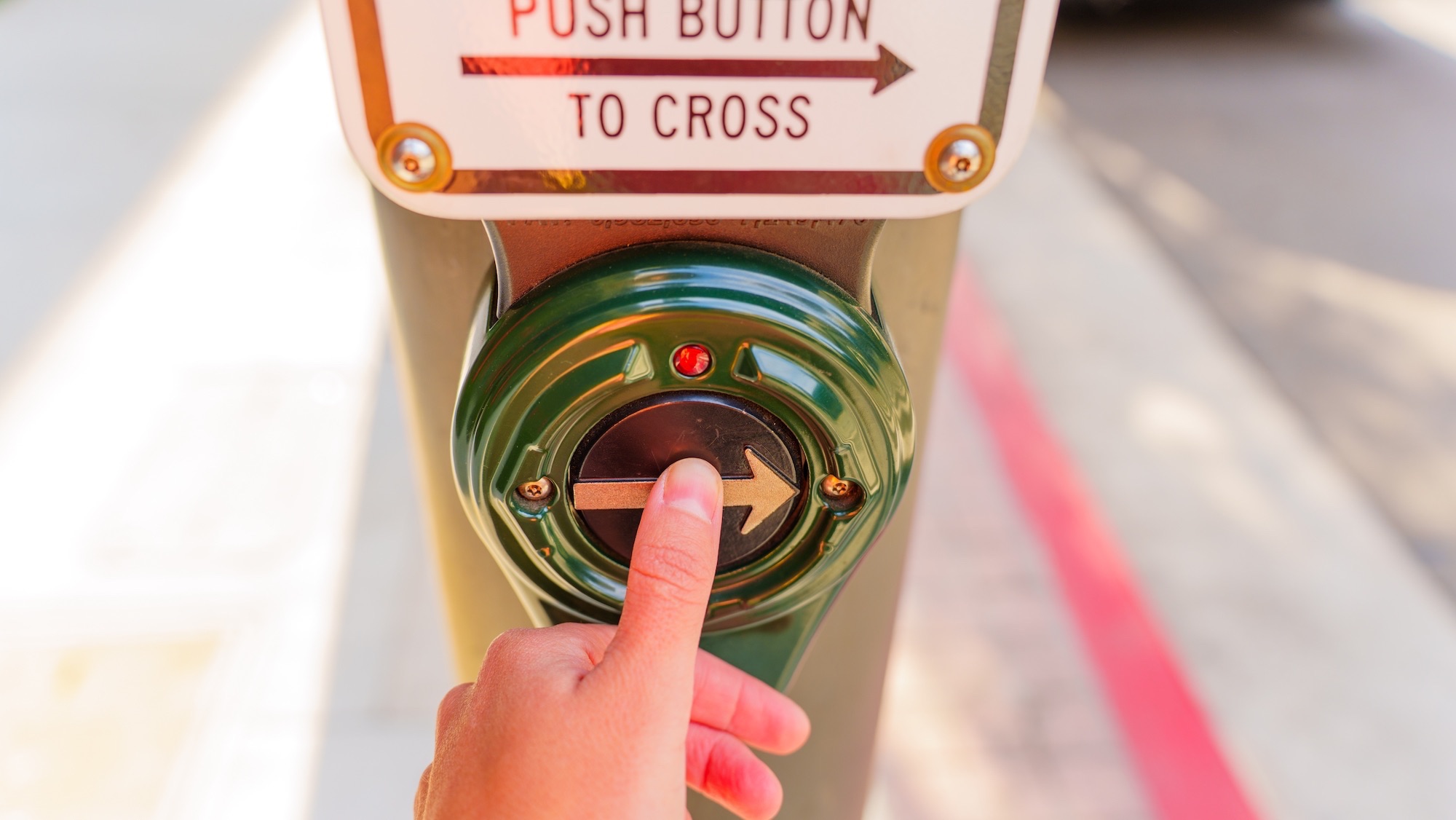
In London, the BBC has documented a similar trend. During peak daylight hours, the vast majority of crosswalk signals in the city center operate on automated cycles. The buttons remain in place primarily to accommodate off-peak hours, such as late at night, when pedestrian traffic is low enough that the system can afford to be reactive. For the average commuter, however, the act of pressing the button during the morning rush is a ritual of habit rather than a functional necessity.
Despite their lack of utility, city officials are often reluctant to remove the physical buttons. The cost of removal is one factor, but the primary motivation is psychological. When a pedestrian interacts with a button, they are more likely to wait for the designated signal rather than attempting to cross against traffic. The perceived interaction creates a "contract" between the individual and the system, fostering patience through the illusion of participation.
The Legal Constraints of Vertical Transit
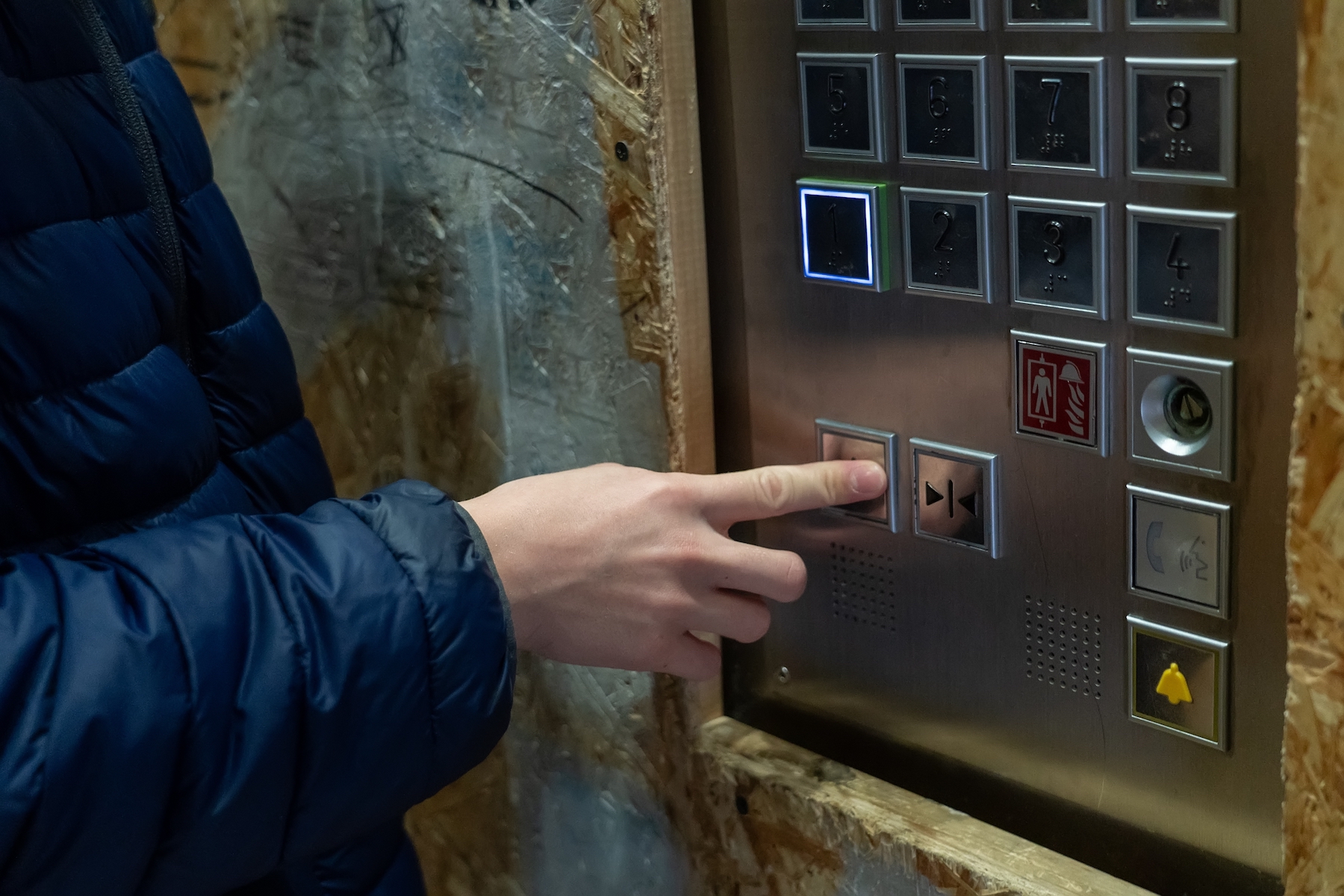
The elevator "close door" button is perhaps the most frequently cited example of a placebo control in the United States. While these buttons were once fully operational, their functionality was largely curtailed by the passage of the Americans with Disabilities Act (ADA) in 1990. The ADA established rigorous standards for elevator operation to ensure that individuals with mobility or visual impairments have sufficient time to enter the cab safely.
Federal regulations stipulate that elevator doors must remain fully open for a minimum of three seconds in response to a call. Furthermore, the duration the doors remain open is often calculated based on the distance between the call button and the elevator entrance, assuming a standard walking speed of 1.5 feet per second. Consequently, if a button is located ten feet from the elevator, the doors may be legally required to remain open for nearly seven seconds.
Because of these mandates, many elevator manufacturers disable the "close door" button for general passengers. If the button were to work as intended, it would allow users to override the safety timers, potentially violating federal law. The buttons are generally only functional for emergency personnel, such as firefighters or maintenance technicians, who possess a physical key that switches the elevator into an override or "independent service" mode.
Despite this, the buttons remain a standard feature on elevator control panels. Maintenance companies report that removing the buttons would likely lead to increased user anxiety and complaints, as the presence of the button provides a psychological outlet for the urgency many passengers feel when entering a lift.
Climate Control and the Office Thermostat
In the corporate world, the "dummy" thermostat has become a staple of HVAC (Heating, Ventilation, and Air Conditioning) design. As energy costs have risen and building management systems have become more centralized, the ability of an individual employee to alter the temperature of their specific workspace has diminished.
A 2003 report by the Wall Street Journal highlighted the practice of installing non-functional thermostats in offices to reduce "comfort complaints." HVAC engineers noted that when employees feel they have the power to adjust their environment, they are statistically less likely to report feeling too hot or too cold, regardless of whether the actual temperature changes. In some instances, these fake thermostats are even equipped with small internal heaters to trick the device into displaying a change in temperature, or they are paired with a recording of a whirring fan to simulate activation.
The motivation for this is primarily economic. Modern HVAC systems are designed to operate within a narrow "comfort zone" that maximizes energy efficiency for the entire building. Allowing hundreds of individuals to constantly adjust their local thermostats would cause the central system to fluctuate wildly, leading to mechanical wear and massive increases in utility expenses. By providing a placebo dial, facility managers can satisfy the psychological need for environmental control without compromising the building’s operational integrity.
The Psychology of Perceived Control
The effectiveness of placebo buttons is grounded in decades of psychological research regarding "perceived control." A landmark 1976 study by Judith Rodin and Ellen Langer examined the impact of agency on the health of nursing home residents. One group of residents was given control over small environmental factors, such as the care of a plant or the scheduling of a movie night, while a control group had these decisions made for them by staff.
The results were profound: the group with even minor levels of control showed significantly higher levels of alertness, active participation, and overall health. Over time, the mortality rate in the control-enhanced group was half that of the group without choices. This study, and others that followed, demonstrated that the feeling of agency is a fundamental human need that reduces stress and improves cognitive function.
Placebo buttons leverage this need. When an individual presses a button and the desired outcome eventually occurs (the light turns green, the elevator doors close, the room feels cooler), the brain registers a "success." This reinforces the behavior through operant conditioning. Even if the button had no actual impact on the timing, the coincidence of the event satisfies the user’s desire for cause-and-effect interaction.
Broader Implications and the Future of Interface Design
As the world moves toward the "Smart City" model, the role of physical buttons is being re-evaluated. Advanced sensor technology, including thermal imaging and AI-driven motion detection, is increasingly replacing manual inputs. In some modern office buildings, lighting and temperature are adjusted automatically based on occupancy data, removing the need for switches entirely.
However, the complete removal of manual overrides—even placebo ones—can lead to "algorithmic anxiety," a state where users feel helpless or oppressed by the systems around them. Urban designers are now exploring "feedback-rich" placebos, such as buttons that vibrate or light up when pressed, even if they don’t trigger a mechanical change. This tactile feedback confirms that the system has acknowledged the user’s presence, which is often more important than the actual speed of the response.
While some critics view placebo buttons as a form of corporate or civic deception, proponents argue they are a harmless and effective tool for managing human behavior in complex environments. By bridging the gap between automated efficiency and the human need for agency, these "lying" buttons help maintain the social fabric of modern life, one empty click at a time.
Chronology of the Placebo Button
- Pre-1970s: Most buttons (crosswalks, elevators, thermostats) are fully functional and mechanically linked to their respective systems.
- 1976: Rodin and Langer publish their study on the psychological benefits of perceived control, providing a scientific basis for the use of placebo interfaces.
- 1980s: Cities begin implementing computerized traffic signal control (UTCS), leading to the deactivation of manual pedestrian buttons in high-traffic areas.
- 1990: The Americans with Disabilities Act is signed into law in the U.S., effectively rendering many elevator "close door" buttons obsolete for general use due to timing mandates.
- 2004: The New York City Department of Transportation confirms that most of its crosswalk buttons no longer function, following a massive automation project.
- 2010s-Present: The rise of the Internet of Things (IoT) and AI sensors begins to phase out physical buttons in favor of automated environmental responses, though placebos remain for psychological comfort.